300x85-png.webp)


 Hong Kong
 Singapore
 China
China Dubai
Dubai Thailand
 United Kingdom
 Mexico
Chikungunya is a viral disease transmitted by mosquitoes, characterized by symptoms like fever and joint pain. Though uncommon in the Western world, the disease is still prevalent in many parts of the world. With the right safety precautions, you can stay safe from chikungunya easily.
Discover the world’s top
health insurers.
Compare quotes with
a click of the button.
Are you planning to visit a country where the Chikungunya virus is prevalent and are wondering how to best protect yourself from this sickness? Are you just hearing of chikungunya for the first time and want to know if you should go through with your travel plans?
This Pacific Prime article will give you a basic understanding of chikungunya, how to prevent infection, who is most vulnerable, and what steps you can take if you get infected.

Explaining Chikungunya
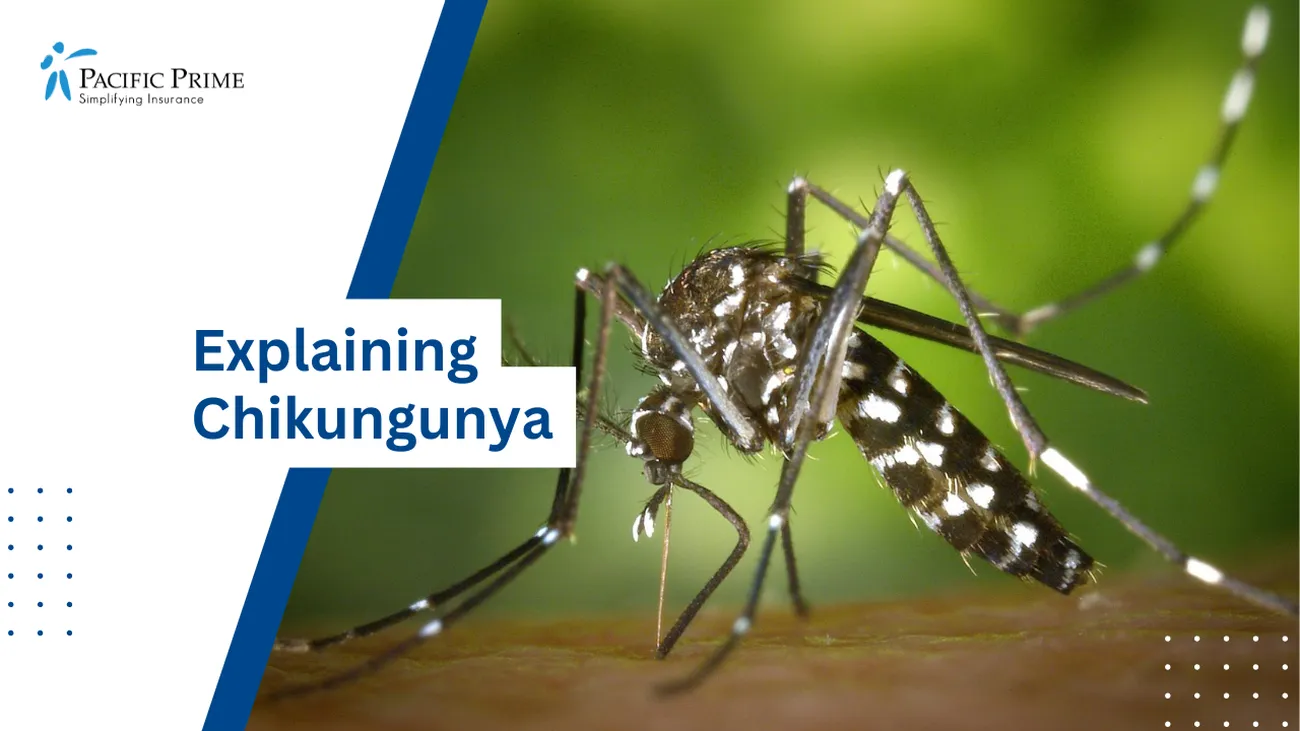
Chikungunya is caused by the bite of infected Aedes mosquitoes. Its symptoms include fever, joint pain, muscle pain, headache, nausea, fatigue, and rash. Most people recover within a week, but some may experience persistent joint pain that can last for months or even years.
Aside from chikungunya, travelers should also be aware of other mosquito-borne illnesses like dengue fever and Zika virus. These diseases can have similar symptoms and are also transmitted by infected mosquitoes.
Chikungunya virus is transmitted to people through the bite of an infected mosquito (mainly Aedes aegypti and Ae. albopictus). Humans are the primary hosts of the Chikungunya virus. Mosquitoes become infected when they feed on a person who already has the virus.
Unlike other contagious diseases like influenza and tuberculosis, chikungunya is not airborne and can only spread through mosquito bites.
Where Travelers are Most Likely to Get Chikungunya
The first case of chikungunya was identified in Tanzania in 1952. Over time, the virus has spread worldwide, especially in Africa, Asia, and the Americas’ tropical and subtropical regions.
Here is the list of countries and territories with evidence of chikungunya virus transmission among humans within the last five years:
- Africa
- Burkina Faso, Cameroon, Chad, Democratic Republic of the Congo, Djibouti, Eritrea, Ethiopia, Gabon, Gambia, Ghana, Kenya, Malawi, Mali, Nigeria, Republic of Congo, Reunion, Senegal, Sudan
- Asia
- Cambodia, China, India, Indonesia, Laos, Malaysia, Maldives, Myanmar, Nepal, Pakistan, Philippines, Taiwan, Thailand, Timor Leste, Vietnam
- The Americas
- Argentina, Barbados, Belize, Bolivia, Brazil, Colombia, Costa Rica, Ecuador, Guatemala, Jamaica, Mexico, Nicaragua, Panama, Paraguay, Peru, Saint Lucia, Suriname, Uruguay, Venezuela
What Groups of People Are Particularly at Risk from Chikungunya
People with pre-existing health problems (like diabetes, HIV, etc.), older adults, and young children are at higher risk for severe cases of chikungunya. Pregnant women should take particular care to avoid mosquito bites, as infection can cause birth defects.
Newborn babies are especially at risk for getting chikungunya because they are more likely to have symptoms like rashes, fevers, and swollen limbs. They also have a chance of getting brain inflammation and seizures. In severe cases, it can even cause heart problems, bleeding, and poor blood flow.
Getting Vaccinated Against Chikungunya
Fortunately, there is now a vaccine against chikungunya, defying the long-standing belief that it is an unpreventable disease.
In the United States, a single dose of chikungunya vaccine called IXCHIQ (manufactured by Valneva) is available for adults aged 18 and older. The vaccine was approved by the FDA in November 2023 and became available for use by travelers and laboratory workers in February 2024.
On the other side of the pond, the European Medicines Agency (EMA) has also cleared the distribution of another vaccine, Vimkunya, the first chikungunya vaccine in the EU for those aged 12 and up. It is now available in the US as well.
How to Recognize the Symptoms of Chikungunya
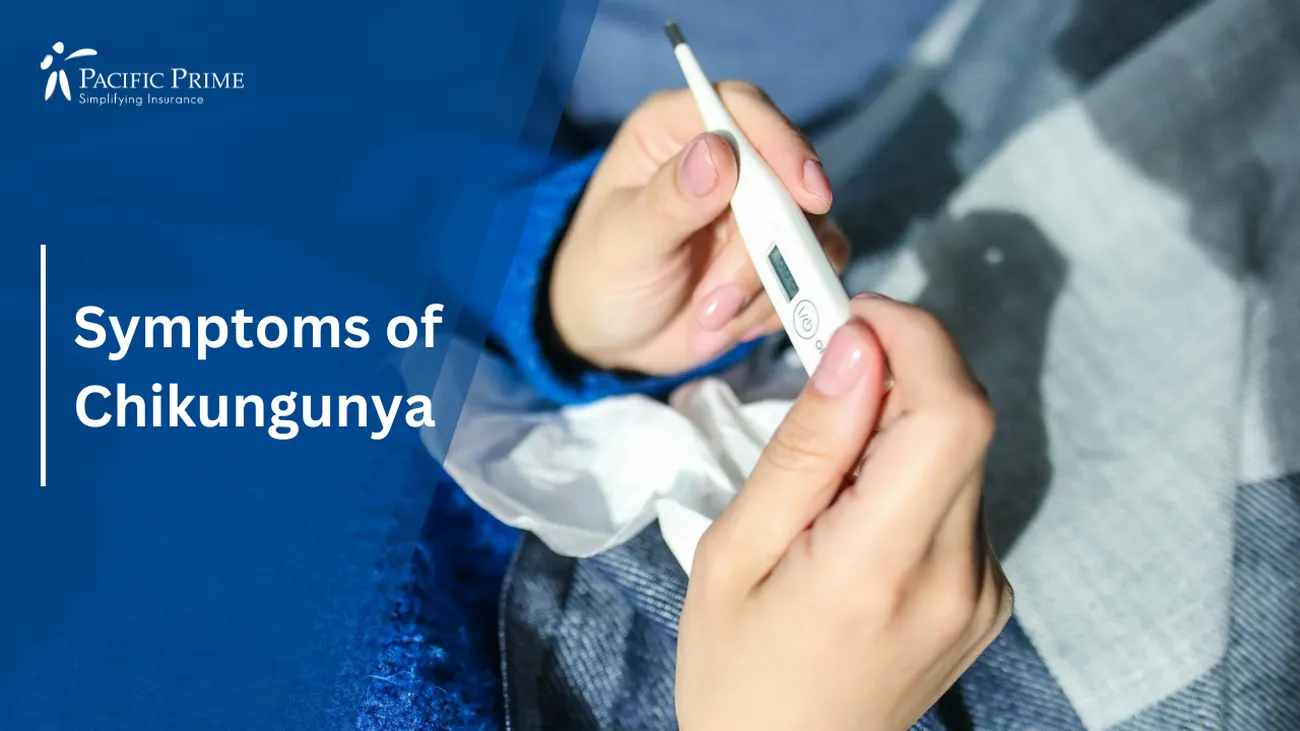
The most common symptoms of Chikungunya virus infection are fever and joint pain, usually beginning three to seven days after the infected mosquito bites. Other symptoms may include headache, muscle pain, joint swelling, rash, fatigue, nausea, and red eyes.
The common symptoms of chikungunya are:
High fever
Chikungunya virus causes high fever, which usually lasts for two to seven days.
Joint pain
Joint pain is the most common symptom of Chikungunya, making the disease similar to arthritis. The joint pain is usually severe, especially in the hands, wrists, ankles, and feet.
Headache and muscle pain
Chikungunya virus can cause severe headache and muscle pain, making the person feel weak and fatigued.
Skin rash
Chikungunya infection can result in a skin rash that appears two to five days after the onset of fever. The rash usually covers the face, arms, legs, and trunk.
Nausea and vomiting
Some Chikungunya patients may experience nausea and vomiting, especially during the first week of infection.
If infected individuals do not experience significant joint pain, their symptoms are typically mild, which can lead to the infection going unnoticed.
Since many of these symptoms are very similar to those of infections such as dengue and Zika viruses, misdiagnosis can occur.
Treatment Options for Chikungunya
A blood test can be performed to diagnose the disease. At present there is no specific cure for chikungunya, and treatment focuses on relieving the symptoms and preventing complications.
Medical personnel may recommend over-the-counter painkillers such as acetaminophen, ibuprofen, and naproxen to relieve joint pain, headache, and fever. However, aspirin should be avoided since it increases the risk of bleeding complications.
The following treatments are commonly recommended for chikungunya:
Rest
It is essential to get enough rest and reduce physical activity to allow the body to recuperate and fight the virus.
Adequate Fluid Intake
Drinking plenty of fluids, such as water, oral rehydration solutions, coconut water, and fruit juices, can help rehydrate the body and reduce the risk of dehydration caused by the fever and sweating.
Physical Therapy
Physical therapy is recommended to help improve flexibility, strength, and joint mobility following Chikungunya infection. Physical therapy also helps to prevent joint stiffness.
Fever Prevention
Health personnel may recommend the use of cold compresses, sponge baths, or lukewarm water to lower fever caused by chikungunya.
Are There Long-Term Effects of Chikungunya Infection?
Although the joint pain typically lasts for only a few days, in some cases it may persist for extended periods of time, ranging from weeks to months or even years.
On the bright side of things, based on available evidence, individuals who have recovered from chikungunya are likely to have immunity against future infections.
Travel Restrictions Related to Chikungunya
There are currently no travel restrictions or bans in place for chikungunya, but travelers should be aware of the risk of the disease and take necessary precautions to prevent mosquito bites.
How to Prevent Chikungunya When Abroad
If you are planning to travel abroad, especially to areas where Chikungunya is prevalent, it’s important to take steps to avoid getting infected. Since Chikungunya vaccinations are now available, getting vaccinated should be your first course of action.
Here are some further tips aimed at preventing mosquito bites:
1. Use Insect Repellent to Protect from Chikungunya
Wear insect repellent that contains at least 20% DEET on exposed skin and clothing. Reapply the repellent every few hours, especially if you are sweating or swimming. You can also use other types of insect repellent that contain picaridin or oil of lemon eucalyptus.
2. Wear Protective Clothing to Protect from Chikungunya
Cover up with long-sleeved shirts and long pants, especially during dawn and dusk when mosquitoes are most active. Light-colored clothing is less attractive to mosquitoes than dark colors.
3. Sleep Under a Mosquito Net to Protect from Chikungunya
If you’re sleeping in an area where mosquitoes are prevalent, use a mosquito net treated with insecticide to protect yourself from bites.
4. Use Air Conditioning to Protect from Chikungunya
When possible, stay in accommodations with air conditioning, as mosquitoes tend to avoid cooler temperatures.
5. Eliminate Standing Water to Protect from Chikungunya
Mosquitoes breed in standing water, so be sure to empty any standing water around your living area, including flowerpots, buckets, and other containers.
6. Choose Accommodations Carefully to Protect from Chikungunya
Consider staying in a hotel or resort that has taken measures to prevent mosquito infestation, such as using mosquito nets, screens on windows and doors, and regular fumigation treatments.
7. Stay Informed to Protect from Chikungunya
Stay informed about outbreaks of Chikungunya virus in the areas you plan to visit and always take additional precautions seriously.
In addition to these tips, be aware of the symptoms of Chikungunya and seek medical attention if you experience any of them after returning from a trip. Although there is no specific treatment for Chikungunya, symptoms can be managed with pain relievers and rest.
What Should I Do If I Get Chikungunya While Abroad?
If you get sick abroad with Chikungunya, seek medical attention immediately. This is important because healthcare professionals can help manage symptoms and provide guidance on how to prevent further transmission of the virus.
In more severe cases, hospitalization may be necessary to treat complications like dehydration or secondary infections.
Preventing further transmission of the virus is also important in managing chikungunya. Travelers should avoid mosquito bites by following public health advisories and local guidelines.
Frequently Asked Questions
How dangerous is it if a pregnant woman gets chikungunya?
Since Chikungunya can be passed to babies during birth, pregnant women should be extra cautious. Infants who contract the virus at such an early stage are more susceptible to a severe form of the disease.
Is there an easy way to tell chikungunya from dengue fever or Zika?
The symptoms of these diseases can vary from person to person, and some people may not show any symptoms at all.
If you suspect that you may have one of these diseases, seek medical attention immediately. A doctor or healthcare professional can conduct tests and provide a proper diagnosis and treatment plan.
What should I not eat if I get chikungunya?
Focus on staying hydrated if you get chikungunya, and eat foods rich in vitamins and antioxidants. It’s best to stick to light foods with fewer spices and oils and to avoid sugary, processed foods.

Conclusion
Most chikungunya infections are not fatal, but they can cause a lot of discomfort, inconvenience, and unproductivity. Sometimes it can even cause years-long joint pain.
That’s why it’s necessary to take steps to prevent chikungunya. When it comes to infectious diseases, it’s always better to take precautions. For a more comprehensive overview of the most common diseases when traveling abroad, please check out our article.
Another thing that you should do to protect yourself is to make sure that you have proper travel insurance and health insurance coverage. Life is definitely uncertain, but at least someone will be there to help you handle whatever life throws at you if you have proper coverage.
Contact our experts today for more details and get a FREE quote!

Since joining Pacific Prime, Martin has become even more aware of the gap between the true value of insurance products and most people’s appreciation of it, and developed a passion for demystifying and simplifying matters, so that more people get the protection they need at a cost they can easily afford.
In his free time, Martin attends concerts of various genres, and plays the violin with piano accompaniment he pre-recorded himself or played live by his niece.
- Bali Visa on Arrival: Essential Guide for Travelers – October 17, 2025
- Cost of Living in Costa Rica: Expat Guide – October 15, 2025
- Top 11 Insurance Companies in Curaçao for Expats – October 8, 2025



Comments