300x85-png.webp)


 Hong Kong
 Singapore
 China
China Dubai
Dubai Thailand
 United Kingdom
 Mexico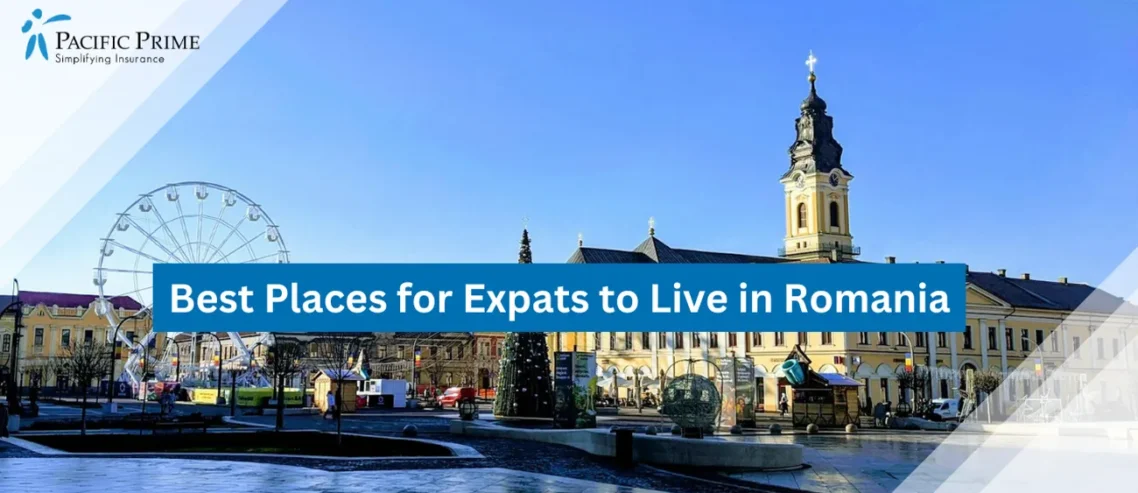
Romania is the perfect destination for expats who love history and want to experience Europe with a lower cost of living. Romania features architecture from the Medieval, renaissance, and other time periods. Its fast, reliable internet is perfect for digital nomads and remote workers.
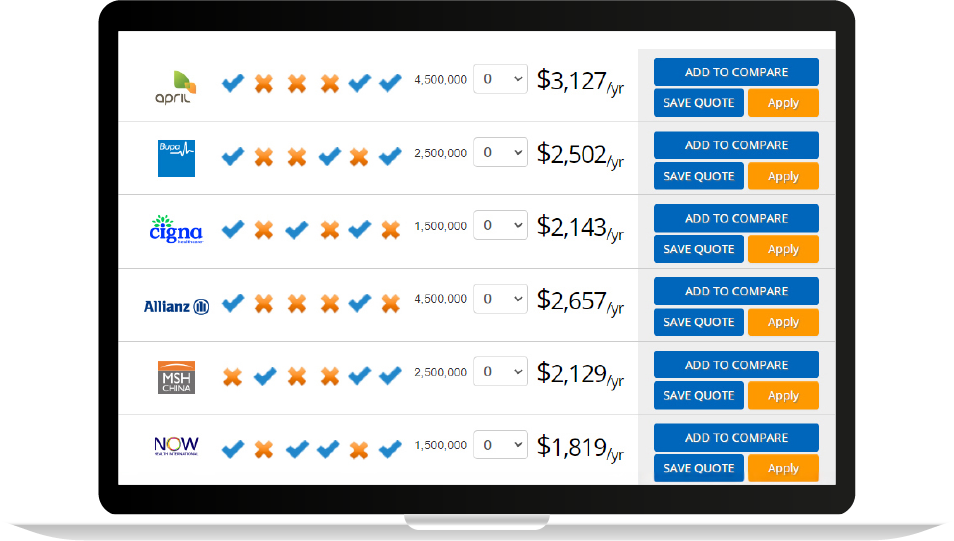
Discover the world’s top
health insurers.
Compare quotes with
a click of the button.
Are you looking for the best place to live in Europe? Consider Romania, with its lower cost of living and ties to legends like Count Dracula.
In this article, we’ll list the eleven best places for expats and Romania and a few things you should know about healthcare in the country.
16 Best Places for Expats to Live in Romania
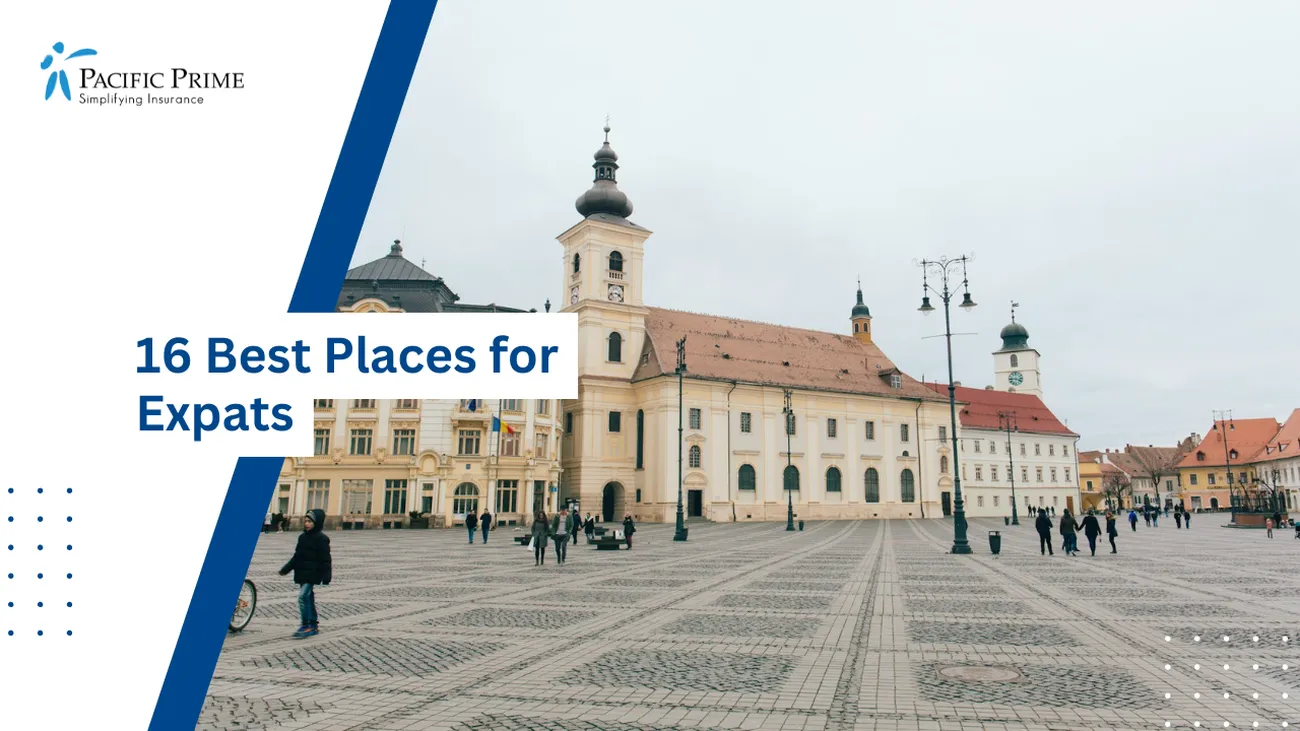
Romania is a magical place for expats to live and explore in Romania. Depending on your priorities, there are many great cities for expats and digital nomads. Romania offers fast, reliable internet for digital nomads and a lower cost of living than most of the European Union.
You won’t want to miss the majestic Carpathian Mountains or the legendary forest of Transylvania in Romania. While most of Romania has traffic congestion problems, you’ll be enchanted by the medieval architecture and fascinating history of the area.
If you decide that Romania isn’t the place for you, don’t hesitate to explore options in Bulgaria or Lithuania.
Brasov
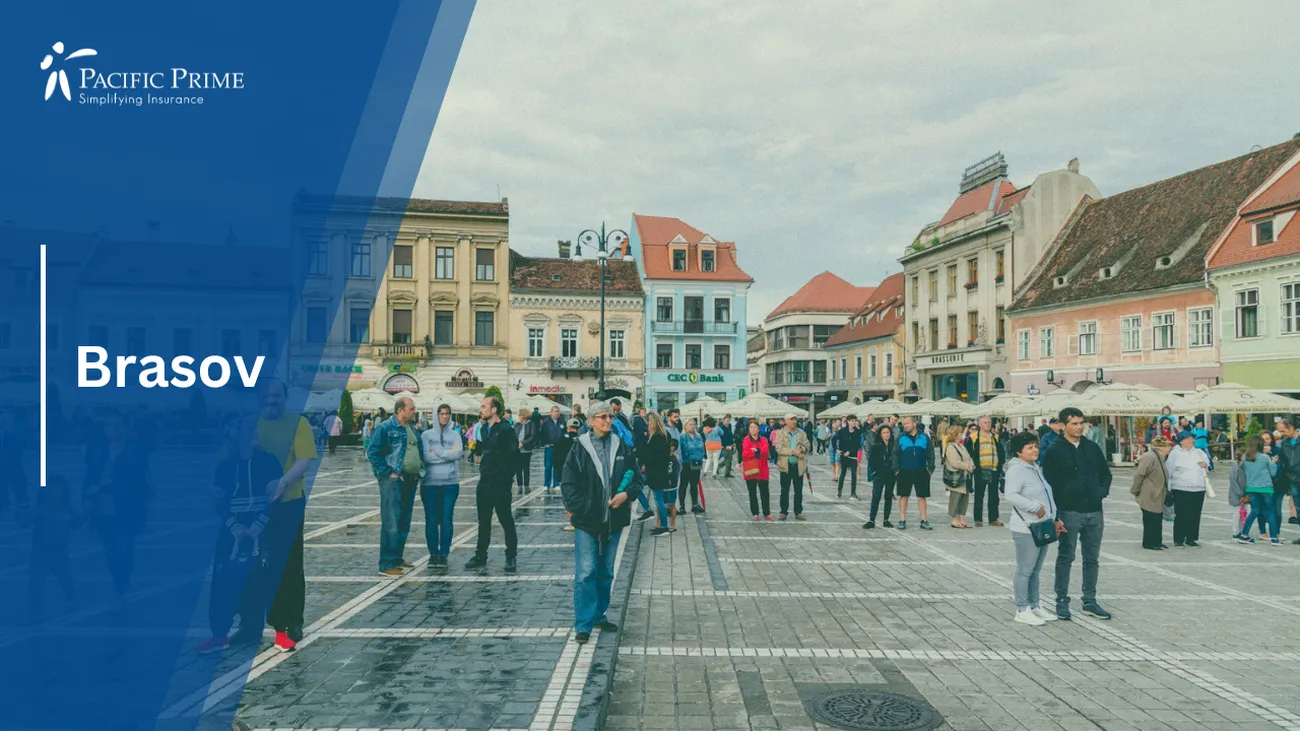
Brasov is the best city for expats who want access to nature in Romania. It’s seated right next to the Carpathian mountain range with opportunities for hiking and exploring. It’s also a pretty clean city with the best winter-sport adventures available.
Brasov has the benefit of being pretty close to the capital city. Due to the tourist attractions, it also has English speakers.
Don’t Miss
While in Brasov, you won’t want to miss the famous Bran Castle, also known as Count Dracula’s Castle. It’s set in the gorgeous surroundings of Transylvania. It was built in 1388, and filled with history and character.
You will also want to see Peles Castle, about an hour south of the city. The castle has neo-Renaissance architecture and a museum within. The surrounding area offers summer hikes and winter skiing.
Listed below are some interesting places to visit and things to do:
- Black Church: The largest Gothic church in Romania, with a stunning interior and historic organ.
- Tampa Mountain: Hike or take the cable car for panoramic views of the city and surrounding area.
- Bran Castle: Just a short drive from Brașov, it’s famously linked to the Dracula legend.
Poiana Brașov: A top ski resort in the winter and a hiking destination in the summer.
Drawbacks to Consider
Brasov doesn’t have many green areas within the city. It also has a problem with traffic. Expats hoping for nightlife will need to travel to the capital city.
Listed below are some drawbacks to consider:
- Tourist Overload: Popularity among tourists can make the city crowded, especially during holidays.
- Cold Winters: The city experiences long and chilly winters, which might not appeal to everyone.
- Limited Nightlife: While there are some bars and clubs, the nightlife scene is quieter compared to larger cities like Bucharest.


Cluj-Napoca
Cluj-Napoca is another great city for expats because of the number of English speakers. It’s an excellent place for business, studies, and culture. The city’s administration is better than many other cities in Romania.
Cluj-Napoca is home to ten different universities and the Transylvania Film Festival. The young population makes Cluj-Napoca a pretty welcoming place for foreigners.
Don’t Miss
Cluj-Napoca is home to one of the most stunning botanical gardens, the Gradina Botanica. It has extensive paths and features Japanese-inspired architecture and gardening.
Listed below are some interesting places to visit and things to do:
- Central Park: A serene spot perfect for picnics, with a small lake and plenty of walking paths.
- Botanical Garden: A well-maintained garden with a variety of plants, greenhouses, and a Japanese garden.
- Electric Castle Festival: A popular music festival held annually in a nearby castle, attracting big names in the industry.
- Cluj Arena: Hosting sports events and concerts, it’s a central hub for entertainment in the city.
Drawbacks to Consider
Cluj-Napoca, like the capital city, has a traffic problem. The city has very few green spaces but is more affordable than many European cities.
Constanta
Constanta is a seaside treasure. It’s perfect for expats who want beaches and warm summers. It has some fabulous public transportation. Constanta also offers arguably the best seafood in Romania and the famous Neversea festival.
Don’t Miss
Mamaia is a charming seaside resort. At Mamaia, you can find windsurfing lessons and beautiful beaches.
Listed below are some interesting places to visit and things to do:
- Mamaia Beach: A popular destination in the summer, with sandy beaches and vibrant nightlife.
- The Casino: An iconic, though currently abandoned, Art Nouveau building with stunning seaside views.
- Roman Mosaic Edifice: Ancient ruins that showcase the city’s rich history.
- Constanța Dolphinarium: A great spot for families, with dolphin shows and a small zoo.
Drawbacks to Consider
Constanta can get crowded during the summer months. It’s also not very clean, and it lacks access to quality healthcare. Constanta can be a more expensive place to live during the summer months.
Listed below are some drawbacks to consider:
- Seasonal Economy: Many businesses close in the off-season, which can make the city feel quieter and less lively in the winter.
- Tourist Crowds: During peak summer months, the beaches can become overcrowded.
- Weather Extremes: Winters can be harsh with strong winds, and summers can get uncomfortably hot.
Timisoara
Timisoara was named a 2023 Capital of Culture in Europe, so it’s no wonder it’s a great place for expats who want art galleries, museums, and other experiences near their homes. Due to some of the highest internet speeds in Europe, Timisoara is a wonderful place for digital nomads.
The city is pedestrian-friendly and offers widely available free Wi-Fi. There are also a lot of English speakers in the city. It’s truly a haven for remote workers.
Don’t Miss
You’ll want to visit places like Liberty Square and the Orthodox Metropolitan Cathedral in Timisoara. The cathedral has a stunning design right out of history.
Listed below are some interesting places to visit and things to do:
- Unirii Square: A picturesque square surrounded by colorful baroque buildings and cafes.
- Bega River: The riverside offers walking and cycling paths, as well as boat tours.
- Revolution Memorial: A museum dedicated to the 1989 revolution, providing deep insights into Romania’s recent history.
- Art Encounters Biennial: A significant contemporary art event that attracts artists and visitors from around the world.
Drawbacks to Consider
Timisoara is not a clean city, it has traffic problems, and the cost of living is low, but so are the wages when employed locally.
Listed below are some drawbacks to consider:
- Urban Expansion: Rapid development can sometimes lead to construction noise and disruption.
- Public Transport: While decent, it may not be as extensive as in other major cities like Bucharest.
- Language Barrier: While English is widely spoken, some older residents may only speak Romanian or Hungarian.
Bucharest
Bucharest, nicknamed “Little Paris,” is the capital city of Romania and is a great place for expats since there are English speakers in the city and a relatively low cost of living. Digital Nomads will be satisfied with the internet speeds in the city.
As the bustling capital of Romania, Bucharest offers a wealth of cultural experiences, restaurants, and shops.
Don’t Miss
While in Bucharest, make sure you see the Romanian Athenaeum. It’s a famous concert hall with a gorgeous domed roof and unique architecture. It also houses the George Enescu Philharmonic Orchestra and its festival.
Listed below are some interesting places to visit and things to do:
- Old Town (Lipscani District): A lively area filled with cafes, restaurants, and historic architecture.
- Palace of the Parliament: The second-largest administrative building in the world, offering guided tours.
- Herăstrău Park: A large park with a lake, ideal for relaxing or taking a boat ride.
- Cultural Events: Bucharest hosts numerous festivals and events, like the Enescu Festival and Art Safari.
Drawbacks to Consider
Bucharest is not considered a clean city. In fact, it’s known to be a little dirty and very polluted. You’ll also experience a lot of traffic congestion. Ensure you have a plan to access medical care in nearby countries since Bucharest is not known for its medical infrastructure.
Listed below are some drawbacks to consider:
- Traffic Congestion: Bucharest is known for heavy traffic, especially during rush hours.
- Air Quality: Pollution can be an issue, particularly in the winter months when heating demands increase.
- Limited Green Spaces: Despite some beautiful parks, green areas are relatively sparse in comparison to the city’s size.
Iasi
Iasi is the perfect place for expats who want a city with a rich history because Iasi was named the Historical Capital of Romania. Iasi is a clean, safe city with one of the highest qualities of life.
Don’t Miss
You’ll want to take a trip to Probota Monastery, also known as one of the painted monasteries. It’s only an hour and a half from Iasi by car. The monasteries feature outdoor murals from the 15th and 16th centuries.
Listed below are some interesting places to visit and things to do:
- Palace of Culture: A grand building housing four museums, with impressive architecture and history.
- Copou Park: A historic park with old trees, the Eminescu Linden Tree, and a peaceful atmosphere.
- The Metropolitan Cathedral: A stunning place of worship and the largest Orthodox church in Romania.
- University of Iași: One of the oldest and most prestigious universities in the country, with beautiful grounds.
Drawbacks to Consider
It isn’t as convenient to access other cities from Iasi, but it still suffers from traffic congestion.
Listed below are the drawbacks:
- Job Market: The local economy is growing, but job opportunities for expats can be limited, especially outside the IT sector.
- Distance from Major Cities: Being farther from other major Romanian cities can make travel more time-consuming.
- Smaller Expat Community: Fewer expats compared to cities like Bucharest or Cluj-Napoca, which might make it harder to find a like-minded community.
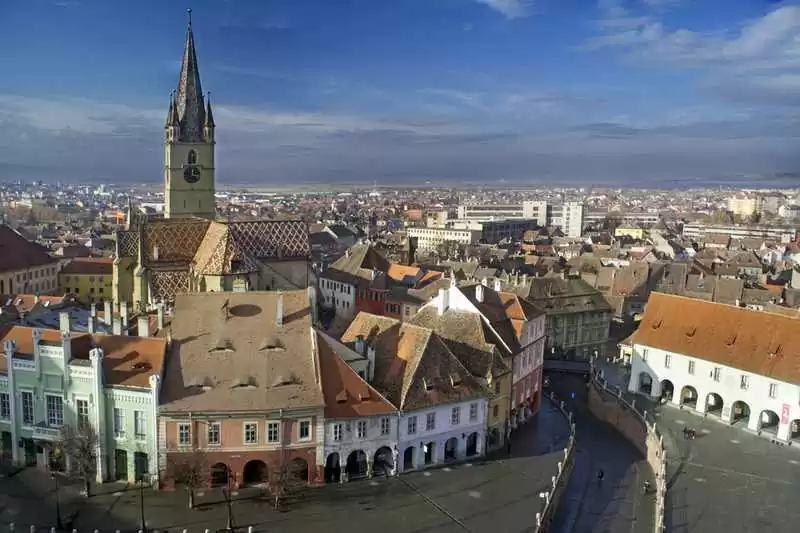
Oradea
Oradea is on the Art Nouveau European Route, so it’s the perfect place for expats who want to see art across Europe. It is one of the safest cities in Romania, and it has plenty of English speakers.
Compared to the rest of Europe, Oradea has a lower cost of living.
Don’t Miss
In Oradea, you’ll find the Oradea Fortress. It’s a magnificent star-shaped building that’s been reconstructed and contains the city’s history.
Stop by the Black Eagle Palace, a shopping gallery in Oradea. It’s one of the best representations of Secession-style architecture. It features breathtaking stained glass windows and an elaborate spire with a clock tower.
Listed below are some interesting places to visit and things to do:
- Art Nouveau Architecture: The city boasts a rich collection of Art Nouveau buildings, including the Black Eagle Palace.
- Thermal Baths: Known for its thermal springs, Oradea offers several spa resorts for relaxation.
- Crisul Repede River: A scenic river running through the city, ideal for a peaceful walk or a boat ride.
- Oradea Fortress: A well-preserved fortress with a rich history and cultural events.
Drawbacks to Consider
Oradea doesn’t have good drinking water, so residents must plan around that. It’s also not a very clean city.
Listed below are some drawbacks to consider:
- Industrial Legacy: Parts of the city still show signs of its industrial past, which can detract from the otherwise charming environment.
- Limited Public Transport: The public transportation system is not as extensive as in larger cities.
- Slow Pace of Life: While this may appeal to some, those looking for a bustling city atmosphere may find Oradea too quiet.
Bacau
Bacau is a little further off the tourist track in Romania. It’s perfect for expats seeking a quieter experience in a less polluted city. It has more parks than many other cities on the list and features Gothic-style architecture.
Don’t Miss
While in Bacau, see a performance at the Teatrul Municipal Bacovia. The theater was founded in 1948 and is one of the most prestigious theaters in Romania.
It’s also close to many of the painted monasteries in the region, so be sure to explore those when you have the chance.
Listed below are some interesting places to visit and things to do:
- Mărgineni Park: One of the city’s most beautiful green spaces, perfect for leisurely walks and outdoor activities.
- George Bacovia Memorial House: A museum dedicated to the life and work of one of Romania’s most famous poets.
- Bacău Observatory: An excellent spot for stargazing and learning more about astronomy, especially during clear nights.
- The Orthodox Cathedral: A stunning piece of architecture, one of the largest in Romania, offering a glimpse into local religious traditions.
Drawbacks to Consider
Bacau has a smaller expat community than many of the other cities. Since it isn’t a big tourist destination, you may also find fewer English speakers.
Listed below are some drawbacks to consider:
- Limited Nightlife: The city has a quieter atmosphere, which might be a drawback for those seeking a vibrant social scene.
- Economic Development: Bacău’s economy is less dynamic compared to larger cities, which may limit job opportunities for expats.
- Limited Public Transportation: Public transport options are more limited, and the city’s infrastructure is still developing, which can be a challenge for getting around.
Alba Iulia
Alba Iulia is a little gem in the heart of Transylvania. For expats, it’s well-connected to other cities. Recently the infrastructure was updated to make the city more tourist-friendly and equip it with modern amenities. It also has a relatively low cost of living.
Don’t Miss
Corvin Castle, or Hunyadi Castle, is only a one-hour drive from Alba Iulia. It’s the largest medieval castle in Transylvania and one of the largest castles in all of Europe. Legends suggest Vlad the Impaler was imprisoned here.
Listed below are some interesting places to visit and things to do:
- Alba Carolina Citadel: A star-shaped fortress that is one of the most well-preserved and largest in Romania, with historical reenactments and museums.
- Union Hall: A significant historical site where the union of Transylvania with Romania was declared in 1918.
- Museikon: A museum showcasing religious icons and church artifacts, providing deep insights into Romanian spiritual culture.
- Apulum Roman Castrum: Explore the remnants of a Roman military camp that once stood here, offering a glimpse into ancient history.
Drawbacks to Consider
Alba Iulia doesn’t have as many English speakers as the capital or Cluj-Napoca. The local community is also less receptive to outsiders.
Listed below are some drawbacks to consider:
- Cultural Isolation: The local community can be somewhat insular, making it more challenging for newcomers to integrate.
- Job Market: The city’s small size and limited industries may result in fewer job opportunities, particularly for those seeking work in specialized fields.
- Weather Extremes: The region can experience hot summers and cold winters, which might not appeal to everyone.
Tagru Mures
Tagru Mures has a reputation for its flower gardens. It’s a little oasis in Romania for expats who want safety and good air quality. There’s still enough English in the city to get by, and it has a low cost of living.
Don’t Miss
The Zoo Tigru Mures should be added to your destination list. It’s a zoo with wide open spaces and a varied collection of animals.
Listed below are some interesting places to visit and things to do:
- Palace of Culture: A beautiful example of Art Nouveau architecture, home to concerts, exhibitions, and a stunning mirrored hall.
- Târgu Mureș Fortress: A historical site that offers a peaceful park and panoramic views of the city.
- The Roses Park: Known for its stunning rose gardens, it’s a perfect place for a peaceful stroll or a weekend picnic.
- The Medieval Festival: Held annually, this festival brings history to life with reenactments, crafts, and performances.
Drawbacks to Consider
Tagru Mures lacks education opportunities and healthcare resources. It also suffers from traffic problems and low-quality roads.
Listed below are some drawbacks to consider:
- Healthcare Limitations: While the city has medical facilities, they may not meet the standards expats from larger cities are used to.
- Road Infrastructure: The roads can be poorly maintained, leading to traffic congestion and delays.
- Lack of International Schools: Families with children may find the options for international education limited compared to other Romanian cities.
Sibiu
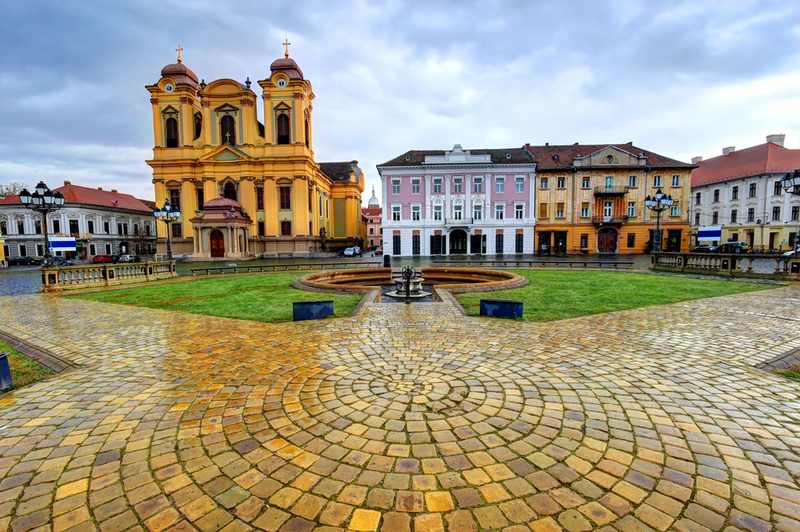
Sibiu is surrounded by the Carpathian Mountains, so it has plenty of outdoor adventures awaiting expats. The mountains make for a picturesque horizon surrounding the city. It’s also brimming with medieval architecture and friendly locals. Sibiu is pedestrian-friendly.
Don’t Miss
While in Sibiu, walk across the Bridge of Lies, see the Large Square, and visit the 13th Century Council Tower.
Listed below are some interesting places to visit and things to do:
- ASTRA Open-Air Museum: One of Europe’s largest open-air museums, offering insights into Romanian rural life with over 300 buildings.
- Sibiu International Theatre Festival: A major cultural event that attracts performers and visitors from around the world.
- Sub Arini Park: One of the oldest parks in Romania, perfect for jogging, cycling, or a relaxing day out.
- Cisnădioara Fortified Church: A short drive from Sibiu, this historic church offers stunning views and a rich history.
Drawbacks to Consider
Sibiu shares the traffic problems of other cities on our list and has limited nightlife experiences. Some travel bloggers also report Sibiu feels less safe than other cities on the list.
Listed below are some drawbacks to consider:
- Tourist Crowds: The city’s popularity can lead to overcrowding, particularly during the summer months and major festivals.
- High Cost of Living: As one of the more affluent cities in Romania, living costs in Sibiu can be higher than in other regions.
- Seasonal Weather: While the mountains offer outdoor activities, the cold winters can be harsh, which might not be suitable foreveryone.
Sighișoara
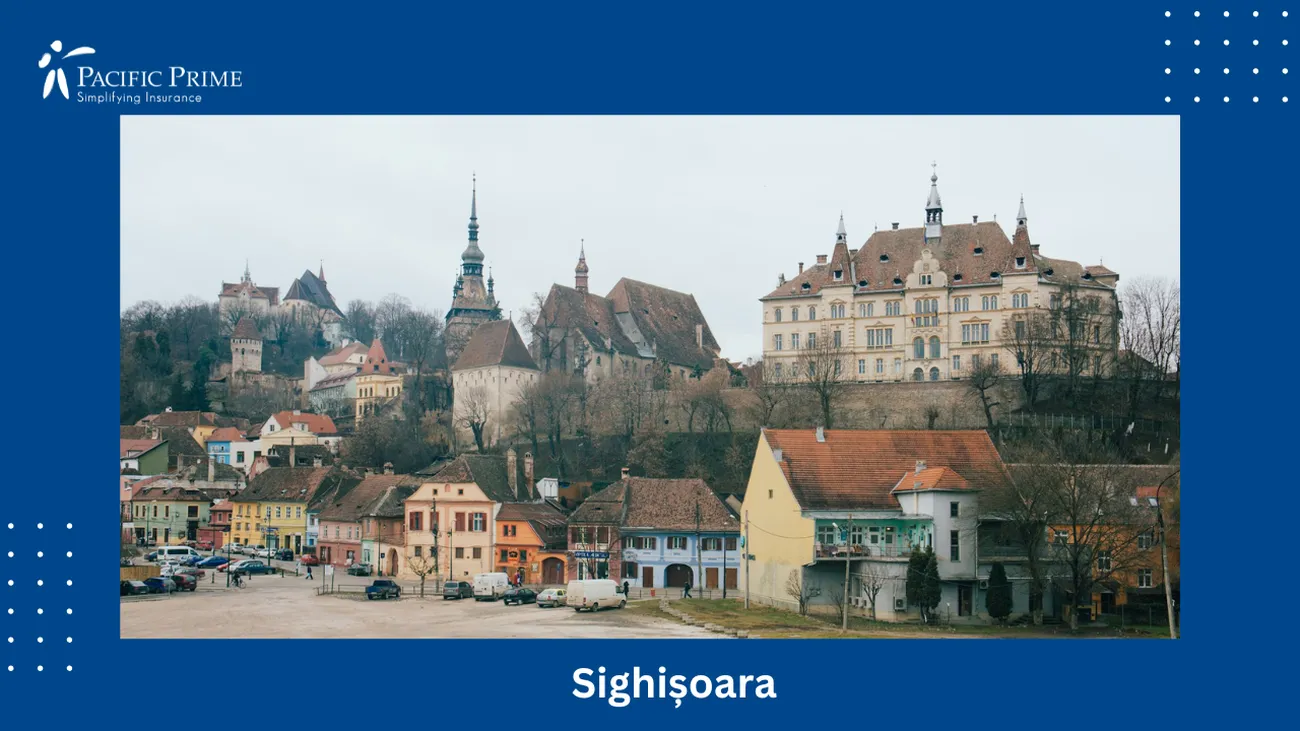
Sighișoara is a picturesque medieval town that seems to have stepped out of a fairy tale. Ideal for expats seeking a slower pace and a deep dive into Transylvanian history, this UNESCO-listed citadel offers charming cobbled streets and timeless architecture.
Don’t Miss
While in Sighișoara, you’ll want to explore the narrow alleys and steep staircases that lead to breathtaking views of the old town.
Listed below are some interesting places to visit and things to do:
- Clock Tower: Climb this iconic landmark for panoramic views of the surrounding countryside.
- Vlad Dracul House: Discover the birthplace of one of history’s most legendary figures.
- Medieval Museum: Get a glimpse into the rich past of this storied town.
- Old Town Square: Enjoy a coffee at one of the quaint cafés while watching daily life unfold.
Drawbacks to Consider
Sighișoara can become particularly crowded during peak tourist seasons, and job opportunities might be more limited for those outside the tourism and service sectors.
Listed below are some drawbacks to consider:
Seasonal Crowds: Expect increased foot traffic and higher prices in the summer.
Limited Modern Amenities: While steeped in history, modern conveniences may be fewer than in larger cities.
Suceava
Suceava, located in the historic region of Moldavia, is an excellent destination for expats who appreciate a mix of tradition and tranquility. With its proximity to famous painted monasteries and a relaxed pace of life, Suceava provides a unique blend of culture and history.
Don’t Miss
In Suceava, exploring the local fortress and nearby monasteries is a must for anyone interested in Romania’s religious heritage and historical legacy.
Listed below are some interesting places to visit and things to do:
- Suceava Fortress: Wander through ancient walls that tell tales of past battles.
- Saint John the New Monastery: Admire the spiritual and architectural beauty of this religious site.
- Local Markets: Experience the flavors and crafts of the region at traditional bazaars.
- Scenic Countryside: Take day trips to the iconic painted monasteries of Moldavia.
Drawbacks to Consider
While rich in history, Suceava’s nightlife and modern entertainment options may be limited compared to larger cities.
Listed below are some drawbacks to consider:
Limited Nightlife: A quieter social scene might not suit everyone’s tastes.
Transport Challenges: Public transport options can be sparse outside the city center.
Arad
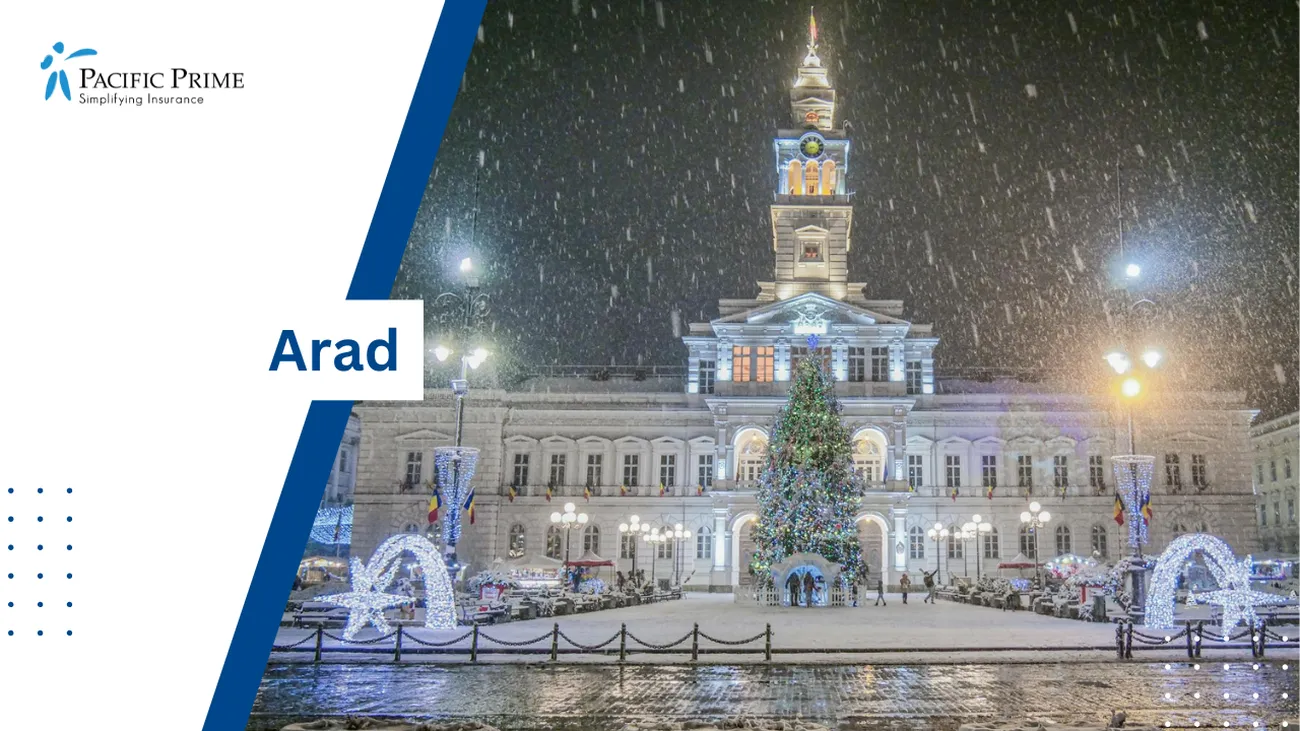
Arad, situated near Romania’s western border, offers a multicultural environment paired with elegant historical architecture. Perfect for expats who appreciate a blend of tradition and emerging modernity, Arad is slowly carving its place on the expat map.
Don’t Miss
Arad’s vibrant cultural scene and architectural gems make it an engaging destination. Local festivals and community events often bring the city’s streets to life.
Listed below are some interesting places to visit and things to do:
- Arad Fortress: Explore the remains of fortifications that speak to the city’s storied past.
- Central Park: A lovely spot for a leisurely walk or an afternoon picnic.
- Cultural Events: Enjoy local theatre productions and community festivals.
- Historical Districts: Discover the mix of neoclassical and Art Nouveau buildings that line the city streets.
Drawbacks to Consider
Though steadily modernizing, Arad still faces challenges such as a smaller expat community and pockets where English isn’t widely spoken.
Listed below are some drawbacks to consider:
Smaller Expat Community: It may take time to find a network of like-minded individuals.
Language Barrier: Outside tourist areas, English is not as prevalent.
Ploiești
Ploiești, just a short drive from Bucharest, is known for its industrial history and evolving urban landscape. Ideal for expats seeking proximity to the capital along with a more affordable cost of living, Ploiești offers a dynamic mix of business and culture.
Don’t Miss
The city’s transformation is visible through its museums and revitalized urban spaces that honor both its heritage and future ambitions.
Listed below are some interesting places to visit and things to do:
- The Oil Museum: Delve into the fascinating history of Romania’s oil industry.
- Central Park: Enjoy green spaces perfect for relaxation or an afternoon stroll.
- Historic City Center: Explore restored buildings and lively local cafés.
- Art Galleries: Discover emerging local artists in intimate gallery spaces.
Drawbacks to Consider
Ploiești’s industrial background means some areas might not have the charm of more historic cities, and traffic can be challenging during peak hours.
Listed below are some drawbacks to consider:
- Industrial Legacy: Some neighborhoods still reflect the city’s manufacturing past.
- Rush Hour Traffic: Commuting can be frustrating during busy periods.
Târgoviște
Târgoviște, with its rich medieval past and notable historical landmarks, is a hidden gem for expats who appreciate history and a quieter urban lifestyle. This city is perfect for those looking to live amidst relics of Romania’s storied past while enjoying modern comforts.
Don’t Miss
The historic Chindia Tower stands as a testament to Târgoviște’s former glory, and local festivals breathe new life into the old town.
Listed below are some interesting places to visit and things to do:
- Chindia Tower: Climb this iconic medieval tower for striking views and a taste of local legend.
- Old Princely Court: Walk through the ruins of a once-mighty center of power.
- Local Festivals: Experience traditional music, dance, and cuisine during annual celebrations.
- Heritage Museums: Gain insight into the city’s past through engaging exhibits.
Drawbacks to Consider
While Târgoviște offers a rich cultural backdrop, it may lack some of the modern conveniences and career opportunities found in Romania’s larger cities.
Listed below are some drawbacks to consider:
- Limited Public Transportation: Commuting options may be less developed.
- Fewer Job Opportunities: The local economy is smaller, which might affect career prospects for some expats.
Finding Healthcare in Romania
Make sure you’re covered for your expatriate experiences by getting one of the best international health insurance plans with coverage in Europe.
Even though Romania has poor healthcare, having a health insurance plan that covers private Romanian clinics with higher healthcare quality in general, care in other countries, and medical evacuation can keep you covered while you enjoy living there.
Conclusion
Romania is a place from stories. You won’t want to pass up the lower cost of living and tours of medieval castles as an expat. The internet in Romania is perfect for digital nomads ready to live abroad and explore the world.
If you want to consider more places to live in Europe as an expat, check out this guide.
Frequently Asked Questions
Will Medicaid and Medicare cover me in Romania?
Medicaid and Medicare only offer coverage within the United States and its territories. You will need private travel insurance for coverage abroad, including Romania.
Does Romania have good medical care?
Romania doesn’t offer the same quality of care that you’ll find in other regions of the European Union. Rural areas of Romania, especially, have too few doctors. People with private insurance can be seen at private hospitals and clinics, which offer better care.
Serena earned her Bachelor’s Degree in Psychology from the University of British Columbia, Canada. As such, she is an avid advocate of mental health and is fascinated by all things psychology (especially if it’s cognitive psychology!).
Her previous work experience includes teaching toddlers to read, writing for a travel/wellness online magazine, and then a business news blog. These combined experiences give her the skills and insights she needs to explain complex ideas in a succinct way. Being the daughter of an immigrant and a traveler herself, she is passionate about educating expats and digital nomads on travel and international health insurance.
- How to Compare Travel Insurance Plans the Smart Way – October 21, 2025
- Best Hospitals in the UAE: Top Picks in Dubai and Abu Dhabi – October 21, 2025
- How Much is a Doctor Visit in Dubai Without Insurance? – October 21, 2025



Comments