300x85-png.webp)


 Hong Kong
 Singapore
 China
China Dubai
Dubai Thailand
 United Kingdom
 Mexico
When designing employee benefit plans, it’s important to know your employees’ demographics and preferences as well as your company’s priorities, whether it’s recruiting new hires, retaining talent, or attracting seasoned workers.
Discover the world’s top
health insurers.
Compare quotes with
a click of the button.
Are you putting together your company’s employee benefits package for the first time? Or are you an employee trying to compare the benefits offered by top companies?
In this Pacific Prime article, we lay out the steps of planning employee benefits packages that appeal to your employees, explain how to structure your benefit plan, and describe some of the latest benefit trends in 2025.
Steps in Designing an Employee Benefits Plan
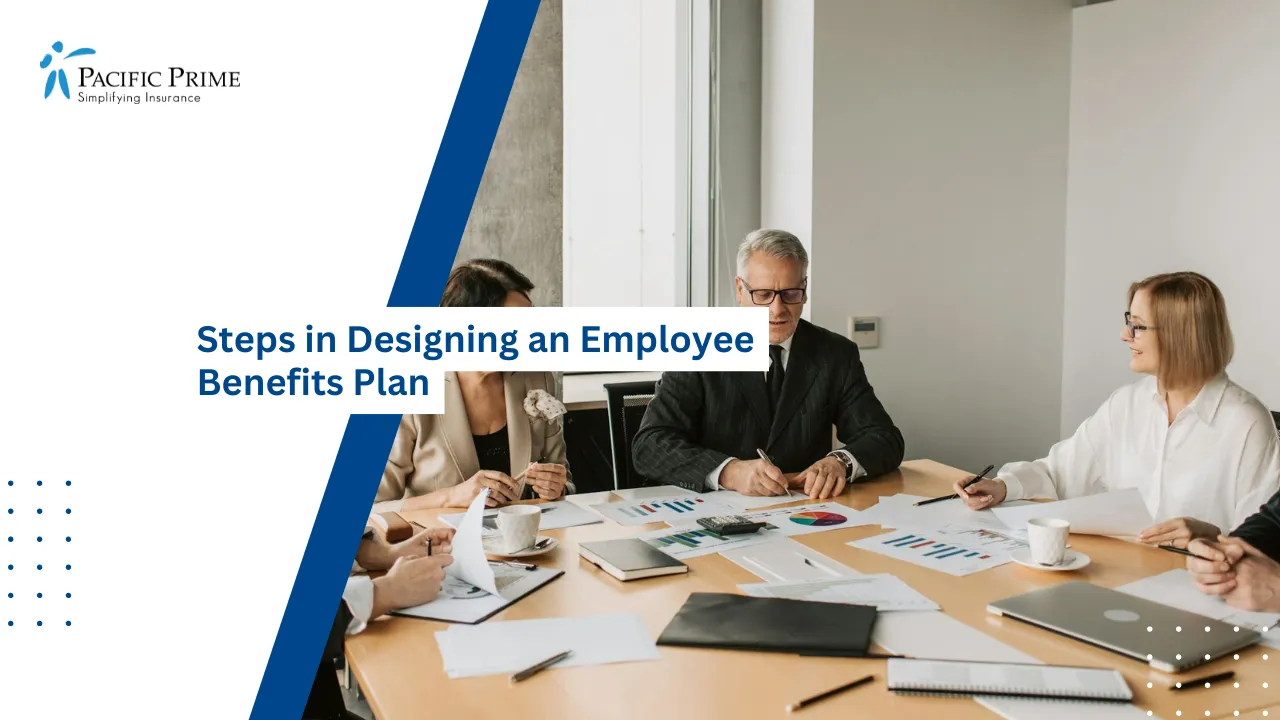
Before creating your employee benefits plan, determine your company goals. With that information, you can then select the benefits that cater to your employees’ needs and which align with your company budget.
Here are some steps on how to design an employee benefits plan:
Step 1 to Creating a Great Employee Benefits Package: Research Current Benefits Trends
The most common employee benefit is health benefits. Because of rising medical costs and inflation, employees need better health protection now more than ever. Look into what health benefits can be offered to your employees and understand their importance.
Beyond health insurance, companies looking to recruit and retain top talent offer benefits such as mental health coverage, wellness benefits, flexible scheduling, retirement benefits, flexible time off, and generous parental leave.
You can learn more about the latest trends from Pacific Prime’s 2024 Global Employee Benefits Trend Report, where we provide an overview on the five most important employee benefits trends that business leaders and HR professionals should look into.
Step 2 to Creating a Great Employee Benefits Package: Consider Employee Compensation Trends
Research how other companies in your industry are compensating their employees. Since your employees will do the same when job hunting from outside or inside your company, this will help you have an edge in hiring and retaining talent.
Keep in mind that compensation can come in the form of wages, bonuses, and tips (monetary compensation) or in the form of non-monetary benefits like health insurance and wellness plans. Ensure you are collecting information on more than just starting salaries or sign-on bonuses of other companies.
Ask these questions and find the answers for other employers in your industry:
- What does monetary compensation look like in the industry?
- What types of health insurance plans, if any, are being offered?
- Do other companies offer retirement plans, 401K benefits, or pension plans?
- Are the other companies offering paid time off for vacation, medical, family, etc?
- Do other companies allow their employees to work from home? How often?
- Do other companies offer disability, dental, or vision insurance packages?
- Do other companies offer life insurance?
- Do other companies offer childcare benefits?
To help you get started in looking into your current benefits offering, seek out an insurance broker to do an impartial review of what you’re already offering. This can help you in narrowing down which benefits to put your focus on and add any that’s deemed necessary.
Further reading: 10 Employee Benefits For Small Business in 2025
Step 3 to Creating a Great Employee Benefits Package: Seek Employee Input
Talk to your employees to gather their insights on what benefits they enjoy and which they don’t use. Don’t waste company resources on unused benefits! Instead, offer benefits that will attract and retain workers in your company’s field.
There are a variety of ways to gather employee input, including:
- Anonymous surveys may help many employees be more honest
- One-on-one meetings if employees have a good rapport with management
- Large group meetings if appropriate for the work culture and employee dynamics
- Other forms of communication like emails
Decide what method will work for your company and its employees. Your data will only be as good as it is accurate and complete. Consider the age, gender, ethnicities, and other backgrounds to get a full understanding of what your employees need.
Step 4 to Creating a Great Employee Benefits Package: Decide What Benefits To Offer
Once you know what your employees want and understand the whole landscape in your industry, you can make an informed decision on which benefits to offer. To free up money for better benefits, eliminate unused benefits or benefits that aren’t contributing to hiring and retention.
Step 5 to Creating a Great Employee Benefits Package: Utilize an Insurance Broker
We recommend using a broker to secure group benefits like health insurance, life insurance, and disability insurance. A broker will negotiate on your behalf with larger insurance companies to secure the best plans and flexibility for your company’s employee benefits.
The other benefit of using a broker is that they can work with multiple insurance providers on behalf of your company and its employees. If you use a broker, you’ll want to use one of the best benefits brokers in today’s industry.
Further reading: Employee Benefits Consulting– Strategy and Brokin
Best Practices For Designing An Employee Benefits Plan
Offer Benefits that are Inclusive
Inclusive employee benefits cater to all your employees’ diverse needs. Seek out employees of different ages, gender, ethnicities and other backgrounds to get a better understanding on what benefits would meet their needs.
Once you understand which benefits best suit your employees, look into competent insurers who can easily administer these benefits and support all your employees. It’s important to look into how effectively they can work to ensure employees are receiving full support.
Make Personalization Easy
Some ways to make personalization easy and effective is to introduce flexible benefits plans. This allows your employees to choose from a variety of benefits and tailor-make their own plan that works best for them.
Providing your employees with a user-friendly platform is a great way to ensure that your employees can easily access their benefits, have clear information provided, and view their payroll record for their reference.
Measure and Monitor Benefit Usage
After implementing new employee benefits packages, reevaluate the benefits periodically to keep them competitive and useful. Continue to eliminate underutilized benefits in favor of more advantageous and popular ones.
Reflect on the objective behind updating the benefits package. Is it helping the company meet its objective?
If the company’s objective needs to shift after changes in the labor market, be prepared to see whether or not your plan needs to be updated to meet your company’s new goal.
As the workforce turns over and adapts, desirable benefits packages are also likely to change. This means that keeping your employee benefits offerings competitive is an ongoing process.
Provide Updates on Benefits Regularly
To maximize the potential for use of employee benefits, make sure your employees know what their benefits are. Whether your objective is hiring competitively, retaining talent, or a mixture, come up with literature and videos to educate employees. Make sure someone can answer questions.
It’s helpful to access a benefits portal that streamlines updates and changes to employee selections. This portal will simplify life for everyone in the business because Human Resources will be able to smoothly track everything.
Some of the best ways to educate employees about benefits packages include:
- Keep materials and messaging simple and easy-to-follow
- Hold live question-and-answer sessions
- Use established communication channels like email, Slack, or social media to send information and answer questions
- Educate and engage employees by sharing the total compensation package amounts
- Have a website or app for employees to check or manage their benefits
This is another opportunity to hear from employees about what method works best so you save time, energy, and resources by sticking to what works best to communicate about the employee benefits packages.
Frequently Asked Questions
What are employee benefits trends in 2025?
With rising healthcare costs, employee benefits that address health, disability, and life insurance are becoming increasingly popular in 2025. Employees are also looking for wellness programs that will help address burnout and work stress.
How do you create an employee benefit plan?
Start by figuring out the objective behind your employee benefit plan. After that, look into what benefits are trending and ask for your employees input on what they need. These are important steps to get you started in creating your benefit plan.
What benefits do employees want most?
Most often, employees want benefits that address their health concerns because of rising medical costs and inflation. Taking care of your employees’ health and wellness is one of the best ways to have their needs met.
What should employers do to retain talent?
To retain talent, employers should show that they care about their employees. Aside from providing a comprehensive benefits plan, employers should also review salaries to ensure that employees are being compensated fairly. Fair compensation means employees are paid equal pay for equal work.
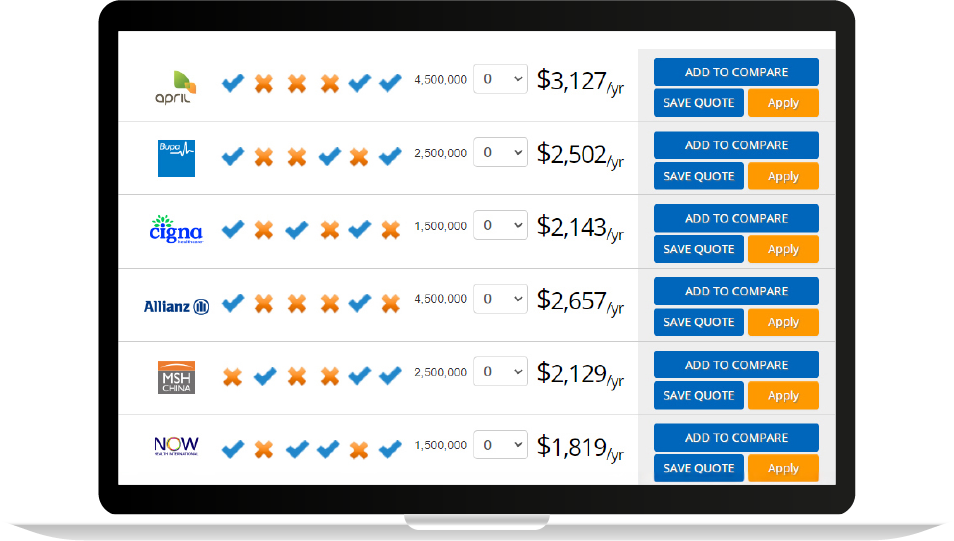
Start Planning Your Employee Benefits Plan With Us!
The standard employee benefits are not enough to attract and retain talents. We should look into how we can provide better benefits for employees and show that we care. Ready to start designing your employee benefits plan? Have Pacific Prime help you!
Pacific Prime has over 20 years of experience and we have partnered with reputable insurers to provide you with the best solutions for your business.
Contact us today for advice on your employee benefits plan!

Jantra curates and reports on the results of Pacific Prime’s monthly newsletters, as well as manages Pacific Prime’s Deputy Global CEO’s LinkedIn posts. Complemented by her background in business writing, Jantra’s passion for health, insurance, and employee benefits helps her create engaging content – no matter how complex the subject is.
Growing up as a third-culture kid has given her a multicultural perspective that helps her relate to expats and their families while 8 years of working remotely have given her unique insight into hybrid work arrangements and enthusiasm for employee benefits.
- Jobs in Italy for Americans: Visa, Salary & Career Guide – October 15, 2025
- Healthcare in Singapore vs USA : Funding, Coverage, and Key Differences – August 15, 2025
- Living Abroad in the Philippines : Costs, Visas, and Expat Tips – August 12, 2025
Comments