300x85-png.webp)


 Hong Kong
 Singapore
 China
China Dubai
Dubai Thailand
 United Kingdom
 Mexico
Foreigners in Japan can access health insurance through the country’s public system or by purchasing private international health insurance. If you’re staying for more than three months, you’re required to enroll in either the National Health Insurance (NHI) or the Social/Employee Health Insurance (SHI), depending on your employment status. Short-term visitors and those wanting broader coverage often choose private or international plans.
Discover the world’s top
health insurers.
Compare quotes with
a click of the button.
This guide explains how health insurance works in Japan, the differences between public and private options, eligibility requirements, average costs, and the best providers offering international health insurance. Whether you’re relocating, working, or studying in Japan, understanding your insurance choices is key to ensuring affordable and reliable healthcare during your stay.
Public vs Private Health Insurance in Japan
Medical insurance options include public health insurance and private health insurance plans. The two main public health insurance plans are National Health Insurance (NHI), and Social/Employee Health Insurance (SHI). Private insurance can be bought through international providers.
National Health Insurance (NHI) Overview
Japan’s National Health Insurance (NHI) plans were created for residents who are unemployed, self-employed, work less than 30 hours a week, or students. NHI premiums will vary from person and household and are calculated based on income.
Benefits included in the NHI plan are:
- Hospital Care
- Outpatient Care
- Mental Health Care
- Prescription Drugs
- Home Health Care
- Dental Care
Employee Health Insurance (SHI) Details
The Social/Employee Health Insurance (SHI) plan is available to those working for Japanese employers, including foreign workers. SHI is paid for by contributions from Japanese employers and their employees.
The SHI plan benefits are similar to NHI benefits and offer the coverage below:
- Hospital Care
- Outpatient Care
- Mental Health Care
- Prescription Drugs
- Home Health Care
- Dental Care

Private and International Health Insurance Options
Private health insurance can be purchased in Japan to supplement the coverage already provided by the national plans. A popular choice for foreigners in Japan is international health insurance policies, which offer comprehensive and portable benefits that can be taken globally.
Some common benefits included in international health insurance plans are:
- Inpatient & Outpatient Care
- Cancer Care
- Preventative Health & Wellness Benefits
- Dental Care
- Vision Care
- Optional Maternity Benefits
- Mental Health Care
- Prescription Drugs
- Medical evacuation and repatriation coverage
- Direct billing
- Worldwide coverage (can include your home country)
- 24-hour emergency assistance
- Renewable policies
- Flexibility in choosing providers
- Additional Expat Concierge Services
Top International Insurers for Expats in Japan
International health insurance is a great choice for foreigners in Japan due to its comprehensive and customizable benefits, as well as its wide global network. If you are someone who travels often, an international health insurance policy can be invaluable as it guarantees coverage worldwide.
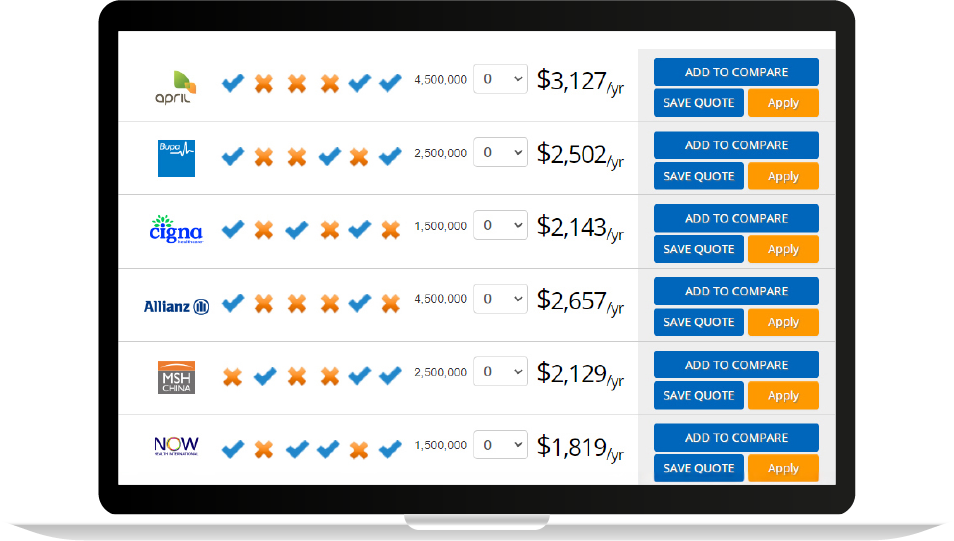
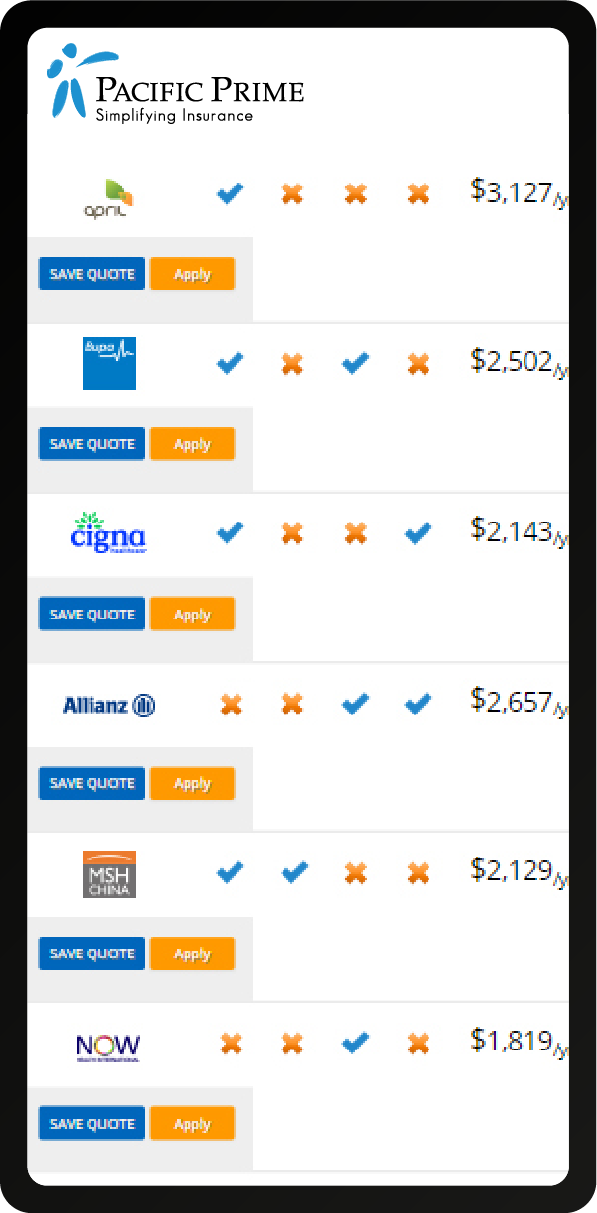
Many international health insurance providers can provide comprehensive coverage to foreigners during their time in Japan and ensure they are taken care of. Here is a list of five of the top international health insurance providers with coverage in Japan:
Visit our website and use our free quote tool to begin comparing plans from these providers today.


Who Can Buy International Health Insurance
International health insurance covers individuals, families, and groups. Whether you are traveling on your own, with your entire family, or with a group, you can secure coverage for your time in Japan.
Types of Global Insurance Plans for Foreigners
Foreigners and expats can choose international health insurance for their long-term travel needs, or they can purchase an international travel medical insurance plan. Travel medical insurance can cover foreigners for shorter periods of time, like under a year.
International health insurance offers a more comprehensive, extensive, and long-term solution to health insurance than travel medical insurance. Travel medical insurance can cover medical emergencies and other inpatient care, but they are generally limited in their coverage.
Japan Health Insurance Cost Breakdown
Your municipality calculates your NHI’s premium based on your annual income of the previous year from January to December. For SHI, your premium will be calculated based on your salary. Your company will pay half of the premiums, and another half will be deducted from your monthly salary.
For private health insurance plans, the cost will vary depending on factors like the level of coverage, the plan chosen, and your age. Japan is among the top 20 countries with the highest health insurance costs, with a premium average of USD $ 5,079 a year.
To learn more about the costs of insurance as well as the factors that affect it, check out Pacific Prime’s free Cost of Health Insurance Report.
Eligibility for Japanese Public Health Insurance
If you are staying in Japan more than 3 months on a non-tourist visa, you are required to apply for the Japanese public health insurance, either the NHI or the Social/Employee Health Insurance, depending on your employment status.
You can apply for the NHI by visiting your local ward or city office. You will need the correct documentation, such as a passport, visa, confirmation of employment, and proof of income from the last year.
Once the application has been processed, you will be issued a health insurance card.
Enrolling in the Social/Employee Health Insurance plan will be done through your employer.

Pros and Cons of Public Health Insurance in Japan
Some of the pros of Japanese health insurance are the high standards of care and lowered medical fees, while the cons can be fewer second medical opinions and stigmatized mental health care. While universal healthcare has some significant advantages, there are drawbacks as well.
Pros:
- High Standards of Care: Japan is well known for its quality healthcare system and standards of medical services. There is an emphasis placed on preventative care, and they value things like vaccinations, regular check-ups, and critical illness prevention.
- Lowered Medical Fees: Because 70% of medical service costs are paid for by universal healthcare plans, foreigners will only have to worry about paying 30% of their medical fees. However, these fees can add up, which makes adding supplemental private insurance coverage smart.
Cons:
- Less Second Opinions: Doctors have much more authority in Japan than in other countries, which means that they generally believe what they say goes without question. Asking for further explanation or a second opinion can warrant some reactions from Japanese healthcare providers.
- Stigmatized Mental Health Care: Japan has a significant issue with stigmatized mental health care, making it difficult for many people to reach out and get treatment without feeling ostracized.
Key Considerations for Expats in Japan
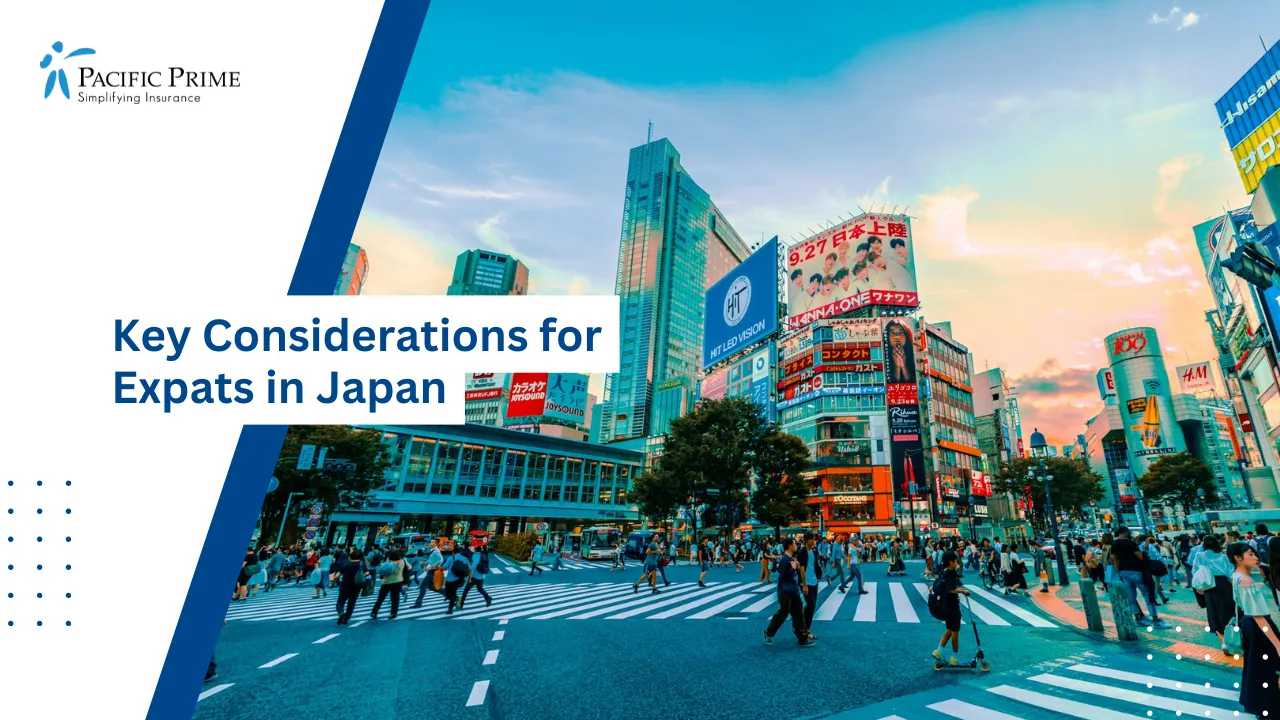
The language barrier is an important consideration for foreigners looking into Japanese health insurance. Not many Japanese healthcare providers speak English, so investing in a private international health insurance policy with language support benefits can help you get the care you need.
With multilingual employees available 24/7 through customer support hotlines, international health insurance companies can help guide you through the process of accessing the care you need. This can be an invaluable tool for those who aren’t fluent in Japanese yet.
How the Japanese Healthcare System Works
The Japanese healthcare system offers excellent standards of care, with an important emphasis placed on preventative healthcare. Public healthcare facilities are generally clean and accessible, though rural locations can have shorter wait times than urban hospitals.
Many Japanese citizens carry private health insurance to help pay the 30% of medical costs left over by their national plans. These savings can add up quickly, and with the additional benefits available through a private plan, it can add great value to Japanese resident’s lives.

Accessing Healthcare in Japan
Foreigners can access the Japanese healthcare system through their public clinics and hospitals. Japanese hospitals are legally required to be not-for-profit, and the private health sector is generally dedicated to elective and cosmetic procedures.
Doctor Visits and Referrals in Japan
Going to the clinic is the first step for a doctor’s visit in Japan, as they are used regularly for non-emergencies. Make sure to have your health insurance card with you.
If, according to your doctor, your condition requires further treatment or assessment in a hospital, you will receive a referral letter for making an appointment with a hospital. Without a referral letter, you might be charged extra fee for non-referral service at the hospital.
Emergency Medical Services in Japan
Foreigners can access emergency services by calling the emergency phone lines. These calls can be made across any phone in Japan free of charge, including public pay phones.
The emergency numbers are:
- 119 for fire and ambulance
- 110 for police
Travel Safety and Vaccination Advice for Expats
Foreigners can stay safe during their time in Japan by staying aware of public transport and nightlife districts in big cities. While crime in Japan is low, pickpocketing can happen on public transport as well as in the nightlife districts.
Foreigners should also make sure all of their vaccines are up to date, such as their measles, hepatitis A and B, rabies, and Japanese Encephalitis vaccines. Japanese Encephalitis is a disease spread through mosquitos, and being vaccinated is the best way to protect yourself.
Frequently Asked Questions:
Can foreigners apply for national health insurance in Japan?
Foreigners can apply for Japanese national health insurance if they are staying longer than three months in the country. Those working for Japanese employers will be enrolled in the national Employee Insurance plan, and unemployed or self-employed expats can apply for National Health Insurance.
What could happen if you don’t get health insurance in Japan?
It is required to enroll in health insurance in Japan, and if you don’t, you may not be able to renew your visa or change your residency. Additionally, not having adequate health insurance coverage means you will be stuck paying any medical fees they accrue.
Are healthcare services free to foreigners in Japan?
Healthcare services are not free to foreigners in Japan, even if they are covered under one of the country’s public health insurance policies. Covered indivduals will be required to pay 30% of medical costs accrued from the medical services.
Conclusion
Foreigners can secure health insurance in Japan by enrolling in the universal healthcare plan or by securing a private international health insurance plan. Understanding the benefits of securing adequate coverage for your adventures in Japan can help you be better prepared for your time abroad.
If you’re ready to get started on finding coverage for your international adventure today, reach out to the insurance experts at Pacific Prime! We have over 20 years of experience in providing insurance solutions to expats all across the globe, and we can help you with all your questions.
Find us online and use our free quote tool to begin comparing plans, or reach out to us directly by calling toll-free at 1-800-868-1451.


Serena earned her Bachelor’s Degree in Psychology from the University of British Columbia, Canada. As such, she is an avid advocate of mental health and is fascinated by all things psychology (especially if it’s cognitive psychology!).
Her previous work experience includes teaching toddlers to read, writing for a travel/wellness online magazine, and then a business news blog. These combined experiences give her the skills and insights she needs to explain complex ideas in a succinct way. Being the daughter of an immigrant and a traveler herself, she is passionate about educating expats and digital nomads on travel and international health insurance.
- How to Compare Travel Insurance Plans the Smart Way – October 21, 2025
- Best Hospitals in the UAE: Top Picks in Dubai and Abu Dhabi – October 21, 2025
- How Much is a Doctor Visit in Dubai Without Insurance? – October 21, 2025



Comments