300x85-png.webp)


 Hong Kong
 Singapore
 China
China Dubai
Dubai Thailand
 United Kingdom
 Mexico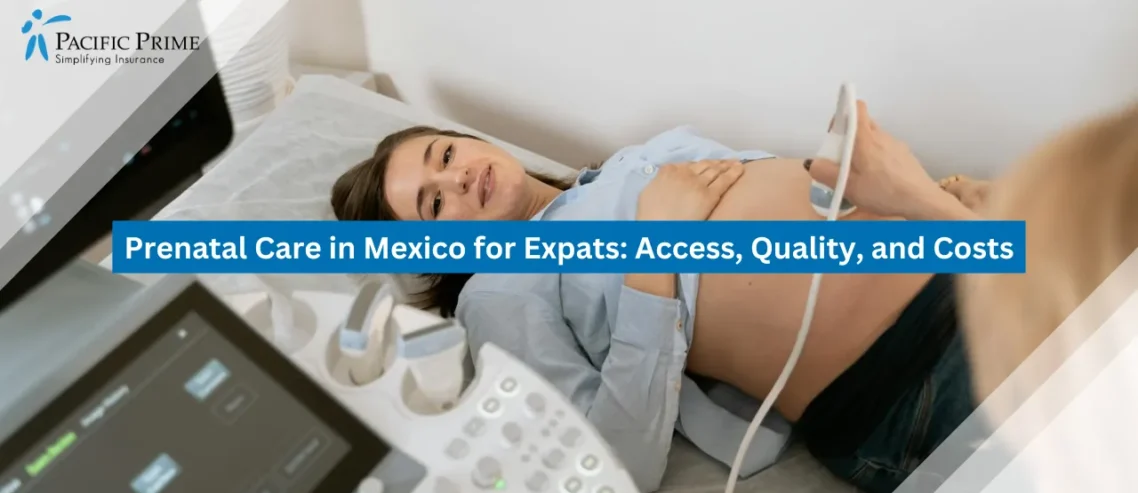
Expats in Mexico can expect reliable and high-quality prenatal care through both public and private healthcare systems. Many private hospitals offer advanced technology, experienced medical staff, and English-speaking doctors, making them a preferred choice for international patients. Regular prenatal checkups help ensure the health of both mother and baby, with services such as ultrasounds, blood tests, and fetal monitoring available throughout pregnancy.
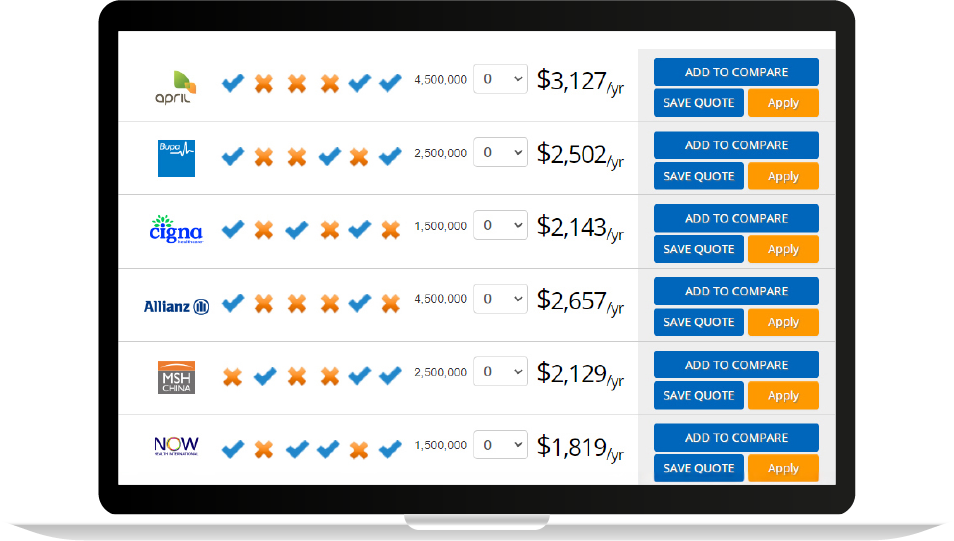
Discover the world’s top
health insurers.
Compare quotes with
a click of the button.
Expecting mothers can access prenatal care by visiting a clinic or hospital and choosing a qualified gynecologist, obstetrician, or certified nurse midwife. Those covered by Mexico’s public health insurance program, IMSS, can receive care at public hospitals, while private health insurance grants access to higher-end facilities with shorter wait times and more personalized services.
We will explain how expats can access prenatal care in Mexico, share examples of prenatal care, and give tips on how to find the right healthcare provider for your maternity services.
Keep reading to learn more!
Accessing Prenatal Care in Mexico as an Expat
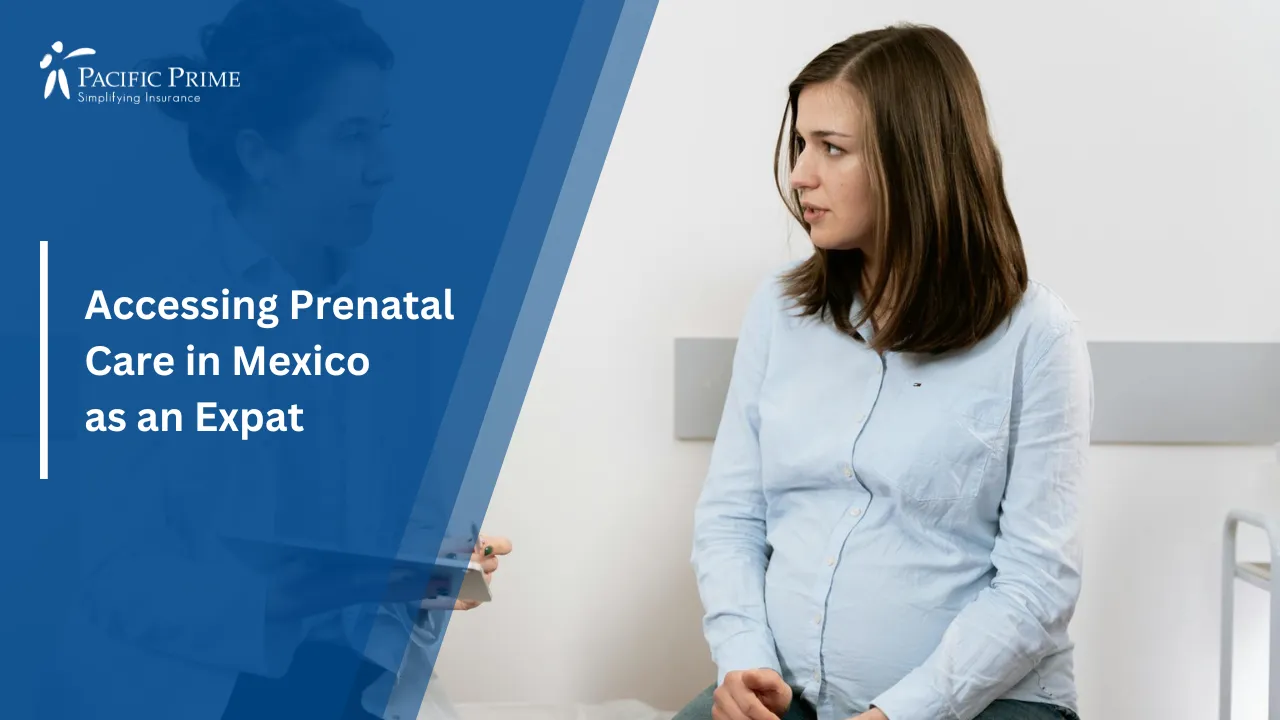
Expats can access prenatal care in Mexico by visiting a public or private clinic or hospital that offers maternity care. From there, you can choose a gynecologist, OBGYN, or certified nurse midwife to see your pregnancy and administer prenatal care.
Expats covered under Mexico’s public health insurance IMSS can use that to pay for their prenatal care at a public hospital, or they can use a private health insurance policy.
A private health insurance policy can grant expats access to private hospitals and clinics, which often provide cutting-edge technology and multilingual staff. Private hospitals also often treat international patients, so they will be experienced in handling your expat pregnancy.
Mexico’s Healthcare System Explained
The healthcare system in Mexico provides good quality healthcare at affordable prices and has both a public and private sector. In the private sector, many doctors speak English, and large cities boast high-quality hospitals and clinics.
Healthcare is accessible to those in Mexico through public health insurance programs like Instituto Mexicano del Seguro Social (IMSS) and Seguro Popular, or private health insurance.
IMSS covers those employed by Mexican employers. Seguro Popular was created to cover those who do not qualify for IMSS.
Seguro Popular covers mostly the unemployed, homeless, and those with medical conditions such as pre-existing conditions that exclude them from coverage with IMSS. Both of these public health insurance programs are very affordable to the average expat.
Private health insurance is a popular choice for expats because it grants access to private healthcare facilities that operate at higher standards of care than the public. Additionally, private health insurance is available in international plans that will cover expats globally.
Understanding Prenatal Care Services
Prenatal care is medical care received during pregnancy and consists mostly of tests and monitoring services to ensure the mother and baby are healthy. Prenatal care is administered throughout the nine months of pregnancy and is generally done once a week to once a month.
The specifics of the kind of prenatal care an expat may receive in Mexico will depend on their health, their doctor, and the location, but generally, the care services are as listed below:
- Physical Examination
- Regular Monitoring of Weight and Blood Pressure
- Urine and Blood Tests
- Measurement of Fetal Growth
- Monitoring Fetal Heartbeat
- Ultrasounds
- Glucose Screening for Gestational Diabetes
- Vaccines
Some specialized prenatal care can be available, depending on the location and the mother’s needs. Some mothers with certain healthcare conditions may need special monitoring or services.


What to Expect at Prenatal Appointments in Mexico
Expats receiving prenatal care can expect to give their doctors a urine sample, have their vital signs checked, and the growth of the baby checked at each prenatal care appointment. The specifics of each appointment will also depend on where you are in your pregnancy.
For example, at your first appointment, you can expect your doctor to spend more time with you, going over your medical history and determining how far along you are in your pregnancy and your estimated due date. They will likely also give you a comprehensive physical exam.
You may also receive an ultrasound during your prenatal appointment, but this won’t happen every time unless you are deemed as “high-risk” and need extra monitoring. Ultrasounds happen most frequently at the beginning appointment and in the second trimester to determine the sex of the baby.
Each doctor or clinic may do things a little differently when it comes to prenatal care, so ask your doctor for more information about what they offer at their prenatal appointments.
Tips for Choosing a Prenatal Care Provider in Mexico
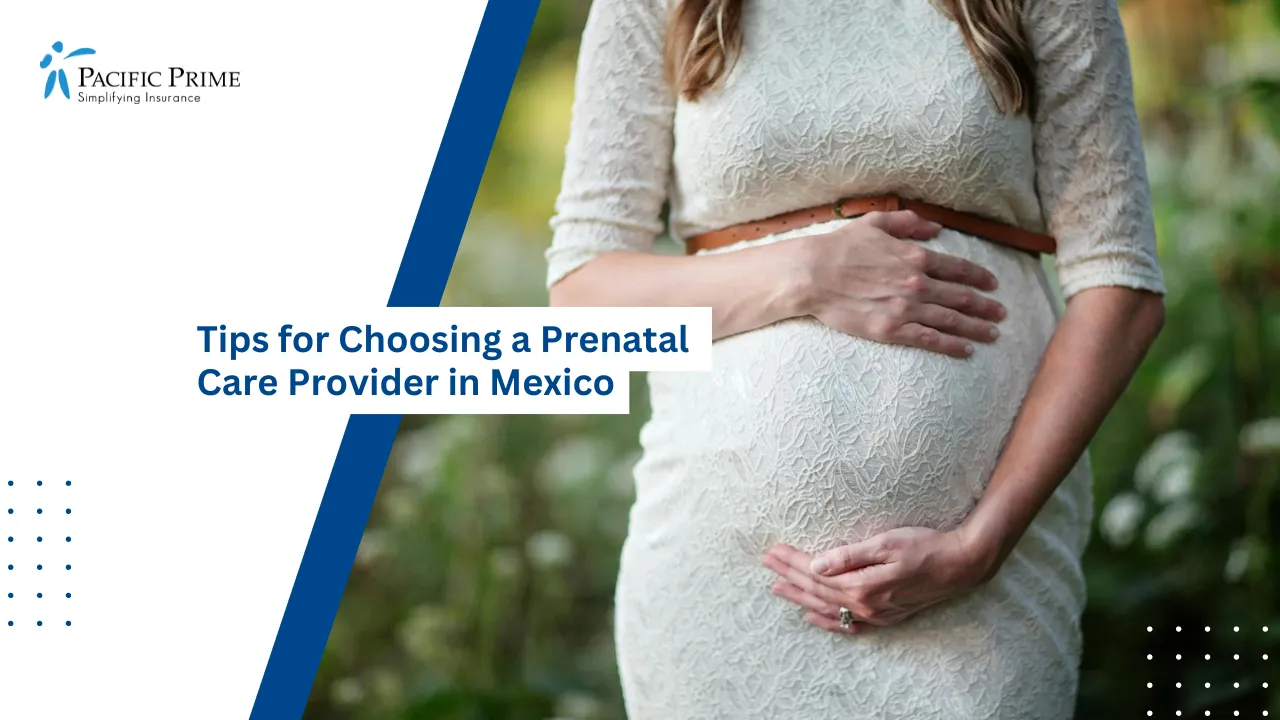
Expats can find the right healthcare provider for their prenatal care by following tips like asking friends, neighbors, or even your local embassy for recommendations, checking the credentials of hospitals and clinics, and evaluating your budget and needs.
- Ask For Recommendations: You can ask your friends, neighbors, or even your local embassy for recommendations for a high-quality and reputable healthcare provider. Expats who have been given birth in Mexico will likely have advice on who to visit for prenatal care.
- Check Credentials of Hospitals and Providers: When looking for a clinic or hospital and doctor to visit for your prenatal care, ensure you check to see they have been properly board-certified and meet international standards. Look for a Joint Commission International (JCI) certification.
- Evaluate Your Budget and Needs: Expats will need to evaluate how much they are willing to pay for prenatal services because even with insurance coverage, care at more high-end private hospitals can get expensive. If you’re looking for affordability, public hospitals are your best option.
Cultural Differences in Prenatal Care for Expats in Mexico
Expats may notice some cultural differences when receiving prenatal care in Mexico, such as holistic treatment options and a different doctor-patient relationship than they are used to. This of course will depend on the provider and the clinic you choose.
Holistic prenatal care, such as pregnancy massage and herbal teas, may be offered by some Mexican doctors or midwives. Additionally, the doctors in Mexico are highly respected in the community, and asking for a second opinion may be seen as an uncommon practice.
Private international hospitals are more likely to offer prenatal care that aligns more with the standards of care in the United States and Canada.
Insurance Options for Prenatal Care in Mexico
Maternity health insurance plans can cover the cost of prenatal care in Mexico. Private health insurance plans through international health insurance providers can offer prenatal care benefits while allowing you to take your coverage with you across the globe.
International health insurance plans offered through Cigna, Allianz, and other top international insurance providers in Mexico all provide coverage for maternity services.
These maternity services include prenatal care and other benefits like pregnancy and childbirth complication coverage, congenital defect coverage, and more. These helpful benefits can protect you against the financial strain of expensive procedures like C-sections and more.
If you’re interested in securing an international insurance plan that offers maternity coverage, reach out to an insurance broker like Pacific Prime.
Frequently Asked Questions:
Is giving birth in Mexico cheaper than in the US?
Giving birth in Mexico is generally cheaper than in the US, though it will depend on where you choose to give birth and if there are any complications. On average, healthcare in Mexico is significantly cheaper than healthcare in the United States.
What medical services are included in prenatal care?
Medical services and tests included with prenatal care are physical examinations, blood and urine tests, and regular monitoring of blood pressure and weight. Your doctor will also regularly listen to the baby’s heartbeat, measure fetal growth, and check for any signs of complications.
Do healthcare providers in Mexico speak English?
Many healthcare providers in Mexico receive training internationally, so they often speak English. They do not all speak English, so if you are not fluent in Spanish take care to find an English-speaking OBGYN. They are found most frequently in private hospitals and clinics.
What does prenatal care look like for high-risk pregnancies?
If you have a high-risk pregnancy, you will likely receive more intensive prenatal care, such as more frequent ultrasounds, heartbeat monitoring, and fetal movement monitoring. You may also receive more frequent tests and may have to come into your doctor’s office more regularly.
Conclusion:
Expats can receive excellent prenatal care while living abroad in Mexico when they choose reputable hospitals or clinics. By receiving regular prenatal care, pregnant expats can take care of their health and well-being, as well as their unborn baby.
Are you thinking of growing your family while abroad? You’ll want to secure a maternity insurance plan now, as all international health insurance policies come with waiting periods for their maternity coverage. To secure a plan, contact the insurance experts at Pacific Prime.
As an insurance broker, Pacific Prime is not tied to one specific provider. This means we can help you shop around for the best fit for you among different providers, and our advice is free and unbiased.
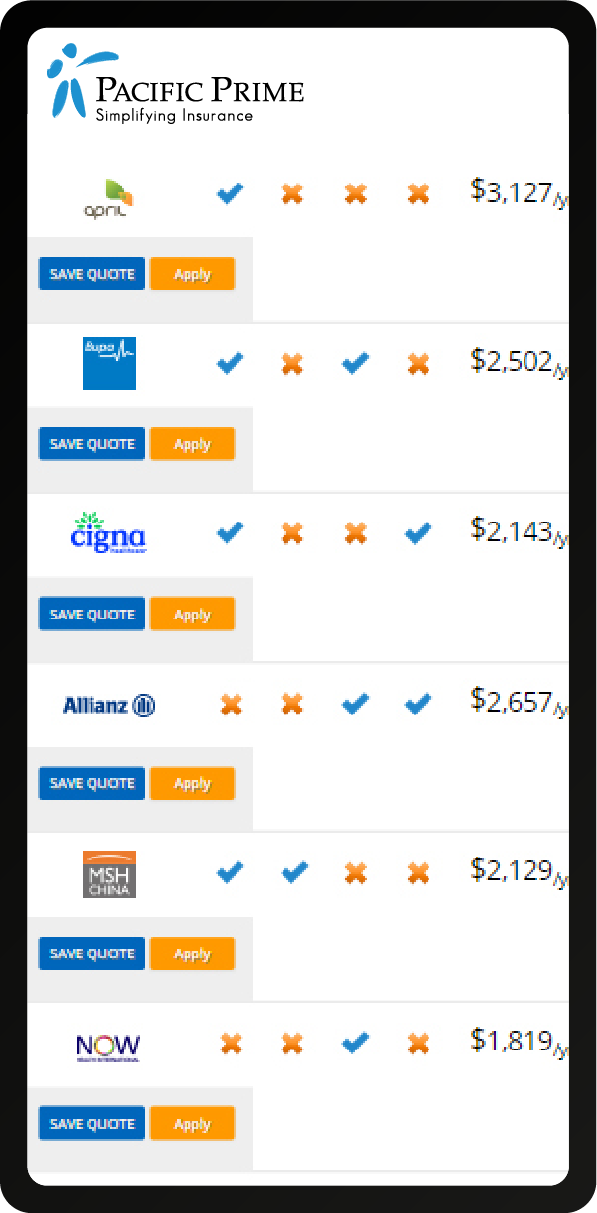
If you’d like to see free quotes from maternity health insurance plans in Mexico on your own, use our free quote tool on our website!
If you enjoyed this article, check out our others on subjects like Digital Nomads’ Guide to Health Insurance Options in Mexico and Pediatric Healthcare Services for Expat Families in Mexico!

Serena earned her Bachelor’s Degree in Psychology from the University of British Columbia, Canada. As such, she is an avid advocate of mental health and is fascinated by all things psychology (especially if it’s cognitive psychology!).
Her previous work experience includes teaching toddlers to read, writing for a travel/wellness online magazine, and then a business news blog. These combined experiences give her the skills and insights she needs to explain complex ideas in a succinct way. Being the daughter of an immigrant and a traveler herself, she is passionate about educating expats and digital nomads on travel and international health insurance.
- How to Compare Travel Insurance Plans the Smart Way – October 21, 2025
- Best Hospitals in the UAE: Top Picks in Dubai and Abu Dhabi – October 21, 2025
- How Much is a Doctor Visit in Dubai Without Insurance? – October 21, 2025



Comments