300x85-png.webp)


 Hong Kong
 Singapore
 China
China Dubai
Dubai Thailand
 United Kingdom
 Mexico
Healthcare in Turkey provides expats and visitors with both public and private options, ensuring access to quality medical care across the country. The public system offers extensive coverage, but many foreigners prefer private healthcare for faster appointments, modern facilities, and English-speaking staff.
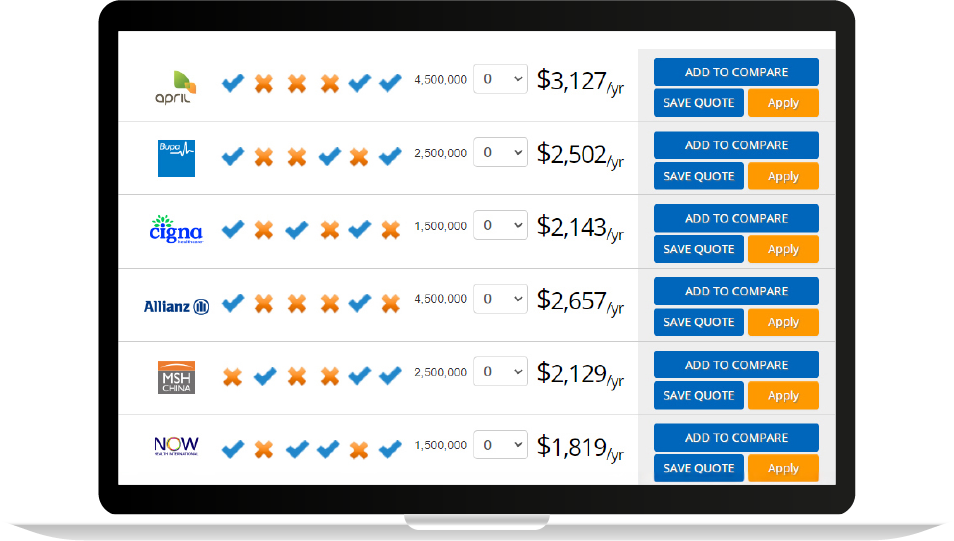
Discover the world’s top
health insurers.
Compare quotes with
a click of the button.
Expats can rely on a mix of state-funded hospitals for affordable care and private hospitals for convenience and advanced services. Whether in Istanbul’s bustling medical centers or Ankara’s specialized clinics, the healthcare system is designed to accommodate residents and newcomers seeking reliable treatment.
In this Pacific Prime article, you’ll discover everything you need to know about hospitals and healthcare in Turkey. From the bustling medical centers in Istanbul to the advanced facilities in Ankara, we’ve compiled all the essential information to guide you through Turkey’s healthcare landscape.
Overview of Turkey’s Healthcare System
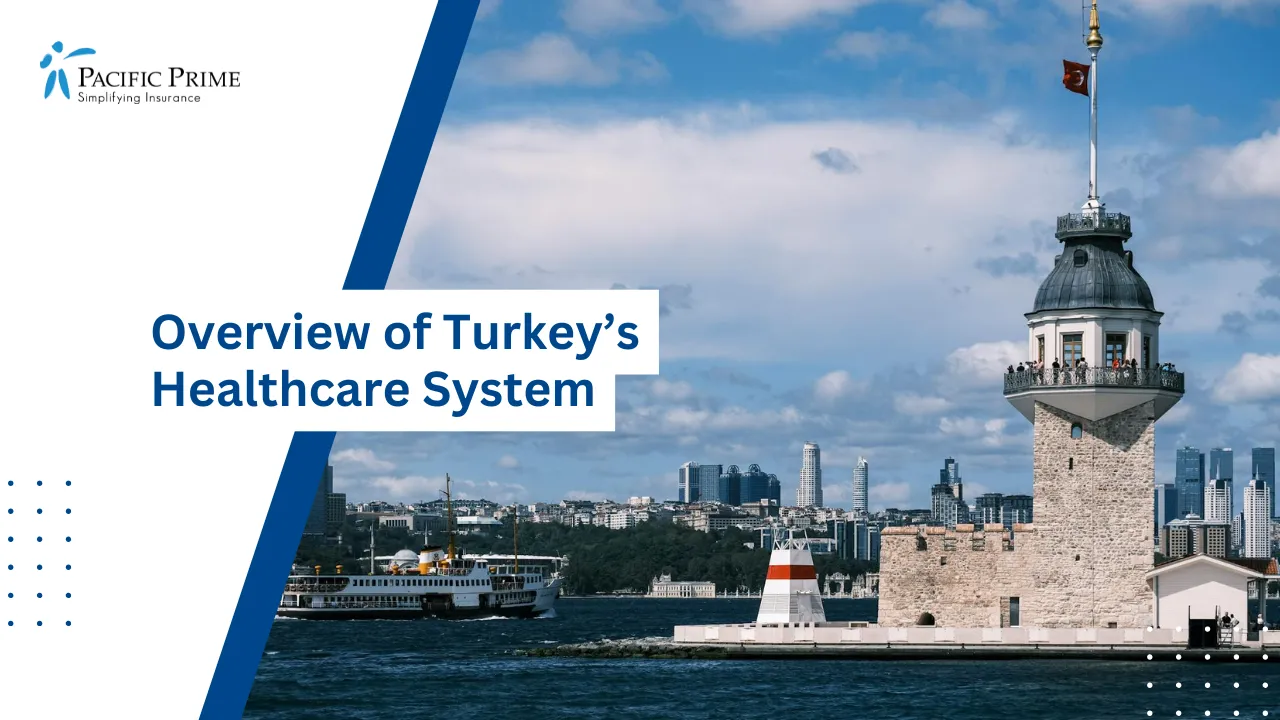
In 2018, Turkey’s healthcare system ranked 60th globally, according to The Lancet, out of 195 nations. The government provides a public health plan that offers extensive coverage to citizens and those who have lived in the country for at least a year.
However, foreign nationals under 65 must secure health insurance when applying for a visa, and newcomers must wait a year before accessing public healthcare. Additionally, the European Health Insurance Card is not recognized in Turkey.
To bridge this gap, many expatriates turn to international health insurance plans, which ensure coverage both within and outside of Turkey and often provide access to private hospitals that feature shorter waiting periods and English-speaking staff.
How Turkey’s Healthcare System Evolved
Since the early 2000s, Turkey has undertaken major healthcare reforms. Before these changes, the healthcare system faced widespread dissatisfaction, with less than two-thirds of the population covered by health insurance, and the process of receiving care was often slow and inefficient.
In response, the government launched the Health Transformation Program (HTP) in 2003 with assistance from the World Bank. This initiative aimed to revamp the system, ensuring universal access to quality healthcare.
In 2010, the Ministry of Health launched a PPP program to expand Turkey’s healthcare sector. With World Bank support, more private companies entered the health insurance market, boosting funding for public hospitals, increasing private facilities, and emphasizing specialized care.
Turkey’s healthcare reforms are seen as successful, with the HTP meeting all health-related Millennium Development Goals before the 2015 deadline. While high-quality healthcare is broadly accessible, regional disparities remain, especially in rural areas.
Advantages and Drawbacks of Healthcare in Turkey
Turkey’s healthcare system offers a mix of pros and cons. While it provides universal coverage and has made significant improvements in recent years, certain limitations remain, particularly in rural areas.
Below is a detailed look at both the advantages and drawbacks of healthcare in Turkey.
Key Benefits of Turkey’s Healthcare System
Since 2003, Turkey has provided universal healthcare through its Social Security Institution (SGK), ensuring broad access to medical services for all citizens, regardless of their financial status.
The system lets patients book appointments online via the Ministry of Health’s website or app. While most emergency and primary care is fully covered, some treatments are only partially subsidized. Fortunately, out-of-pocket costs remain low.
Turkey’s affordable healthcare attracts medical tourists for procedures like cosmetic surgery, fertility treatments, and laser eye surgery. The influx of medical tourism has boosted funding, enhancing healthcare services.
In addition to conventional healthcare, Turkey integrates alternative treatments like acupuncture, homeopathy, and cupping therapy. The Ministry of Health established a department for these practices in 2014, offering them in select facilities, though they’re not covered by insurance.
Challenges of Turkey’s Healthcare System
Despite significant progress, healthcare access in rural parts of Turkey remains limited. In some rural hospitals, particularly public ones, medical equipment may be outdated or poorly maintained.
Even though doctors are well-trained nationwide, fewer choose to work in rural areas, leading to a lower doctor-to-patient ratio. This causes overcrowding and long waits for specialized care. Expats in rural regions may also struggle to find English-speaking doctors.
Current Issues in Turkey’s Healthcare Sector
Mental health services in Turkey face substantial challenges. The country’s Mental Health Law has been stuck in legislative limbo since 2019. Additionally, there is a shortage of mental health professionals and insufficient funding for mental health services.
As a result, most mental health resources are concentrated in major cities like Istanbul, Ankara, and İzmir, while some areas lack any mental health specialists altogether.
Universal Healthcare in Turkey Explained
Turkey has offered universal healthcare through its Social Security Institution (SGK) for over a decade. The system is funded by contributions from the state, employers, and workers. Employees contribute 5% of their earnings, with employers covering 7.5%, making a total of 12.5%.
Contribution rates for the unemployed differ. Pensioners gain universal healthcare after a year of residency, with fees covered by the SGK or the State based on prior contributions. Despite varying contribution rates, everyone receives the same level of coverage, regardless of income.
Coverage Under Turkey’s Universal Healthcare
- Full coverage for primary, preventive, and emergency medical care.
- Diagnostic tests and procedures.
- Dental and eye care, though not all SGK hospitals provide these services, leading many to seek care in the private sector and cover the costs themselves. Cosmetic procedures are also not covered and require out-of-pocket payments.
- Coverage for pregnancy and maternity care, including IVF treatments, though these are generally limited to three attempts.
- Rehabilitation services.
- Care related to work injuries or occupational illnesses.
- Prescription medications are partially covered, with patients typically paying around 20% of the cost themselves, while retirees pay a reduced rate of 10%.
- Travel expenses for medical treatments are required outside one’s home city, and in some cases, the costs for a companion are also covered.
- Under certain conditions, treatment received abroad may be included in the coverage.
Why Expats Choose Private Health Insurance in Turkey
Despite the extensive improvements in Turkey’s healthcare system, many still choose to purchase additional private health insurance. These policies can be obtained from licensed brokers, banks, or directly from insurance providers.
Having extra private insurance allows individuals to use private hospitals, where wait times are shorter, medical equipment is more advanced, and amenities are typically better. For non-Turkish speakers, finding English-speaking doctors is usually easier within the private healthcare system.
Even though SGK often partners with private hospitals to offer discounted care, patients are still required to pay some expenses out of pocket. Supplemental insurance helps to cover these costs, reducing financial strain and minimizing unexpected medical bills.
Steps to Access Healthcare in Turkey
Turkey’s universal healthcare system is mandatory and covers almost all citizens. The Ministry of Health provides public services, with a healthcare clinic in every town and pharmacies located frequently throughout the streets.
To access healthcare, you can visit your local clinic and wait for service or schedule an appointment by calling the Central Physician Appointment System (MHRS) at 182. Alternatively, the MHRS app, which is available in Turkish, allows for appointment booking.
Some hospitals and clinics also offer appointment scheduling through their websites. Since urban centers tend to have better facilities than rural areas, seeking care in larger cities is often advisable.
Different Hospital Types in Turkey
Turkey’s healthcare system consists of three main hospital types: state-funded hospitals, university hospitals, and private hospitals.
State hospitals often face issues with overcrowding and limited resources, while university hospitals provide higher standards of care with more specialized medical staff. Private hospitals offer excellent care and are more likely to have English-speaking doctors.
Travelers to Turkey can also consider purchasing travel insurance, which provides access to private hospitals and additional healthcare options.
Emergency services are free at all state hospitals, even for uninsured individuals. For emergencies, you can dial 112 to reach emergency medical services. Both public and private hospitals have 24-hour emergency departments, though private facilities may charge for their services.
Eligibility for Healthcare in Turkey
Foreigners can access public healthcare in Turkey after one year of residency. To apply, you need to register at your local SGK office. The process requires your passport, residency application form, proof of address from the Goc Idaresi, and a health evaluation from an approved doctor.
It’s a good idea to ask your SGK office for a list of approved doctors beforehand. Additionally, you must prove that you do not have insurance or entitlement to benefits from your home country.
After registering, you will need to choose a primary care doctor. You are required to contribute to the SGK system for at least 30 days before you can start using the healthcare services. Once this requirement is met, you can access Turkey’s healthcare system just like any other citizen.
When renewing your residency permit, you will also need to visit your local SGK office to update your healthcare coverage.
Given the waiting period and visa requirements, many expats opt for international health insurance plans. These plans allow access to private hospitals worldwide and typically provide better options for finding English-speaking healthcare providers.
Healthcare Options for Expats in Turkey
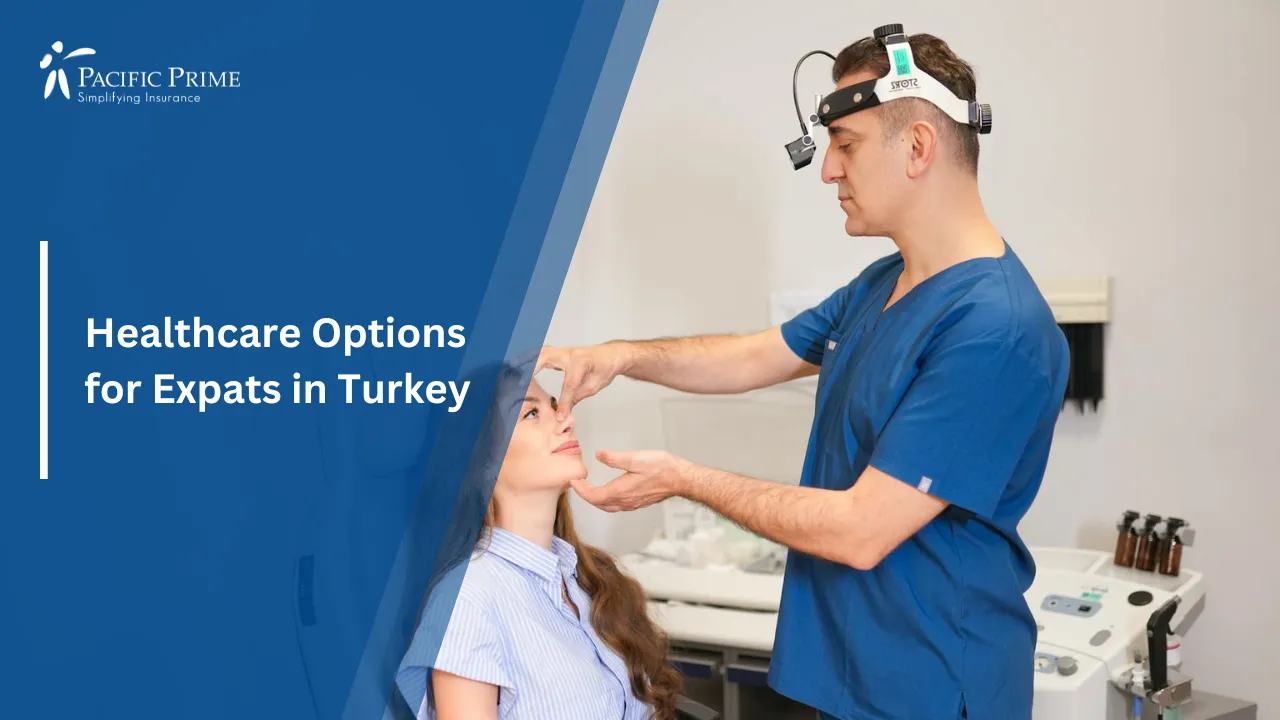
Navigating the healthcare system as an expat in Turkey involves understanding both public and private options to ensure comprehensive coverage and quality care. Below is a more detailed explanation of healthcare choices for expats living in Turkey:
Private Health Insurance Options
For expats in Turkey, private health insurance is a popular choice, even if they are eligible for the public healthcare system. Private insurance ensures quicker access to services, better hospital facilities, and more English-speaking doctors.
It also provides flexibility during the one-year waiting period before expats can enroll in public healthcare. If you’re exploring insurance options, check out the best health insurance plans available for foreigners in Turkey.
Public Healthcare for Expats
After living in Turkey for a year, expats can apply for the public healthcare system, which covers a wide range of services. However, many still choose to keep private insurance for better access to private hospitals and to avoid long waiting times.
Rural vs. Urban Healthcare in Turkey
Expats in rural areas may find private insurance particularly useful, as it enables them to seek care in urban centers where the quality of healthcare is generally higher and English-speaking doctors are more accessible.
For those who prefer a more comprehensive and seamless healthcare experience, combining both public and private insurance options is often the best approach.
Health Insurance Support with Pacific Prime
Navigating healthcare in Turkey as an expat can be challenging as the public system is affordable but often has long waits and limited resources, especially outside big cities. Language barriers can also be an issue, as not all public hospitals have English-speaking staff.
Turkey’s private healthcare offers high-quality services, modern facilities, and quicker access to specialists. Expats often prefer private hospitals and English-speaking staff for convenience, ensuring a smoother experience.
To access top-tier private healthcare in Turkey, having private insurance is crucial. It helps cover the costs of treatment at premium facilities and prevents unexpected expenses.
With countless insurance options available, working with a renowned broker like Pacific Prime can help simplify the process. With over two decades of expertise, our team of specialists is skilled at finding international health insurance plans that cater to your unique needs and budgets.
Contact us today to kickstart your expat journey in Turkey, or use our online quote tool for a free, no-obligation quote!
Frequently Asked Questions
Is healthcare free in Turkey for foreigners?
Healthcare is not free for foreigners in Turkey. Foreigners are required to have health insurance at all times during their stay, covering 100% of emergency services under Article 15 of Foreigners and International Protection Law No. 6458. For hospital services and medications, the patient typically pays 20% of the costs, with the insurance covering 80%.
What are hospitals like in Turkey?
Turkey’s healthcare system is a blend of public and private facilities. The country boasts some of the most advanced private hospitals in the region, many of which are accredited by international organizations like the Joint Commission International (JCI).
Are the doctors good in Turkey?
Turkey’s medical tourism industry doctors are known for their high level of service, providing international patients with the highest quality medical care. The country has a large number of highly trained medical professionals and well-equipped medical facilities that meet international standards.

After obtaining his Bachelor’s Degree in Social Sciences, International Relations from Mahidol University International College, Veerabhatr has forged his career as a content writer in the travel, lifestyle, and real estate industries, writing in both English and Thai. He now continues to hone his skills as a writer at Pacific Prime, looking to engage and educate the audience by simplifying insurance.
Writer by day, and a DJ by night, Veerabhatr is a staunch music lover, and listens to all spectrums of genres available. He also loves to drink beer (moderately), eat all types of food, go to the beach, and learn about different cultures across the globe. He is also a die-hard fan of football and motorsports.
- How Much Salary Do You Need to Live Comfortably in Thailand? – October 22, 2025
- Guide on Moving to Thailand from Canada as An Expat – October 20, 2025
- Top Health Insurance in Thailand for Russian Expats: Options and Benefits – October 16, 2025



Comments