300x85-png.webp)


 Hong Kong
 Singapore
 China
China Dubai
Dubai Thailand
 United Kingdom
 Mexico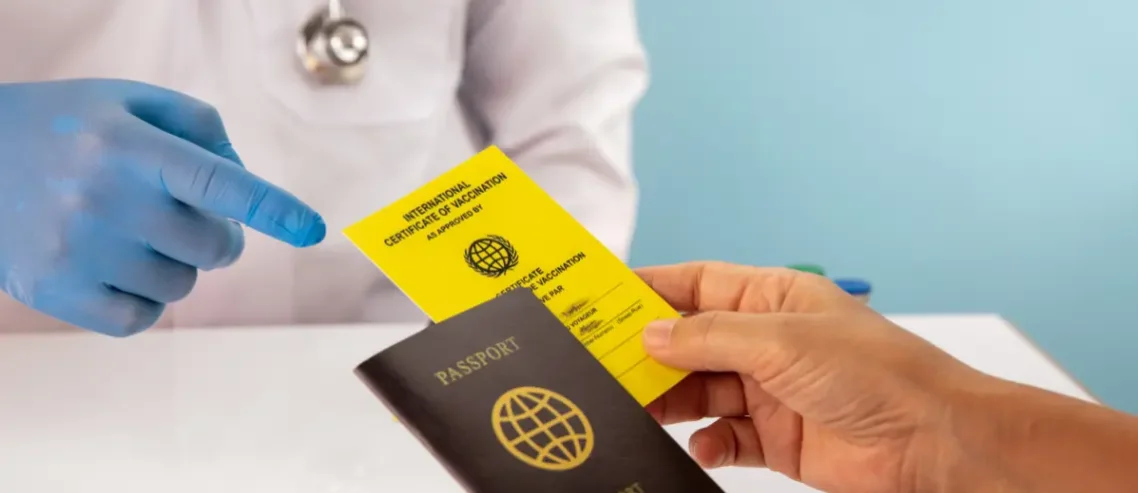
Generally, travel vaccines are not covered by regular health insurance plans. This is because they’re not considered “routine immunizations,” such as influenza or typhoid fever shots. It’s likely that you need to pay for travel vaccines out-of-pocket. However, some private medical insurance may cover them.
Discover the world’s top
health insurers.
Compare quotes with
a click of the button.
Getting the right vaccinations before your trip is essential for staying healthy and avoiding serious illnesses abroad. In this article by Pacific Prime, we’ll explain why travel vaccines matter, and how the right travel insurance plan can help you avoid costly medical bills while you’re away.
Why Do I Need Travel Vaccines?
Every traveler’s worst nightmare is arriving at their destination after a long flight, ready to enjoy their well-deserved holiday, only to come down with a fever, start vomiting, and end up stuck in their hotel room for the rest of the trip.
Just because you haven’t heard of certain illnesses doesn’t mean they don’t exist in other parts of the world. Vaccination is a simple and effective way to protect people against dangerous diseases unfamiliar to their immune system.
It is also our shared responsibility as individuals to not only protect ourselves from unknown diseases but, more importantly, to prevent the transmission of infectious diseases across countries, and to our loved ones back home.
Which Travel Vaccines Do I Need?
It depends on two things: where you are traveling from and where you are traveling to.
Yellow Fever Vaccination
If you’re traveling from countries with lower risks of tropical diseases, like the UK or the United States, to tropical regions such as South America or Africa, your destination may require proof of vaccination. Some countries can even deny your entry if you don’t have a yellow fever vaccination card.
For example, if you travel to China, you must provide proof of vaccination against yellow fever if you are arriving from countries with risk of yellow fever transmission, or if you have transited for more than 12 hours through an airport of a country with risk of yellow fever transmission.
So, make sure to check out WHO’s list of countries with a risk of yellow fever transmission before your trip, so that you can arrange your vaccinations in time.
Recommended Vaccinations
Apart from yellow fever, the NHS Fit for Travel website provides a comprehensive list of recommended travel vaccines based on specific diseases found in each region, such as Africa, South America, the Caribbean, or the Middle East.
For example, if you plan to travel to Saudi Arabia or countries in the Sub-Saharan Africa region, you must have a Meningococcal Meningitis vaccination card.
These vaccination requirements change all the time, so it is recommended to always check your destination’s latest regulations on a government or reputable organization’s website as a point of reference.
Tip: Don’t forget to stay up to date on routine vaccinations for influenza, typhoid fever, hepatitis A and B, or tetanus. Check out our article Vaccines You Need Before Traveling Abroad for more details on generally recommended vaccinations.

When Should I Get Travel Vaccines?
Typically, it takes a few weeks for vaccines to take effect, so remember to schedule an appointment with a local travel clinic or your doctor to get advice on the countries you’re visiting.
The NHS suggests visiting a travel clinic or a GP at least 6 to 8 weeks before your departure. For yellow fever vaccination, the CDC states that the International Certificate of Vaccination or Prophylaxis (ICVP), or the “yellow card,” becomes valid 10 days after vaccination. So, plan ahead and get vaccinated in advance.
Tip: Get an appointment with your doctor early since the queue can get longer during the holiday season.
Will My Health Insurance Cover Travel Vaccines?
As mentioned above, the answer is unlikely. However, if you have private medical insurance, you may ask the insurer if your plan covers part or all of travel vaccinations, as their coverage tends to be more extensive.
Another option is reimbursement. If your health insurance covers mandatory vaccinations—such as the yellow fever vaccine, which is required for travelers visiting countries where yellow fever is present—you may be able to get reimbursed for your expenses.
Our suggestion is to contact your insurer to learn more about the coverage of your current plan.

Why Travel Insurance Matters
Vaccination may be one of the best ways to prevent serious illnesses from entering your body, but that doesn’t mean you are entirely safe from getting sick. That’s exactly why you need a travel insurance plan in case anything unexpected happens to you or your belongings while you’re abroad. Here are some reasons why you should get travel insurance.
1. Medical Bills Abroad are Expensive
Since your current health insurance might only cover domestic care, it leaves you at risk of paying your own medical bills while you’re abroad, which are often even more expensive for foreigners. Travel insurance helps pay for these costs in emergencies.
2. Coverage for Your Personal Belongings
If your personal belongings and luggage are lost, stolen, or delayed during the trip, travel insurance may reimburse the cost of valuable items and any essential purchases you need to make, like new clothes and daily supplies.
3. Get Paid for Delays
Flight delays and cancellations are common in the aviation world. If you miss a connecting flight due to a delay, travel insurance can offset your hotel and meal expenses if you need to stay overnight.
4. Cancel the Trip With Ease
If an unexpected emergency prevents you from traveling, such as a serious injury or sudden passing of a family member, travel insurance acts as an extra safety net and helps you get refunded for last-minute cancellations.
Find the Perfect Travel Insurance Plan
Worried about which travel insurance plans you should choose? With 25 years of experience in international health insurance, Pacific Prime can help you find the plan that fits your travel needs within your budget.
We are not affiliated with any particular insurer, meaning we can give unbiased advice to help you compare and pick the best plan available. On top of that, we offer free additional support, whether it’s filling out forms, filing claims, or anything in between.
Contact us today and get a free quote and plan comparison for your next travel insurance plan!
Disclaimer: The information provided in this article is for general informational purposes only and should not be treated as medical advice. Always consult with a doctor for personalized recommendations based on your specific health conditions and travel plans.
Frequently Asked Questions
What Country Requires Yellow Fever Vaccine?
Country requiring proof of vaccination against yellow fever for travelers arriving from any country includes: Angola, Benin, Burkina Faso, Burundi, Cameroon, Central African Republic, Congo, Côte d’Ivoire, Democratic Republic of the Congo, French Guiana, Gabon, Ghana, Guinea-Bissau, Mali, Niger, Sierra Leone, South Sudan, Togo, and Uganda.
Tip: Check the full list of countries at risk for yellow fever transmission, as you may need a yellow fever vaccination card if you’re traveling from or transiting through those regions.
Do You Still Need COVID-19 Vaccine to Travel?
Though less common now, some countries may still require the COVID-19 vaccine for travelers. Since it can vary, check your destination’s requirements and your airline’s policies before traveling. In rare cases, you may need to show proof of vaccination when booking flights or passing through customs.
Which Medications Can I Travel With?
Some medications prescribed in your home country may be illegal abroad. For example, amphetamine, a commonly prescribed drug in the US, is illegal in Japan. When traveling abroad, always check with the local embassy or consulate to make sure your drugs are allowed.

With his keen interest in journalism, especially in the healthcare and wellness field, Tawan joins Pacific Prime with the goal of creating content that simplifies health insurance solutions, helping people make informed choices and choose the best options for their needs. Tawan firmly believes that words have power that can shape the world for the better.
In his free time, Tawan loves to pick up his Nintendo Switch and wield his Master Sword in Hyrule’s dungeons. He is also an avid sci-fi books/shows enjoyer. You can spot him hanging around bookstores and game shops all day long!
- Best Health Insurance for Solo Traveling in Thailand – October 22, 2025
- Top Health Insurance in Thailand for Irish Expats: Options and Benefits – October 18, 2025
- Daman Health Insurance for Expats in Dubai: Plans, Benefits, and Options – October 15, 2025



Comments