300x85-png.webp)


 Hong Kong
 Singapore
 China
China Dubai
Dubai Thailand
 United Kingdom
 Mexico
Living expenses in the United Kingdom are heavily influenced by your chosen location. Urban hubs like London, Manchester, and Edinburgh often come with steeper costs, while living in smaller cities or the countryside can be considerably more affordable.
Discover the world’s top
health insurers.
Compare quotes with
a click of the button.
In this Pacific Prime article, we’ll break down the cost of living in the United Kingdom, covering rent and groceries to healthcare and education. We’ll also highlight why securing international health insurance before moving to Europe is a smart choice to ensure peace of mind and financial protection.
The figures in this article are sourced from reliable organizations like the Office for National Statistics (ONS), Zoopla, and Expatistan. These sites provide up-to-date insights on the UK’s housing market, wages, and living costs, offering a clear view of expected expenses.
Housing Costs in the United Kingdom
Monthly rent varies widely by location—expect to pay around £2,000 for a one-bedroom flat in central London, while smaller cities like Manchester or Sheffield offer more affordable options at £700–£1,200 per month.
Renting a Home in the United Kingdom
Rental prices are steepest in London and parts of the South East. In central areas, a furnished one-bedroom flat typically costs £1,800–£2,500 per month. In contrast, renting on the outskirts or in northern cities can reduce your monthly bill to £700–£1,200.
Many expats and young professionals choose house shares to save on costs. A room in a shared home or flat averages £500–£800 per month, with bills sometimes included. Student towns and commuter hubs often have a high supply of these shared arrangements.
Buying Property in the United Kingdom
Property prices in the UK differ drastically depending on the region. In London, the average cost per square meter can exceed £10,000, while in places like Leeds or Cardiff, it’s closer to £3,000–£5,000.
Buyers should also factor in additional costs like stamp duty, solicitor fees, and property surveys. Stamp duty tax paid on property purchases—can range from 0% to 12%, depending on property value and whether it’s your first home.
As there are no legal restrictions on foreigners buying property in the UK, expats are allowed to purchase property, but obtaining a mortgage may be more difficult for non-residents. Lenders typically require a minimum 20–25% deposit, proof of income, and UK credit history to approve a loan.
Additional Housing Fees in the United Kingdom
Beyond rent or mortgage payments, tenants often pay council tax, which ranges from £100 to £300 per month, depending on the local authority. Utilities—like gas, electricity, and water—can total up to £150–£250 per month.
Internet plans usually start at £25–£40 per month, with faster fibre packages available in most urban areas. Leasehold properties may also have annual service charges, particularly in apartments, which can run from £500 to £2,000 per year.
Cost of Food and Groceries in the United Kingdom
The UK provides plenty of food options for every budget, from low-cost supermarkets to mid-range dining spots. In this section, we’ll break down average grocery costs, eating out, and ways to enjoy nutritious meals without breaking the bank.
Cost of Grocery Shopping in the UK
Discount supermarkets like Aldi and Lidl remain popular for budget-conscious shoppers, offering fresh produce, dairy, and pantry items at lower prices. Mid-range stores like Tesco, Sainsbury’s, and Morrisons provide more variety, including international and specialty goods.
On average, a single person spends about £150–£300 per month on groceries in the UK. For families, this sum can rise to £400–£700 depending on preferences, dietary needs, and shopping habits. Buying store-brand items and bulk deals can help lower costs.
Upscale grocers such as Waitrose or Marks & Spencer offer high-quality products but at a premium. Many expats find that a mix of discount and mid-range shopping provides the best balance of value and variety.
Cost of Dining Out in the UK
A simple meal at a pub or casual restaurant costs around £12–£20, while a three-course dinner at a mid-range spot typically runs £30–£60 per person, depending on location. Dining out in the UK can be affordable with the right choices.
Tipping is generally appreciated—around 10–12.5% is standard in restaurants, especially if service isn’t included in the bill. It’s less common in pubs, cafés, or takeaways.
Fast-food options like fish and chips, Greggs bakery meals, and high-street sandwiches are convenient and usually cost under £6. Cities like London, Manchester, and Birmingham offer a wide variety of global cuisines at various price points.
Grabbing a coffee and pastry at an independent café generally costs around £5–£7 total. Coffee shop chains are widespread, but going local often means better prices and a more authentic experience.
Transportation Costs: Getting Around the United Kingdom

The UK has an extensive and efficient transport network, making it easy to navigate the country without owning a car. Local bus and train tickets typically cost £2–£3, while the Travelcard or Oyster card offers unlimited travel within certain zones for £150/month. Here’s how to travel affordably.
Public Transportation Costs in the United Kingdom
In London, the Oyster card or contactless payment options offer unlimited travel within certain zones for £150 per month, making it a popular choice for frequent travelers. Outside London, cities like Manchester, Birmingham, and Glasgow offer similar options at varying prices.
Public transport in the UK is well-developed, with cities offering a combination of buses, trains, trams, and the London Underground (Tube). Most towns and cities have reliable connections, making commuting straightforward, even if you don’t own a car.
Public transport apps like Trainline and Citymapper make route planning simple, while bike-sharing and e-scooter services are also common in urban areas, providing flexibility for short trips.
Owning a Car in the United Kingdom
Car ownership is common outside major cities where public transport may be limited. In cities, however, many people rely on public transport due to high parking fees, congestion charges, and limited parking spaces.
If you decide to own a car, you’ll need to budget for road tax, MOT (annual vehicle test), insurance, and fuel. Fuel costs average between £1.40 and £1.70 per liter, with a full tank costing approximately £60–£80 for an average car.
Travel Domestically in the United Kingdom
Train travel across the UK is fast and frequent. Operators like Avanti, LNER, and GWR connect major cities—e.g., London to Manchester in 2 hours. Booking in advance can lower costs, with some fares starting around £20–£30, depending on time and route.
Long-distance coach services like National Express and Megabus are ideal for budget travel. Fares start as low as £5–£10 when booked early. Though slower than trains, they’re popular with students and those who don’t mind longer journeys to save money.
Discount rail cards (e.g. 16-25 Railcard, Senior Railcard, or Two Together Railcard) can also reduce ticket prices by up to a third, making train travel more accessible. Flexible ticketing, weekend deals, and off-peak fares are other smart ways to save on intercity transport across the UK.
Healthcare Expenses in the United Kingdom: What to Expect
The UK provides universal healthcare through the NHS (National Health Service), which covers most essential services free of charge for residents. Expats may need private coverage, with plans ranging from £100–£400/month. Choosing the right policy ensures timely access and broader provider options.
GP Appointments in the United Kingdom
Seeing a general practitioner (GP) is free through the NHS, but private GP visits cost £70–£150. Clinics like London Doctors Clinic or Medicspot cater to private patients, with same-day appointments, ideal for new arrivals seeking fast care.
Those not registered with the NHS or staying short-term may need to pay out of pocket. Many major cities, including London, Manchester, and Edinburgh, have private walk-in clinics near major train stations or hospitals for added convenience.
Specialist Visits in the United Kingdom
NHS referrals to specialists can take weeks or months, so many expats opt for private care. A visit to a specialist, such as an ENT or orthopedic doctor, typically costs £150–£300. Renowned hospitals like The London Clinic or Spire offer quick access and modern care.
Private consultations may include exams like ECGs or ultrasounds, raising the overall cost. For urgent cases, private hospitals offer faster diagnostics and scheduling, making private insurance valuable for avoiding NHS waitlists.
Diagnostic Tests in the United Kingdom
Routine blood tests cost £40–£100 at private labs, while an MRI scan may run £400–£900 depending on location and urgency. Clinics like Alliance Medical and Vista Health are common providers of diagnostic services across the country.
Most hospitals offer in-house diagnostics, though NHS patients may experience delays. Private patients often receive results in 1–2 days, especially at clinics in London, Birmingham, or Glasgow with dedicated expat or international services.
Hospital Stays in the United Kingdom
NHS inpatient care is free for eligible residents, but private hospital stays cost between £500 and £800 per night in shared rooms. A private room at hospitals like The Wellington or St Thomas’ Hospital may cost £1,000–£1,500 nightly, excluding procedures.
These rates include nursing, meals, and basic care. Procedures, medications, and additional services are billed separately. Private hospitals offer shorter wait times and flexible visitation policies, which make them appealing to expats with private cover.
Surgery Costs in the United Kingdom
Private surgical costs vary by hospital and complexity. For example, an appendectomy might cost £2,500–£4,000, while cataract surgery at a private clinic can range from £3,500–£6,000. Hospitals like King Edward VII’s or The London Independent Hospital are popular choices.
Surgery fees typically cover anesthesia, operating room use, and post-op recovery. Many hospitals also offer packages or payment plans, with multilingual teams and direct billing options for insured international patients.
Medication Costs in the United Kingdom
NHS prescriptions cost a flat rate of £9.90 per item in England, with free prescriptions in Scotland and Wales. Without NHS access, common meds like antibiotics or asthma inhalers may cost £15–£40 at private pharmacies like Boots or Lloyds.
Over-the-counter options such as paracetamol, antihistamines, or cold remedies are widely available in supermarkets and drugstores. Pharmacists can advise on alternatives, and many in city areas are used to serving international customers.
Education Costs in the United Kingdom: From Nursery to University
Childcare can cost up to £1,500/month, while private schools charge £10,000–£40,000/year. The UK offers a high standard of education with a mix of free public options and paid private schools. Public universities have set tuition fees, but living costs can add up.
In this section, we’ll explore childcare, public and private school options, and university education, plus what expat families can expect to pay.
Early Years Education and Childcare in the United Kingdom
Private nurseries in the UK typically charge between £800 and £1,500 per month, depending on the region. London is among the most expensive areas. Part-time care or using childminders can lower costs for working parents or families on tighter budgets.
The UK government offers free childcare hours for children aged 3 to 4, up to 30 hours per week, depending on income. Some 2-year-olds may also qualify. However, many families still pay extra for meals, supplies, or hours outside the funded time.
International or Montessori nurseries often charge higher fees but are popular among expats. These centers usually provide bilingual education or global learning frameworks and are common in major cities like London, Manchester, or Edinburgh.
Public Schools in the United Kingdom
State-funded schools in the UK are free and provide quality education. Children must attend from the ages of 5 to 16, following the National Curriculum. Schools are funded by local authorities and are regulated by Ofsted for quality and performance.
While tuition is free, families should budget for school uniforms, sports kits, lunches, and occasional school trips. These extras can add up to a few hundred pounds annually, depending on the school and extracurricular involvement.
School placement is often based on catchment areas. Families moving into areas with high-performing schools may face higher housing costs, as homes in good catchments are in high demand.
Private and International Schools in the United Kingdom
Private school tuition ranges from £15,000 to over £40,000 per year. Boarding schools such as Eton or Harrow can charge more than £50,000 annually, especially with full boarding and specialist programs included.
International schools in the UK cater to expat families and often follow the IB, American, or British international curriculum. Cities like London and Oxford have many international schools with diverse student bodies and multilingual staff.
Besides tuition, parents should prepare for added expenses like uniforms, meals, textbooks, transport, and school trips. These extras may total £3,000–£6,000 per year, depending on the institution.
Higher Education in the United Kingdom
Undergraduate tuition fees for domestic students in the UK are capped at £9,250 per year. Students studying in Scotland may pay less or attend for free. Living costs are separate and vary by city.
International students pay higher rates—typically between £10,000 and £38,000 per year. Medical and engineering degrees are often the most expensive. Cities like London or Cambridge also have higher accommodation and living expenses.
Most UK students take out government loans for tuition and living expenses. International students should check for available scholarships or funding options from their university or home country.
Utilities and Bills in the UK: Estimating Monthly Costs

Utility expenses in the UK vary by property size, region, and usage. For an 85m² flat, expect to spend around £250–£350 per month on gas, electricity, and water. Broadband costs typically range from £25 to £45, and mobile phone plans start at just £10 but can exceed £60 with high data plans.
Rent and Heating Costs in the United Kingdom
In many UK rentals, tenants pay utilities separately, although some landlords offer “bills included” leases. This setup is more common in student housing or shared flats, while private rentals usually require setting up your utility accounts.
A one-bedroom flat in a central area like London or Manchester may cost £1,200–£1,800 per month in rent alone. Heating is usually powered by gas and can add £50–£150 per month during colder months, depending on insulation and energy usage.
Gas heating is common in UK homes and tends to be the largest part of winter energy bills. Expect costs to rise between November and March, especially in older buildings or homes with poor energy efficiency ratings.
Electricity and Gas in the United Kingdom
Electricity rates in the UK are influenced by market conditions and are billed per kilowatt-hour (kWh). Most households pay around £0.30 per kWh, with monthly electricity bills ranging from £40 to £100 based on home size and usage.
Gas is used primarily for heating and hot water. A typical household spends between £50 and £140 per month on gas, with rates increasing in winter. Many homes are on dual fuel tariffs, which combine gas and electricity under one provider for ease and potential savings.
Water, Broadband, and Mobile Bills in the United Kingdom
Water bills in the UK are usually fixed and based on property size, though some homes use water meters. Expect to pay around £30–£50 per month. Charges vary by region, with Southern Water and Thames Water among the higher-cost suppliers.
Internet providers like BT, Sky, and Virgin Media offer broadband from £25 to £45/month, depending on speed and contract. Fiber-optic plans cost more but offer faster, more reliable service—ideal for households working or streaming from home.
Mobile phone bills range from £10 for basic SIM-only plans to £60 or more for unlimited data or bundled contracts. Networks like EE, O2, and Vodafone offer coverage across the UK, while budget carriers like Giffgaff and Tesco Mobile offer more affordable alternatives.
Entertainment and Leisure in the United Kingdom
The UK offers a rich mix of cultural and leisure activities. Cinema tickets typically cost £8–£15, depending on the location and screening type. Gym memberships average around £30–£50 per month.
Free events, such as open-air concerts, street festivals, or museum nights, are common in major cities like London, Manchester, and Edinburgh.
Museums and Cultural Events in the United Kingdom
Many of the UK’s top museums—like the British Museum, Natural History Museum, and National Gallery—offer free entry year-round. Some special exhibitions may charge £5–£20, but general access is usually free, making it easy to enjoy art, science, and history without spending much.
Cultural experiences like West End theater shows in London or classical concerts in Birmingham typically cost £20–£70 per ticket. However, discounted or last-minute deals are often available, especially for students or weekday performances.
Eating Out and Socializing in the United Kingdom
A standard meal at a mid-range restaurant costs around £15–£25 per person. Eating out in the UK ranges from budget eats to gourmet dining. For cheaper options, high streets are filled with cafés, fast food chains, and takeaway shops offering meals for £5–£10.
Many pubs offer affordable lunch menus or two-for-one deals, especially on weekdays. “Pub grub” like fish and chips or Sunday roast remains a popular and economical way to dine out. Street food markets in cities like London, Bristol, or Glasgow offer global cuisines at reasonable prices.
The UK is also home to famous annual events like the Notting Hill Carnival and Edinburgh Festival Fringe. While some shows require tickets, many performances, parades, and activities are free and open to the public, providing fun and entertainment at no cost.
Nightlife and Music in the United Kingdom
Nightlife in the UK offers something for everyone, from chic rooftop bars to underground music venues, and club entry fees range from £5–£20, with drinks averaging £4–£8. In smaller towns, pubs are the social hub, often free to enter and hosting weekly events like quizzes or live performances.
London, Manchester, and Liverpool boast thriving live music scenes. Small concert venues often charge £10–£30 for tickets, while open mic nights or local gigs may be free. Many cities in the United Kingdom also host comedy clubs, theater pubs, and indie cinemas for affordable evening entertainment.
Frequently Asked Questions
What is the UK’s average cost of living?
According to Expatistan, the average cost of living in the UK is around £2,249 per month for a single person and approximately £3,803 per month for a family of four.
How much money do you need to live in the UK?
Findings suggest that a single adult without children can enjoy a comfortable lifestyle in the UK with a salary slightly above £28,000. Meanwhile, a couple without children could maintain a similar standard of living with a combined income of approximately £40,000.
What is a decent salary to live in the UK?
The Office for National Statistics (ONS) reported that the average annual salary for full-time jobs in 2020 was £38,600. In regions like the North East, where the average income is £32,469, earning more than the national average is often seen as a strong salary.
How much is rent in the UK?
As of April 2025, the average monthly rent in the UK stands at £1,298. When excluding London, the national average drops to £1,115. Rents rose by 0.8% compared to March, with nearly every region experiencing a slight increase in rental prices.
Which city in the UK is the cheapest to rent?
Looking for the most affordable place to live in the UK in 2024? Zoopla’s 2024 report lists Hull as one of the cheapest cities, with average monthly rent at £500 and typical property prices around £120,000. Other budget-friendly options include Sunderland, Stoke-on-Trent, and Bradford.
Conclusion
Living in the UK comes with a range of expenses—from accommodation and transportation to healthcare, education, and entertainment. Your overall budget will largely depend on your lifestyle, location, and whether you plan to explore other parts of the United Kingdom or Europe during your stay.
There’s no universal approach to managing costs, as every expat’s situation is unique. That’s where Pacific Prime comes in. With over 25 years of experience in international health insurance, our experts are here to help you understand your options and find the plan that fits your personal needs and budget.
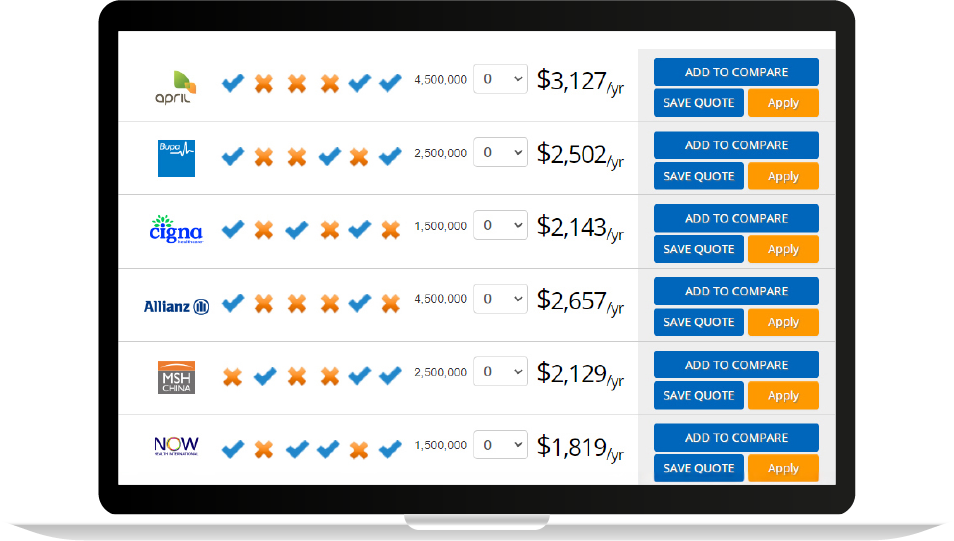
Contact us today to learn more, or compare plans easily with our free online quote tool.
Enjoyed our article? Read more on the cost of living in Italy and Ireland!

After obtaining his Bachelor’s Degree in Social Sciences, International Relations from Mahidol University International College, Veerabhatr has forged his career as a content writer in the travel, lifestyle, and real estate industries, writing in both English and Thai. He now continues to hone his skills as a writer at Pacific Prime, looking to engage and educate the audience by simplifying insurance.
Writer by day, and a DJ by night, Veerabhatr is a staunch music lover, and listens to all spectrums of genres available. He also loves to drink beer (moderately), eat all types of food, go to the beach, and learn about different cultures across the globe. He is also a die-hard fan of football and motorsports.
- How Much Salary Do You Need to Live Comfortably in Thailand? – October 22, 2025
- Guide on Moving to Thailand from Canada as An Expat – October 20, 2025
- Top Health Insurance in Thailand for Russian Expats: Options and Benefits – October 16, 2025



Comments