300x85-png.webp)


 Hong Kong
 Singapore
 China
China Dubai
Dubai Thailand
 United Kingdom
 Mexico
The cost of living in the Philippines can vary widely depending on where you choose to settle. Urban hubs like Manila, Cebu, and Davao tend to have higher expenses due to increased housing demand and city-based services, while smaller towns and rural provinces offer a more budget-friendly lifestyle.
Discover the world’s top
health insurers.
Compare quotes with
a click of the button.
This Pacific Prime guide takes a closer look at the cost of living in the Philippines, covering key expenses like housing, food, transport, and medical care. We’ll also discuss the benefits of securing international health insurance ahead of your move to ensure peace of mind while living in Asia.
The figures in this article are based on recent data from trusted sources like the Philippine Statistics Authority (PSA), Numbeo, and Expatistan. They provide up-to-date info on housing, utilities, education, and daily expenses for expats living in the Philippines.
Housing Costs in the Philippines
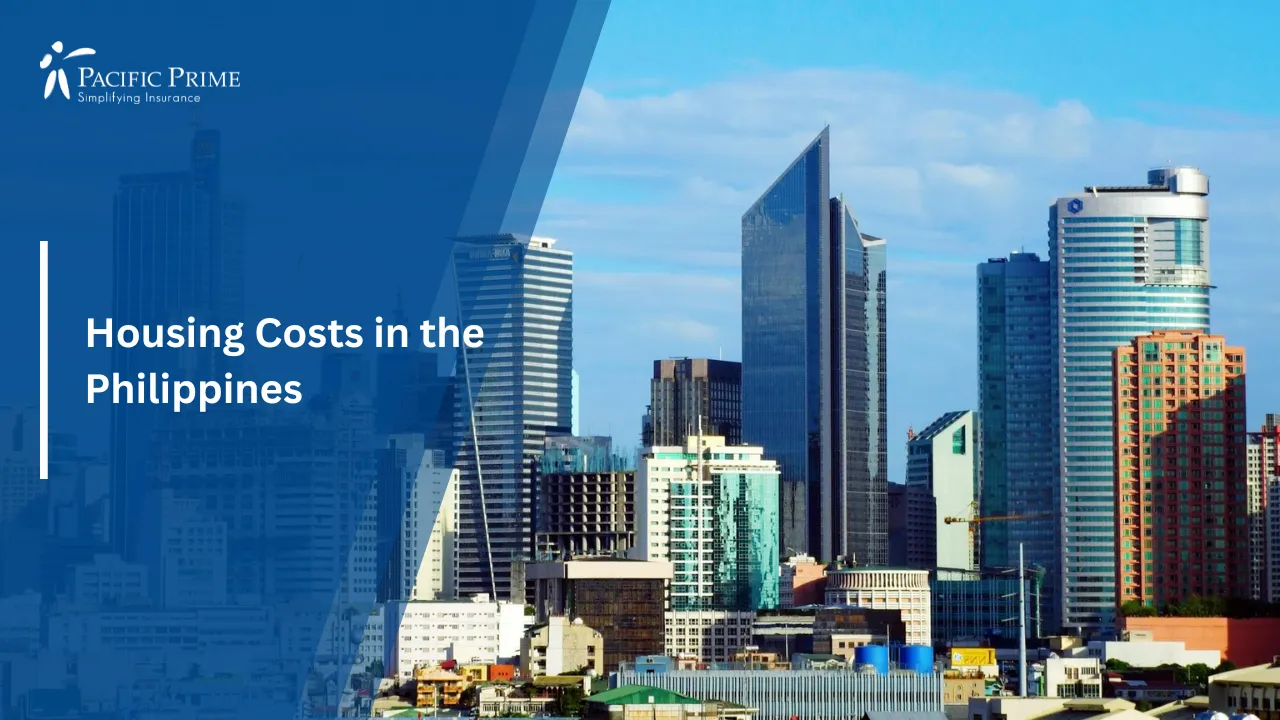
Housing in the Philippines is generally affordable. A one-bedroom apartment in central Manila costs PHP 25,000–45,000/month (USD 430–780), while units in smaller cities or suburbs go for PHP 10,000–20,000 (USD 170–340). Prices vary by location, property type, and amenities.
Renting a Home in the Philippines
In Metro Manila, a one-bedroom apartment in the city center averages PHP28,435 ($510) per month. Outside the center, prices drop to around PHP 15,094 ($270). In smaller cities and rural areas, you can find similar units for as low as PHP 8,000 ($144), offering a more affordable housing option.
Shared accommodations are also popular, especially among students and young professionals, with monthly rents ranging from PHP 5,000 to PHP 10,000 ($90–$180), depending on the location and facilities provided.
Buying Property in the Philippines
Property prices in the Philippines vary widely by location and type. In Metro Manila’s prime business districts, luxury condominiums cost about PHP 206,800 ($3,514) per square meter. Other urban areas are cheaper, with new residential units averaging PHP 104,369 ($1,772) per sqm nationwide as of late 2024.
Foreigners can buy condominium units but must keep foreign ownership below 40% per building. Land ownership is restricted to Filipino citizens or corporations with 60% Filipino ownership. Taxes, legal fees, and registration add about 5–7% to the total property price.
Additional Housing Costs in the Philippines
Besides rent or mortgage, residents must budget for utilities and housing costs. For an 85m² apartment, electricity, water, and garbage average PHP 6,018 ($108) monthly. The Internet is widely available, costing PHP 1,500–2,500 ($27–$45) per month, depending on the provider and plan.
It’s important to note that electricity rates in the Philippines are among the highest in Southeast Asia, with residential rates averaging PHP 11.94 per kilowatt-hour as of March 2024. Therefore, energy-efficient appliances and mindful consumption can help manage monthly expenses.
Food and Grocery Expenses in the Philippines
The Philippines offers a wide range of food options to suit every budget, from affordable local markets to mid-range grocery stores. This section covers typical grocery costs, dining out, and tips for eating well without overspending.
Grocery Shopping in the Philippines
Grocery shopping is generally affordable, with many locals buying fresh produce, seafood, and meat from public markets or wet markets. Supermarkets like SM, Robinsons, and Puregold provide a broader selection, including imported and branded goods at higher prices.
A single person usually spends around PHP 8,000–PHP 12,000 (about $145–$215) per month on groceries, depending on diet and preferences. Families can expect to budget PHP 20,000–PHP 35,000 ($360–$630) monthly, especially when purchasing imported or premium items.
Dining Out in the Philippines
Eating out is generally budget-friendly. A typical meal at a local “carinderia” or casual eatery costs PHP 100–PHP 200 ($1.80–$3.60), while a three-course dinner at a mid-range restaurant usually ranges from PHP 600 to PHP 1,200 ($11–$22) per person.
International cuisine is widely available in cities like Manila, Cebu, and Davao. Popular choices include Filipino, Chinese, Korean, Japanese, and Western dishes. Coffee shops are common, with a cup of brewed coffee costing about PHP 80–PHP 120 ($1.50–$2.20) and local pastries around PHP 50–PHP 100 ($0.90–$1.80).
Transportation Costs: Getting Around the Philippines
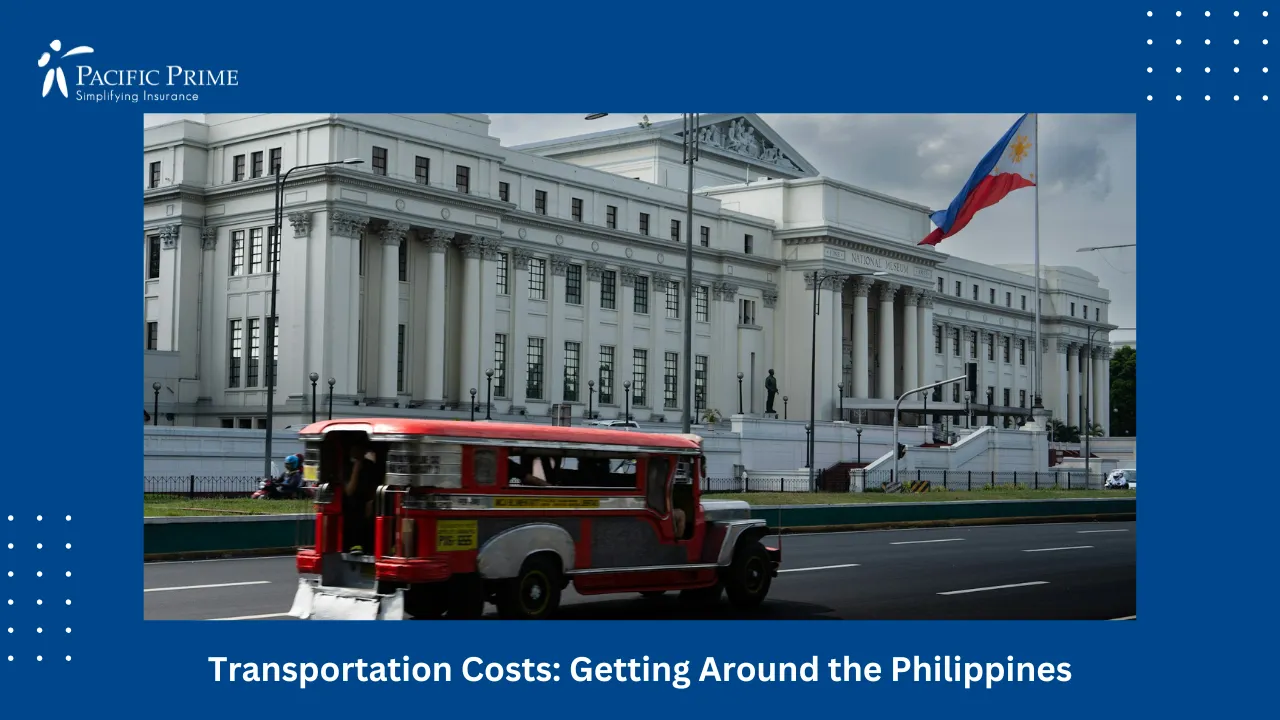
The Philippines offers diverse transport options like jeepneys, trains, buses, and ferries. In major cities, ride-hailing apps such as Grab provide convenient alternatives. Public transport is affordable but can be crowded, especially in Metro Manila.
With that in mind, this section explores daily commuting costs and intercity travel options.
Public Transportation in the Philippines
Jeepneys and city buses cost PHP 10–PHP 30 ($0.18–$0.55), while MRT and LRT train fares range from PHP 15–PHP 35 ($0.27–$0.64). Grab is widely used for door-to-door service, with short rides starting at PHP 40 ($0.73) and higher rates during peak hours.
Monthly public transport costs range from PHP 500 to PHP 1,500 ($9–$27), depending on distance and frequency. GrabCar and GrabTaxi are often preferred for comfort and speed, especially during rain or when commuting with children or luggage.
Owning a Car in the Philippines
Owning a car offers flexibility but adds costs. Fuel prices average PHP 70–PHP 85/liter ($1.27–$1.55). Other costs include insurance, toll fees, and vehicle registration. Traffic congestion in Metro Manila may also increase fuel usage and travel time.
Car ownership is more practical in rural areas with limited transit access. New or secondhand car buyers must also budget for maintenance and periodic inspections, especially for long-distance travel between provinces or regions.
Intercity Travel in the Philippines
Provincial buses cost PHP 200–PHP 1,000 ($3.60–$18) depending on distance and class. Budget airlines like Cebu Pacific and AirAsia offer domestic flights from PHP 1,000–PHP 3,000 ($18–$55), connecting major islands quickly.
Ferries are vital for island travel. Prices vary by route and vessel class—economy tickets may cost PHP 200–PHP 800 ($3.60–$15), while faster or more comfortable options are higher. Operators include 2GO, OceanJet, and SuperCat.
Healthcare Expenses in the Philippines: What to Expect
The Philippines has both public and private healthcare, with public care being cheaper but less consistent. Private insurance plans range from PHP 2,000–PHP 10,000/month ($36–$180), depending on age and coverage. International insurance is often preferred by expats.
Private hospitals in cities like Manila and Cebu offer modern facilities and English-speaking staff. PhilHealth is the public insurer, but coverage is limited. Most expats opt for private hospitals and use international insurance for more reliable care access.
General Doctor Consultation Costs in the Philippines
A visit to a general practitioner typically costs PHP 500–PHP 1,500 ($9–$27), depending on the clinic and location. Hospitals like St. Luke’s, Makati Medical Center, and The Medical City are popular with expats for their high standards and English-speaking staff.
Walk-in consultations are common, though wait times can vary. Expats often schedule appointments online or via hospital apps. Clinics near business hubs in Metro Manila tend to offer more flexible hours and shorter wait times for consultations.
Specialist Consultations Costs in the Philippines
Specialist visits cost between PHP 1,000 and PHP 3,000 ($18–$54). Common specialties include dermatology, cardiology, and orthopedics. Leading hospitals often house multiple specialists under one roof for convenience.
Specialist fees may rise with added diagnostic tests. Expats frequently visit Asian Hospital in Alabang or Cebu Doctors’ University Hospital, which have international patient desks and direct billing options with major insurers.
Common Diagnostic Tests Costs in the Philippines
Blood tests cost PHP 500–PHP 1,500 ($9–$27), while X-rays range from PHP 800–PHP 2,000 ($14–$36). An MRI can cost PHP 5,000–PHP 15,000 ($90–$270), depending on the body part and whether it’s done at a public or private facility.
Diagnostic centers like Hi-Precision and hospitals like Cardinal Santos Medical Center offer reliable testing with quick results. Many urban hospitals provide English-language reports, which are helpful for expats seeking second opinions abroad.
Inpatient Hospital Stays Costs in the Philippines
A shared hospital room costs PHP 2,000–PHP 5,000/night ($36–$90), while private rooms can go up to PHP 10,000/night ($180). Facilities like MakatiMed and St. Luke’s provide hotel-like comfort and modern equipment for admitted patients.
Room fees typically include basic care, meals, and nursing, but major procedures, doctor fees, and medication are charged separately. Some hospitals offer health packages for maternity, executive check-ups, or surgery to simplify billing.
Surgical Procedures Costs in the Philippines
Appendectomy surgery costs PHP 60,000–PHP 120,000 ($1,090–$2,180), while cataract surgery ranges from PHP 40,000–PHP 100,000 ($730–$1,820), depending on lens type and facility. Top-tier hospitals maintain international standards.
St. Luke’s and The Medical City are known for surgical excellence. Patients with international health insurance should confirm direct billing availability. For elective surgery, booking in advance ensures access to preferred surgeons and rooms.
Medication Costs in the Philippines
Prescription drugs like antibiotics or hypertension meds cost PHP 200–PHP 1,000 ($4–$18). Generics are cheaper. Many expats use pharmacy chains like Mercury Drug or Watsons, which are available in most urban centers.
Over-the-counter meds such as paracetamol or allergy pills range from PHP 50–PHP 300 ($1–$5). Pharmacists are trained and can give guidance. English labeling and customer support are widely available, especially in expat-heavy areas.
Education Costs in the Philippines: From School to University
Public education in the Philippines is free, while private schools charge from PHP 50,000–PHP 250,000/year ($910–$4,550). International schools can exceed PHP 1 million/year ($18,200+).
This section covers preschool to university education in the Philippines, focusing on what expat families can expect in terms of tuition fees, curricula, and school availability in urban areas like Manila, Cebu, and Davao.
Early Childhood Education and Daycare in the Philippines
Public daycare is limited and often free, but has long waitlists. Most expats choose private preschools or international kindergartens, which charge PHP 10,000–PHP 30,000/month ($180–$545), depending on the school and city.
Schools such as The Learning Tree or Brent International offer structured curricula and English-speaking staff. Many provide play-based or Montessori approaches to early education, catering to the needs of working expat families.
Public Schools in the Philippines
Public schools are free for Filipino citizens, including tuition and basic supplies. However, class sizes are large, and facilities may be outdated, especially outside major cities. English is used alongside Filipino as a medium of instruction.
While public schools follow the K–12 system, expat children rarely attend due to quality concerns. Access is limited for non-residents, and schools often require documentation proving legal guardianship or long-term visas for enrollment.
Private and International Schools in the Philippines
Private school tuition ranges from PHP 50,000 to PHP 250,000/year ($910–$4,550). International schools charge PHP 300,000 to over PHP 1,000,000/year ($5,460–$18,200+), depending on curriculum and location.
Popular international schools include British School Manila, International School Manila, and Cebu International School. They offer IB, British, or American curricula and are known for small class sizes and expat-friendly environments.
Higher Education in the Philippines
Public universities like the University of the Philippines charge PHP 40–PHP 1,500/unit ($0.70–$27), making a full semester cost around PHP 10,000–PHP 20,000 ($180–$360). Tuition varies based on income and course load.
Private universities like Ateneo de Manila University and De La Salle University charge PHP 100,000–PHP 250,000/year ($1,820–$4,550). These schools offer English-taught programs in medicine, business, and engineering, with facilities that appeal to both locals and expats.


Utilities and Bill Costs in the Philippines
For a 40–60m² apartment, monthly utilities in the Philippines typically cost PHP 4,000–PHP 8,000 ($73–$145), covering electricity, water, and gas. Internet plans range from PHP 1,200–PHP 3,000 ($22–$55), while mobile bills vary based on usage and plan type.
Utility costs depend heavily on location and lifestyle. Air conditioning use, common in hotter regions, can drive up electricity bills. Expats should budget accordingly, especially during the dry season when temperatures rise.
Rent and Cooling Costs in the Philippines
Utility bills in the Philippines are often not included in rent. Electricity for air conditioners alone can cost PHP 3,000–PHP 6,000/month ($55–$110) in a moderate-sized apartment during hot months.
A one-bedroom apartment in central areas like Makati or BGC may cost PHP 25,000–PHP 50,000/month ($455–$910), excluding bills. Landlords usually require tenants to register utilities under their own name or pay directly per usage.
Electricity and Water Costs in the Philippines
Electricity rates are around PHP 10–PHP 13 per kWh ($0.18–$0.24). Monthly electric bills typically range from PHP 3,000–PHP 8,000 ($55–$145) for apartments with AC, with higher rates in peak summer months due to cooling demands.
Water bills are more affordable, usually between PHP 200–PHP 500/month ($3.60–$9). Usage varies based on the number of occupants, laundry habits, and whether the unit has its own water heater or pressure system installed.
Gas, Internet, and Mobile Plan Costs in the Philippines
Many households use gas canisters for cooking, which cost PHP 700–PHP 1,200 ($13–$22) and last 1–2 months. Some condos include built-in electric stoves instead, which adds slightly to the power bill.
Internet providers like PLDT, Globe, and Converge offer fiber plans starting at PHP 1,200/month ($22) for 50 Mbps. Mobile plans cost PHP 300–PHP 1,500/month ($5.50–$27), depending on data, with prepaid options being very popular.
Entertainment and Leisure Costs in the Philippines
The Philippines offers a vibrant mix of entertainment, from affordable movie tickets to lively festivals and dining options. Cinema tickets typically cost PHP 250–PHP 500 ($4.50–$9), while gym memberships range from PHP 1,500–PHP 3,500/month ($27–$64), depending on the facility.
Free public events, outdoor concerts, and cultural festivals are common throughout the year, especially during town fiestas and national holidays. Museums and cultural centers often have low entrance fees or offer discounts on special days.
Cultural Activities and Museum Costs in the Philippines
Museums in Metro Manila, like the National Museum and Ayala Museum often charge PHP 100–PHP 350 ($1.80–$6.40) for admission, while some, like the National Museum of Fine Arts, offer free entry year-round.
Cultural performances such as Filipino dance shows, plays, and orchestra events at venues like the Cultural Center of the Philippines (CCP) range from PHP 500–PHP 2,000 ($9–$36). Local city museums and galleries may also host free exhibits or art events.
Dining Out and Socializing in the Philippines
Dining out can be very affordable. A meal at a local “carinderia” (eatery) costs around PHP 80–PHP 150 ($1.50–$2.70), while mid-range restaurants charge PHP 300–PHP 700 ($5.50–$13) per person.
Buffet restaurants, trendy cafes, and international dining spots in malls or tourist areas may cost PHP 800–PHP 1,500 ($14.50–$27). Happy hour promos are common in Metro Manila, making it easy to enjoy drinks and food at discounted prices.
Nightlife and Entertainment Costs in the Philippines
Nightlife is lively in urban areas like Manila, Cebu, and Davao, and bar entry is usually free. Upscale clubs may charge PHP 300–PHP 800 ($5.50–$15) with one or two free drinks included.
Cocktails cost around PHP 150–PHP 300 ($2.70–$5.50), and local beers are widely available for PHP 60–PHP 120 ($1.10–$2.20). Live music bars, KTV lounges, and comedy clubs offer affordable entertainment, with entry fees typically under PHP 500 ($9).
Budgeting Strategies for Living in the Philippines: How to Save Money
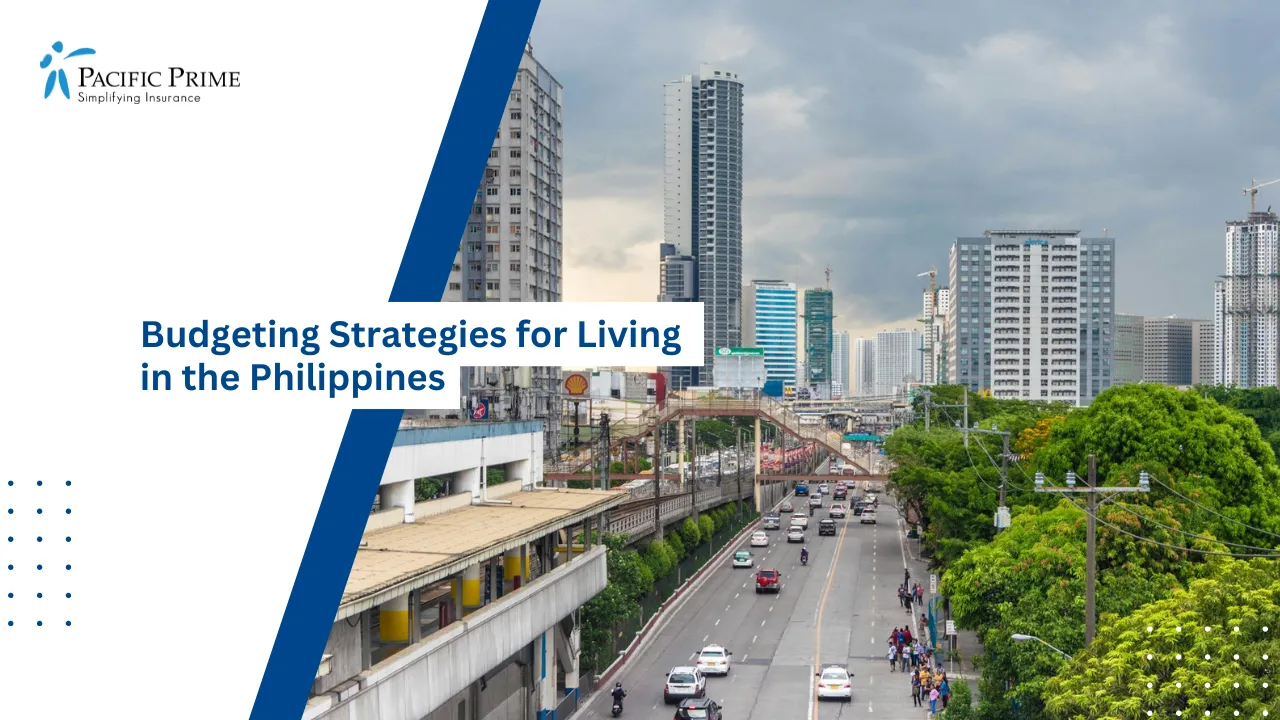
By planning for rent, food, transport, and utilities, you can enjoy a comfortable lifestyle. Smart financial choices help you save more and reduce unnecessary expenses.
In this section, we’ll look at practical tips for managing your money wisely. From tracking expenses to reducing bills and cooking at home, these strategies will help you avoid overspending while still enjoying life in the Philippines.
Tracking Your Expenses
Start by tracking your daily spending to see where your money goes. Use free budgeting apps like Monefy, Money Lover, or Spendee to log purchases. Categorizing expenses helps you spot habits, stay within limits, and set savings goals for travel or emergencies.
A solid budget gives you control over your finances. List your income and essential costs first. Then, assign limits for non-essentials. Review your budget monthly and adjust based on needs. Staying consistent helps you avoid debt and grow your savings.
Living Outside Metro Manila
Rent is much cheaper outside Metro Manila. In cities like Davao, Dumaguete, or Iloilo, a decent studio apartment can cost as low as PHP 5,000 ($90). Daily living costs are also lower, making these areas ideal for those on a tight or modest budget.
Grocery prices, dining out, and transport are more affordable in smaller towns. You’ll also enjoy less traffic, cleaner air, and a slower pace of life. It’s a great option for expats or digital nomads seeking a more relaxed and budget-friendly setup.
Saving on Transportation
The Philippines offers low-cost public transport. Jeepney fares start at PHP 12 ($0.20), and MRT rides cost PHP 13–28 ($0.25–$0.50). A monthly Beep card helps commuters save, especially if you’re using LRT or MRT services in Metro Manila regularly.
For those in smaller cities, tricycles and habal-habal (motor taxis) are common. Some people use bicycles for errands or commuting, cutting costs entirely. Apps like Angkas or JoyRide offer affordable rides for short- to mid-distance urban travel.
Shopping Smart and Cooking at Home
Save money by shopping at wet markets and local grocers. Prices are often lower than in supermarkets, especially for fresh vegetables, fruits, and meat. Buying in bulk and choosing local brands can reduce your monthly grocery costs significantly.
Cooking at home helps you save and eat healthier. A meal for two can cost just PHP 100–200 ($2–$4) when prepared at home, compared to PHP 300–600 ($5–$11) when dining out. Planning meals for the week and avoiding food waste also cuts expenses.
Reduce Utility and Energy Bills
Turn off lights, unplug devices, and avoid using air conditioning all day to reduce your electricity bill. Switch to LED lights and energy-efficient appliances. Many households save PHP 500–PHP 1,000/month ($9–$18) by adjusting small daily habits.
If your home has air conditioning, use it wisely—limit use to hot nights or during peak heat. Electric fans are much cheaper to run. Washing clothes in cold water and using natural light can also cut down on water and electricity bills.
Frequently Asked Questions
How much is a nice home in the Philippines?
Small to medium homes (80–150 sqm) in the Philippines cost PHP 3.5–5 million ($63,000–$90,000). Larger family houses (200–400 sqm) range from PHP 10–20 million ($180,000–$360,000). Luxury mansions and custom estates can exceed PHP 100 million ($1.8 million) or more.
What is the average monthly income in the Philippines?
According to a 2022 survey by the Philippine Statistics Authority, the average monthly salary is about PHP 18,423, which is approximately USD 339.
Where do most expats live in the Philippines?
Manila, particularly Makati City, hosts a sizable expat community. This is largely due to Makati being the hub for many multinational corporations and serving as the center of the country’s diplomatic activities.
How long can I live in the Philippines?
If you’re planning to move to the Philippines, keep in mind that long-stay visas are granted for periods ranging from six months up to three years. The exact duration depends on the visa type you apply for and factors like the length of your work contract.
How much bank balance is required for a Philippines visa?
The bank balance must be at least USD 1,000, as required by the Philippine Embassy. When applying for a tourist visa, you need to show a minimum of USD 1,000 in your account. This amount is the standard for staying in the Philippines for at least 30 days.
Conclusion
Living in the Philippines involves a range of costs—housing, utilities, transportation, healthcare, education, and leisure. These vary depending on your length of stay, employment status, and whether you plan to travel within Asia or beyond during your time here.
There’s no one-size-fits-all solution, and the right approach will depend on your circumstances. With 25 years of experience in international health insurance, Pacific Prime specializes in helping expats explore their options and find a plan that fits their lifestyle and budget.
One thing is clear: having the right health insurance is essential for expats living in the Philippines. We’re here to guide you toward the ideal coverage that meets both your financial and healthcare needs.
Contact us today to get started, or use our free online quote tool to compare plans instantly!
Considering other Asian destinations for your expat journey? Read more on the cost of living in Japan and South Korea!

After obtaining his Bachelor’s Degree in Social Sciences, International Relations from Mahidol University International College, Veerabhatr has forged his career as a content writer in the travel, lifestyle, and real estate industries, writing in both English and Thai. He now continues to hone his skills as a writer at Pacific Prime, looking to engage and educate the audience by simplifying insurance.
Writer by day, and a DJ by night, Veerabhatr is a staunch music lover, and listens to all spectrums of genres available. He also loves to drink beer (moderately), eat all types of food, go to the beach, and learn about different cultures across the globe. He is also a die-hard fan of football and motorsports.
- How Much Salary Do You Need to Live Comfortably in Thailand? – October 22, 2025
- Guide on Moving to Thailand from Canada as An Expat – October 20, 2025
- Top Health Insurance in Thailand for Russian Expats: Options and Benefits – October 16, 2025

Comments