300x85-png.webp)


 Hong Kong
 Singapore
 China
China Dubai
Dubai Thailand
 United Kingdom
 Mexico
The estimated monthly cost of living in Chile, not including rent, is approximately USD $681.50 for a single person. For a family of four, this figure rises to about USD $2,411.
Discover the world’s top
health insurers.
Compare quotes with
a click of the button.
If you’re planning to move to or visit Chile, this Pacific Prime article explores the cost of living in Chile across major cities, like Santiago, Viña del Mar, and Valparaíso, covering everything from housing, food, and transportation to costs of entertainment and leisure.
We’ll also provide in-depth healthcare costs in Chile and why securing health insurance before traveling is a smart move to protect both your health and your finances.
All monetary values mentioned are in United States Dollars for consistency and convenience.
The Cost of Living in Santiago
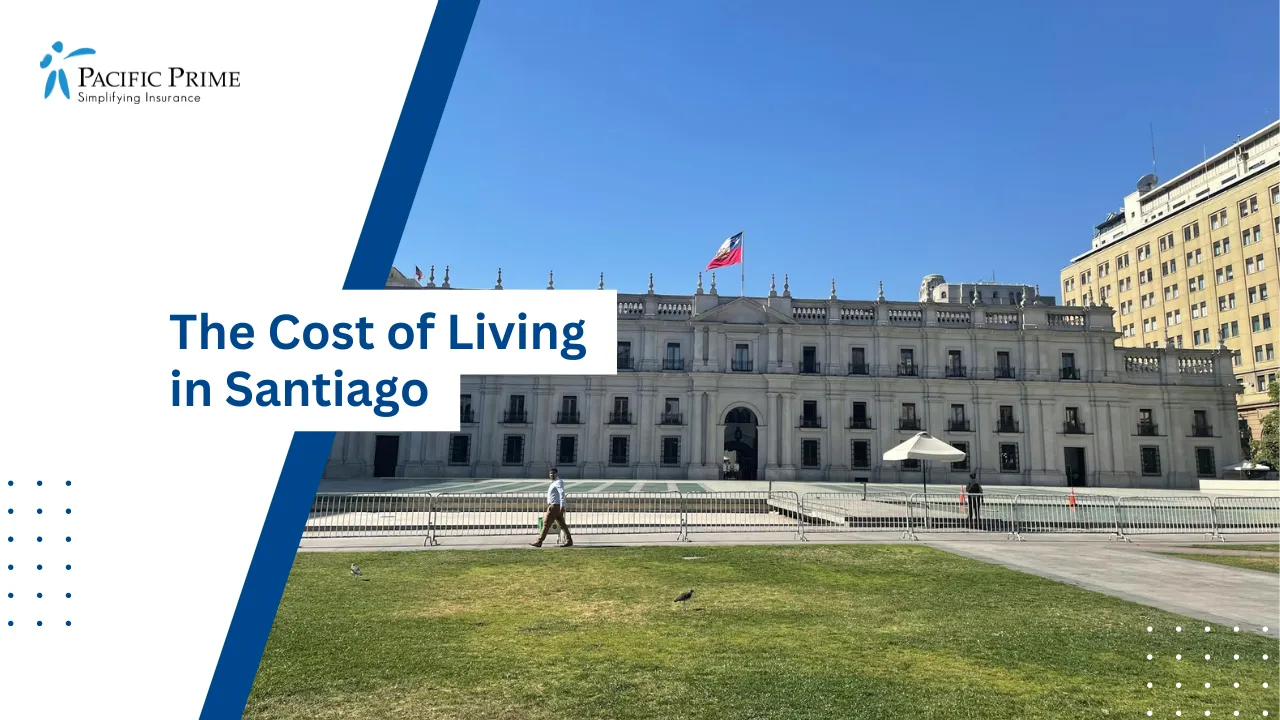
Including rent, a single person living in the center of Santiago, the capital city of Chile, has estimated monthly expenses of USD $1,240. Meanwhile, it will cost around USD $3,576 per month for a family of four to live in a larger apartment in the center of Santiago.
As the capital city of Chile and one of the biggest cities in Latin America, Santiago is the place for expats who value proximity to reliable infrastructure, modern amenities, and international networks.
Housing Costs in Santiago
Rent in Santiago is relatively higher than the nation’s average, especially in a safe neighborhood. Monthly rent can cost between USD $300 and USD $1300, depending on size and location.
| Apartment Type | Estimated Price |
| One-bedroom in the
city Center |
USD $512.50 |
| Three-bedroom in the
city center |
USD $995.80 |
| One-bedroom
outside the center |
USD $460 |
| Three-bedroom
outside the center |
USD $905.15 |
Monthly utilities add to the overall cost of living with estimated prices as follows:
- Electricity, heating, cooling, water, and garbage for 85 m²: USD $112.60
- Internet (60 Mbps or more with unlimited data): USD $12.45
- Mobile phone plan (with calls and 10GB+ data): USD $22.67
Food and Grocery Costs in Santiago
While buying groceries and cooking at home will cost only around USD $200 to USD $255 per month, depending on the types of food you make, eating out in Santiago is an affordable luxury, with a meal at an inexpensive restaurant costing around USD $8.62.
Here are the average prices of meals and common grocery items in Santiago:
- Milk (1 liter): USD $1.21
- Loaf of Fresh White Bread (500g): USD $1.55
- White Rice (1 kg): USD $2.14
- Eggs (12, regular): USD $4.09
- Local Cheese (1 kg): USD $10.47
- Chicken Fillets (1 kg): USD $6.67
- Beef Round (1 kg): USD $10.96
- Apples (1 kg): USD $2.06
- Banana (1 kg): USD $1.59
- Tomato (1 kg): USD $1.89
- Potato (1 kg): USD $1.91
- Onion (1 kg): USD $1.65
- Lettuce (1 head): USD $1.32
Transportation Costs in Santiago
Public transportation in Santiago consists of the metro, buses, taxis, and other e-hailing services. Listed below are the average costs for different types of transportation.
- One-way metro ticket: USD $0.75–USD $0.85
- One-way bus ticket: Starting from USD $0.68
- Base taxi fare: USD $0.49
- Taxi fare per kilometer: USD $1.59
For those who prefer to drive, the price for a Toyota Corolla Sedan can range between USD $20,480 and USD $25,860, while gasoline costs USD $1.40 per liter.
Education Costs in Santiago
For young children, the monthly fees for kindergarten or preschool are around USD $435. For an international primary school, the tuition fees range from USD $6,467 to USD $15,520 per school year. As students move to higher grades, fees tend to increase.
Entertainment and Leisure Costs in Santiago
There are a wide range of activities for visitors and expats in Santiago, as the city offers a mixed blend of modern urban facilities and historical sites, ideal for exploring and relaxing.
| Activity | Price |
| Monthly gym membership | USD $18.30 to USD $59.30 |
| Tennis court rental (per hour, weekend) | USD $13 to USD $27 |
| Movie ticket | USD $6.45 |
| Santiago Metropolitan Park | FREE |
| Sky Costarena | Adult: USD $19.25
Kids between 5 and 12: $USD 6.40 |
The Cost of Living in Viña del Mar
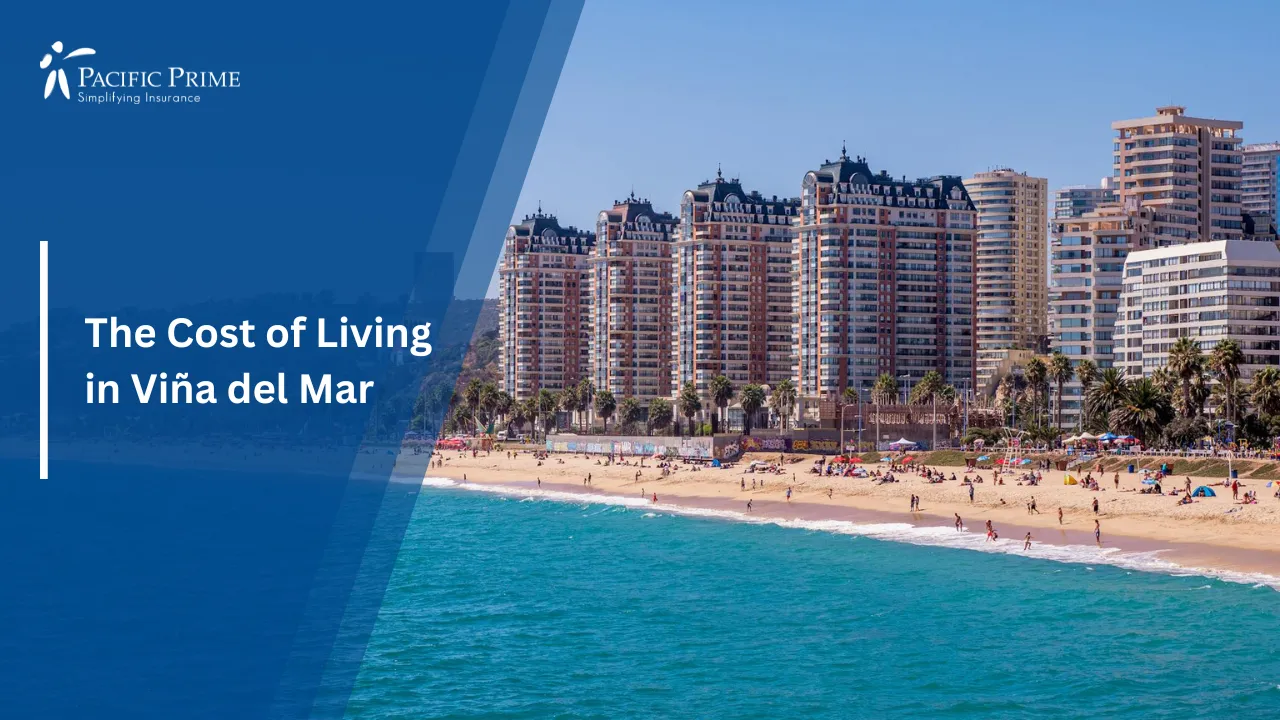
A single person living in Viña del Mar can expect to spend approximately USD $1,085 per month, including rent for a city-center apartment. For a family of four, the estimated monthly cost is around USD $3,127, which covers living expenses and rent for a larger apartment in the city center.
Viña del Mar, or Vineyard of the Sea, is a beach resort city ideal for those who look for a seaside lifestyle and slower pace of life, especially retirees, those working remotely, and those with passive income. Compared to Santiago, the city also offers a more affordable cost of living.
Housing Costs in Viña del Mar
Renting an apartment in Viña del Mar typically ranges from USD $267 to USD $855 per month, depending on the size, location, and amenities.
| Apartment Type | Estimated Price |
| One-bedroom in the
city center |
USD $450.70 |
| Three-bedroom in the
city center |
USD $827.75 |
| One-bedroom
outside the center |
USD $331 |
| Three-bedroom
outside the center |
USD $630.15 |
Unlike rent, monthly utilities in Viña del Mar are relatively pricier than those of Santiago. Below are the estimated costs:
- Electricity, heating, cooling, water, and garbage for 85 m²: USD $130.75
- Internet (60 Mbps or more with unlimited data): USD $19.50
- Mobile phone plan (with calls and 10GB+ data): USD $13.45
Food and Grocery Costs in Viña del Mar
The minimum monthly cost for groceries and home cooking in Viña del Mar is around USD $216. For dining out, a meal at an inexpensive restaurant typically ranges between USD $5.35 and USD $21.35.
Here are the average prices of meals and common grocery items in Viña del Mar:
- Milk (1 liter): USD $1.19
- Loaf of Fresh White Bread (500g): USD $1.28
- White Rice (1 kg): USD $1.63
- Eggs (12, regular): USD $2.90
- Local Cheese (1 kg): USD $9.72
- Chicken Fillets (1 kg): USD $5.07
- Beef Round (1 kg): USD $10.86
- Apples (1 kg): USD $1.89
- Banana (1 kg): USD $1.47
- Tomato (1 kg): USD $1.42
- Potato (1 kg): USD $1.31
- Onion (1 kg): USD $1.41
- Lettuce (1 head): USD $1.01
Transportation Costs in Viña del Mar
Buses, commonly called “micros,” are the most popular public transportation in Viña del Mar, and other options are metro, taxis, and a shared-taxi service. Listed below are the average costs for different types of transportation.
- One-way metro ticket: USD $0.22–USD $1.14
- One-way bus ticket: USD $0.37–USD $0.48
- Base taxi fare: USD $0.48
- Taxi fare per kilometer: USD $1.58
For a private vehicle, a Toyota Corolla Sedan may cost between USD $18,145 and USD $25,622, while gasoline costs USD $1.38 per liter.
Education Costs in Viña del Mar
In Viña del Mar, monthly fees for kindergarten or preschool average around USD $431.50. For international primary schools, annual tuition ranges from approximately USD $5,340 to USD $15,380. However, the overall international scene in Viña del Mar is smaller and less concentrated than in Santiago.
For higher education, Universidad del Viña del Mar is a private institution located locally in the northern part of the city. The tuition for an international student is approximately USD $4,290 per year.
Entertainment and Leisure Costs in Viña del Mar
With its rich cultural heritage and stunning coastline, Viña del Mar offers a wide range of activities. While natural attractions such as beaches and coastal areas are freely accessible to the public, some facilities and recreational activities may involve a fee.
| Activity | Price |
| Monthly gym membership | USD $21.35 to USD $74.75 |
| Tennis court rental (per hour, weekend) | USD $21.35 |
| Movie ticket | USD $5.35 |
| Jardín Botánico Nacional | USD $5 for foreigners |
| Playa Renaca | FREE |
| Quinta Vergara | FREE |
The Cost of Living in Valparaíso
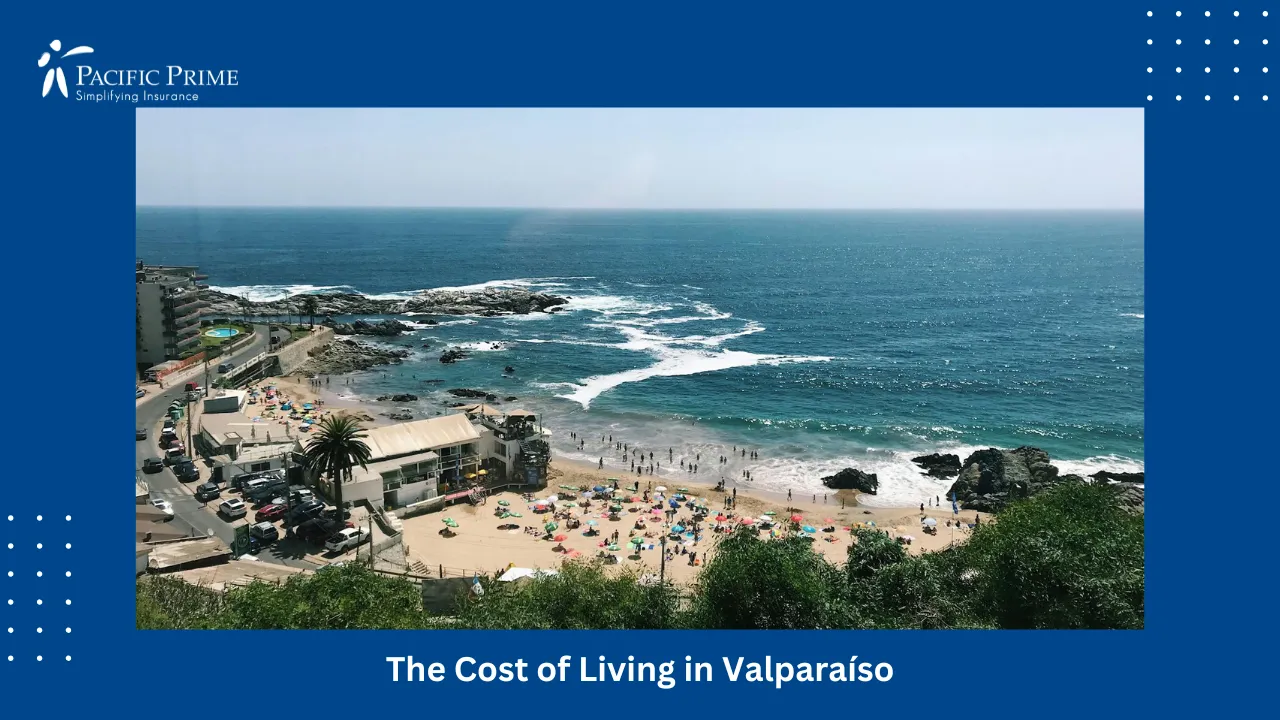
A single person living in Valparaíso typically spends around USD $1,085 per month, including central apartment rent. For a family of four, monthly expenses average about USD $3,011 for a larger city-center apartment.
Valparaíso is Chile’s administrative and main port city, renowned for its vibrant artisan scene and bohemian culture. The cost of living here is approximately 15.8% lower than in Santiago while still offering a unique blend of urban amenities and coastal charm.
Housing Costs in Valparaíso
Depending on the apartment’s size, location, and features, monthly rent in Valparaíso typically falls between USD $373 and USD $801.
| Apartment Type | Estimated Price |
| One-bedroom in the
city center |
USD $482.60 |
| Three-bedroom in the
city center |
USD $698.25 |
| One-bedroom
outside the center |
USD $430 |
| Three-bedroom
outside the center |
USD $569 |
Utilities in Valparaíso, such as electricity, water, and heating, are an additional monthly expense to consider. Below are the estimated costs:
- Electricity, heating, cooling, water, and garbage for 85 m²: USD $130.80
- Internet (60 Mbps or more with unlimited data): USD $21.75
- Mobile phone plan (with calls and 10GB+ data): USD $13.42
Food and Grocery Costs in Valparaíso
In total, it costs a minimum of USD $231.29 per person for monthly groceries in Valparaíso. For dining out, a meal at an inexpensive restaurant may range between USD $5.34 and USD $21.36 for one person.
Here are the average prices of meals and common grocery items in Valparaíso:
- Milk (1 liter): USD $1.20
- Loaf of Fresh White Bread (500g): USD $1.54
- White Rice (1 kg): USD $2.12
- Eggs (12, regular): USD $4.05
- Local Cheese (1 kg): USD $10.37
- Chicken Fillets (1 kg): USD $6.60
- Beef Round (1 kg): USD $9.43
- Apples (1 kg): USD $1.77
- Banana (1 kg): USD $1.58
- Tomato (1 kg): USD $1.42
- Potato (1 kg): USD $1.17
- Onion (1 kg): USD $1.32
- Lettuce (1 head): USD $1.31
Transportation Costs in Valparaíso
Public transportation in Valparaíso majorly relies on the bus system, funicular, and metro. Here are the average costs for different types of transportation.
- One-way bus ticket: USD $1
- Regular monthly bus pass: USD $30
- Base taxi fare: USD $0.48
- Taxi fare per kilometer: USD $0.75
For those who prefer driving, a Toyota Corolla Sedan may cost between USD $15,262 and USD $25,622, while gasoline costs around USD $1.37 per liter.
Education Costs in Valparaíso
Kindergarten or preschool in Valparaíso typically costs about USD $431.73 per month. For international primary schools, yearly tuition ranges between USD $6,408 and USD $15,379.
There are five public and private universities in Valparaíso, with approximately USD $5,000 for annual tuition fees.
Entertainment and Leisure Costs in Valparaíso
Beyond basic leisure options, this vibrant port city, recognized as a UNESCO World Heritage Site, offers countless opportunities to immerse yourself in Chilean cultural heritage and enjoy its unique blend of art and nature.
| Activity | Price |
| Monthly gym membership | USD $21.35 to USD $23.5 |
| Tennis court rental (per hour, weekend) | USD $5.45 to USD $42.75 |
| Movie ticket | USD $5.35 |
| Cerro Concepción | FREE |
| La Sebastiana | USD $10.60 |
For expats who value nature and are drawn to ecosystems rich in beaches, rainforests, and wildlife—distinct from what Chile offers—it’s worth exploring the cost of living in countries like Costa Rica and Panama.
Healthcare Costs in Chile
Chile offers a high-quality healthcare system, recognized as one of the best in Latin America, with both public (FONASA) and private (ISAPRE) options available to expats who hold a local work contract.
All employees in Chile are required to contribute 7% of their monthly income toward health insurance. This mandatory contribution can be directed to either the public or private system.
- Public System (FONASA): This is the public option offering access to government-run hospitals and clinics, often at little or no cost.
- Private System (ISAPRE): The same 7% base fee applies, but most private plans charge extra based on the level of coverage you choose. In return, ISAPRE offers access to private hospitals, shorter wait times, and more flexibility in selecting healthcare providers.
However, international insurance is also available for additional coverage or for remote workers exempted from Chile’s mandatory health system. It offers greater flexibility. overseas coverage, and access to a wider range of top insurance providers.
Cost of Outpatient Consultation in Chile
For expats, services in private facilities with English-speaking staff can be quite costly. Below are the estimated prices for outpatient consultations in top private facilities in Chile.
| Service Type | Est. Price in Private Sector (per visit) |
| General consultation | USD $60–USD $90 |
| Specialist consultation | USD $80–USD $200 |
Cost of Inpatient Stay in Chile
The cost of an inpatient stay in private clinics and hospitals varies based on the type of ward and the level of medical care needed.
| Service Type | Est. Price in Private Sector (per night) |
| General ward bed fee | USD $317–USD $795 |
| Minor surgery cost | USD $1,057–USD $3,385 |
| ICU stay | USD $1,180 |
| Maternity unit stay | USD $860.50 |
Cost of Common Diagnostic Tests in Chile
For those requiring pre-evaluation tests, the table below outlines estimated prices for common diagnostic procedures at private clinics. Actual costs may vary slightly based on the clinic and its location.
| Service Type | Est. Price in Private Sector |
| Chest X-ray | USD $56 |
| CT Scan | USD $285 |
| MRI | USD $438–USD $666 |
| Spirometry | USD $42.15 |
Cost of Surgical Procedures in Chile
Chile has one of the most well-equipped healthcare systems in Latin America, making it reliable for undergoing major surgeries. Below is a list of estimated prices for common surgical procedures in Chile’s private healthcare sector.
| Service Type | Est. Price |
| Appendectomy | USD $1,005–USD $1,608 |
| Cataract Surgery | USD $1,002 |
| Cesarean Section (C-Section) | USD $1,000–USD $1,325 |
| Hip Replacement | USD $2,406 |
| Knee Replacement | USD $1,940 |
Cost of Medications in Chile
In Chile, the average cost of first aid medication is approximately USD $5, while for more serious ailments such as neurological conditions, the average medication cost rises significantly to around USD $43.3.
The prices, however, can vary widely depending on the pharmacy and the type of drug. Branded medications are often significantly more expensive than their generic equivalents.
Chile has long suffered relatively pricier medication costs when compared to other Latin American countries. However, it has been undergoing regulatory changes that aim to make essential drugs more affordable and accessible through several measures.
Secure Your Health Coverage with Pacific Prime
While Chile provides universal healthcare for residents, including expats with local employment, those relying on public facilities may encounter long wait times. Navigating an unfamiliar healthcare system can also be challenging, especially while trying to settle into a new country.
Chile is a vibrant country rich in culture, history, and breathtaking natural beauty. With so much to experience, healthcare concerns shouldn’t overshadow the expat journey.
Whether you need short-term coverage, additional protection, or comprehensive plans for long-term living, Pacific Prime—with 25 years of trusted experience—can help you find and tailor the perfect insurance solution to fit your budget and healthcare needs.
Contact us today for a consultation, quote, or a FREE plan comparison.
For a broader understanding of life in the region, explore our articles on the cost of living across the Americas and health insurance in South America.
Frequently Asked Questions
Is it possible to live well on the average Chilean salary?
The average monthly salary in Chile, at USD $1,405, is enough to live reasonably well and cover the total monthly cost of living at around USD $1,250. However, in Santiago or with a family, the average salary may only provide a modest standard of living, and budgeting will be important.
How safe is Chile for expats?
Chile is generally regarded as one of the safest countries in South America, particularly when compared to its neighbors. However, it is advisable for expats to stay alert for petty crime and keep up to date with local news, particularly in major urban areas.
Is English widely spoken in Chile?
While English is not widely spoken in Chile, proficiency level is improving. In 2024, Chile is ranked eighth out of 21 Latin American nations by the EF English Proficiency Index. The overall score is higher than the global average and has been on the upward trend since 2013.
How long are wait times in public hospitals compared to private clinics?
Wait times in Chilean public hospitals are significantly longer than in private clinics. For example, the median wait time for cataract surgery in public hospitals is 97 days and for hip replacement 240 days. Private facilities, on the other hand, can generally provide minimal delays.
Do I need private health insurance if I already contribute to FONASA?
You are not required to have private health insurance if you already contribute to FONASA, as the government only mandates either FONASA or ISAPRE for residents and employees in Chile. However, many people with higher incomes prefer having private health insurance for better coverage.
- Thailand Digital Nomad Visa 2025: How to Apply – October 20, 2025
- Top Health Insurance in Thailand for Spanish Expats: Options and Benefits – October 20, 2025
- Arab Orient Insurance and GIG Health Insurance for Expats in Dubai – October 15, 2025



Comments