300x85-png.webp)


 Hong Kong
 Singapore
 China
China Dubai
Dubai Thailand
 United Kingdom
 Mexico
Malaysia has one of the most advanced and affordable healthcare systems in Asia, benefiting from extensive government support, and most medical staff are well-trained and able to communicate in English.
Discover the world’s top
health insurers.
Compare quotes with
a click of the button.
Are you planning the move to Malaysia? This Pacific Prime article will be your complete guide to Malaysia’s Healthcare System, what you should know before flying there, and what you can do to get the best medical coverage possible for foreigners in the Malay Peninsula.
Overview of Malaysia’s Healthcare System
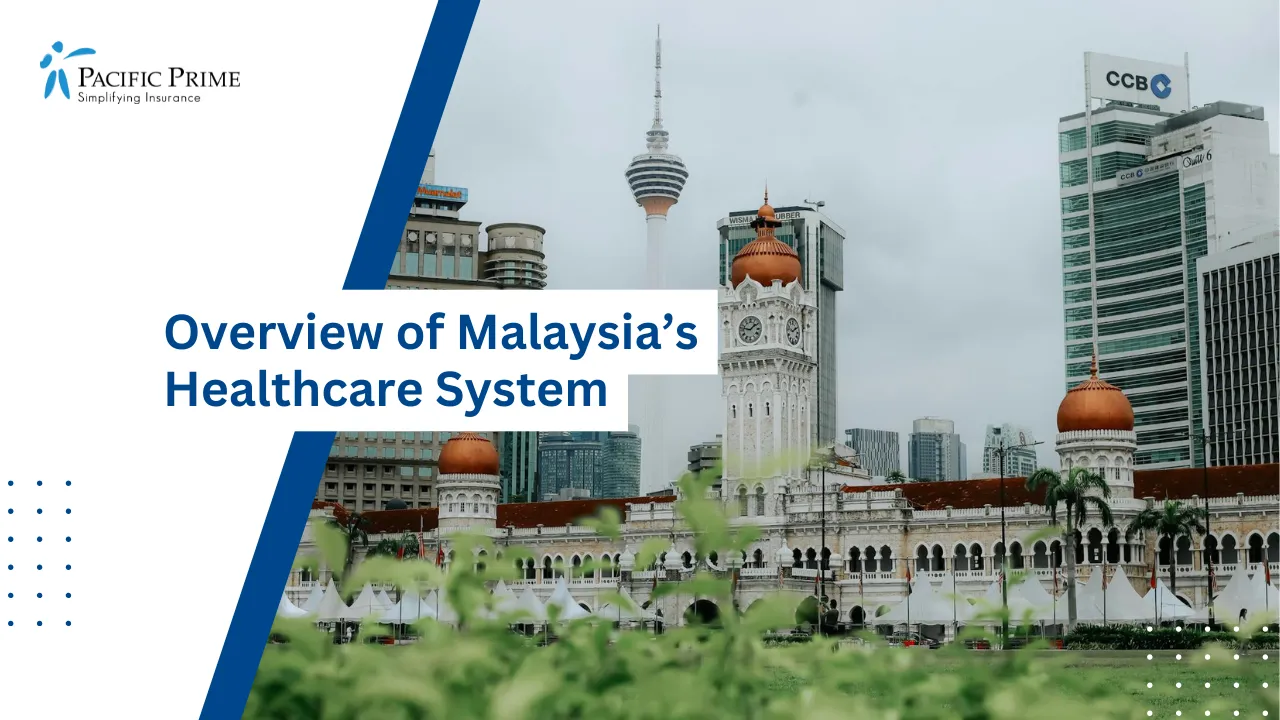
Malaysia has a two-tier healthcare system: the tax-funded public sector and the private sector. Public healthcare offers universal, low-cost services for legal residents, while private care offers faster, more personalized services.
Most doctors in Malaysia speak English at a communicable level and were trained in the UK, the US, or Australia, so they are considered to meet western medical standards.
Public Healthcare Sector in Malaysia
Funded through general income taxation, public healthcare is accessible to all Malaysian citizens. The government has boosted funding recently to address the growing elderly population and rising healthcare demands for non-communicable diseases (NCDs) like diabetes and cardiovascular diseases.
Private Healthcare Sector in Malaysia
Private facilities offer faster services, better doctor-patient ratios, and more attractive salaries for doctors and medical professionals. This incentive draws in doctors from the public sector, which directly impacts staffing issues in public hospitals.
Hospital Infrastructure & Staffing Challenges in Malaysia
As of 2020, Malaysia had 146 public hospitals and 202 private ones. Since 2014, there’s been a growing shortage of medical professionals, especially in rural areas. While the public sector serves about 65% of the population, it’s staffed by only 45% of the country’s doctors and just 25–30% of specialists.
This problem is largely due to lower salaries and heavier workloads for doctors in public hospitals. Many professionals leave the public system for better pay and conditions in the private sector, putting more strain on already overcrowded and understaffed public services.

Cost of Malaysia’s Healthcare System
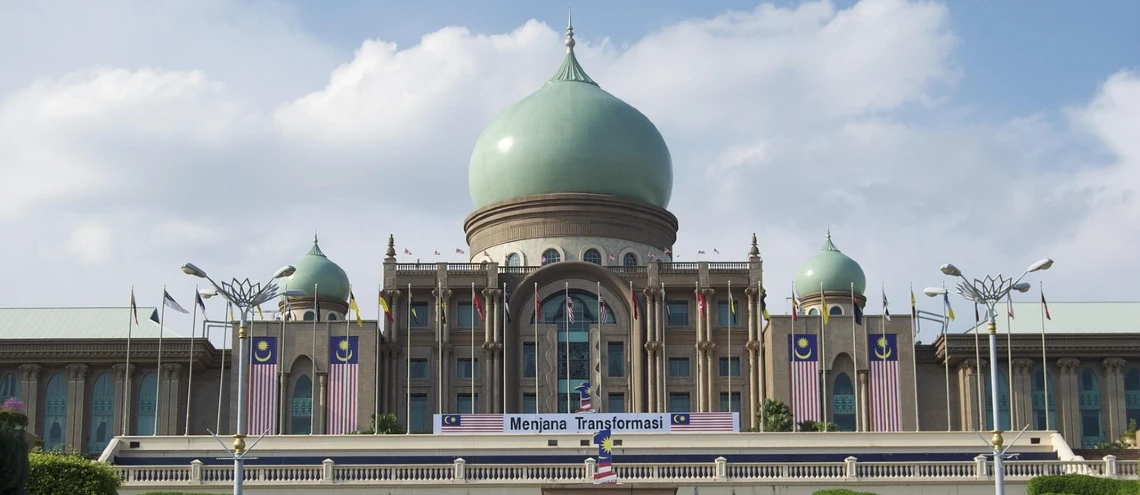
Healthcare costs in Malaysia can vary widely depending on whether you use public or private services and whether you have insurance coverage.
Price Differences Between a Public and Private Hospital in Malaysia
To help you compare, here are the average prices for some of Malaysia’s most popular medical treatments in both government and private hospitals.
| Treatment | Public hospital | Private hospital |
| Spine Surgery | RM 15,000-36,000 (USD 3,490–8,370) | RM 40,000-55,000
(USD 9,300–12,790) |
| Stroke | RM 4,000 and above
(USD 930+) |
RM 35,000-75,000
(USD 8,140–17,440) |
| Kidney Stone | RM 3,000-10,000
(USD 700–2,330) |
RM 9,000-40,000
(USD 2,090–9,300) |
| Cataract | RM 100-540
(USD 23–125) |
RM 3,500-6,000
(USD 810–1,400) |
| Dengue Fever | Free | RM 3,500-6,000
(USD 810–1,400) |
Cost of Prescription Drugs in Malaysia
Prices of prescription drugs and medicines in general are cheaper in Malaysia compared to most Western countries. Here are some examples of the most common over-the-counter drugs found in Malaysia, according to Malaysia’s Ministry of Health.
| Medication name | Retail price per pack |
| Ibuprofen 400 mg tablet (pack of 1,000 tablet) | RM 160 (USD 37) |
| Pseudoephedrine HCL 30 mg/5 ml (bottle of 90 ml) | RM 4.20 (USD 1) |
| Loratadine 1 mg/ml Syrup (bottle of 60 ml) | RM 4.80 (USD 1.1) |
| Hydrocortisone 1 % Cream (tube of 15 gram ) | RM 7.70 (USD 1.8) |

Healthcare Options for Expats and Travelers in Malaysia
Unlike Malaysian citizens, who get a heavily subsidized rate for healthcare at a public hospital, expats must pay for their medical care in full if they are not covered by insurance or enrolled in the Foreign Worker Hospitalization and Surgical Scheme (FWHS).
Expats in Malaysia can qualify for the FWHS if they meet the criteria. First, the employer must enroll you to join the scheme. It has an annual limit of up to RM 20,000 (USD 4,620) and covers room and board up to RM 160 (USD 37) and ICU fees up to 15 days. Coverage includes:
- Daily Hospital & Room Board (Maximum up to 30 days)
- Intensive Care Unit (ICU) (Maximum up to 15 days)
- Hospital Supplies and Services
- Operating Theatre
- Surgical fees (Excluding Organ Transplantation)
- Anesthetist Fees
- In-Hospital Physician Visits (Maximum up to 30 days)
- In-Hospital Specialist Consultation Visits (Maximum up to 30 days)
- Ambulance Fees / Medical Report Fees
To be eligible for this scheme, foreign workers must meet the following criteria:
- Be current and future full-time employees of the certificate holder.
- Be between 18 and 60 years of age and actively performing their regular work duties.
Please note that domestic workers are excluded from this scheme. Domestic workers include individuals employed in or connected with the work of a private dwelling house, such as housemaids, personal drivers, gardeners, personal bodyguards, house guards, cooks, nurses, caretakers, and valets.
The coverage period for this scheme is one year and is renewable.
Another popular option for expats in Malaysia is to get private health insurance for their healthcare needs. Not only will you get access to private medical facilities, but you can also be sure that the coverage limits will match your potential medical expenses.
For short-term visitors, you can technically go to public hospitals, but you’ll need to pay in full, which can sometimes equal the cost of private hospital care. It is recommended for travelers and those on shorter stays to secure travel insurance to cover unforeseen medical expenses during your trip.

The Difference Between Private and Public Health Care in Malaysia

The Malaysian government helps subsidize medical costs in public hospitals, making medical care accessible for all Malaysians, though the treatments, patient care, customer service, and facilities in public hospitals may not be ideal for expats, as local patients flood in every day.
With higher service fees, private hospitals can improve your hospital experience by offering clean and pleasant environments, attentive service, various room types, and wider food and medicine selections.
Additionally, private hospitals offer shorter wait times for doctor examinations. If you are visiting a patient, private hospitals also allow more privacy and longer visiting hours in a private ward.
Challenges for Expats in the Malaysian Healthcare System
Navigating the healthcare system in Malaysia can be tough work for expats. While the country offers high-quality medical care at comparatively lower prices, having comprehensive health coverage ensures your financial stability and access to the best private medical facilities.
Expats in Malaysia are likely to face higher medical fees, as stated in the Fees Act (Medical) (1951) that non-citizens will be charged between 24 and 100 times more than citizens to access care in public hospitals. This can make public healthcare costs comparable to private hospital charges.
For foreign workers enrolled in the FWHS, this scheme has an annual limit of RM 20,000 (USD 4,620) and specifies which hospitals you can attend, potentially limiting the quality of care received and possibly requiring additional payments.
Even with the FWHS, expats may still face expensive out-of-pocket fees, especially for major procedures, without adequate insurance. Due to the potential high costs in both public and private facilities, comprehensive international health insurance is highly recommended for expats in Malaysia.
Let Pacific Prime Guide Your Journey to Malaysia
Navigating a new life abroad shouldn’t be stressful, especially when it comes to your health. With more than 25 years of experience in the industry, Pacific Prime is ready to help expats from all over the world secure the ideal international health insurance plan that matches their needs and budget.
Whether you’re an expat living in Malaysia looking for healthcare coverage to protect yourself from unexpected medical costs or if you’re a visitor looking for travel insurance here, our experts are more than ready to help you kickstart your journey to Malaysia.
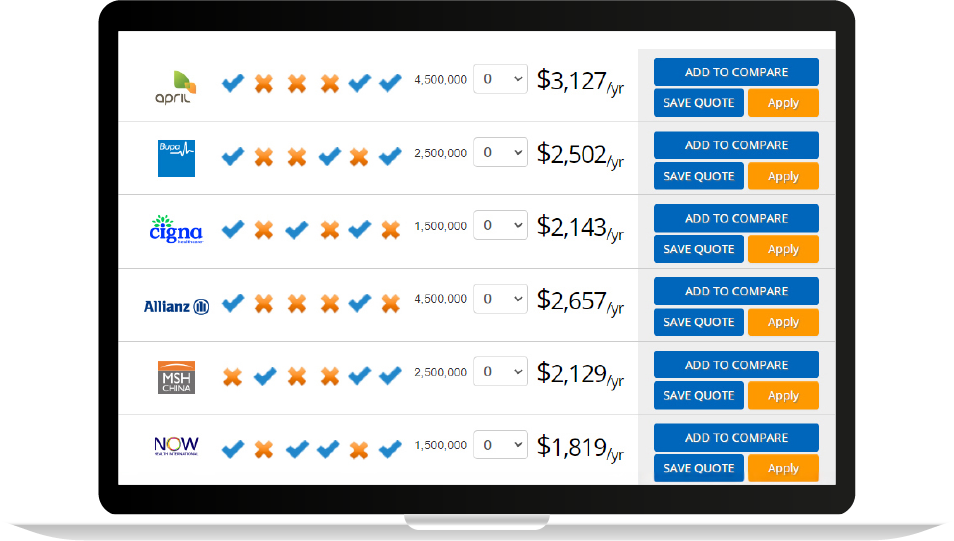
Contact us today for a free quote and no-obligation plan comparison!
Frequently Asked Questions
Is Health Insurance Mandatory for Expats in Malaysia?
All expats in Malaysia are not legally required to have health insurance, but we strongly recommend having coverage. Long-term residents and employment visa holders may be eligible for employer-sponsored insurance, while self-funded expats and retirees must arrange their own coverage.
What is the Emergency Number in Malaysia?
Expats in Malaysia can dial 999 to call the primary emergency number for the ambulance, police, and fire department, or dial 112 from a mobile phone. This will work even if the phone is locked or has no credit. All 112 calls will be redirected to the 999 response center.
Will My Health Insurance Cover Medical Evacuation?
Medical evacuation may be covered in some international health insurance plans, since they are very customizable and can be adjusted to suit your specific needs. The majority of international health insurance plans offer coverage extension for medical evacuation and repatriation benefits.

With his keen interest in journalism, especially in the healthcare and wellness field, Tawan joins Pacific Prime with the goal of creating content that simplifies health insurance solutions, helping people make informed choices and choose the best options for their needs. Tawan firmly believes that words have power that can shape the world for the better.
In his free time, Tawan loves to pick up his Nintendo Switch and wield his Master Sword in Hyrule’s dungeons. He is also an avid sci-fi books/shows enjoyer. You can spot him hanging around bookstores and game shops all day long!
- Best Health Insurance for Solo Traveling in Thailand – October 22, 2025
- Top Health Insurance in Thailand for Irish Expats: Options and Benefits – October 18, 2025
- Daman Health Insurance for Expats in Dubai: Plans, Benefits, and Options – October 15, 2025



Comments