300x85-png.webp)


 Hong Kong
 Singapore
 China
China Dubai
Dubai Thailand
 United Kingdom
 Mexico
Portugal has become an increasingly popular choice for Latin Americans seeking a fresh start. With cultural ties, a mild climate, and access to EU benefits, it offers a relaxed yet rewarding lifestyle in a safe, welcoming environment.
Discover the world’s top
health insurers.
Compare quotes with
a click of the button.
Thinking of relocating to Portugal? Wondering what daily life, costs, and integration will look like for you or your family?
In this article by Pacific Prime, we explore what life in Portugal is like for Latin Americans, outlining visa options and living costs, to cultural differences and integration tips. We also explain why securing international health insurance is essential for peace of mind abroad.
Visa and Residency Options for Latin Americans in Portugal
Portugal offers several residency pathways for Latin Americans, depending on income, work status, or retirement plans. The most popular include the D7 Visa for passive income earners and retirees, and the D8 Digital Nomad Visa for remote workers with stable foreign income.
Thanks to historical and linguistic ties, Brazilians and nationals from other Portuguese-speaking countries enjoy a faster path to citizenship, just five years of legal residence instead of the standard ten. This makes long-term settlement more attainable than in many EU nations.
D7 Visa (Passive Income Visa)
The D7 Visa is ideal for retirees or individuals with stable passive income, such as pensions, investments, or rental income. Applicants must prove they can support themselves and show proof of accommodation and private health insurance for their stay.
Minimum monthly income is around €820 (~USD $885) for individuals, plus 50% for a spouse and 30% per dependent. The visa leads to a renewable residence permit, and after five years, eligible residents may apply for permanent residency or citizenship.
D8 Digital Nomad Visa
The D8 Visa suits remote workers earning income from abroad. You’ll need to show a stable income of at least four times the Portuguese minimum wage—around €3,280/month (~USD $3,535)—plus proof of accommodation, a work contract, and private health insurance.
This visa allows you to live in Portugal while working for a foreign employer or as a freelancer. It’s popular among Latin Americans with remote careers, offering access to Portugal’s public services and a stable base in the EU.
Cost of Living in Portugal for Latin Americans
Portugal is one of Western Europe’s most affordable countries, drawing many Latin Americans with its low costs of living, mild climate, and high quality of life.
A single person can live comfortably on €1,300–€1,750 (USD $1,400–$1,890) per month, with families spending more depending on location and lifestyle.
- National average: €1,500 (USD $1,620) per month
- Family of four (Lisbon): ~€2,024 (USD $2,185) without rent
- Average monthly income: ~€1,500 (USD $1,620)
Housing Costs
Rent varies widely depending on the city. Lisbon and Cascais are the priciest, while Braga, Coimbra, and inland towns offer far better value for money without sacrificing amenities or safety.
Apartments in the city center are more expensive, but choosing the outskirts or smaller towns can lower rent by 30% or more.
- One-bed (city center): €1,200–€1,800 (USD $1,300–$1,950) per month
- One-bed (outside of the city center): €500–€900 (USD $540–$980) per month
- Property purchase price: €1,500–€6,400 (USD $1,620–$6,900) per m²
Groceries and Dining
Eating well in Portugal is easy on the wallet. Local markets sell fresh produce, seafood, and meat at great prices. Dining out is affordable, especially with daily lunch specials called “prato do dia.”
Restaurants and cafés are widely accessible, with high-quality meals at low cost compared to most Western countries.
- Monthly groceries: €200–€300 (USD $216–$325)
- Meal at mid-range restaurant: €10–€20 (USD $11–$22)
- Cafe/fast food options: From €3 (USD $3.25)
Utilities and Internet
Basic utilities—electricity, water, gas, and waste—vary by season. Winter bills can double due to heating in older buildings. Many residents save with energy-efficient appliances and smart meters.
Internet and mobile plans are fast and reliable. Bundled deals with TV and phone often cut costs for long-term stays
- Utilities: €100–€200 (USD $108–$215) per month
- Internet + mobile: €25–€40 (USD $27–$43) per month
Transportation
Portugal’s public transport is efficient and low-cost. Lisbon and Porto have strong metro, tram, and bus networks. Smaller cities are walkable and well-connected by intercity trains. Driving is optional, though some areas may require a car. Fuel and tolls add to overall car costs.
Besides buses, metros, and trams, taxis and ride-hailing apps like Uber are popular and affordable in major cities. Regional differences exist; rural areas may rely more on cars.
Monthly public transport passes offer good value, while fuel and tolls add to car ownership costs.
- Monthly transit pass: €40–€50 (USD $43–$54)
- Gasoline: ~€1.90 (USD $2.05) per liter
- Intercity travel: Affordable and widely available
Entertainment and Lifestyle
Portugal boasts vibrant festivals like Festa de São João in Porto and Lisbon’s Sardine Festival, great for cultural immersion. Outdoor activities like surfing, hiking, and wine tours suit active lifestyles.
Cinema, theaters, and gyms are affordable, with many museums offering free entry on certain days.
- Gym membership: €25–€70 (USD $27–$75) per month
- Movie ticket: €7–€8 (USD $8–$9)
- Free activities: Beaches, museums, walking trails
Cultural Similarities and Differences Between Latin America and Portugal
Latin Americans often find Portugal familiar and easy to adapt to. While there are shared roots in language, religion, and traditions, newcomers will still notice differences in daily life, pace, and social customs that shape the Portuguese experience.
Understanding both the similarities and differences helps ease integration and avoid confusion. While warm and welcoming, Portuguese society is more reserved than many Latin American cultures, which can take time to adjust to.
Language and Communication
Portuguese is the official language, but the accent and expressions differ from Latin America, especially for Brazilians. For Spanish-speaking Latin Americans, the language barrier may be greater, but shared Latin roots make learning easier.
While many locals speak English in cities, speaking Portuguese—even at a basic level—goes a long way in building trust and respect. Language courses and immersion help smooth communication and deepen cultural connections.
Social Norms and Daily Life
Portugal has a slower, more relaxed pace than most Latin American capitals. Punctuality is valued, and bureaucracy is known for being slow but methodical. Patience is key when dealing with public offices or scheduling services.
Family and food are central to Portuguese life. Mealtimes are social events, and long lunches are common. Expect quieter public behavior, fewer displays of emotion, and a more reserved tone in everyday conversation compared to Latin American norms.
Challenges Latin Americans May Face While Living in Portugal

Portugal is welcoming, but adjusting to a new country still comes with challenges. Latin Americans often face issues related to language, bureaucracy, and navigating everyday systems. Understanding these ahead of time helps ease the transition.
While Brazilians may feel at home linguistically, others may struggle with Portuguese pronunciation, paperwork, or slower service norms. Preparing mentally and practically can reduce early frustration and help you settle more smoothly.
Language Gaps and Accent Differences
Spanish-speaking Latin Americans may find European Portuguese harder to pick up than expected. The pronunciation is faster, softer, and full of contractions, which can make understanding locals tricky at first, even with prior exposure to Brazilian Portuguese.
Even Brazilians may need time to adjust to regional accents and formal vocabulary. Language apps, local classes, or community-based learning programs can help bridge this gap and build confidence in day-to-day communication.
Bureaucracy and Administrative Hurdles
Portugal is known for its complex, paperwork-heavy systems. From registering your NIF (tax ID) to signing a lease or opening a bank account, expect a lot of appointments, stamps, and delays, especially in public offices.
Online booking portals can be clunky, and office hours are often limited. It helps to bring all documents, arrive early, and follow up persistently. Many expats recommend hiring a gestor (administrative helper) to navigate red tape faster.
Building a Community in Portugal
Portugal offers strong community ties for Latin Americans, especially in cities like Lisbon, Porto, Setúbal, and Faro. Whether you’re Brazilian, Colombian, Peruvian, or beyond, you’ll find fellow expats, cultural events, and a growing support network to feel at home.
Meeting people is easier than you might expect. Churches, cafés, meetups, and language exchanges are common starting points. Many expats also find community through parenting groups, coworking spaces, or volunteer opportunities.
Where Latin Americans Settle in Portugal
Lisbon has the largest Latin American population, with vibrant Brazilian and Venezuelan communities. Setúbal and Almada also attract many with their lower costs, coastal lifestyle, and strong transport links to the capital.
Porto and Braga are rising hotspots thanks to growing tech scenes, universities, and affordability. Coastal towns like Cascais, Lagos, and Nazaré attract retirees and remote workers seeking ocean views and a relaxed pace of life.
Connecting with Others
Facebook groups like Brasileiros em Lisboa or Latinos en Portugal are useful for advice, housing leads, and social connections. Cultural centers and embassies also organize events that promote Latin American food, music, and traditions.
Language exchange programs, Latin dance classes, and local festivals make it easier to integrate while celebrating your roots. For many Latin Americans, Portugal becomes not just a destination, but a second home.
Healthcare and Insurance in Portugal
Portugal offers a high standard of healthcare, with both public and private systems available. While residents can access the public system (SNS), many Latin American expats opt for private care for shorter wait times, English-speaking doctors, and wider provider choice.
To use public healthcare, you must have legal residence and register with your local health center. Still, gaps in access and services lead many expats to purchase international health insurance for more flexibility and faster care options.
Public Healthcare (SNS)
Portugal’s Serviço Nacional de Saúde (SNS) offers affordable care, covering GP visits, hospital treatment, and emergencies. Residents pay small co-payments for services, and some treatments—like maternity or chronic care—are heavily subsidized or free.
However, wait times can be long, and not all staff speak English. Many expats find the system reliable for basics, but use private clinics for speed and convenience. You’ll need a Número de Utente (health number) to enroll and book appointments.
Private Healthcare and Insurance
Private care offers faster access, modern facilities, and multilingual services. Clinics like CUF, Hospital da Luz, and Lusíadas Saúde are known for high-quality care and are popular among expats in Lisbon, Porto, and coastal regions.
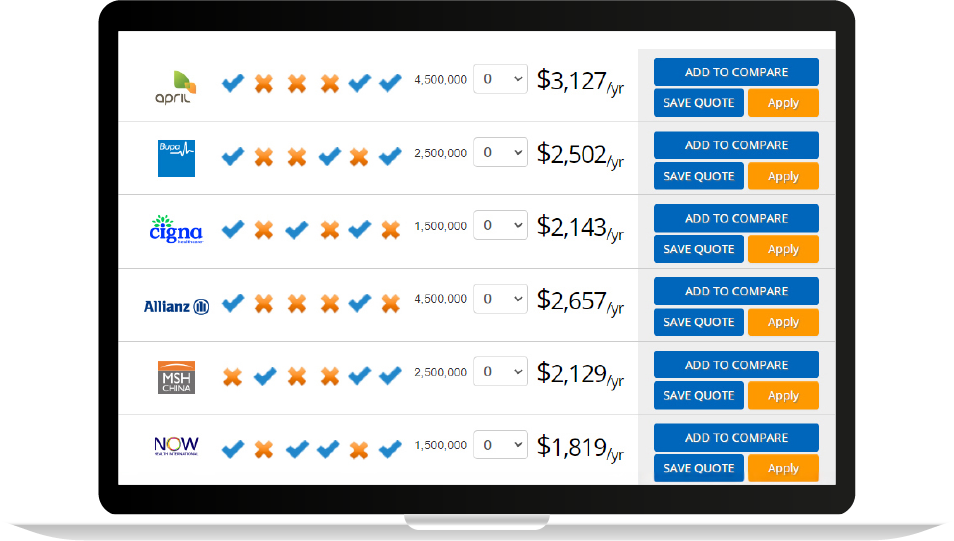
While private services are not covered by SNS, international health insurance allows you to access them affordably. Pacific Prime works with top insurers in Portugal to help Latin Americans compare expat plans that match their needs and budget.
Education and Opportunities for Families in Portugal
Portugal’s education system is accessible and welcoming to Latin American families. From preschool to university, options include public schools, private bilingual institutions, and top universities with programs in both Portuguese and English.
Families relocating with children can expect a smooth transition. Education is free in public schools, while international schools offer tailored support for expat students adjusting to a new language, curriculum, and environment.
Public vs. Private Schooling in Portugal
Public schools follow the national curriculum and are free to residents. While instruction is in Portuguese, many schools offer language support for new arrivals. These schools are a great way for children to integrate into local communities.
Private and international schools offer smaller class sizes and bilingual or English-language education. Popular choices include Carlucci American International School (Lisbon), Oporto British School, and St. Dominic’s International School.
Higher Education Options in Portugal
Portugal’s universities are increasingly international. Latin Americans can apply with ease, especially Brazilians, thanks to academic partnerships. Tuition is low by global standards, often €1,000–€3,000 ($1,080–$3,250) per year for public universities.
Top institutions include Universidade de Lisboa, Universidade do Porto, and NOVA University Lisbon. Many offer English-language degrees in business, tech, and international relations, which are popular among expats and local students alike.
Stay Protected with Pacific Prime While Living in Portugal
Making the move to Portugal as a Latin American brings exciting opportunities, but having reliable international health insurance is crucial. It guarantees you access to quality care for everyday needs and unexpected medical situations.
Not sure which coverage fits your lifestyle or family? Pacific Prime leverages 25 years of experience and strong insurer partnerships in Portugal to guide you through choosing the best expat insurance and family insurance plans within your budget.
Contact us today for a free consultation and tailored plan comparison.
Enjoyed this guide? Explore related articles like Living in Portugal as an American and the Guide to the Portugal Digital Nomad Visa.
For more on top international health insurers in Portugal, check out our article here.
Frequently Asked Questions
Can a Mexican move to Portugal?
Mexican citizens and other non-EU nationals can live and work in Portugal by applying for a Portuguese residency permit. Designed for stays over 90 days, the specific type of permit required depends on the purpose of your visit.
What are the best cities in Portugal for immigrants?
Lisbon, Porto, the Algarve, Cascais, and Madeira are popular among expats thanks to their lively atmosphere and welcoming expat communities.
What is the safest city in Portugal?
Some of the safest places to live in Portugal include Lisbon, Braga, Porto, Funchal (Madeira), Portimão, Cascais, Aveiro, and Coimbra. Still, locals and expats should stay alert for pickpockets, particularly in busy tourist spots.

After obtaining his Bachelor’s Degree in Social Sciences, International Relations from Mahidol University International College, Veerabhatr has forged his career as a content writer in the travel, lifestyle, and real estate industries, writing in both English and Thai. He now continues to hone his skills as a writer at Pacific Prime, looking to engage and educate the audience by simplifying insurance.
Writer by day, and a DJ by night, Veerabhatr is a staunch music lover, and listens to all spectrums of genres available. He also loves to drink beer (moderately), eat all types of food, go to the beach, and learn about different cultures across the globe. He is also a die-hard fan of football and motorsports.
- How Much Salary Do You Need to Live Comfortably in Thailand? – October 22, 2025
- Guide on Moving to Thailand from Canada as An Expat – October 20, 2025
- Top Health Insurance in Thailand for Russian Expats: Options and Benefits – October 16, 2025



Comments