300x85-png.webp)


 Hong Kong
 Singapore
 China
China Dubai
Dubai Thailand
 United Kingdom
 Mexico
With its sunny climate, rich culture, and laid-back lifestyle, Spain has become a magnet for digital nomads and expats from around the world. Whether you prefer the vibrant city life of Madrid or the coastal charm of Valencia, Spain has a wide range of destinations to offer.
Discover the world’s top
health insurers.
Compare quotes with
a click of the button.
In this Pacific Prime article, we’ll take a closer look at the cost of living in the five most popular cities for digital nomads in Spain: Barcelona, Madrid, Valencia, Granada, and Seville, as well as what it’s like to live and work in each one.
Top 5 Popular Cities in Spain for Expats and Digital Nomads
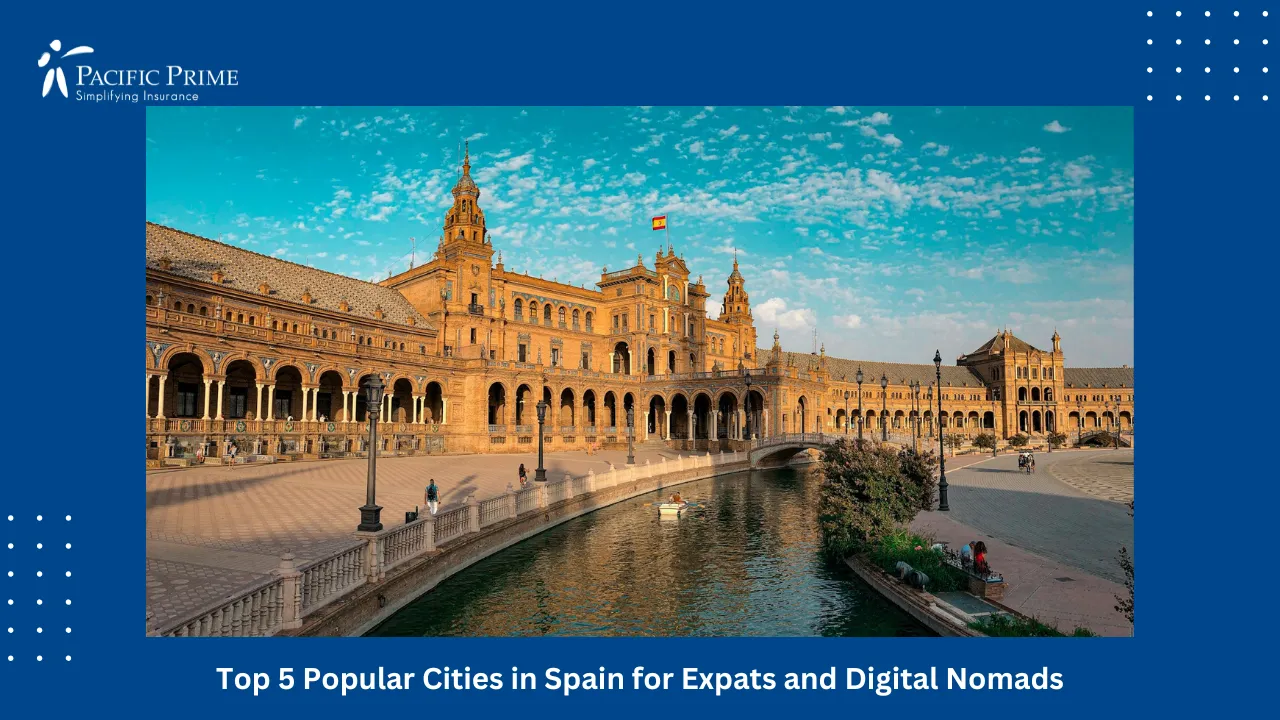
Thanks to its mix of affordable living, reliable infrastructure, and strong expat communities, Spain’s appeal has drawn remote workers from around the world. Here are the top five cities picked by expats and digital nomads to be their second home.
Barcelona
Barcelona is Spain’s second-largest city. Known for its iconic architecture, like the Sagrada Família, vibrant street life, and strong startup culture, it attracts expats who want both career opportunities and quality of life.
The city is also home to a large, active expat community, with English commonly spoken and social networks making it easy to connect. Coworking spaces are everywhere, supporting a strong entrepreneurial scene.
For downtime, the city’s public transport makes it easy to explore, whether you’re heading out for tapas after dark or day-tripping to nearby towns. And with local beaches, hiking trails, and watersports all close by, you’re never far from a quick outdoor reset.
Madrid
Madrid, the sunny Capital of Spain, blends cultural richness with urban convenience, making it a favorite among expats and digital nomads. Similar to Barcelona, it’s easy to feel at home in Madrid thanks to its welcoming international community and lively culture that expats can easily connect with.
Known for its art museums, lively nightlife, and well-connected public transport, Madrid has something for everyone. Remote workers also benefit from reliable infrastructure and quick access to nearby towns and suburbs, where housing is more affordable than in the city center.
Valencia
Valencia provides a combination of Mediterranean beach life and city conveniences, all without the exorbitant costs of Madrid or Barcelona. It’s become a go-to destination for expat families and digital nomads looking for more space, slower living, and a growing community of expats.
The city offers walkable streets, vibrant culture, and year-round outdoor living. You’ll find everything from world-class museums to lively festivals like La Tomatina, not to mention paella in its birthplace—all with friendly locals and a reliable public transport system.
Granada
Granada may be smaller than Spain’s major cities, but it’s packed with charm, culture, and affordability. Located between mountains and the Mediterranean, it’s a perfect base for digital nomads who want quick access to nature and travel throughout southern Spain.
What really makes Granada stand out is its warm, social vibe. The expat and student communities are active and welcoming, with plenty of chances to meet people at local bars, cafes, and weekly meetups. Its walkable streets, cozy size, and laid-back rhythm make it easy to feel at home fast.
Seville
Seville blends small-town charm with its rich Moorish heritage, flamenco flair, warm weather, and slower, more romantic pace of life. The cost of living is relatively low, and the city is home to international schools and two major universities, making it a practical choice for expat families.
The lifestyle in Seville is famously relaxed, with long lunches, afternoon siestas, and evenings spent socializing outdoors. It’s also incredibly well connected—boasting its own airport, train lines, and bus depots—and close to both beaches and mountains.
If you’re still deciding which Spanish city is right for your lifestyle and budget, we’ve got you covered. Check out our full guide on the best places to live in Spain to explore more insights and tips for expats and digital nomads.
The Cost of Living in Barcelona for Digital Nomads and Expats
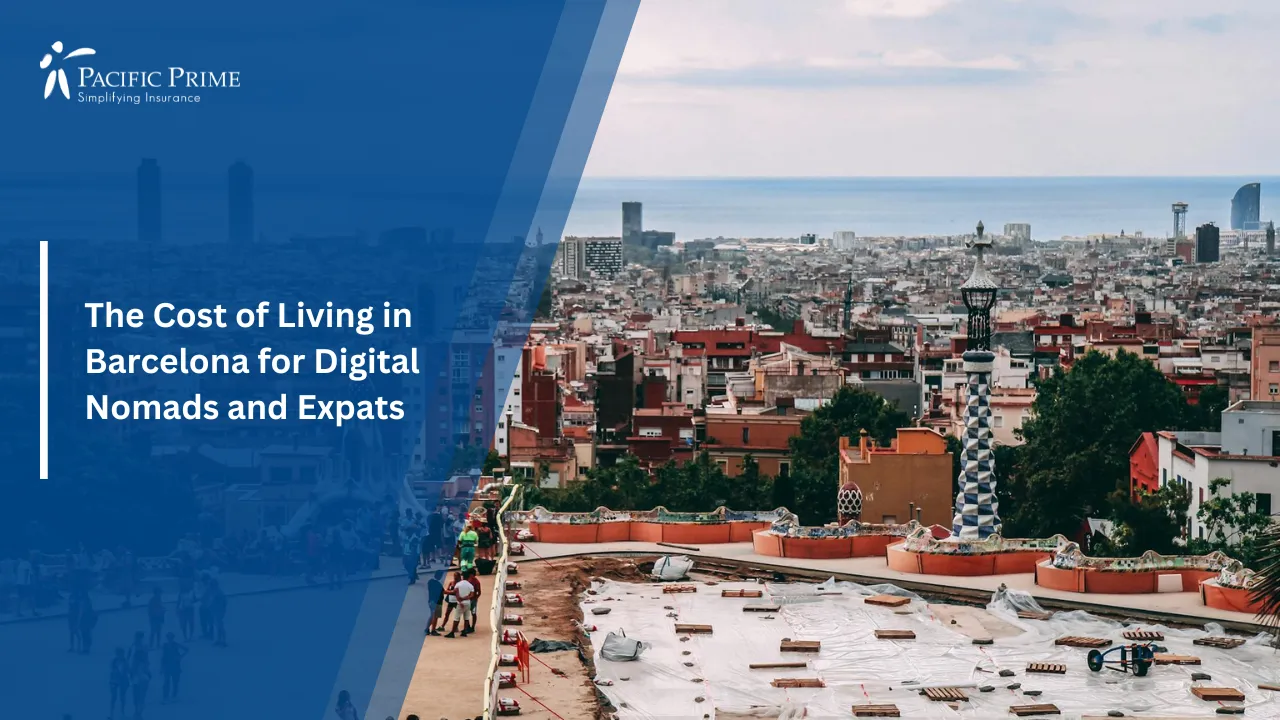
On average, a single person can expect to spend around €832 (USD $976) per month in Barcelona, excluding rent. Compared to other major cities, it’s about 30% cheaper than London and up to 50% more affordable than New York City.
Here’s a quick look at what your average monthly expenses might look like in Barcelona. The data referenced are sourced from Numbeo, and all monetary values are listed in Euros and United States Dollars (1 EUR = 1.18 USD).
Cost of Housing and Utilities in Barcelona
A one-bedroom apartment in the city center rents for around €1,578 (USD $1,850), while outside the center it’s about €1,250 (USD $1,465). Add in utilities (electricity, water, heating, garbage, and internet) for an 85 m² apartment, and you’re looking at approximately €189 (USD $221) per month.
Cost of Groceries and Dining Out in Barcelona
A typical monthly grocery bill for one person runs between €250–€350 (USD $295–$413). When it comes to dining out, an inexpensive restaurant meal averages €15 (USD $18), while a three-course dinner for two at a mid-range eatery is about €40–€60 (USD $47–$70).
Here are examples of the price of daily essentials in Barcelona:
| Item | Cost (EUR) | Cost (USD) |
| Loaf of bread (one lb) | €1.61 | $1.90 |
| Dozen eggs | €2.95 | $3.48 |
| Rice (one lb) | €0.77 | $0.91 |
| Monthly groceries (per person) | €250–350 | $295–413 |
| Inexpensive restaurant meal | €15 | $17.70 |
| Mid-range dinner for two | €40–60 | $47.20–70.80 |
Cost of Transportation in Barcelona
Barcelona’s public transport offers excellent value. A single-ride ticket on metro, bus, or tram costs around €2.65 (USD $2.95), and a monthly “T‑Usual” pass for unlimited Zone 1 travel is €22.50 (USD $26.55). For broader access, a monthly pass covering all seven zones costs €66.45 (USD $78.40).
The city’s taxis start at €3.88 (USD $4.58), with incremental costs of about €3.42 (USD $4.04) per mile. Gasoline is €6.07 (USD $7.16) per gallon, a relatively affordable rate compared to many other European cities
Costs of Leisure and Entertainment in Barcelona
Barcelona offers diverse entertainment options without being overly expensive. A monthly gym membership ranges between €30–€65 (USD $35–$77). Movie tickets cost around €9 (USD $11), while renting a tennis court on weekends is approximately €18.60 (USD $22).
For nightlife, club entry fees fall in the €15–20 (USD $18–$24) range and often include a drink. A pint of domestic beer typically runs €3.65 (USD $4.31). Many museums and cultural events are affordable, and even better, many offer free admission on select days or evenings.
In conclusion, Barcelona has a sweet balance between lifestyle and affordability, making it a top choice for digital nomads and expats. From its efficient public transport to lively social scene, the city offers a high quality of life at a lower cost than many other major European hubs.
The Cost of Living in Madrid for Digital Nomads and Expats
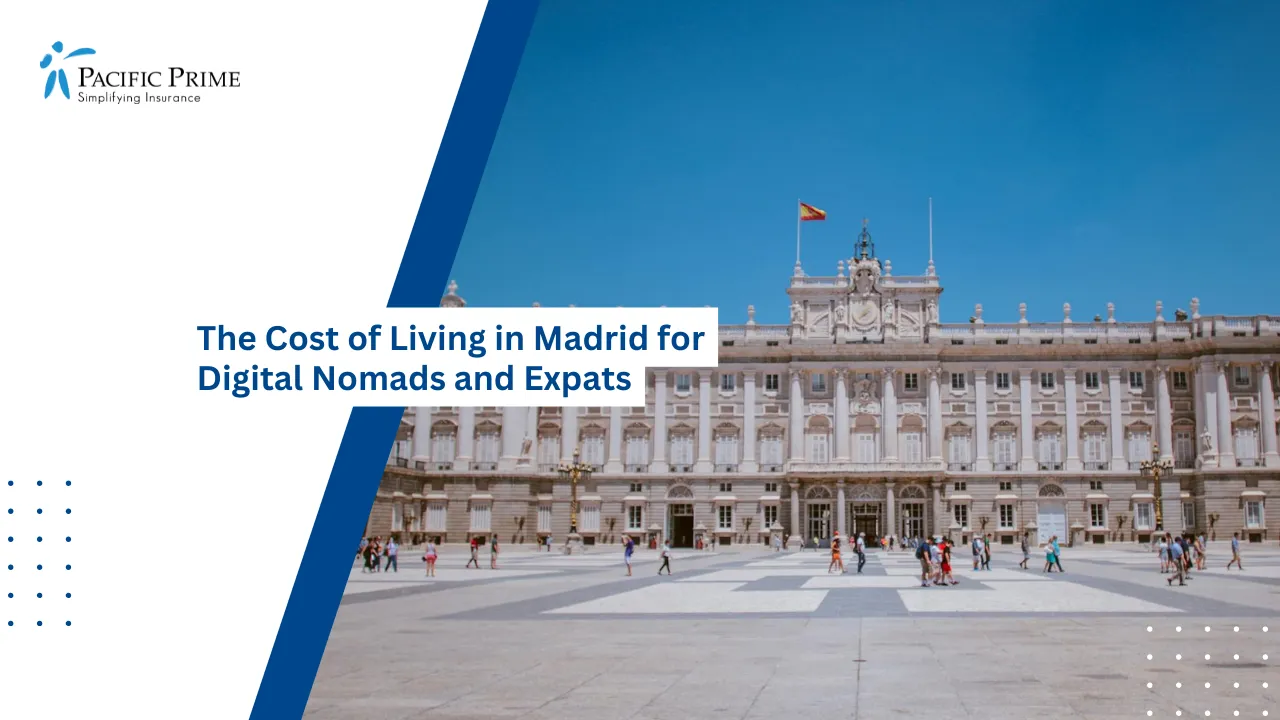
On average, a single person spends around €827 (USD $974) per month, excluding rent. That’s still noticeably lower than in many other major European capitals, making Madrid a great option for remote workers who want access to culture, good food, and the strong infrastructure of Spain’s capital.
Here’s a quick look at what your average monthly expenses might look like in Barcelona.
Cost of Housing and Utilities in Madrid
In Madrid, a one-bedroom apartment in the city center averages €1,373.33/month (USD $1,621), while the same outside the center averages €975.56 (USD $1,151). Utilities for an 85 m² apartment, including electricity, heating, water, garbage, and internet, typically total €166.01/month (USD $196).
Cost of Groceries and Dining Out in Madrid
A typical monthly grocery bill for one person in Madrid falls between €200–€300 (USD $236–$354), making it slightly more affordable than in other major cities like Barcelona.
Dining out is also budget-friendly at around €15 (USD $17.70) for a meal at an inexpensive restaurant, and €60 (USD $70.80) for a three-course dinner for two at a mid-range spot.
Here are examples of what you might pay for everyday essentials in Madrid:
| Item | Cost (EUR) | Cost (USD) |
| Loaf of bread (1 lb) | €1.33 | $1.57 |
| Eggs (12) | €2.97 | $3.51 |
| Rice (1 lb) | €0.66 | $0.78 |
| Monthly groceries (per person) | €200–300 | $236–354 |
| Inexpensive restaurant meal | €15 | $17.70 |
| Mid‑range dinner for 2 | €60 | $70.80 |
Cost of Transportation in Madrid
Madrid’s public transportation system is efficient and affordable. A single-ride metro ticket costs around €1.50–€2.00 (USD $1.77–$2.36), depending on the distance. For daily commuters, a monthly public transport pass ranges from €32.70 (USD $38.59) for central zones up to €79.00 (USD $93.22) for all zones.
Taxis in Madrid start at about €3.50 ($4.13), with a per-mile charge of around €2.09 (USD $2.47). Gasoline averages €6.18 (USD $7.29) per gallon.
Costs of Leisure and Entertainment in Madrid
Madrid offers a lively and affordable pop‑culture scene. A monthly gym membership averages €45.82 (USD $54), while renting a tennis court on weekends costs about €15.33 (USD $18) per hour. Movie tickets are reasonably priced at €10 (USD $12) each.
For drinkers, a domestic pint of beer costs around €3.50 (USD $4.13). A cup of cappuccino comes in at €2.02 (USD $2.38). Overall, Madrid remains more affordable than other major European capitals—and is often considered safer than Barcelona.
The Cost of Living in Valencia for Digital Nomads and Expats

Located on the eastern coast of Spain, Valencia offers a welcoming blend of affordability and Mediterranean charm. A single person can expect to spend around €695 (USD $820) per month on living expenses (excluding rent), making it significantly cheaper than many other major European cities.
Cost of Housing and Utilities in Valencia
A one-bedroom apartment in the city center rents for about €1,045 (USD $1,233) monthly, while the same apartment outside the center costs around €810 (USD $956). Utilities (electricity, water, heating, garbage, and internet) for an 85 m² flat average €130 (USD $154) per month.
Cost of Groceries and Dining Out in Valencia
According to Numbeo, day-to-day essentials break down as follows:
| Item | Cost (EUR) | Cost (USD) |
| Loaf of bread (1 lb) | €1.04 | $1.23 |
| Eggs (12) | €2.57 | $3.03 |
| Rice (1 lb) | €0.67 | $0.79 |
| Inexpensive restaurant meal | €12.75 | $15.05 |
| Mid‑range dinner for two | €50.00 | $59.00 |
Monthly groceries typically range between €250 and 300 (USD $295–$354) per person, which is notably less than in many larger Spanish cities. Eating out is also wallet-friendly, with casual meals and evening dinners at modest prices.
Cost of Transportation in Valencia
Valencia’s public transport is just as affordable and convenient as what you’d find in Barcelona or Madrid. A single metro or bus ride usually costs between €1.50 and €2.00 (USD $1.77–$2.36), and a monthly pass starts at just €29 (USD $34.22), making it a budget-friendly choice for daily commuters.
Costs of Leisure and Entertainment in Valencia
Valencia offers a laid-back lifestyle with plenty of affordable ways to unwind. A monthly gym membership costs around €36 (USD $42.48), while movie tickets average €8.00 (USD $9.44). A domestic pint of beer typically costs €3.00 (USD $3.54), making it easy to enjoy a night out without overspending.
The Cost of Living in Granada for Digital Nomads and Expats
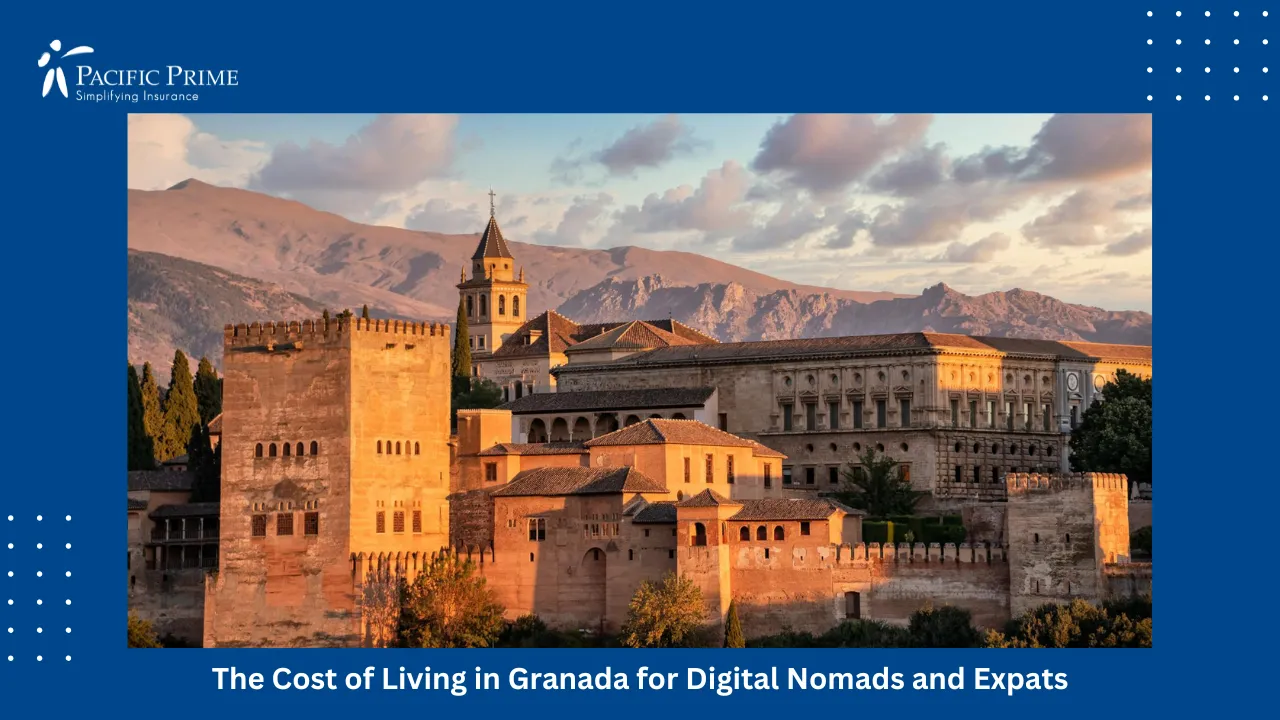
Located in the Andalusia region, Granada stands out as one of the most affordable cities in Spain for digital nomads and expats. A single person can expect to spend around €710 (USD $838) per month, excluding rent—making it an excellent choice for those on a budget.
Cost of Housing and Utilities in Granada
In Granada, housing is notably more affordable than in many other Spanish cities.
A one-bedroom apartment in the city center rents for around €730 (USD $861) per month, while the same apartment outside the center averages about €583 (USD $688). Monthly utilities for an 85 m² apartment come to approximately €150 (USD $177).
Cost of Groceries and Dining Out in Granada
Granada offers a low cost of living when it comes to food and dining. A typical monthly grocery bill for one person ranges between €180 and €250 (USD $212–$295), making it even more affordable than larger Spanish cities.
Here are examples of everyday food expenses in Granada:
| Item | Cost (EUR) | Cost (USD) |
| Loaf of bread (1 lb) | €1.42 | $1.68 |
| Eggs (12) | €2.67 | $3.15 |
| Rice (1 lb) | €0.54 | $0.64 |
| Inexpensive restaurant meal | €13 | $15.34 |
| Mid-range dinner for 2 | €37.50 | $44.25 |
Cost of Transportation in Granada
Granada’s public transport system is small but efficient. A single bus ticket costs about €1.40 (USD $1.65), and a monthly public transport pass is around €35 (USD $41). Taxis start at €5 (USD $5.88), with an additional €3.22 (USD $3.79) per mile, making short trips very manageable on a budget.
Costs of Leisure and Entertainment in Granada
Granada offers affordable ways to relax and socialize. A monthly gym membership typically costs around €42 (USD $49), while a movie ticket averages €8.47 (USD $9.97). A domestic pint of beer goes for just €3 (USD $3.50), making Granada’s tapas bars and rooftops great for an inexpensive night out.
The Cost of Living in Seville for Digital Nomads and Expats
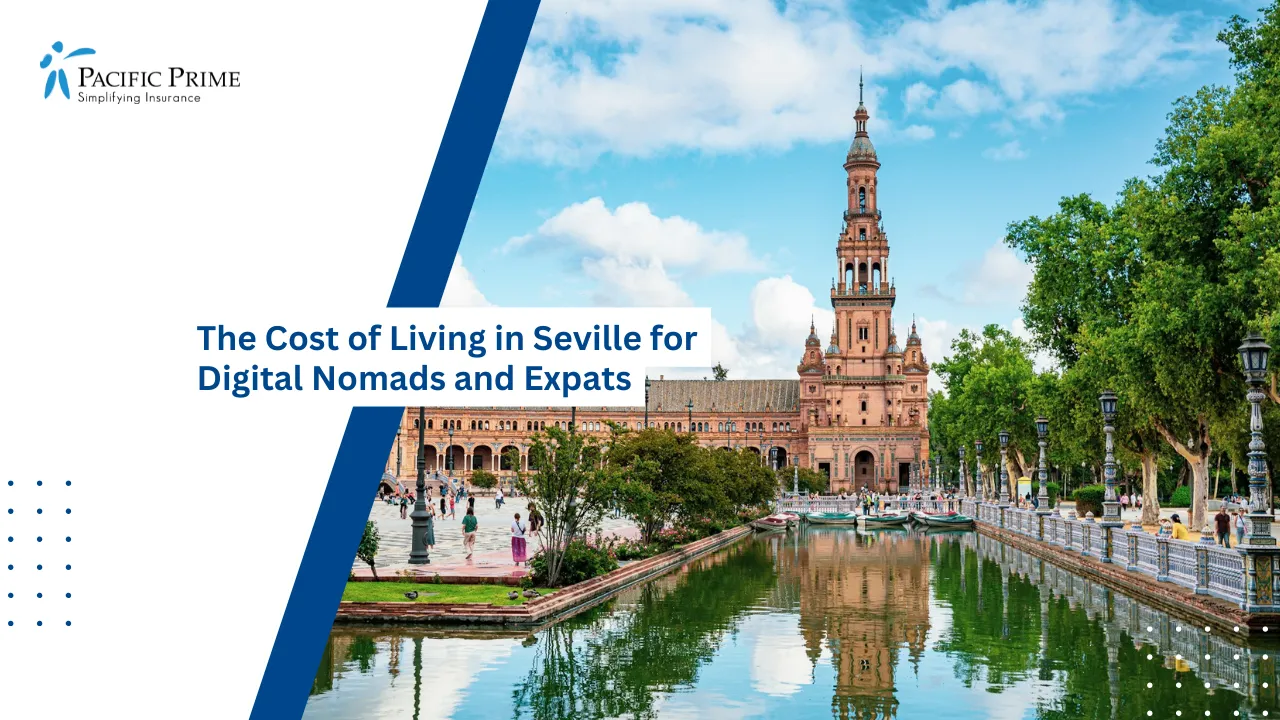
Situated in the heart of Andalusia, Seville blends rich cultural heritage with a relatively affordable cost of living. A single person can expect to spend approximately €703 (USD $827) per month on everyday expenses, excluding rent.
Cost of Housing and Utilities in Seville
While not as cheap as Granada, housing in Seville remains accessible compared to larger Spanish cities.
A one-bedroom apartment in the city center rents for about €855 (USD $1,009) per month, while outside the center it’s closer to €630 (USD $743). Monthly utilities for an 85 m² apartment—including electricity, heating, water, garbage, and internet—average around €97 (USD $114).
Cost of Groceries and Dining Out in Seville
Seville strikes a good balance between cost and quality when it comes to food. A typical monthly grocery bill for one person ranges from €200 to €270 (USD $236–$318.60)—slightly higher than Granada but still quite affordable by European standards.
Here are examples of everyday food expenses in Seville:
| Item | Cost (EUR) | Cost (USD) |
| Loaf of bread (1 lb) | €1.35 | $1.59 |
| Eggs (12) | €3.07 | $3.62 |
| Rice (1 lb) | €0.79 | $0.93 |
| Inexpensive restaurant meal | €12 | $14.16 |
| Mid-range dinner for two | €42 | $49.56 |
Cost of Transportation in Seville
Seville’s public transportation system is well-developed and affordable. One ride on the city’s bus or tram network typically costs around €1.40 (USD $1.65), or you can buy a €6 (USD $7.07) Bonobus voucher for 10 trips. Taxis within the city center will cost you €5–€7 (USD $5.89–$8.25).
Costs of Leisure and Entertainment in Seville
A monthly gym membership in Seville costs roughly €40 (USD $47), and movie tickets average €8.50 (USD $10). Entrance fees to museums and historical sites typically range from €5 to €15 (USD $5.89–$17.67).
Seville’s iconic flamenco show is around €30-40 (USD $35.40–$47.20) and usually lasts two to three hours.
Healthcare Expenses in Spain
Spanish residents enjoy high-quality public healthcare through Spain’s SNS, funded by social security. Most GP visits, specialist consultations, hospital stays, and emergencies are free or low-cost for legal residents. Non-EU expats must initially secure private insurance to apply for residency.
Private consultations are around €50–€100 (USD $59–$118) for a GP and €80–€150 (USD $94–$177) for specialists. For expats without public insurance, emergency treatments in private hospitals range from €250 to €500 (USD $295–$590).
Public prescription medications are subsidized, so residents often pay just 10%–60%, while private prescriptions require full out-of-pocket payment. That’s why having private health insurance is essential for leading a happy life in Spain.
Get Covered with Pacific Prime
With over 25 years of industry experience, Pacific Prime specializes in international health insurance for expats, digital nomads, and global citizens. With tailored insurance plans and expert advice, you can enjoy your life in Spain knowing you’re fully protected—wherever your journey takes you.
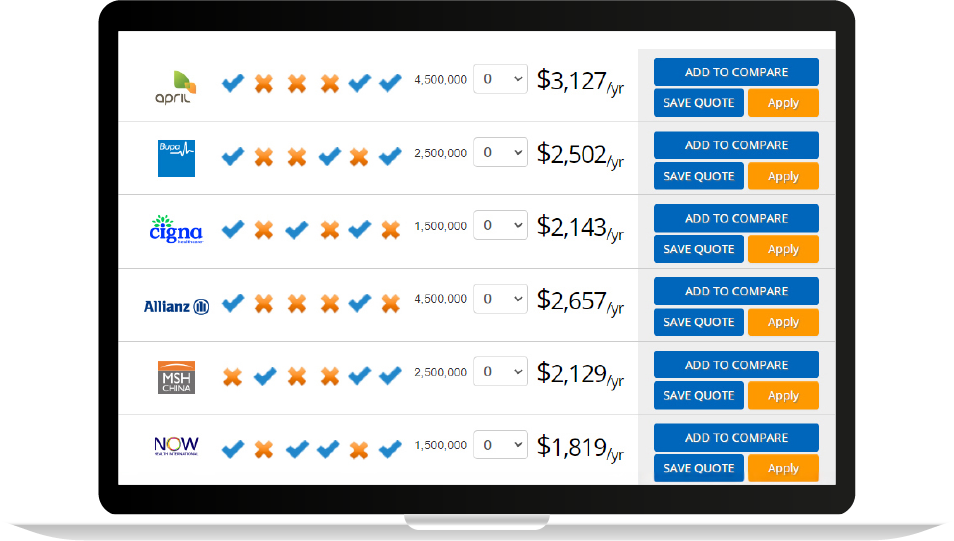
Ready to safeguard your Spanish adventure? Get a free quote today or speak to our advisor to find the right health coverage for your lifestyle.
Conclusion: Affordable Living with Big Lifestyle Benefits
Spain continues to be one of Europe’s most appealing destinations for digital nomads, thanks to its blend of culture, climate, and affordability—especially when it comes to housing, public transport, and healthcare.
Whether you’re savoring tapas in Seville, working remotely with a sea breeze in Valencia, or enjoying Granada’s low-cost lifestyle, there’s a Spanish city to suit every budget and lifestyle.
But as with any move abroad, it’s important to plan for more than just your rent and coffee budget. Healthcare is a major consideration for digital nomads and expats alike, especially if you’re staying long-term or traveling frequently.
If you’re planning your move to Spain or still deciding where to base yourself, be sure to check out these helpful guides on How to Apply for the Spain Digital Nomad Visa and Top Cities in Spain for Digital Nomads: Barcelona vs. Valencia vs. Madrid.

With his keen interest in journalism, especially in the healthcare and wellness field, Tawan joins Pacific Prime with the goal of creating content that simplifies health insurance solutions, helping people make informed choices and choose the best options for their needs. Tawan firmly believes that words have power that can shape the world for the better.
In his free time, Tawan loves to pick up his Nintendo Switch and wield his Master Sword in Hyrule’s dungeons. He is also an avid sci-fi books/shows enjoyer. You can spot him hanging around bookstores and game shops all day long!
- Best Health Insurance for Solo Traveling in Thailand – October 22, 2025
- Top Health Insurance in Thailand for Irish Expats: Options and Benefits – October 18, 2025
- Daman Health Insurance for Expats in Dubai: Plans, Benefits, and Options – October 15, 2025

Comments