300x85-png.webp)


 Hong Kong
 Singapore
 China
China Dubai
Dubai Thailand
 United Kingdom
 Mexico
Medical tourism can be risky without thorough research and preparation. Make sure you properly research the accreditation of your healthcare providers in advance, contact your regular doctor, arrange any additional assistance as needed, and secure sufficient insurance coverage before you go.
Discover the world’s top
health insurers.
Compare quotes with
a click of the button.
Are you considering traveling abroad for a medical procedure? Are you wondering what you need to make your medical trip worth the money?
Medical tourism is booming due to rising healthcare costs in many developed countries. Pacific Prime wants to make sure you get the healthcare you need without being pulled back by risks that come with medical tourism. Read on or get free tailored insurance advice from our insurance experts now.
Risks of Medical Tourism
Medical tourism can be risky. When traveling abroad for medical care, you may not be familiar with that country’s healthcare system, might face certain language barriers, or might need to lengthen your stay for better recovery. However, these risks can be navigated.
Before embarking on a trip for medical care abroad, it is always advisable to carefully research any related risks and be prepared beforehand. Here are some risks you might want to look into as you prepare for your medical trip:
Language Barriers in Medical Tourism
Communicating with staff at the healthcare facility outside your home country may be challenging. Receiving care at a facility where you do not speak the language fluently could lead to misunderstandings about your care.
Quality of Care in Medical Tourism
Each country has their own accreditation and standardization for healthcare providers. Your healthcare abroad may not be on par with care in your home country. Some countries may also have widespread use of counterfeit drugs and low-quality medical equipment.
Continuity of Care in Medical Tourism
Your local insurance may not cover your follow-up appointments or medical complications that arise after your treatment abroad. Some treatments may require multiple follow-ups with your physician. This can be costly if your destination requires long-distance travel.
Air Travel for Medical Tourism
Air travel can worsen certain medical conditions, such as blood clots or deep vein thrombosis. Patients are usually advised to avoid immediate air travel following major surgeries. This means you might need to extend your stay depending on your condition, treatment, and physician’s advice.
Infectious Diseases in Medical Tourism
Every medical procedure carries some risk of infection. When traveling abroad, you might be at risk of infection from poor infection control, which can lead to bloodstream infections, donor-derived infections, and bloodborne infections such as hepatitis B, hepatitis C, and HIV.
Antimicrobial Resistance in Medical Tourism
Antimicrobial resistance happens when germs like bacteria and fungi no longer respond to antibiotics. This is a global medical problem. Many countries have different infection control and antibiotic prescription practices, making medical tourists at risk of getting a drug-resistant infection.
Research the Accreditation Before Traveling for Medical Treatment
Research the accreditation of your healthcare providers beforehand, both your physician’s and the facility’s. If you are not familiar with the healthcare standard of your destination country, research the official authority sites to make sure you know what you should expect before arriving.
There are several international accrediting groups that provide a list of healthcare providers that meet their standards, such as Joint Commission International (JCI) and the International Society for Quality in Healthcare.
Some countries may have a database of authorized healthcare providers, such as Türkiye and Thailand. It is always prudent to double-check with the official authority to know how accreditation and licensing are done in their country and the validity of your provider’s accreditation.
Ensure Language Assistance is Available When Utilizing Medical Tourism
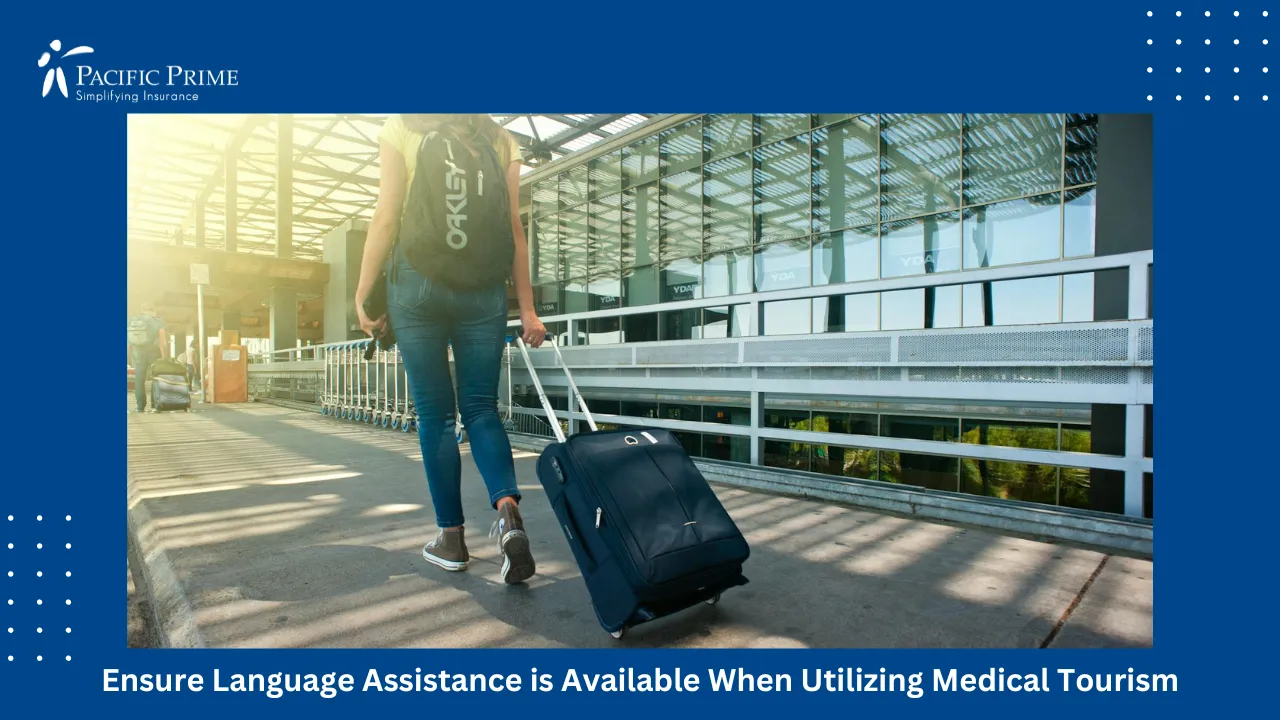
Make sure you will be able to communicate with your healthcare providers with ease. If you do not speak the language of your medical destination, you might arrange for interpretation service ahead of time.
Some international hospitals provide interpretation services for international patients. You can check if their service supports your language. You may also secure your own interpretation service or assistance if the hospitals do not provide such services.
Involve Your Regular Doctor In Your Medical Decision-Making Abroad
Consult with your regular doctor when seeking care abroad. They can help you vet the best provider for your conditions, prepare you for your trip, and arrange any follow-up appointments in advance.
It’s likely that your doctor abroad will want some medical records and relevant lab tests from your regular doctor. By involving your regular doctor early on, they can help you prepare for your trip, get the documents you need, and ensure you are fit to fly.
Ideally, you might want to connect your international doctor to your local doctor directly. This is to ensure that both physicians realize what kinds of care you will be receiving and also to establish mutual trust between the two parties.
If your treatment might require follow-up care in your home country, make sure to arrange this with your local doctors beforehand. This is to ensure they are informed and ready to provide suitable care once you are back.
Don’t Travel Alone for Medical Treatment Abroad
When preparing for a medical trip, it is advisable to bring a family member or a friend with you. They can provide you emotional as well as physical support while you recover. Your companion may also be able to help you process any paperwork needed.
Remember Why You Went On ‘Holiday’
Whilst it may be tropical weather outside and the poolside bar has a piña colada with your name on it, make sure to stick to your doctor’s instruction, whether from your local doctor or your doctor abroad.
Swimming in a pool can open you up to a variety of infections in any area that require stitches or sutures. Alcohol may have a negative impact on your medication, and surgery is serious business. Always prioritize your healing to minimize the risks of infection and other complications.
If you’re keen to experience the country in which your procedure is taking place, try to do so beforehand or once you’ve allowed your body the requisite time to heal.
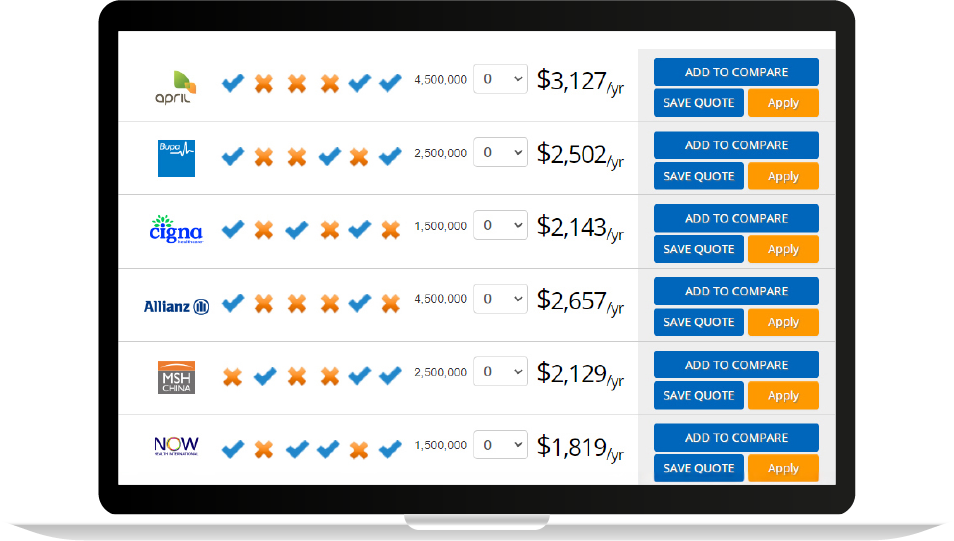
Ensure That Your Medical Insurance Covers You Abroad
Most overseas elective medical treatments are not covered by standard travel and health insurance policies. Be sure to go over your policy with a fine-toothed comb to make sure you are covered for any potential complications.
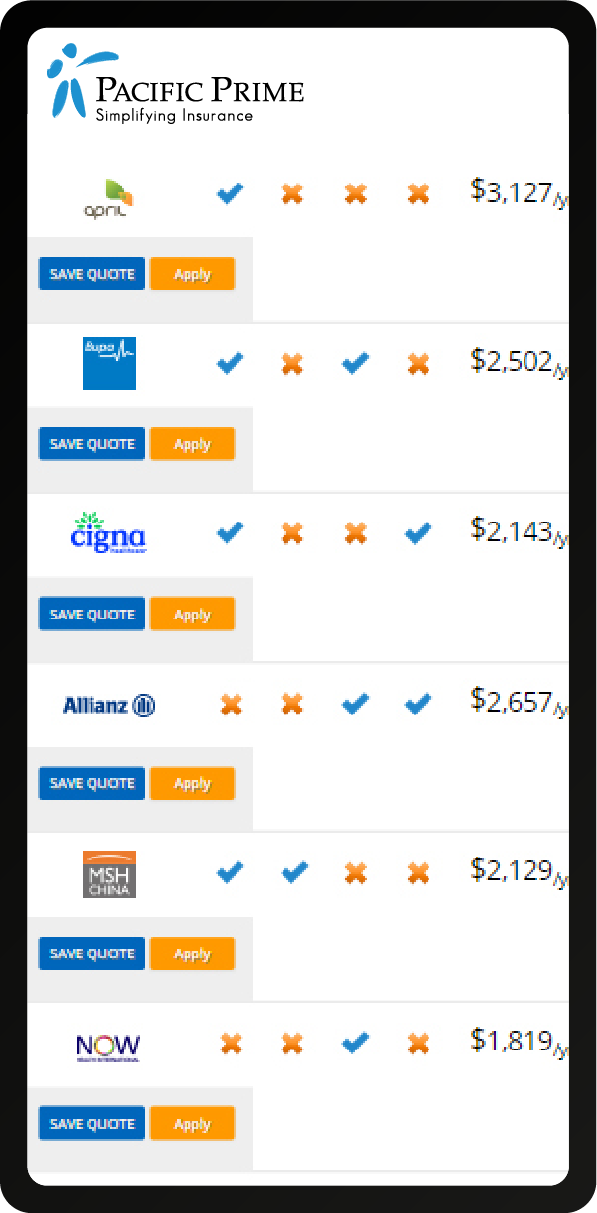
In most cases, there are policies available specifically for medical tourism purposes. Consider talking to your insurance agent or insurance brokers, like Pacific Prime, to find suitable policies for your trips.
Unlike insurance agents, insurance brokers represent clients like you in securing insurance policies.
Insurance brokers like Pacific Prime are not tied to a certain insurer. Therefore, we can provide you a wide range of insurance offers from top insurers across the globe as well as impartial insurance advice.
Our clients also benefit from other value-added services we provide, including filling out forms, making claims, renewing policies, and more.
Contact our insurance advisors now for free and impartial plan comparison.
- The 5 Best Travel Insurance for a Trip to Bangkok – August 22, 2025
- Navigating the Australian Health Insurance System – August 8, 2025
- How to Choose the Right International Hospitals for Expats – July 11, 2025



Comments