300x85-png.webp)


 Hong Kong
 Singapore
 China
China Dubai
Dubai Thailand
 United Kingdom
 Mexico
The estimated monthly expenses for a single person in Vietnam are11,914,133 VND (USD $457.9), excluding rent. A family of four can expect to spend around 41,593,027 VND (USD $1,598.4) per month.
Discover the world’s top
health insurers.
Compare quotes with
a click of the button.
Vietnam continues to be one of the most affordable countries in Southeast Asia, attracting expats, retirees, and digital nomads looking for a cost-effective lifestyle. This article explores the cost of living in Vietnam in 2025, covering housing, healthcare, utilities, food, transportation, and more.
Vietnam Cost of Living in 2025
In 2025, the monthly expenses for a single person or a family in Vietnam are significantly lower than in Western countries. Everyday items—from groceries to transportation and dining—cost only a fraction of what you might find in the United States or Europe.
Compared to other Asian nations, Vietnam’s affordability stands out; living expenses are typically 50–70% lower than in Japan, South Korea, or Singapore, making it an appealing option for budget‐conscious expats and local families alike.
On average, living expenses in Vietnam are 5% to 25% lower than in other Southeast Asian nations. While cities like Bangkok and Kuala Lumpur offer similar affordability, Vietnam remains one of the cheapest places to live in Asia.
Healthcare Costs in Vietnam

Public healthcare remains affordable, while private hospitals, many of which cater to expats, offer higher quality (often English-speaking) services. Most citizens and residents are enrolled in the national health insurance scheme, which is mandatory for most employees.
For expats, they are not legally required to have local health insurance, but it is highly recommended and often necessary for accessing private care and international standards of service.
This dual system means that while healthcare is accessible and inexpensive compared to Western standards, understanding your options is critical, especially if you require regular or specialized treatment.
Cost of Consultations in Vietnam
Consultation fees vary considerably between public and private healthcare facilities. In public hospitals, doctor visits are exceptionally low in price, whereas private international clinics may charge significantly more for the same service.
| Consultation Type | Public Sector Price | Private Sector Price |
| General Practitioner | 200,000 VND (USD $8) | 400,000 VND (USD $15) |
| Specialist Consultation | 300,000 VND (USD $12) | 600,000 VND (USD $23) |
| Extended Consultation | 400,000 VND (USD $15) | 800,000 VND (USD $31) |
Costs of Common Diagnostic Tests
Diagnostic tests in Vietnam are also very cost-effective. Basic tests are relatively inexpensive in the public sector, although private labs or clinics may offer faster turnaround times and enhanced comfort.
| Diagnostic Test | Public Sector Price | Private Sector Price |
| X-ray | 150,000 VND (USD $6) | 300,000 VND (USD $12) |
| Ultrasound | 300,000 VND (USD $12) | 600,000 VND (USD $23) |
| Blood Test | 200,000 VND (USD $8) | 400,000 VND (USD $15) |
Note: These costs are indicative and may vary by region and facility.

Cost of Inpatient Hospital Stays in Vietnam
Whether you require a short-term stay or longer observation, inpatient care in Vietnam is generally affordable. While public hospitals offer low-cost care, private hospitals provide a more comfortable environment with higher fees.
| Room Type | Public Sector Price per Night | Private Sector Price per Night |
| Standard Ward | 500,000 VND (USD $19) | 1,500,000 VND (USD $58) |
| Semi-Private Room | 1,000,000 VND (USD $38) | 3,000,000 VND (USD $115) |
| Private Room | 1,500,000 VND (USD $58) | 5,000,000 VND (USD $192) |
Note: Prices reflect a typical range and should be confirmed with individual hospitals.
Cost of Surgical Procedures in Vietnam
Surgical procedure costs depend on the complexity of the procedure and the type of facility. Public hospitals tend to be less expensive, while qualified private clinics and international hospitals charge premium rates for advanced technologies and services.
| Surgical Procedure | Public Sector Price | Private Sector Price |
| Appendectomy | 20,000,000 VND (USD $770) | 40,000,000 VND (USD $1,540) |
| Hernia Repair | 18,000,000 VND (USD $690) | 35,000,000 VND (USD $1,350) |
| Knee Replacement | 100,000,000 VND (USD $3,850) | 180,000,000 VND (USD $6,920) |
Note: These estimates are subject to variations by hospital and surgical complexity.

Cost of Medications in Vietnam
Medications in Vietnam are very affordable in the public healthcare system, though branded or imported drugs in private settings may come at a higher cost.
| Medication | Public Sector Price | Private Sector Price |
| Generic Antibiotics | 50,000 VND (USD $2) | 100,000 VND (USD $4) |
| Pain Reliever (Ibuprofen) | 30,000 VND (USD $1) | 60,000 VND (USD $2) |
| Hypertension Medication | 200,000 VND (USD $8) | 350,000 VND (USD $13) |
Note: Prices will vary according to dosage and brand.
Why Getting Health Insurance is Important in Vietnam
Unexpected medical expenses can quickly add up, and having health insurance can significantly reduce the financial burden. While it is not mandatory for expats to get health insurance in Vietnam, it is highly recommended to ensure your financial protection and access to quality healthcare.
Here are some benefits of getting an international health insurance plan:
- Access to Private Healthcare: Private hospitals and clinics often offer higher-quality care, shorter wait times, and English-speaking staff. International health insurance ensures you can afford treatment at these facilities.
- Comprehensive Coverage Worldwide: If you frequently travel or plan to relocate, international health insurance provides seamless coverage across different countries, so you’re always protected.
- Emergency Medical Evacuations: In the event of a serious condition requiring specialized treatment not available locally, international insurance covers emergency evacuations to the nearest suitable facility.
- Peace of Mind for Expats: Knowing that you’re protected from high medical costs allows you to focus on enjoying life in Vietnam without worrying about unexpected healthcare expenses.
- Flexible Plans Tailored to Expats: International health insurance providers offer customizable plans designed to fit the needs of expatriates, including outpatient care, dental coverage, and maternity services.
- Direct Billing and Cashless Claims: Many international insurance providers have agreements with hospitals, allowing you to receive care without paying upfront and filing complicated reimbursement claims.
Given Vietnam’s dual healthcare system, relying on public hospitals may not always be the best option, especially for those accustomed to high medical standards.
Investing in an international health insurance plan ensures you receive quality care without financial stress, making it a crucial consideration for anyone planning to live in Vietnam long-term.

Managing Monthly Expenses in Vietnam
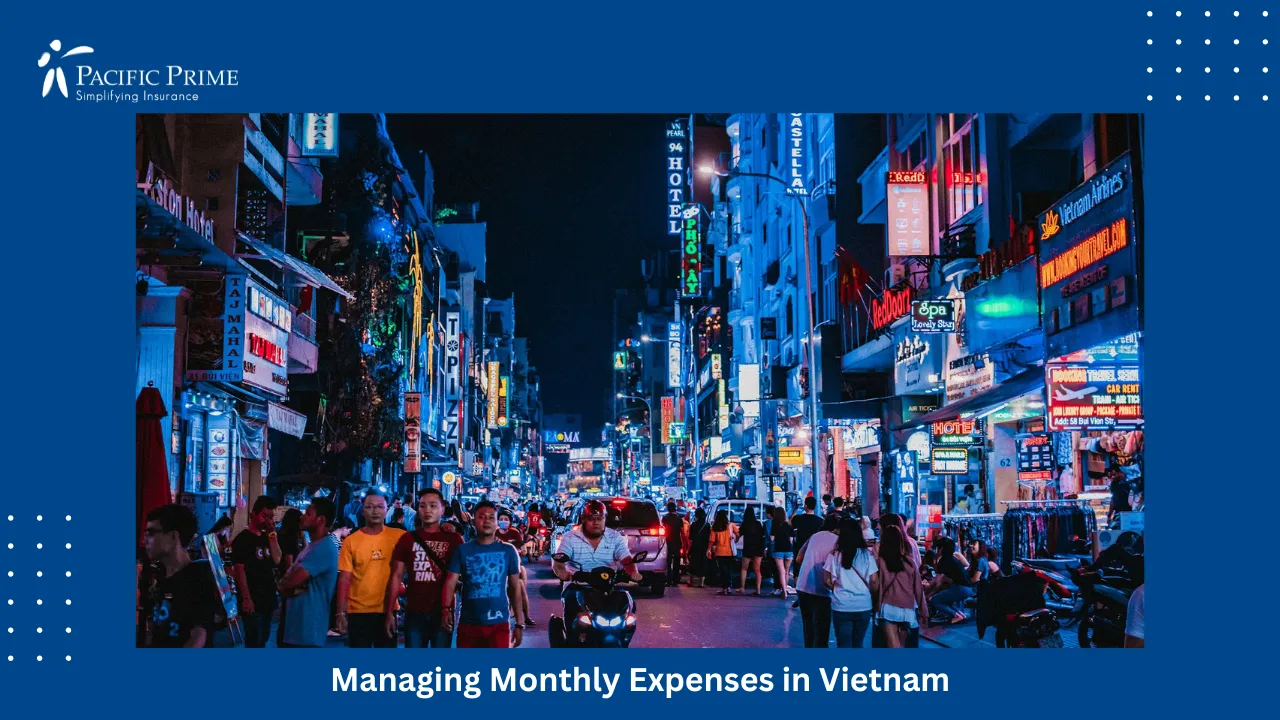
To keep monthly expenses in check, consider the following tips:
- Cook at home: Local groceries are cheaper and fresher than many imported items.
- Use public transportation: Avoid expensive taxis by using buses or ride-sharing apps.
- Shop local: Markets and neighborhood stores offer competitive prices compared to tourist areas.
- Monitor utilities: Energy-efficient appliances and mindful usage can reduce your bills considerably.
Implementing these smart budgeting practices will help you stretch your income and enjoy all that Vietnam has to offer.
Cost of Utilities and Bills in Vietnam
Monthly utility costs in Vietnam are very reasonable compared to Western standards. Whether it’s keeping the lights on or browsing high-speed internet, here is an overview of typical utility bills.
| Utility | Monthly Cost |
| Electricity, Water, Gas | 2,000,000 VND (USD $77) |
| Internet (60 Mbps or more) | 250,000 VND (USD $10) |
| Mobile Phone Plan | 150,000 VND (USD $6) |
Cost of Food and Groceries in Vietnam
Dining out and grocery shopping in Vietnam are both budget-friendly. Local restaurants offer delicious meals at a fraction of the cost in Western countries, while supermarkets and local markets provide fresh produce at competitive prices.
Dining in Restaurants
| Meal Type | Price |
| Inexpensive Restaurant Meal | 50,000 VND (USD $2) |
| Mid-range Restaurant (three-course for 2) | 600,000 VND (USD $23) |
| Meal at Fast Food Restaurant | 120,000 VND (USD $5) |
Common Grocery Items
| Grocery Item | Price |
| Milk (1 liter) | 40,000 VND (USD $1.50) |
| Bread (loaf) | 30,000 VND (USD $1.15) |
| Eggs (12 count) | 70,000 VND (USD $2.70) |
| Rice (1 kg) | 30,000 VND (USD $1.15) |
| Chicken (1 kg) | 100,000 VND (USD $3.85) |
Transportation Costs in Vietnam
Getting around in Vietnam is both economical and convenient. Options vary from local buses to motorbike taxis, letting you choose based on your budget and comfort.
| Transportation Option | Price |
| Local Bus Ticket | 8,000 VND (USD $0.30) |
| Motorcycle Taxi (short ride) | 20,000 VND (USD $0.77) |
| Train Ticket (short distance) | 50,000 VND (USD $1.92) |
| Monthly Public Transport Pass | 200,000 VND USD $7.70) |
Cost of Entertainment and Leisure in Vietnam
Despite its low cost of living, Vietnam offers a rich array of entertainment options, ranging from cinemas and cultural events to outdoor adventures and fitness clubs. Expats and locals alike can enjoy a full range of leisure activities without breaking the bank.
| Activity | Price |
| Movie Ticket | 100,000 VND (USD $3.85) |
| Monthly Gym Membership | 400,000 VND (USD $15.40) |
| Cultural or Event Ticket | 150,000 VND (USD $5.77) |

Cost of Education in Vietnam
Education costs in Vietnam vary widely depending on whether you choose public or private schooling. While public schools offer lower tuition fees backed by government subsidies, private institutions and international schools provide a global standard of education at a higher price point.
| Education Level | Public Sector Tuition (annual) | Private Sector Tuition (annual) |
| Primary Education | 30,000,000 VND (USD $1,150) | 100,000,000 VND (USD $3,850) |
| Secondary Education | 40,000,000 VND (USD $1,540) | 150,000,000 VND (USD $5,770) |
| University | 50,000,000 VND (USD $1,920) | 200,000,000 VND (USD $7,700) |
Have Pacific Prime Help You With Your Move to Vietnam!
Relocating to a new country, especially in Asian countries like Vietnam, Taiwan, or Indonesia, comes with its fair share of challenges—navigating language barriers, tackling paperwork, sorting out visa processes, and understanding the healthcare system.
Securing the right health insurance can make the transition smoother, and having an experienced insurance broker by your side can ease the burden.
At Pacific Prime, we bring 25 years of expertise in international health insurance, family insurance, and expat insurance, helping individuals and families worldwide find the best plans. Beyond insurance, we provide ongoing support, assisting you with renewals, claims, and more.
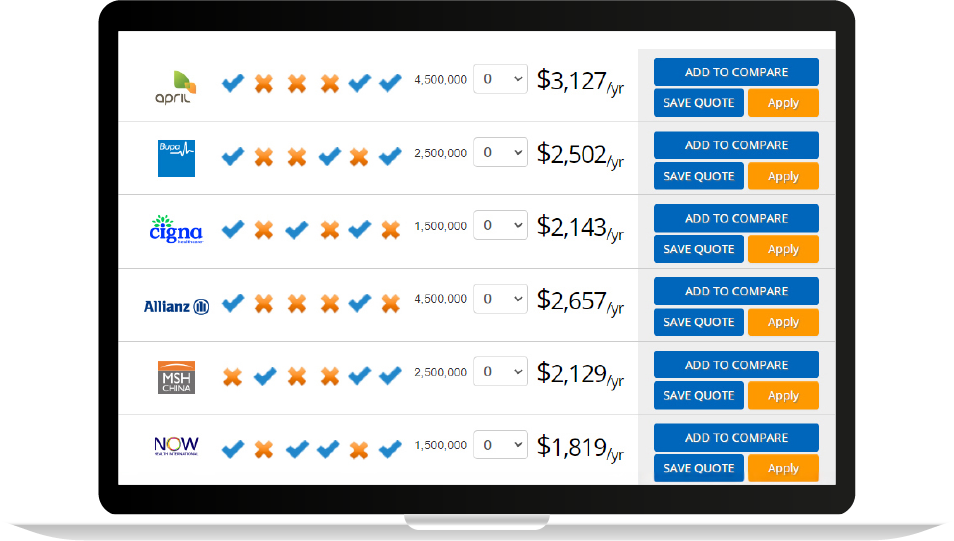
Reach out to us today for a free, no-obligation plan comparison!
Frequently Asked Questions
How much money do you need to live comfortably in Vietnam?
A comfortable lifestyle in Vietnam can be maintained on a modest budget, commonly between USD $500 to USD $1,500 per month for individuals and families, depending on lifestyle and location.
Is living in Vietnam expensive?
The cost of living in Vietnam is significantly lower than in Western countries, making it an affordable country to live in. Daily expenses are often around 60% less than in the United States.
What is the safest city in Vietnam?
Cities like Da Nang and Hoi An are widely regarded as safe, friendly, and enjoyable for both expats and locals.
How much is a meal in Vietnam?
You can have a basic local meal for as little as 50,000 VND (around USD $2), while a three-course meal at a mid-range restaurant for two might cost around 600,000 VND (around USD $3).
Why is everything in Vietnam so cheap?
Lower labor costs, abundant local products, and a competitive market contribute to the overall affordability.


At Pacific Prime, Grace focuses on simplifying complex concepts on international health insurance to make these topics easily accessible and understandable for our target audience. Being a Filipino born in Hong Kong, she understands the struggles of most immigrants and expats in finding the right insurance solutions while in another country. Her goal is to redefine most people’s perception of insurance, that it is an investment for one’s protection and future.
In her spare time, Grace is either at home or at Hong Kong Disneyland. She loves reading, watching movies and K-dramas, and attending dance classes.
- How to Find Digital Nomad Jobs in Thailand – October 22, 2025
- Top 12 Insurance Companies in Serbia for Expats – October 21, 2025
- Expat’s Guide: Pros and Cons of Living in Thailand – October 20, 2025


Comments