300x85-png.webp)


 Hong Kong
 Singapore
 China
China Dubai
Dubai Thailand
 United Kingdom
 Mexico
Thailand has long been a top destination for expats seeking a vibrant lifestyle, tropical climate, and affordable living. Whether you’re a retiree, digital nomad, or relocating for work, the “Land of Smiles” offers a compelling mix of culture, convenience, and community.
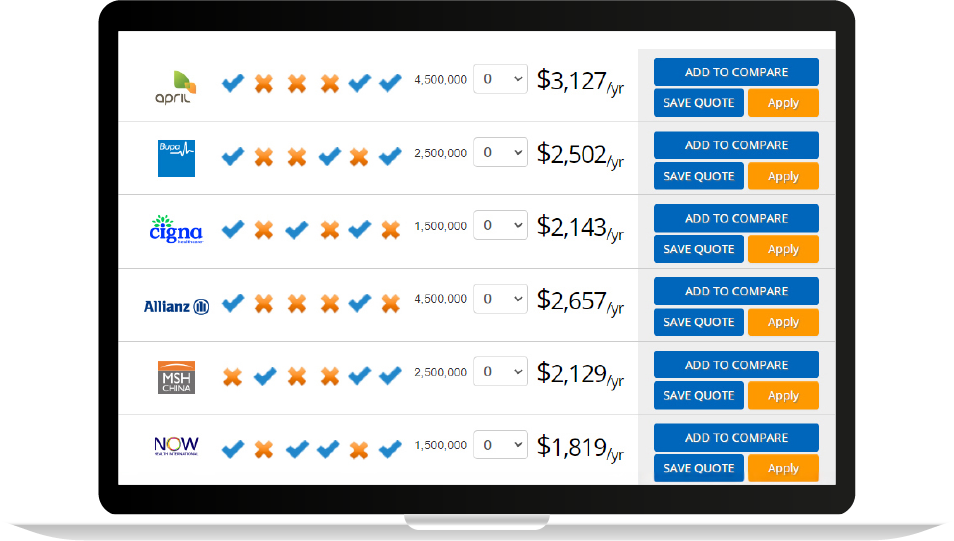
Discover the world’s top
health insurers.
Compare quotes with
a click of the button.
But like any country, it comes with its own set of challenges. In this guide, we explore the key pros and cons of living in Thailand to help you make an informed decision, and how international health insurance can play a vital role in your expat journey.
Pros of Living in Thailand
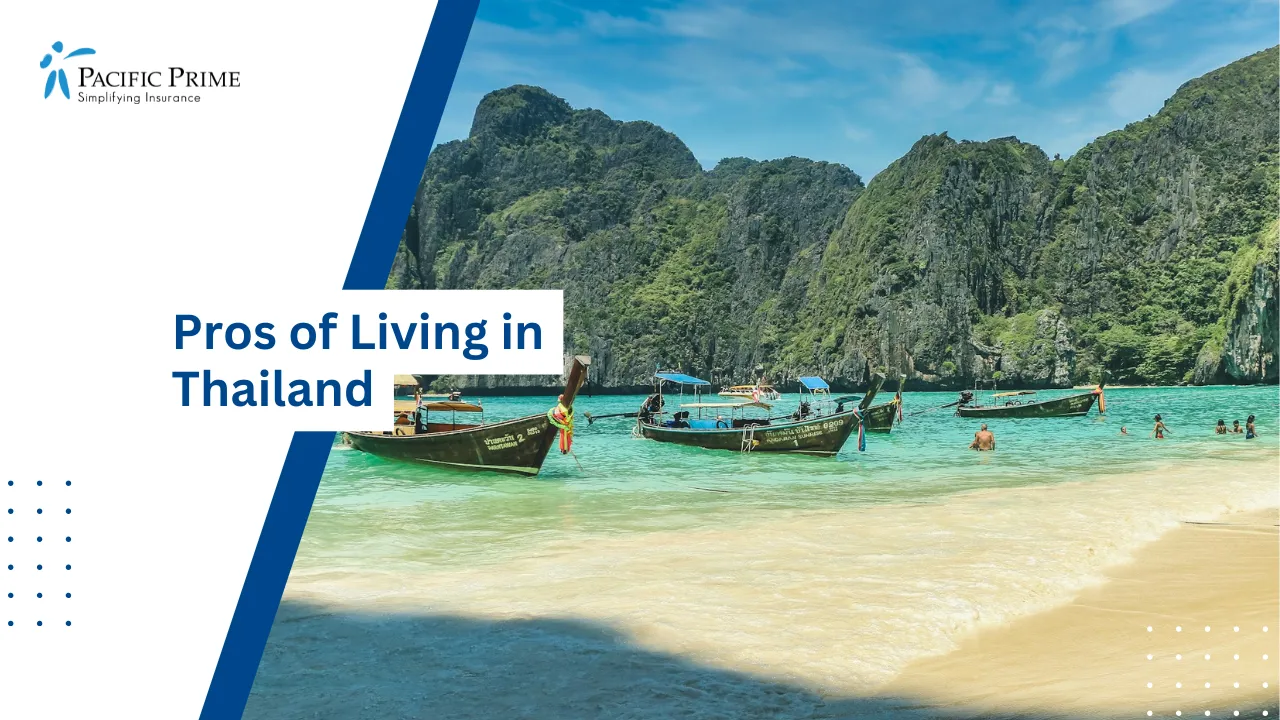
Thailand’s appeal to expats goes beyond its postcard-perfect beaches. From affordable living and high-quality healthcare to a welcoming culture and thriving digital infrastructure, the country offers a lifestyle that’s both enriching and accessible.
Whether you’re seeking adventure, relaxation, or a fresh start, the following advantages make Thailand a standout choice for those looking to live abroad.
Affordable Cost of Living
Compared to Western countries, everyday expenses, including rent, groceries, and transportation, are significantly lower. This makes Thailand especially attractive for retirees and remote workers looking to stretch their life savings without sacrificing quality of life.
Here are some examples of the cost of living in Thailand:
- Street food meals cost as little as THB40 to THB60 (USD $1 to USD $2).
- Rent in cities like Chiang Mai or Hua Hin can be up to 60% cheaper than in London or New York.
- Utilities, mobile data, and domestic travel are budget-friendly.
High-Quality Healthcare
Thailand boasts a robust healthcare system, with world-class private hospitals in cities like Bangkok, Phuket, and Chiang Mai. Facilities such as Bumrungrad International Hospital and Bangkok Hospital are internationally accredited and offer services in English.
- Short wait times
- Affordable consultations
- Medical tourism options for dental, cosmetic, and wellness treatments
However, public hospitals may have limited English-speaking staff and longer wait times. That’s why many expats opt for international health insurance to ensure access to private care without financial strain.
Warm Climate and Natural Beauty
Thailand’s tropical climate means year-round sunshine, lush jungles, and stunning beaches. Whether you’re hiking in the north or island-hopping in the south, the country offers endless opportunities for outdoor adventure and relaxation.
Popular destinations include:
- Chiang Mai: mountains, temples, and cooler weather
- Phuket and Koh Samui: beach resorts and diving sports
- Krabi and Pai: laid-back vibes and scenic landscapes
Welcoming Culture and Expat Communities
Thai people are known for their hospitality and friendliness. The country’s Buddhist roots foster a culture of respect, calm, and community.
These communities offer support networks, social events, and English-speaking services that ease the transition into Thai life. Expats will find thriving international communities in:
- Bangkok: cosmopolitan lifestyle and global business hub.
- Chiang Mai: digital nomad hotspot with coworking spaces
- Hua Hin: popular with retirees and families
Digital Nomad-Friendly Infrastructure
Thailand is a favorite destination among remote workers, thanks to its reliable internet, affordable coworking spaces, and relaxed lifestyle. The government has also introduced visa schemes aimed at attracting skilled professionals and digital entrepreneurs.
- Visa options for long-term stays
- Cafes and coworking hubs in major cities
- Affordable SIM cards and mobile data
Cons of Living in Thailand
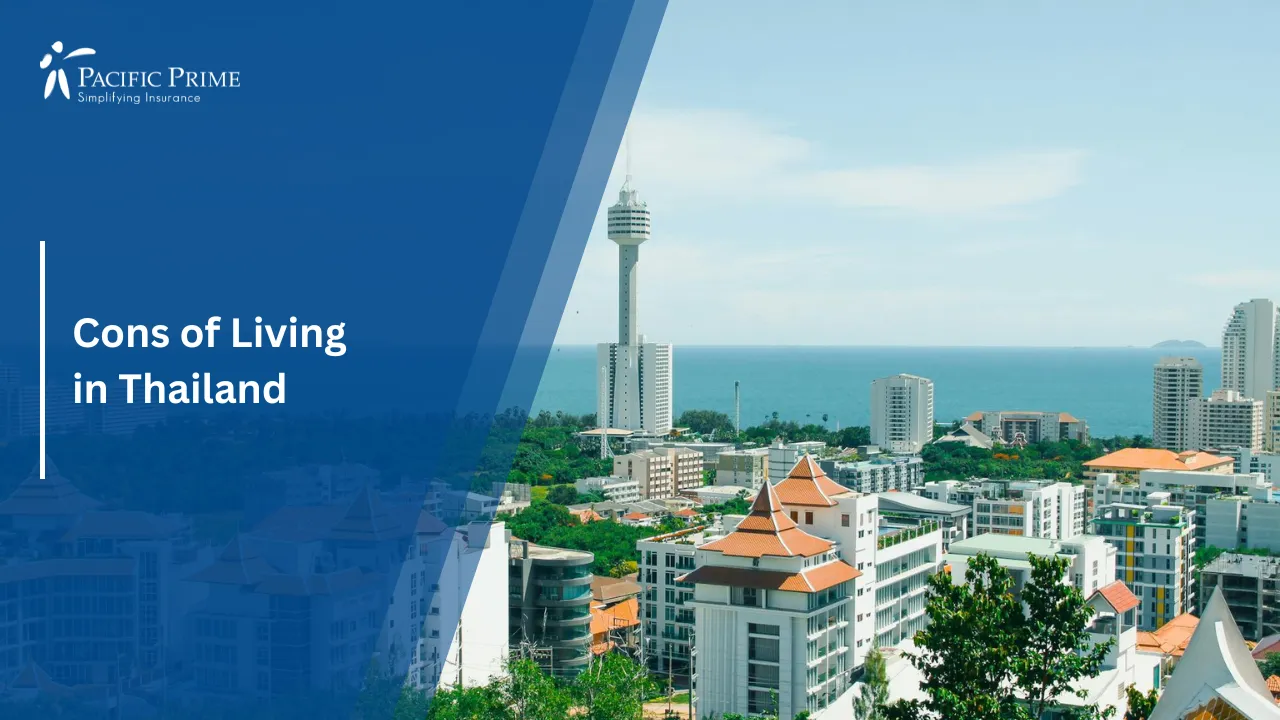
While Thailand offers an appealing lifestyle for many expats, it’s not without its drawbacks. From language barriers and visa complexities to environmental concerns and limited job opportunities, these challenges can affect your experience depending on your expectations and preparedness.
Below, we explore the most common issues expats face when living in Thailand, and how to navigate them.
Language and Cultural Barriers
While English is widely spoken in tourist areas, Thai is the official language and dominates daily life. This can pose challenges when reading contracts or legal documents, communicating with landlords or government offices, and navigating healthcare in public hospitals.
Cultural norms, such as “saving face”, avoiding confrontation, and respecting hierarchy, may also take time to understand and adapt to.
Complex Visa and Immigration Rules
Thailand’s visa system can be confusing and subject to frequent changes. Many expats find themselves doing “border runs” or dealing with paperwork-heavy renewals. It’s essential to stay updated and consult immigration experts or legal advisors.
Common visa types in Thailand include:
- Tourist visa (30 to 60 days)
- Retirement visa (for those over 50)
- Education or volunteer visas
- Long-Term Resident (LTR) visa for professionals and investors
Air Pollution and Traffic
Urban areas like Bangkok and Chiang Mai struggle with air quality, especially during the dry season when crop burning occurs. For example, Chiang Mai often ranks among the most polluted cities in Asia between March and April.
In Bangkok, the traffic congestion can be overwhelming, with long commute times and limited pedestrian infrastructure. These factors can impact respiratory health and overall quality of life, especially for families with children or older adults.
Healthcare Costs Without Insurance
While healthcare is affordable compared to Western standards, costs can add up quickly for serious conditions or emergencies. Our experts at Pacific Prime recommend securing comprehensive insurance plans to ensure access to top-tier care and financial protection.
Some examples of how costs could add up include:
- A hospital stay or surgery can cost thousands of dollars.
- International schools often require proof of health insurance for enrollment.
- Travel insurance may not cover long-term medical needs.
Dual Pricing and Scams
In tourist-heavy areas, foreigners may encounter dual pricing, where locals pay less for goods and services. Learning basic Thai phrases and using local apps (like Grab for transport) can help avoid overpaying.
Some situations where you could be overpaying:
- Attractions may charge higher entry fees for non-Thais.
- Taxi drivers may refuse to use meters.
- Some vendors inflate prices for tourists.
Limited Job Opportunities for Foreigners
Unless you’re working in a specialized field like education, tech, or hospitality, finding legal employment in Thailand can be challenging. The government enforces strict labor laws that protect Thai workers, and many jobs are off-limits to foreigners.
Starting a business or freelancing may be viable alternatives, but they come with their own legal and financial complexities. It’s crucial to research work permits and consult legal professionals before pursuing employment.
How to Cope: Navigating Life as an Expat
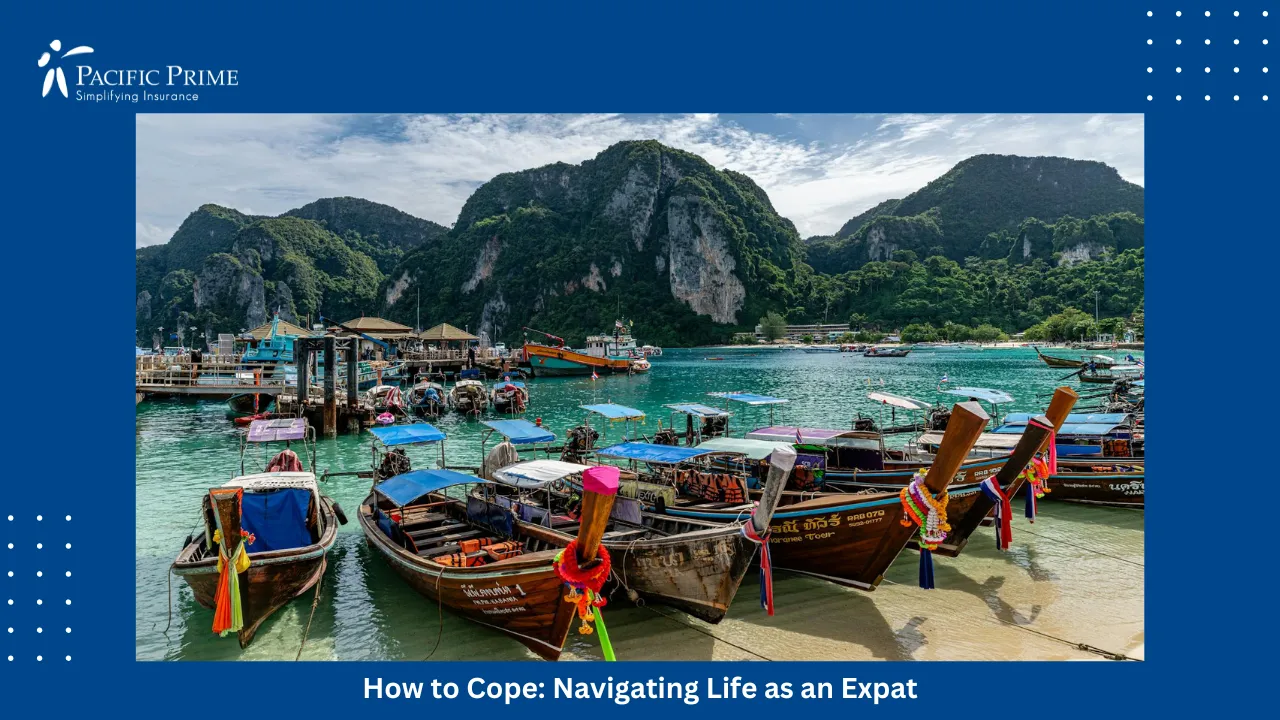
Adjusting to life in Thailand takes time, patience, and preparation. Here are a few ways to ease the transition and manage common challenges:
- Build a Support Network: Join expat groups, attend local events, and connect with others who’ve made the move. These communities can offer practical advice and emotional support.
- Learn Basic Thai: Even a few phrases can go a long way in daily interactions and help you avoid misunderstandings.
- Understand the Healthcare System: Thailand’s private hospitals offer excellent care, but costs can escalate quickly. International health insurance ensures you’re covered for both routine visits and emergencies.
- Stay Visa-Savvy: Keep track of visa expiration dates and renewal requirements. Consider working with a visa consultant to avoid complications.
- Respect Local Norms: Understanding Thai etiquette, like removing shoes indoors, dressing modestly in temples, and avoiding public confrontations, will help you integrate more smoothly.
And if you’re wondering, is Thailand a safe place to live? The answer is generally yes. Thailand is considered safe for expats, with low rates of violent crime. However, petty theft and scams can occur in tourist-heavy areas.
As with any country, staying aware of your surroundings and taking basic precautions will go a long way in ensuring your safety.
Tips for a Smooth Transition
Start by securing health insurance, learning basic Thai phrases, and downloading essential local apps like Grab and Line. These small steps can make a big difference in your daily life in Thailand.
Relocating to Thailand can be exciting and overwhelming, and these tips will help you settle in with confidence:
- Visit Before You Commit: Spend time in different regions to find the lifestyle that suits you, whether it’s the buzz of Bangkok or the tranquility of Chiang Mai.
- Secure Health Insurance Early: Don’t wait until you need care. Work with a broker, like Pacific Prime, to find tailored plans for individuals, families, and corporate groups relocating to Thailand.
- Open a Thai Bank Account: Choose a bank with English-speaking staff and expat-friendly services. This simplifies bill payments and salary deposits.
- Use Local Apps: Grab (transport), Line (messaging), and Foodpanda (delivery) are essential tools for daily life in Thailand.
- Choose Housing Wisely: Consider proximity to hospitals, schools, and public transportation. Ask for lease agreements in English, and inspect properties before signing.
- Stay Informed: Follow local news, join expat forums, and attend community events to stay connected and aware of changes in regulations or services.
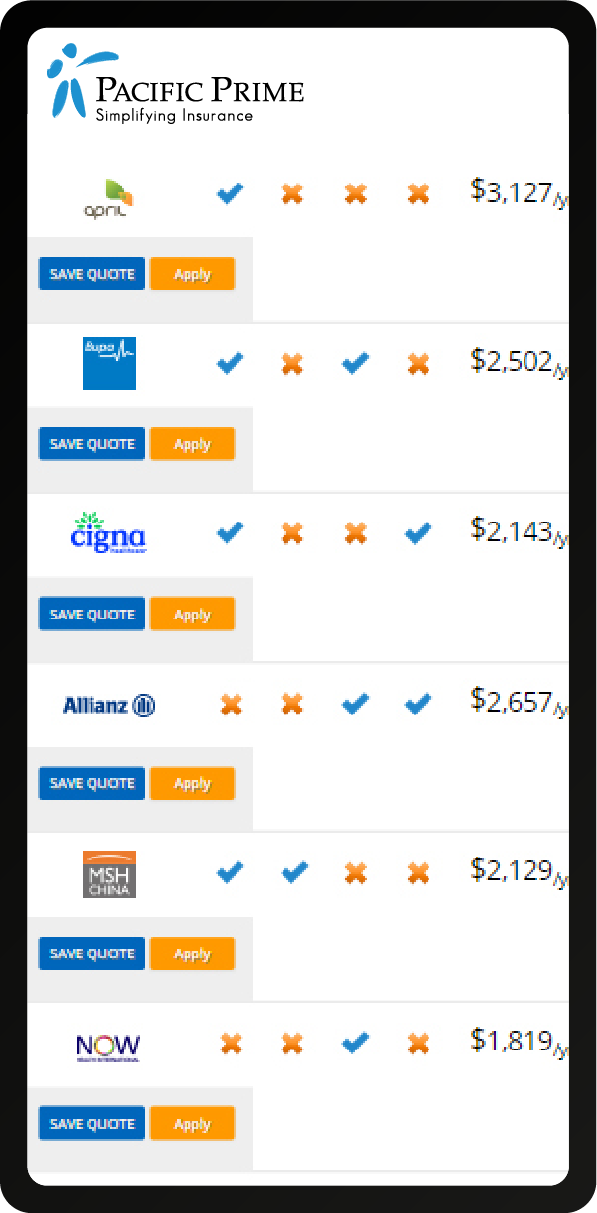
Relocate to Thailand with Ease with Pacific Prime
Thailand offers a rich, rewarding lifestyle for expats, but it’s not without its hurdles. From affordable living and world-class healthcare to visa complexities and cultural nuances, the experience varies widely depending on your goals and preparation.
At Pacific Prime, we’re here to support your journey every step of the way. Whether you’re relocating for work, retiring in paradise, or exploring life as a digital nomad, our team can help you find the right health insurance plan and settle into your new home with confidence.
Contact us today for a free, no-obligation plan comparison!

At Pacific Prime, Grace focuses on simplifying complex concepts on international health insurance to make these topics easily accessible and understandable for our target audience. Being a Filipino born in Hong Kong, she understands the struggles of most immigrants and expats in finding the right insurance solutions while in another country. Her goal is to redefine most people’s perception of insurance, that it is an investment for one’s protection and future.
In her spare time, Grace is either at home or at Hong Kong Disneyland. She loves reading, watching movies and K-dramas, and attending dance classes.
- How to Find Digital Nomad Jobs in Thailand – October 22, 2025
- Top 12 Insurance Companies in Serbia for Expats – October 21, 2025
- Expat’s Guide: Pros and Cons of Living in Thailand – October 20, 2025



Comments