300x85-png.webp)


 Hong Kong
 Singapore
 China
China Dubai
Dubai Thailand
 United Kingdom
 Mexico
Spain’s healthcare system is consistently ranked among the best in the world, offering a combination of public and private services. This gives expats several options for accessing care depending on their residency status, employment, and insurance coverage.
Discover the world’s top
health insurers.
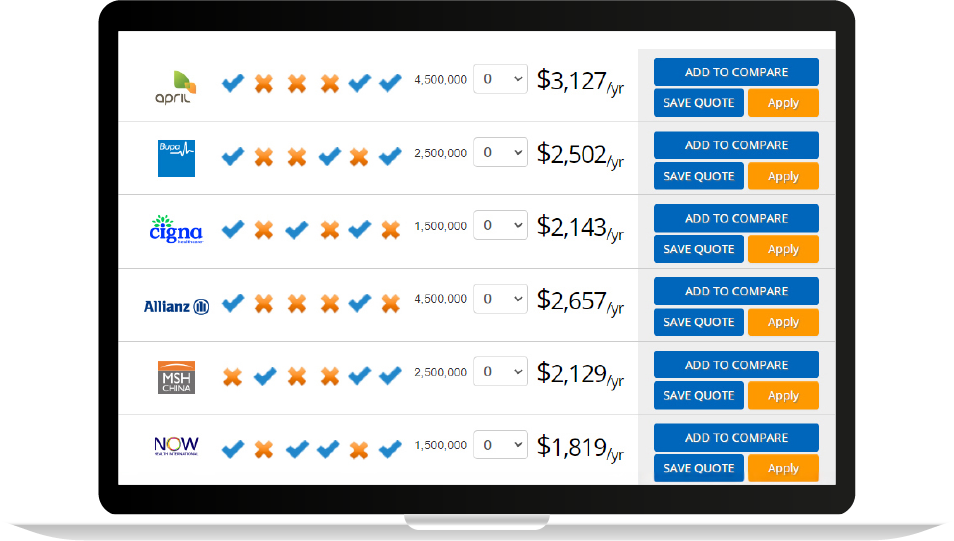
Compare quotes with
a click of the button.
In this guide, we break down everything you need to know about healthcare in Spain as an expat, from eligibility and registration to international private health insurance and family care.
Understanding Spain’s Healthcare System
Spain operates a universal healthcare system as the Sistema Nacional de Salud (SNS). Funded primarily through taxes and managed at the regional level, the SNS provides free and low-cost healthcare to residents who contribute to the country’s social security system.
The public system covers a wide range of services like general practitioner visits, specialist consultations, emergency care, hospitalization, maternity services, and pediatric care. However, there are limitations, which is why many expats also consider private or international health insurance.
Eligibility for Public Healthcare
Eligibility for Spain’s public healthcare system depends on your residency status and whether you contribute to Seguridad Social (social security). Here’s how it’s broken down:
- Employed expats: If you work for a Spanish employer, you’re automatically enrolled in the social security system, which entitles you and your dependents to public healthcare.
- Self-employed expats: You must register and contribute to social security independently to access public healthcare.
- EU/EEA citizens: You can use the European Health Insurance Card (EHIC) or GHIC for temporary stays. For long-term access, you’ll need to register locally.
- Retirees: If you’re receiving a state pension from a country with a reciprocal agreement (like the UK), you may qualify for public healthcare via the S1 form.
- Non-EU expats: If you’re not working or contributing to social security, you’ll need private insurance to meet visa requirements and access care.
The Convenio Especial Program
If you’ve lived in Spain for over a year but don’t qualify for public healthcare through employment or pension, you may be eligible for the Convenio Especial. This is a government-run insurance scheme that provides access to the public system for a flat monthly fee.
As of 2025, the cost is approximately €60 per month for those under 65 and €157 for those over 65. It covers most services but excludes prescriptions and dental care. It’s a useful option for long-term residents who are otherwise uninsured.
How to Register for Public Healthcare in Spain
To access public healthcare in Spain, expats must complete several administrative steps. First, apply for a NIE (Número de Identificación de Extranjero), which acts as your foreigner ID. Then register your address through the empadronamiento process at your local town hall.
If you’re employed or self-employed, enrollment in the social security system (Seguridad Social) is the next step. Once these are in place, visit your neighborhood health center to request a Tarjeta Sanitaria (health card).
With it, you’ll be assigned a general practitioner and can begin using public services like doctor visits and hospital care.
What’s Covered by the Public System in Spain
Spain’s public health service, the SNS, covers general and specialist appointments, hospital treatments, emergency services, maternity care, vaccinations, and some mental health support. However, dental, vision, and a portion of prescriptions are not fully covered.
Adults typically pay out of pocket for dental care, though children and vulnerable groups—like pregnant women and oncology patients—may receive limited public coverage for basic services.
Private Healthcare in Spain
Spain’s private healthcare network is well-developed, modern, and frequently used by locals and expats alike. Services are typically faster, more personalized, and include English-speaking medical staff, especially in major cities.
Expats often choose private care for shorter wait times, better hospital amenities, and broader access to services not covered by the public system, such as dental, vision, and physiotherapy.
Cost of Private Health Insurance
Private insurance in Spain is relatively affordable. Monthly premiums typically range between €50 and €200, depending on your age, coverage, and provider. Plans can include general medical services, maternity, mental health, dental, vision, and even international travel benefits.
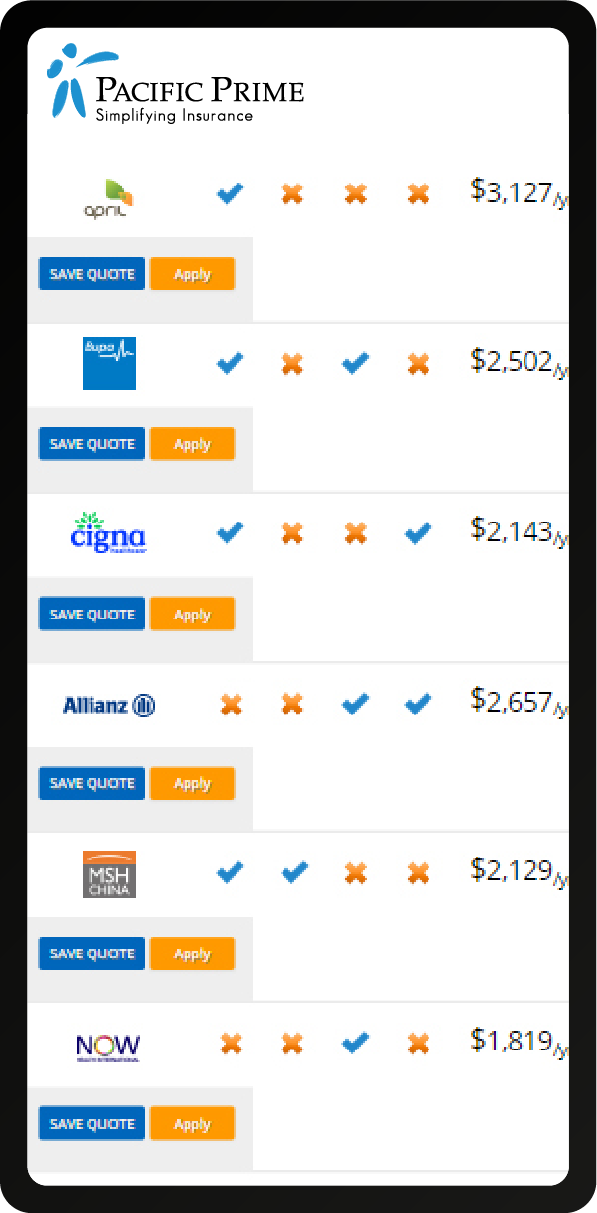
Providers like Cigna, Bupa, and Now Health International , offer customizable plans suited to expat needs. International health plans are especially appealing for those who travel frequently or plan to relocate again.
Why International Health Insurance Is a Smart Choice
International health insurance offers seamless access to Spain’s private healthcare system without the delays or restrictions of public care. It’s often required for visa applications and is especially helpful for families, retirees, and remote workers.
These plans typically include worldwide coverage, bilingual assistance, and options for maternity, child care, and global mobility. They are a smart, flexible solution for expats seeking convenience, compliance, and peace of mind.
Healthcare for Children and Families
Spain is especially welcoming to families. Children receive free pediatric services and routine vaccinations through both public and private systems. Dental care is available under the public system up to age 16, and school health checks are commonly provided.
Maternity care is comprehensive, with regular prenatal visits and hospital births covered by the SNS. However, many expats prefer private hospitals for faster appointments, personalized attention, and a more comfortable experience overall.
Pharmacies and Prescriptions in Spain
Pharmacies, or farmacias, are widely accessible and offer both prescription and over-the-counter medicines. The SNS subsidizes prescription costs, and patients pay a copayment based on their income.
Working-age adults often pay 40–60% of the price, while pensioners may pay just 10% or less. Children and those with limited income may receive medications at no cost. If you have private or international insurance, it may cover all or part of your prescription expenses.
Emergency Services in Spain
Emergency healthcare in Spain is universal and accessible to everyone. You can dial 112 for immediate medical assistance. Public hospitals operate 24/7 emergency departments known as urgencias, and ambulance services are publicly funded in urgent cases.
Private hospitals also offer emergency care, though you’ll either need insurance or pay out of pocket. In both systems, you’ll receive care promptly for life-threatening conditions.
Regional Differences in Healthcare in Spain
Spain’s regional healthcare means service quality varies. Cities like Madrid offer better care and more English-speaking staff. Rural areas may face specialist shortages and delays. Private insurance helps with faster access and broader provider networks across regions.
Healthcare for Students and Visitors in Spain
Students in Spain are required to have valid health insurance. EU students can use the EHIC for basic access, but long-term stays require local or private coverage. Non-EU students must have private health insurance that meets Spanish visa requirements.
Short-term visitors should obtain Schengen-compliant travel insurance, which includes a minimum of €30,000 in coverage for emergency care, hospitalization, and repatriation.
Digital Health and Telemedicine in Spain
Spain is adopting more digital healthcare tools. In some regions, residents can use virtual health cards via official mobile apps.
Telemedicine is also growing, especially in the private sector, with insurers now offering 24/7 video consultations, appointment booking apps, and digital prescription services, making access to care faster and more convenient for expats.
How Pacific Prime Can Help
Navigating healthcare in a new country can be overwhelming, but you don’t have to do it alone. At Pacific Prime, we specialize in helping expats find the right international health insurance for their needs.
We offer expert advice, comparisons of top global insurers, tailored recommendations for individuals, couples, and families, and ongoing support from enrollment to claims. Contact us today to get a free plan comparison!

At Pacific Prime, Grace focuses on simplifying complex concepts on international health insurance to make these topics easily accessible and understandable for our target audience. Being a Filipino born in Hong Kong, she understands the struggles of most immigrants and expats in finding the right insurance solutions while in another country. Her goal is to redefine most people’s perception of insurance, that it is an investment for one’s protection and future.
In her spare time, Grace is either at home or at Hong Kong Disneyland. She loves reading, watching movies and K-dramas, and attending dance classes.
- How to Find Digital Nomad Jobs in Thailand – October 22, 2025
- Top 12 Insurance Companies in Serbia for Expats – October 21, 2025
- Expat’s Guide: Pros and Cons of Living in Thailand – October 20, 2025


Comments