300x85-png.webp)


 Hong Kong
 Singapore
 China
China Dubai
Dubai Thailand
 United Kingdom
 Mexico
Dubai has become the go-to destination for expats wanting a luxurious and tax-efficient retirement. With its tax-free income, luxury lifestyle, and world-class healthcare, it’s no wonder retirees are choosing this desert oasis for their golden years.
Discover the world’s top
health insurers.
Compare quotes with
a click of the button.
This guide walks you through everything you need to know: visa options, healthcare, cost of living, and the best neighborhoods for retirees. Whether you’re planning ahead or ready to make the move, this guide will help you navigate retirement in Dubai with confidence.
Why Expats Prefer to Retire in Dubai
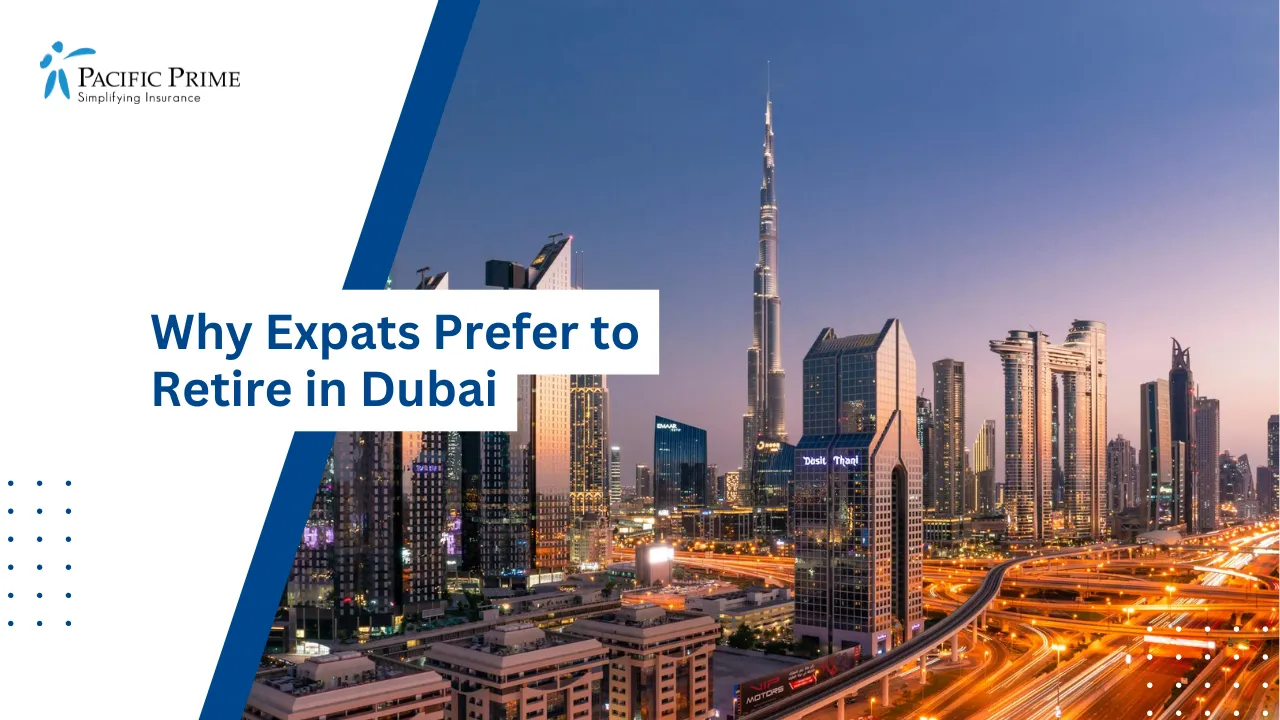
Dubai offers a rare combination of financial freedom, safety, modern infrastructure, and vibrant expat communities. Retirees enjoy a high standard of living, warm climate, and access to world-class amenities–all without paying personal income tax.
Tax-Free Income
Dubai does not impose personal income tax, allowing retirees to keep 100% of their pension or investment income. This makes it especially attractive for those looking to maximize their retirement savings.
World-Class Healthcare
Dubai’s healthcare system includes top-tier hospitals and clinics with internationally trained staff. Expats have access to both public and private healthcare, with many choosing international health insurance plans for broader coverage.
Safety and Security
Dubai consistently ranks among the safest cities in the world. Low crime rates and strict law enforcement make it a secure place to live, especially for older residents.
Diverse Expat Community
With residents from over 200 nationalities, Dubai offers a multicultural environment where English is widely spoken. Retirees can easily integrate into social clubs, interest groups, and international communities.
Modern Infrastructure
Dubai boasts reliable public transport, high-speed internet, and well-maintained roads. Everything from shopping malls to entertainment venues is designed for convenience and comfort.
Dubai’s Retirement Visa Options Based on Eligibility
Dubai offers a retirement visa program for expats aged 55 and older. Applicants must meet financial criteria through one of several pathways:
- Savings Route: Applicants must show AED 1,000,000 (approx. USD $250,000) in savings held in a 3-year fixed deposit UAE bank account.
- Property Ownership Route: Applicants can qualify by owning property in Dubai worth at least AED 1,000,000. The property must be fully paid and not mortgaged.
- Income Route: Applicants must demonstrate a monthly income of at least AED 15,000 (approx. USD $4,100) from pensions, investments, or business activities.
- Savings and Income Route: A combination of the two, applicants must have savings valued at a minimum of AED 1,000,000 (USD $275,000) in a 3-year fixed deposit and property worth at least AED 500,000 (USD $136,000)
How To Apply For Dubai’s Retirement Visa
Dubai’s retirement visa is valid for five years and can be renewed. Expats aged 55 and above can apply through either the General Directorate of Residency and Foreigners Affairs (GDRFA) or the Dubai Land Department, depending on which financial route they choose.
You can complete the application online or through a licensed agent. If you’re applying via savings or income, you’ll go through the GDRFA. If you’re applying based on property ownership, your documents and fees must be submitted to a Dubai Land Department service center.
Regardless of the route, you’ll need to prepare the following documents:
- Passport copy
- Proof of age (must be 55+)
- Bank statements showing savings or income
- Property ownership documents (if applicable)
- Health insurance policy
- Completed visa application form
For the savings route, visit the GDRFA website, register for an account, and start a new application. Upload your documents, pay the required fees, and wait for approval. Processing typically takes a few weeks.
If you’re applying through the property route, visit a Dubai Land Department service center. Submit your title deed and proof of property value along with the required documents and fees. It’s a good idea to call ahead to confirm what’s needed.
Once approved, you’ll receive your residency visa and Emirates ID. These give you access to healthcare, banking, and other essential services. Many retirees also work with relocation consultants to make the process smoother and stress-free.
Healthcare in Dubai
Dubai’s healthcare system is modern, efficient, and highly rated. Expats can access private hospitals with international standards and multilingual staff. The government mandates health insurance for all residents, including retirees.
Expats often prefer international health insurance because it offers global coverage, flexibility in choosing providers, and peace of mind when traveling outside the UAE.
Where to Live in Dubai for Retirees
Dubai offers a range of neighborhoods suited to retirees, from beachfront living to quiet suburban communities. Here are some of the top places to live in Dubai for retirees:
- Dubai Marina: Vibrant waterfront living with restaurants, shops, and scenic views.
- Jumeirah: Upscale villas and beach access, ideal for a relaxed lifestyle.
- Arabian Ranches: Gated community with golf courses and parks, perfect for tranquility.
- Downtown Dubai: Urban living near the Burj Khalifa and Dubai Mall.
- Palm Jumeirah: Iconic island living with luxury apartments and private beaches.
- Mirdif: Affordable housing with a suburban feel and family-friendly amenities.
Cost of Living in Dubai for Expats
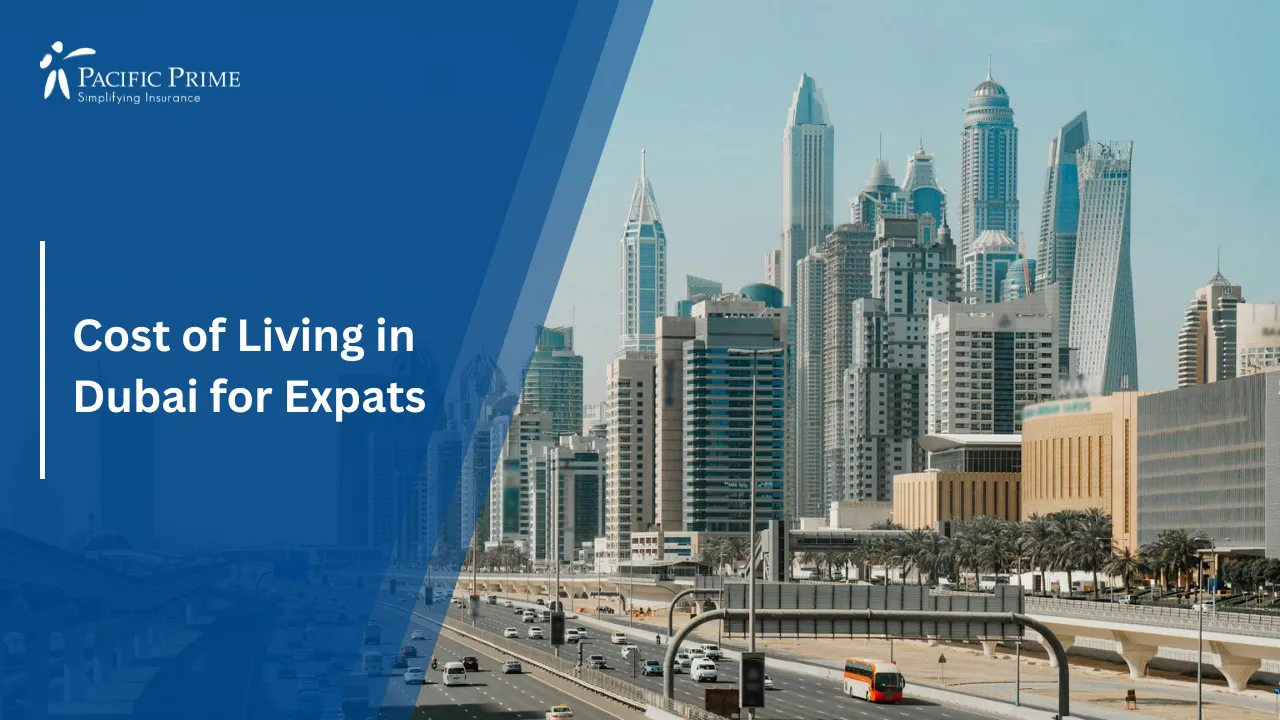
Living in Dubai can be as affordable or extravagant as you choose. While luxury options abound, retirees can enjoy a comfortable lifestyle with careful planning. In general, a modest lifestyle typically costs AED 12,000 to AED 15,000 (USD $3,200 to USD $4,000) per month, while a more luxurious lifestyle can exceed AED 20,000 (USD $5,500).
Housing in Dubai
Rent for a one-bedroom apartment ranges from AED 4,000 (USD $1,000) in suburban areas to AED 12,000 (USD $3,200) in prime locations like Downtown or Marina.
Groceries in Dubai
Weekly grocery bills for two people typically fall between AED 400 and AED 600 (USD $108 to USD $163), depending on preferences and shopping habits.
Dining Out in Dubai
Casual meals cost AED 30 to AED 60 (USD $8 to USD $16) per person, while fine dining can exceed AED 300 (USD $80) per meal.
Transportation in Dubai
Public transport is efficient and affordable, with metro passes costing around AED 300 (USD $80) monthly. Car ownership adds fuel, insurance, and maintenance costs.
Utilities and Internet in Dubai
Monthly costs for electricity, water, and internet usually range from AED 500 to AED 800 (USD $136 to USD $218), depending on usage and apartment size.
Health Insurance in Dubai
Mandatory for all residents. Annual premiums for retirees range from AED 5,500 to AED 11,000 (USD $1,500 to USD $3,000) based on age and coverage.
Secure your Retirement with Pacific Prime
Planning your retirement in Dubai means more than choosing the right neighborhood–it’s about ensuring peace of mind. With mandatory health insurance for all residents, having the right coverage is essential.
Pacific Prime specializes in international and expat health insurance tailored for retirees. Our expert advisors can help you compare plans, understand coverage options, and find a policy that fits your lifestyle and budget.
Whether you’re applying for Dubai’s retirement visa or already settling in, contact Pacific Prime to make sure your healthcare needs are fully covered–so you can enjoy your golden years with confidence.
Frequently Asked Questions
Can you retire in Dubai as an expat?
Dubai offers a renewable 5-year retirement visa for expats aged 55 or older. Applicants must meet financial criteria through savings, property ownership, or monthly income. It’s a popular option for long-term non-working residency.
How much money do I need to retire in Dubai?
To qualify, you need AED 1,000,000 (USD $272,000) in savings, AED 20,000 (USD $5,500) monthly income, or property worth AED 1,000,000 (USD $272,000). Monthly living costs range from USD $3,000 to USD $6,000 (USD $816 to USD $1,600) depending on lifestyle, housing, and healthcare choices.
Is retiring in Dubai worth it?
Dubai offers tax-free income, modern infrastructure, safety, and luxury living. While costs can be high, many retirees find the quality of life, healthcare, and expat-friendly environment well worth the investment for their golden years.
Can a 70-year-old work in Dubai?
You can work in Dubai if you’re over 65, but it will be a special case. Work permits for those over 65 require employer justification and medical clearance. While full-time roles are rare, consulting or part-time work may be possible depending on the industry and individual health status.
Where is the best place for expats to live in Dubai?
Top choices include Dubai Marina for waterfront living, Jumeirah for beachside villas, Arabian Ranches for quiet suburbs, and Palm Jumeirah for luxury island life. Each area offers unique benefits depending on lifestyle and budget.
Is healthcare free in Dubai?
Healthcare is not free for expats. All residents are required by Dubai law to have health insurance. While public hospitals offer quality care, most expats prefer private facilities with international insurance for broader coverage and faster access.
How much is international health insurance for expats in Dubai?
Annual premiums for international health insurance typically range from USD $1,500 to USD $3,000. Costs vary based on age, coverage level, and provider. Plans often include outpatient care, hospitalization, and global travel coverage.

At Pacific Prime, Grace focuses on simplifying complex concepts on international health insurance to make these topics easily accessible and understandable for our target audience. Being a Filipino born in Hong Kong, she understands the struggles of most immigrants and expats in finding the right insurance solutions while in another country. Her goal is to redefine most people’s perception of insurance, that it is an investment for one’s protection and future.
In her spare time, Grace is either at home or at Hong Kong Disneyland. She loves reading, watching movies and K-dramas, and attending dance classes.
- How to Find Digital Nomad Jobs in Thailand – October 22, 2025
- Top 12 Insurance Companies in Serbia for Expats – October 21, 2025
- Expat’s Guide: Pros and Cons of Living in Thailand – October 20, 2025


Comments