300x85-png.webp)


 Hong Kong
 Singapore
 China
China Dubai
Dubai Thailand
 United Kingdom
 Mexico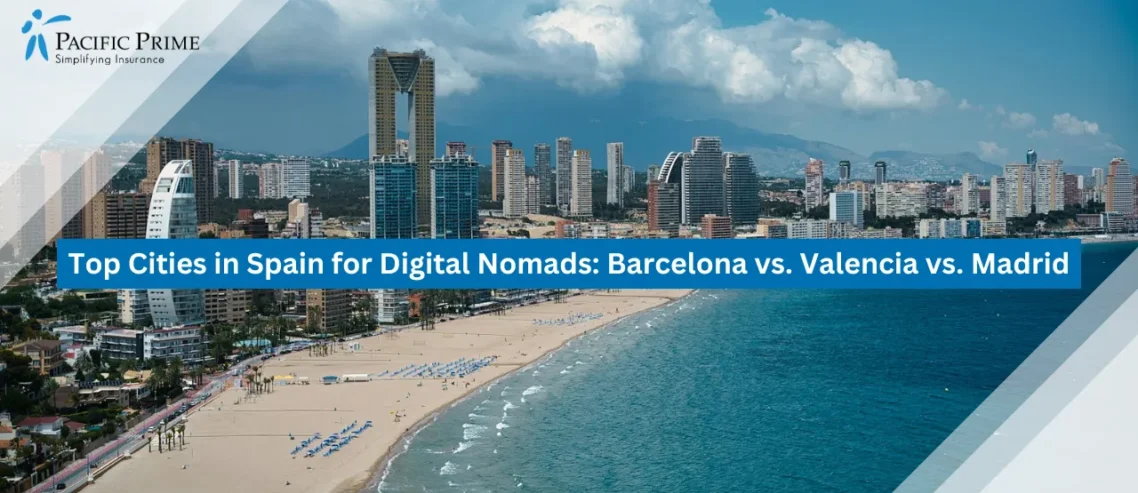
Spain has rapidly become one of Europe’s top destinations for digital nomads, thanks to its year-round sunshine, affordable lifestyle, and thriving expat communities. Among the many cities that attract remote workers, Barcelona, Valencia, and Madrid stand out as the most popular choices.
Discover the world’s top
health insurers.
Compare quotes with
a click of the button.
But how do you choose the right city for your lifestyle and work needs? Are you looking for a buzzing urban vibe or a laid-back beach town? Do you prioritize cost of living, fast internet, or access to international communities?
In this Pacific Prime article, we’ll explore what makes these three cities ideal for digital nomads. From covering coworking spaces and internet speed to cost of living and overall vibe, we’ll help you decide which city in Spain is the best fit for your remote work journey.
Top 3 Most Popular Cities in Spain for Digital Nomads
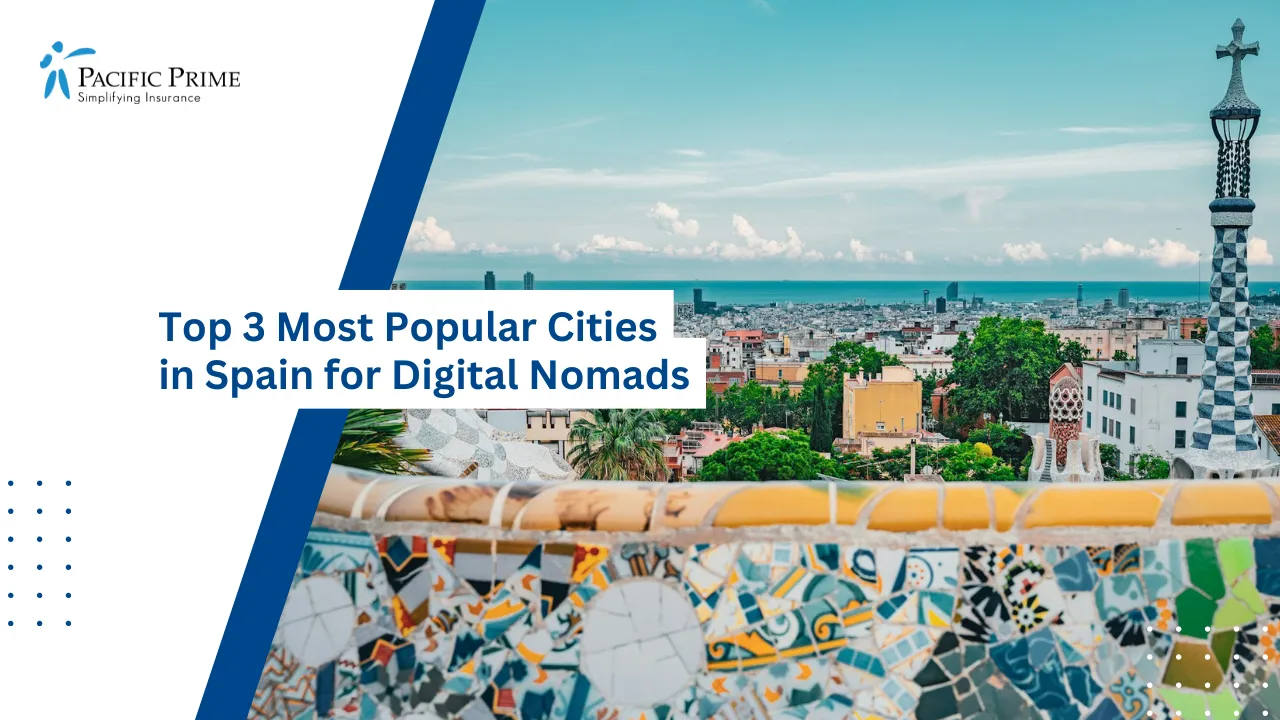
The top three cities for expats and digital nomads seeking remote work in Spain are Barcelona, Valencia, and Madrid. Here’s a brief look at what each city is known for:
Barcelona
A coastal city bursting with artistry, Barcelona is known for its iconic architecture, strong startup scene, and vibrant digital nomad community. Its perfect mix of beach life and urban living makes it ideal for remote workers who crave both cultural and social connection.
Valencia
Valencia is the hidden gem of Spain’s east coast. Known for its relaxed pace, affordable living, and growing international community, it’s a favorite among digital nomads who want Mediterranean vibes without the crowds or high prices.
Madrid
As Spain’s capital, Madrid offers the bustling energy of a major European city. It’s known for its dynamic lifestyle, cultural depth, and excellent infrastructure. Here, digital nomads have access to various coworking spaces, networking opportunities, and Spain’s top cultural attractions.
What It’s Like Living in Barcelona as a Digital Nomad
Barcelona is one of the most iconic and dynamic cities in Europe, with a mix of work opportunities, cultural richness, and beachside living. Thanks to its thriving international community, it’s no surprise Barcelona is a favorite for digital nomads chasing both productivity and a Mediterranean vibe.
Lifestyle and Culture in Barcelona
Barcelona’s vibe is both chill and inspiring. It’s a city where work and life genuinely feel balanced—you’ll see people taking long, relaxed lunches, catching up with friends at outdoor cafés, or heading to the beach after work.
Locals and expats alike embrace a lifestyle that values connection, creativity, and making the most of everyday. Whether you’re wandering the streets, biking through neighborhoods, or enjoying live music at the town plaza, it’s easy to feel like you’re part of something vibrant and alive.
Cost of Living in Barcelona
Compared to many major European cities, Barcelona is relatively affordable, but it’s still one of the pricier cities in Spain. Here’s a general breakdown of what digital nomads might expect to spend monthly:
- Rent (one-bedroom apartment in the city center): €1,000–€1,800 ($1,170–$2,106 USD)
- Coworking membership: €150–€300 ($175–$351 USD)
- Groceries and dining out: €300–€500 ($351–$585 USD)
- Transport (monthly metro pass): €40–€60 ($47–$70 USD)
While not the cheapest option in Spain, the quality of life in Barcelona often justifies the cost—especially if you’re earning in foreign currency or working for international clients.
Coworking and Remote Work Infrastructure in Barcelona
Barcelona is built for remote work. The city is home to dozens of coworking spaces, each offering high-speed internet, comfortable work setups, and vibrant communities. Top coworking hubs include Betahaus, Aticco, and OneCoWork, many of which host networking events and workshops.
If you prefer working from a café, you’re also in luck. Barcelona is full of laptop-friendly spots with great coffee, strong Wi-Fi, and inspiring views.
Accommodation Options in Barcelona
Finding a place to rent short-term in Barcelona can be competitive, especially during the summer and tourist-heavy months. However, there are several good options for digital nomads:
- Gràcia: Bohemian, artsy, and full of charm
- Poblenou: Tech-forward, near the beach, and home to many coworking spaces
- Example: Central, grid-like streets, and close to everything
Coliving spaces are also on the rise, offering furnished rooms, cleaning services, and built-in communities—perfect for short- to mid-term stays.
Community and Social Life in Barcelona
Barcelona has a large, well-established digital nomad and expat community. You’ll find plenty of opportunities to connect, whether through Facebook groups, meetup events, or coworking-hosted socials.
English is widely spoken, especially in professional settings, though learning a bit of Spanish—or even Catalan—can go a long way.
Transportation and Getting Around in Barcelona
Barcelona’s public transport system is excellent, with a reliable metro, bus, and tram network. A monthly metro pass costs around €40 ($47 USD) and covers nearly all your travel needs. The city is also bike-friendly, and many locals use scooters or walk, thanks to Barcelona’s compact layout.
You can get from the mountains to the beach in under 30 minutes—making spontaneous adventures easy.
Things to Do in Barcelona
Barcelona offers a seemingly endless list of activities. From world-famous architecture like Gaudí’s Sagrada Família and Park Güell to buzzing tapas bars and beach hangouts, your free time will never be dull. Other local highlights include:
- Beaches: La Barceloneta is the seaside neighborhood for sun, surf, and volleyball
- Parks: Parc de la Ciutadella and Montjuïc for green space and views
- Museums & Galleries: Picasso Museum, MACBA, and more
- Day trips: Montserrat, Sitges, or the Costa Brava region
Festivals, live music, and cultural events take place year-round, with highlights including Primavera Sound, Sónar Festival, Cruïlla Festival, Festa Major de Gràcia, and La Mercè, giving you even more reasons to step away from your screen and explore.
Summary: Pros and Cons of Living in Barcelona
Pros:
- Beautiful coastal location with mild winters and warm summers
- Strong international and digital nomad community
- Excellent coworking options and infrastructure
- Rich culture, history, and lifestyle
- Great public transportation
Cons:
- Higher cost of living compared to other Spanish cities
- Tourist crowds during peak seasons
- Housing can be expensive and competitive
What It’s Like Living in Valencia as a Digital Nomad
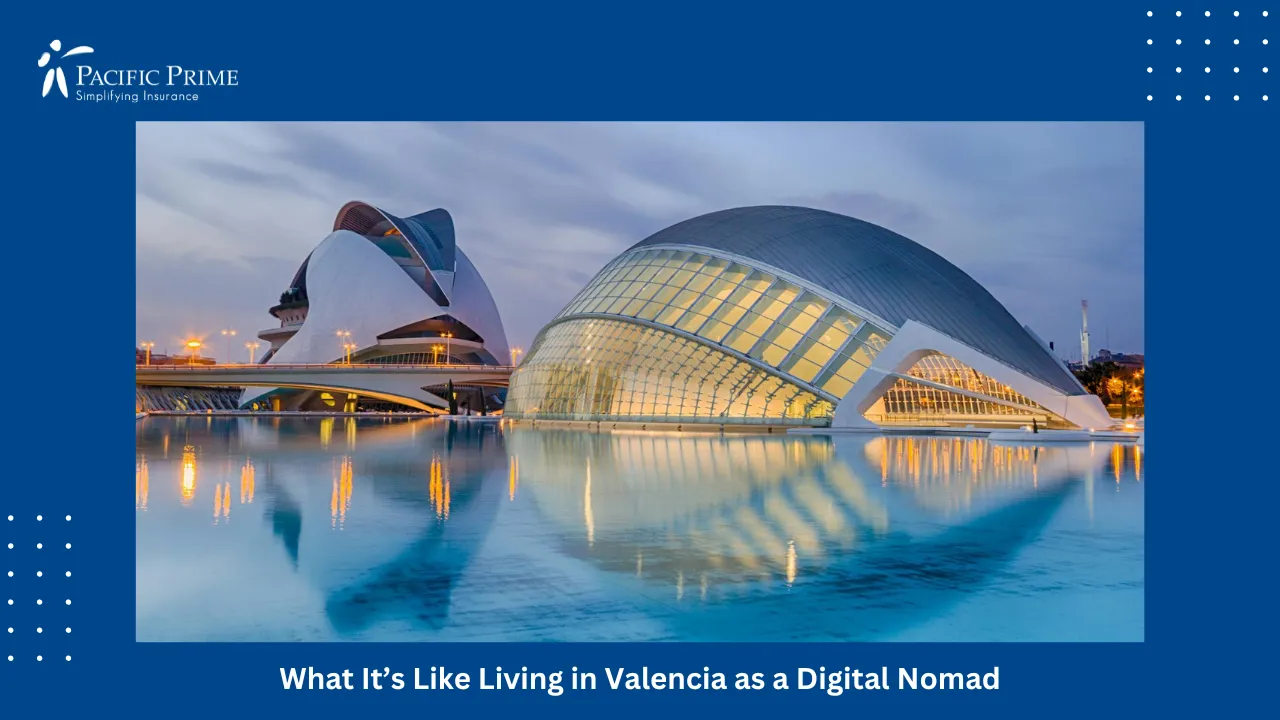
If you’re looking for a city that blends Mediterranean beach life with an even more laid-back, affordable lifestyle, Valencia may be your ideal destination.
Often overshadowed by Barcelona and Madrid, Valencia has quietly become a rising favorite among digital nomads seeking a slower pace without sacrificing modern conveniences or cultural diversities.
Lifestyle and Culture in Valencia
Valencia offers a more relaxed, less tourist-heavy experience compared to Spain’s larger cities. The pace is noticeably slower, and locals enjoy a balanced, community-oriented lifestyle.
With over 300 days of sunshine a year, much of daily life happens outdoors—whether it’s sipping coffee in a sunny plaza, cycling through the city’s parks, or catching the sunset by the sea.
Despite being more relaxed, Valencia still has a rich cultural scene. From centuries-old festivals like Las Fallas to futuristic architecture at the City of Arts and Sciences (Ciudad de las Artes y las Ciencias), the city offers a unique mix of old and new.
Cost of Living in Valencia
One of Valencia’s biggest draws for digital nomads is its affordability. It’s significantly cheaper than Barcelona or Madrid, especially when it comes to housing and dining.
Estimated monthly costs for a digital nomad:
- Rent (one-bedroom apartment in the city center): €850–€1,300 ($995–$1,521 USD)
- Coworking membership: €120–€180 ($140–$211 USD)
- Groceries and dining out: €250–€400 ($293–$468 USD)
- Transport (monthly metro pass): €30–€50 ($35–$59 USD)
If you’re budget-conscious but still want access to beaches, coworking hubs, and city life, Valencia offers incredible value.
Coworking and Remote Work Infrastructure in Valencia
Valencia has seen a steady rise in coworking spaces, many of which cater specifically to the digital nomad crowd. Spots like Wayco, Vortex, and Llum provide well-equipped workspaces and often organize community events, language exchanges, and workshops.
Internet speeds are fast and reliable, and many cafés welcome laptop users during the day, especially in neighborhoods like Ruzafa and El Carmen.
Accommodation Options in Valencia
Housing in Valencia is generally easier to find and more affordable than in other Spanish cities. Popular neighborhoods for nomads include:
- Ruzafa: Trendy, artsy, and full of life
- El Carmen: Historic, central, and walkable
- Cabanyal: Close to the beach, more laid-back
Short-term rentals and coliving options are available, though not as abundant as in Barcelona. Booking early is recommended, especially during the spring festival season.
Community and Social Life in Valencia
Valencia’s digital nomad scene is growing rapidly, and it’s especially appealing to those looking for a more community-driven, less touristy environment. While English is commonly spoken in coworking spaces and expat circles, learning some Spanish will help you connect more deeply with locals.
Facebook groups, meetups, and local language exchanges make it easy to meet fellow nomads and locals alike.
Transportation and Getting Around in Valencia
Valencia is highly walkable and bike-friendly, with a flat layout and a popular bike-share system. Public transport—buses, metro, and trams—is efficient and affordable. You can get almost anywhere in the city within 20–30 minutes.
Things to Do in Valencia
From sandy beaches to historic landmarks, Valencia has plenty to offer in your off-hours. Must-dos include:
- Explore Turia Park: A massive green space running through the city
- Visit the City of Arts and Sciences: Iconic modern architecture and museums
- Beach days at Playa de la Malvarrosa or La Patacona
- Experience Las Fallas: A fiery, citywide festival held every March
- Weekend getaways: Albufera Natural Park, Xàtiva Castle, or the nearby mountains
Summary: Pros and Cons of Living in Valencia
Pros:
- Lower cost of living compared to Barcelona or Madrid
- Walkable, bike-friendly city with great public transport
- Warm climate and proximity to the beach
- Emerging digital nomad community with growing coworking options
Cons:
- Smaller nomad/expat scene compared to larger cities
- Fewer direct international flights
- Not as many events or tech/startup networking opportunities
What It’s Like Living in Madrid as a Digital Nomad
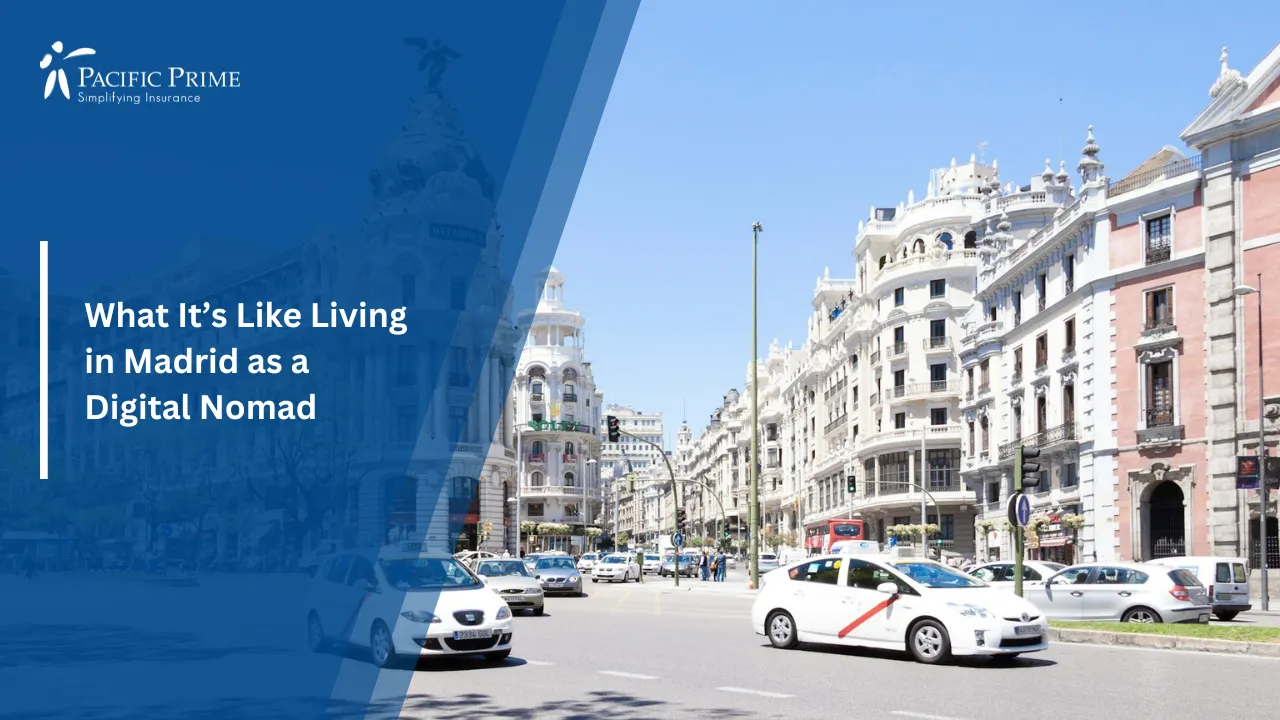
As Spain’s capital and largest city, Madrid offers digital nomads the complete package: a dynamic urban environment, rich cultural experiences, and a high standard of living.
While it lacks the coastline of Barcelona or Valencia, Madrid makes up for it with unmatched connectivity, world-class amenities, and a fast-paced energy that appeals to ambitious remote workers.
Lifestyle and Culture in Madrid
Madrid pulses with life at all hours. It’s a city known for its grand boulevards, vibrant plazas, and passionate culture—from flamenco shows to political debates in local cafés. For digital nomads who thrive in an active, cosmopolitan setting, Madrid provides an exciting backdrop to work and play.
The lifestyle here is distinctly urban, but balanced with plenty of green spaces like Retiro Park and a strong emphasis on socializing. Evenings stretch long into the night with tapas, concerts, festivals, and rooftop bars.
Cost of Living in Madrid
Madrid sits between Barcelona and Valencia in terms of affordability. While it’s not the most affordable city in Spain, it offers great value for what you get—especially in terms of cultural access and public services.
Estimated monthly expenses:
- Rent (one-bedroom apartment in the city center): €1,100–€1,800 ($1,287–$2,106 USD)
- Coworking membership: €150–€250 ($176–$293 USD)
- Groceries and dining out: €300–€450 ($351–$527 USD)
- Transport (monthly card for central Madrid and suburbs): €55 ($64 USD)
You can also find more affordable rent options in surrounding neighborhoods and suburbs, thanks to Madrid’s excellent transportation links.
Coworking and Remote Work Infrastructure in Madrid
Madrid has a robust infrastructure for remote work. The city is packed with coworking spaces like Impact Hub, LOOM, and The Shed Co, many of which cater to professionals in tech, design, and freelance industries.
Internet speeds are fast, and there’s a growing startup ecosystem. The city regularly hosts conferences, meetups, and networking events—great for remote workers looking to build connections or grow professionally.
Accommodation Options in Madrid
Madrid offers a wide range of accommodation styles, from modern apartments in the city center to quieter options in leafy outer districts. Popular areas for digital nomads include:
- Malasaña: Trendy, youthful, and full of character
- Chamberí: More local, residential, and peaceful
- Lavapiés: Diverse, artistic, and culturally rich
- Salamanca: Upscale and well-connected
For more affordable living in Madrid, consider living in Vallecas, Carabanchel, Usera, Ciudad Lineal, Tetuán, and San Blas-Canillejas, which combine lower rents with decent connectivity and community amenities.
Coliving spaces are increasingly common, especially in central districts. Housing apps and Facebook groups make short-term rentals accessible, though demand can spike during university semesters and tourist season.
Community and Social Life in Madrid
Madrid has a large and diverse expat population as well as a growing digital nomad community. The city is friendly to newcomers, and it’s easy to meet people through coworking spaces, social apps, and language exchanges.
English is widely spoken in international circles, though learning some Spanish will definitely enrich your experience, especially when engaging with locals.
Transportation and Getting Around in Madrid
Madrid’s public transportation system is one of the best in Europe. Being the second-largest in Europe after London with 12 main lines and over 300 stations, you can easily live outside the city center and still get around comfortably, which helps with lowering your rent and cost of living as well.
The metro, buses, and suburban trains (Cercanías) cover the entire city and nearby towns. With a monthly travel pass at around €55, you can easily explore the city and even commute from quieter suburbs.
Walking and biking are also options, with more bike lanes and pedestrianized zones popping up throughout the city.
Things to Do During Downtime in Madrid
Madrid offers endless options when you’re off the clock:
- Explore world-famous museums: Prado, Reina Sofía, and Thyssen
- Catch a flamenco performance or attend a Real Madrid match
- Relax in parks like Retiro or Casa de Campo
- Go on weekend trips to Toledo, Segovia, or the Sierra de Guadarrama mountains
- Enjoy rooftop bars, food markets, and local festivals throughout the year
Madrid is also a major transportation hub, making it easy to take quick flights or trains to other parts of Spain and Europe.
Summary: Pros & Cons of Living in Madrid
Pros:
- Fast-paced, cosmopolitan lifestyle
- Excellent coworking spaces and networking opportunities
- Top-tier public transport and infrastructure
- Central location for travel within Spain and Europe
- Endless cultural and social activities
Cons:
- No beach (though pools and day trips help)
- Can be more expensive in the city center
- Summers can get extremely hot (over 40°C / 104°F)
- Fast-paced lifestyle may feel overwhelming to some
Barcelona vs. Valencia vs. Madrid: Which City Is Best for Digital Nomads?
Each of Spain’s top three cities offers something unique for digital nomads, depending on your lifestyle, budget, and remote work needs. Here’s a quick side-by-side breakdown to help you decide which destination might suit you best:
| Category | Barcelona | Valencia | Madrid |
| Vibe | Trendy, creative, beach-meets-city | Relaxed, sunny, neighborly vibe | Fast-paced, cosmopolitan, urban |
| Cost of Living | High (especially rent in central areas) | Low to moderate | Moderate to high |
| Internet & Coworking | Excellent; lots of coworking spaces | Good and growing | Excellent; strong startup scene |
| Community | Large international & nomad community | Smaller but growing community | Diverse expat and professional networks |
| Outdoor Access | Beaches, hills, day trips | Beaches, parks, natural reserves | Parks, mountains, nearby cities |
| Public Transport | Extensive metro and buses | Walkable and good bus/metro system | Best in Spain; metro, trains, buses |
| Language | Spanish + Catalan; English in expat areas | Mostly Spanish | Spanish widely spoken; English in city |
| Best For | Creatives, entrepreneurs, beach-lovers | Budget-conscious nomads, nature-lovers | Professionals, networkers, culture seekers |
Final Thoughts
- Choose Barcelona if you want a buzzing city with beach access, international flair, and a strong creative/startup culture. It’s ideal if you don’t mind higher costs and love a dynamic, scenic atmosphere.
- Choose Valencia if you’re looking for affordable living, a slower pace, and easy access to the sea. It’s perfect for those seeking a more relaxed lifestyle without giving up urban comforts.
- Choose Madrid if you prefer capital-city energy, rich culture, and excellent infrastructure. Great for digital nomads who want a strong professional network and don’t mind being landlocked.
No matter which city you pick, Spain delivers a high quality of life, remote work-friendly infrastructure, and plenty of sun. You really can’t go wrong—just choose the vibe that fits your work and lifestyle goals best. Discover more great places to live in Spain in our full guide here.
Want a deeper look at the cost of living in other Spanish cities like Granada and Seville? Check out our latest guide: Cost of Living in Spain for Digital Nomads: City-by-City Breakdown. And if you’re planning your move, don’t miss our helpful checklist to get fully prepared before moving to Spain.
Need Health Insurance While Living in Spain?
Whether you choose Barcelona, Valencia, or Madrid as your base, having the right health insurance isn’t just a smart move; it’s a legal requirement for obtaining a digital nomad visa in Spain. While the Spanish public healthcare system is excellent, access is often limited for non-residents.
At Pacific Prime, we specialize in helping expats and digital nomads find the best international and local health insurance plans tailored to their lifestyle and budget. From finding comprehensive individual coverage to family plans for visa requirements, we’ve got you covered.
Ready to protect your health while living and working in Spain? Get a free quote by speaking to our advisor today.
Frequently Asked Questions
Do I need a visa to work remotely in Spain as a digital nomad?
Requirements for the Digital Nomad Visa typically include proof of income, valid health insurance that covers medical expenses in Spain throughout the stay, and a clean criminal record.
Is it easy to find English-speaking communities or services in Spain?
In larger cities like Barcelona, Madrid, and Valencia, it’s relatively easy to find English-speaking expat communities, coworking spaces, and international services. However, learning some basic Spanish is highly recommended for day-to-day life, especially outside city centers or in smaller towns.
Is healthcare in Spain free for digital nomads?
Spain’s public healthcare system is high quality but generally reserved for residents and citizens. As a digital nomad, you will likely need private health insurance to meet visa requirements and to access care without delays. Pacific Prime can help you find a suitable plan for your time in Spain.

With his keen interest in journalism, especially in the healthcare and wellness field, Tawan joins Pacific Prime with the goal of creating content that simplifies health insurance solutions, helping people make informed choices and choose the best options for their needs. Tawan firmly believes that words have power that can shape the world for the better.
In his free time, Tawan loves to pick up his Nintendo Switch and wield his Master Sword in Hyrule’s dungeons. He is also an avid sci-fi books/shows enjoyer. You can spot him hanging around bookstores and game shops all day long!
- Best Health Insurance for Solo Traveling in Thailand – October 22, 2025
- Top Health Insurance in Thailand for Irish Expats: Options and Benefits – October 18, 2025
- Daman Health Insurance for Expats in Dubai: Plans, Benefits, and Options – October 15, 2025

Comments