300x85-png.webp)


 Hong Kong
 Singapore
 China
China Dubai
Dubai Thailand
 United Kingdom
 Mexico
While living in Dubai has its perks, like a modern lifestyle and tax-free income, expat life here also comes with unique challenges you have to prepare for. Many newcomers face cultural differences, strict visa regulations, and high living and medical expenses that require careful planning.
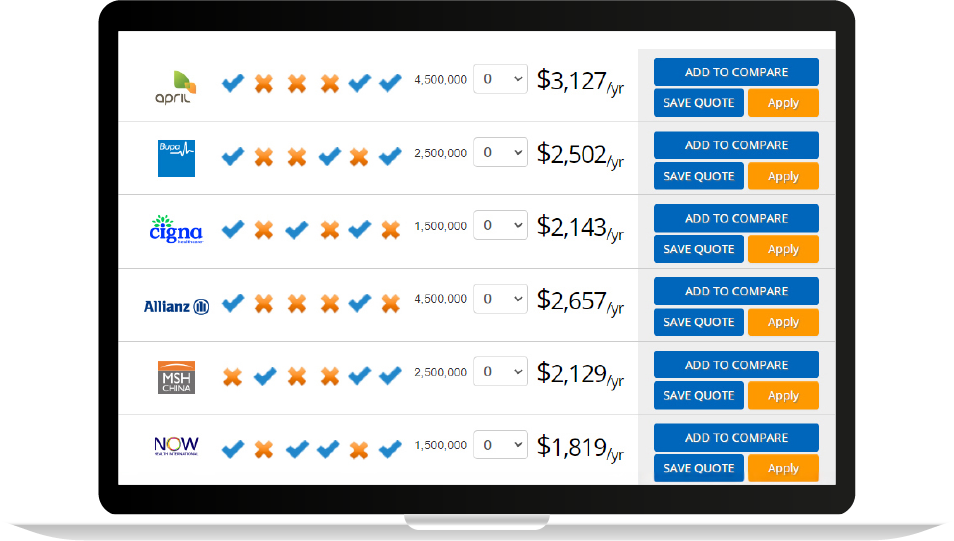
Discover the world’s top
health insurers.
Compare quotes with
a click of the button.
This Pacific Prime article will explore the key challenges you might face as an expat in Dubai and how to prepare for them. Understanding these obstacles before making the move abroad can help you make informed decisions and ensure a smoother transition into life in Dubai.
Adapting to Dubai’s Culture and Lifestyle
Expats living in Dubai will have to adjust to cultural expectations that may differ from their home countries. Dubai blends traditional Emirati customs with a modern, cosmopolitan lifestyle, but there are still rules and social norms that expats need to respect.
For example, alcohol in Dubai is tightly regulated. While expats can enjoy drinks at licensed hotels, bars, and restaurants, purchasing alcohol in stores requires a special license. For this reason, many expats stock up at duty-free shops upon arrival at the airport.
Religion plays a central role in everyday life, with Islam shaping many customs, holidays, and laws. During “Ramadan”, the ninth month of the Islamic calendar, expats must avoid eating, drinking, or smoking in public during daylight hours.
Modesty in dress (especially for women) is also encouraged, particularly in malls, government offices, and religious sites, where covering shoulders and knees is considered respectful. Public displays of affection are frowned upon, and swearing or offensive gestures can even lead to legal trouble.
For expats, understanding these rules isn’t just about following the law. It’s also a way to build stronger relationships with local colleagues and communities. Dubai is a melting pot of nationalities, and demonstrating respect for Emirati traditions will give you a more positive expat experience.
Tips for Cultural Integration & Avoiding Mistakes
To adapt smoothly, expats should be mindful of cultural sensitivities and seek opportunities to learn. Observe how locals behave in public, ask trusted colleagues about etiquette, and when in doubt, choose the more respectful option.
A few practical tips include dressing modestly, avoiding heated political or religious debates, and always asking before photographing people or private property. Building cultural awareness helps avoid common pitfalls while making life in Dubai more enjoyable and rewarding.
If you want to dive deeper into these and 9 key cultural pointers for expats in Dubai, read our full guide here.
Cost of Living Challenges for Expats in Dubai
Dubai consistently ranks in the top 13% of the most expensive cities in the world and is considered the most expensive city in the UAE. Housing is typically the largest expense, with rental prices for a one-bedroom apartment in central areas averaging AED 6,398 (USD $1,742) per month.
Schooling is another significant expense; international schools in Dubai charge tuition fees that can range from AED 12,723 (USD $3,436) to AED 64,093 (USD $17,305) annually per child, depending on the curriculum and the school’s reputation.
Transportation costs vary depending on whether you drive or use public transit. While the metro and buses are affordable, owning a car is naturally more costly, as it involves additional expenses like fuel, insurance, and parking fees.
To manage expenses effectively, expats can explore housing outside the city center, compare schools, use public transport where possible, and take advantage of tax-free salaries. These can also help make living comfortably in Dubai more achievable for both families and single expats.
Read more about the cost of living in Dubai for expats in our regularly updated article.
Work & Employment Challenges for Expats in Dubai
Dubai’s Labor laws dictate fixed-term contracts (up to three years), stringent rules on termination notice, and regulated working hours. Expats often sign employment contracts tied to their visas, meaning losing your job could also jeopardize your residency status unless you find a new sponsor quickly.
Moreover, long hours and high expectations are common in many sectors, making work-life balance a challenge. In fact, the UAE ranks among the highest globally for average working hours. Dubai’s fast-paced work culture often demands flexibility, weekend work, late nights, or short-notice shifts.
To learn more about how to find a position in Dubai’s competitive job market, what to expect during recruitment, and the nuances of employment contracts in Dubai, check out our in-depth guide on finding a job as an expat in Dubai.
Housing & Accommodation Challenges for Expats in Dubai
Finding a place to live in Dubai can quickly become a series of headaches for expats.
First, there are high rental prices and upfront costs: landlords often require annual rent in one check or several post-dated checks, plus security deposits (typically 5% for unfurnished and 10% for furnished homes), agency fees (~5%), Ejari registration, and municipality housing fees.
Choosing the right neighborhood also involves a trade-off. Areas like Downtown, Dubai Marina, Palm Jumeirah, JBR, and Business Bay offer luxury, convenience, and amenities but come with steep rents.
More budget-friendly options, such as Al Barsha, Dubai Silicon Oasis, Mirdif, or International City, may save costs but might mean longer commutes, fewer premium amenities, or suburban environments.
Short-term vs. long-term housing needs add another layer of complexity. Expats planning shorter stays often face limited lease options, higher per-month costs, and fewer furnished, flexible housing choices.
Meanwhile, long-term residents may benefit from leasing strategies, community discounts, and negotiating better terms, but they must commit financially and navigate renewal increases.
If you want a detailed breakdown of average rent by district, family size, and other moving costs in Dubai, read our full guides on the best places to live in Dubai and the average rent in Dubai.
Education for Expat Families in Dubai
Dubai offers many schooling options for expat children, but top international schools are limited in number and often oversubscribed. While there are nearly 200 private schools offering curricula such as British, American, IB, French, and Indian, getting into the best ones requires early planning.
Annual tuition fees vary widely depending on grade level, curriculum, facilities, and the school’s reputation. Expect fees from AED 12,723 to AED 64,093 per year (approx. USD $3,400–17,500). Besides tuition, additional costs such as uniforms, supplies, and transport can add up significantly.
That’s why it’s crucial to plan ahead. Applying early, budgeting not just for tuition but extra fees, and selecting a neighborhood based on school catchment can make the process smoother. Also, visit schools, check KHDA ratings, and compare curricula to match your child’s future education path.
For a full breakdown of the education system, school options, and detailed fee comparisons for expats, read our guide here: Guide to Education System in Dubai for Expat Families
Navigating Bureaucracy & Legal Processes in Dubai
For many expats, getting the legal side right is one of the trickiest parts of settling in Dubai. To obtain a residency visa, you’ll often need a valid job offer or employer sponsor.
The visa process requires several documents: passport, proof of health insurance, medical fitness tests, and sometimes marriage/birth certificates if you’re sponsoring family members. Renewal rules can vary depending on visa type and employment contract. Read more on visa procedures in our guide.
Another hurdle if you own a car is getting a driver’s license. If your home country is on the eligible list, you can convert your license through Dubai’s Roads & Transport Authority (RTA). If not, you may need to take driving lessons and pass the test. Check out our guide on eligibility and steps.
Finally, paperwork and governmental procedures in Dubai require patience. From medical screenings, visa stamping, Emirates ID applications, to health insurance verification, each step may involve different government departments, waiting times, and unexpected requests for additional documents.
Having all required paperwork well in advance, keeping copies, and checking updated official sources can save time and reduce stress.
Practical Tips for Overcoming Expat Challenges
Thriving as an expat in Dubai comes down to preparation and flexibility. Plan your finances carefully to manage housing, school, and healthcare costs, and make sure you secure comprehensive health insurance. Stay culturally aware, respect local customs, and embrace new experiences with an open mind.
Equally important is keeping up to date with visa rules, labor laws, and healthcare requirements. By staying informed, adaptable, and proactive, you’ll find it much easier to overcome challenges and make the most of life in Dubai.
Health Insurance Requirements for Expats in Dubai
Under the ISAHD initiative and Dubai’s Health Insurance Law No. 11 (2013), every resident in Dubai, including expats with work visas, must have health insurance. This ensures access to essential healthcare services and helps maintain high health standards across the city.
What Essential Benefits Plan Covers & Its Limitations
The law mandates an Essential Benefits Plan (EBP) that provides the minimum required coverage. It includes inpatient and non-emergency treatments, outpatient diagnostics, lab tests, radiology, medicine, and emergency care. Premiums for EBP range from AED 320 (USD $87) to AED 650 (USD $177) per year.
However, the EBP has gaps. It generally doesn’t cover overseas medical care, advanced dental or cosmetic procedures, extensive maternity beyond basics, or mental health care. Some expats find the annual benefit caps and co-payment requirements restrictive when more specialized treatment is needed.
Why Private Health Insurance Is Essential for Expats in Dubai
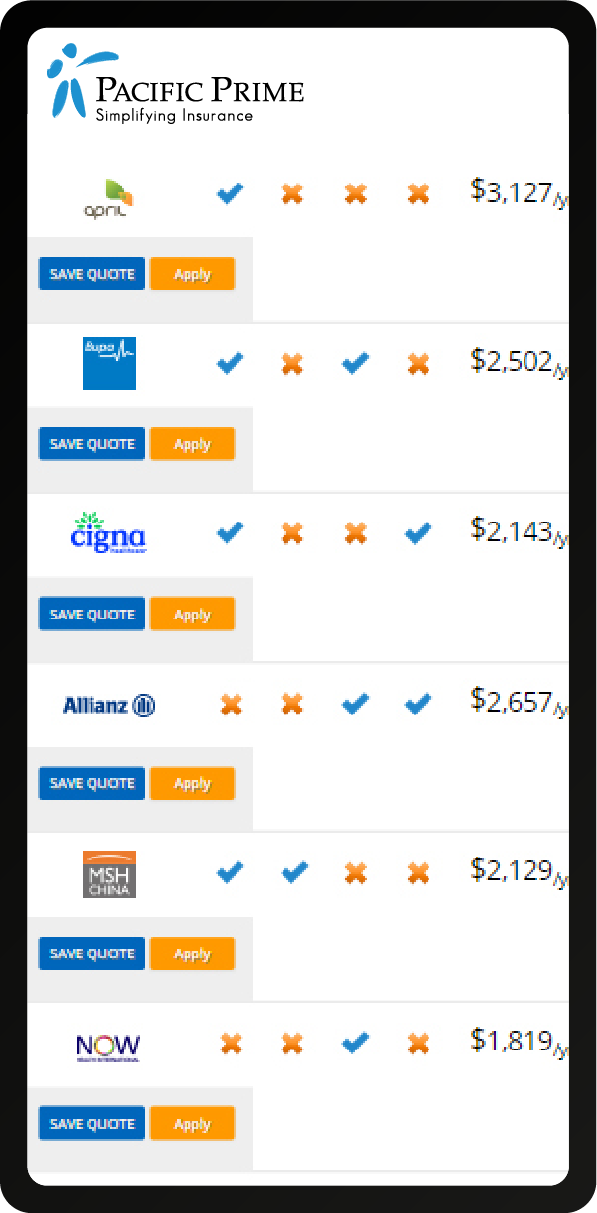
To fill the gaps left by the EBP, expats should consider private health insurance. These enhanced plans often include broader coverage for dental, maternity beyond minimal prenatal check-ups, mental health services, higher coverage limits, and access to medical care abroad.
At Pacific Prime, we specialize in helping expats secure the right health insurance plans. Our experts compare top providers, explain your options, and find coverage that suits your needs and budget. Whether you need individual or family plans, we can make the process simple and stress-free for you.
With the right preparation and support, you can enjoy all that Dubai has to offer without worrying about unexpected setbacks. Get in touch with our team today for a personalized quote from top insurers and let us help you find a plan that gives you and your family complete peace of mind.

With his keen interest in journalism, especially in the healthcare and wellness field, Tawan joins Pacific Prime with the goal of creating content that simplifies health insurance solutions, helping people make informed choices and choose the best options for their needs. Tawan firmly believes that words have power that can shape the world for the better.
In his free time, Tawan loves to pick up his Nintendo Switch and wield his Master Sword in Hyrule’s dungeons. He is also an avid sci-fi books/shows enjoyer. You can spot him hanging around bookstores and game shops all day long!
- Best Health Insurance for Solo Traveling in Thailand – October 22, 2025
- Top Health Insurance in Thailand for Irish Expats: Options and Benefits – October 18, 2025
- Daman Health Insurance for Expats in Dubai: Plans, Benefits, and Options – October 15, 2025


Comments