300x85-png.webp)


 Hong Kong
 Singapore
 China
China Dubai
Dubai Thailand
 United Kingdom
 Mexico
Denmark is known worldwide for its excellent living conditions, but maintaining such a lifestyle can be costly. That said, expenses vary by location. Main hubs like Copenhagen and Aarhus tend to be more expensive, while smaller towns and suburbs often offer a more affordable lifestyle.
Discover the world’s top
health insurers.
Compare quotes with
a click of the button.
In this Pacific Prime article, we’ll break down the average living costs in Denmark in detail, from housing, food, and groceries to transportation and education. We’ll also cover healthcare in Denmark and explain the importance of securing health insurance before traveling there.
Why Denmark Is so Expensive to Live In
The average cost of living in Denmark is considerably higher than in the rest of the world. As of 2025, Denmark is ranked 4th most expensive of all cost of living in Europe, and the expenses here, excluding rent, are 10.4% higher than those of the US.
According to Numbeo, a single person’s estimated monthly cost for living in Denmark, including rent, is around €2,140. For a family of four, it comes to approximately €5,855. However, as with many places, living costs may vary depending on the cities and areas you live in.
Ultimately, Denmark is undeniably one of the best countries for quality of life. It boasts safe, beautiful, and walkable cities, free education, an excellent healthcare system, and a strong work-life balance. While the cost of living is high, Denmark might just be the perfect place for you.
Average Salary in Denmark
In 2025, Denmark’s median monthly salary is around €5,320. In Copenhagen, the average is higher at about €6,300, reflecting the city’s higher living costs and economic activity.
Although Denmark has no legal minimum wage, the average Danish salary surpasses that of many other European countries. Considering living costs, Denmark is able to offer a livable wage with a fair amount of money left for savings for the majority of its citizens.
Denmark Currency
For expats and travelers, understanding currency exchange rates is crucial when evaluating the cost of living. The Danish Krone (DKK) is a strong and stable currency with a low fluctuation rate, as the Danish National Bank actively steps in to keep the fluctuations minimum.
The table below shows the value of the Danish Krone in comparison to other major currencies:
| 1,000 EUR | 7,461.30 DKK |
| 1,000 USD | 6,672.90 DKK |
| 1,000 GBP | 8,874.00 DKK |
| 1,000 AUD | 4,281.70 DKK |
*This price is based on the official exchange rate as of 19 May, 2025.
Best Cities to Live in Denmark
Copenhagen, Aarhus, and Aalborg are among the most popular cities for expats in Denmark due to their vibrant cultural scenes, strong job markets, high quality of life, and excellent public services.
- Copenhagen: Denmark’s capital and largest city, Copenhagen is the center of modern infrastructure and the economy as well as the culture of the country. The cost of living here is the highest in the country.
- Aarhus: Aarhus is the second largest and second most expensive city in the country while having its own unique blend of nature and urban scene. It is also home to Aarhus University and known to be friendlier than its bigger sister, Copenhagen.
- Aalborg: This walkable-sized city is said to be quieter than Copenhagen and Aarhus, making it ideal for those who prefer peace and a more affordable cost of living.
- Odense: Known as the fairy tale city, Odense hosts festivals year-round. Cycling culture is deeply rooted here, as the city is focused on enhancing the quality of life for its residents.
- Vejle: The city offers a blend of historical towns and is a hub for the technology sector. Vejle has plenty of job opportunities, but living costs are not considered cheap either.
Accommodation Cost in Denmark
Housing costs usually account for a large part of the overall living expenses. For Denmark, rent for a one-bedroom apartment inside the city center averages €1,045 per month, while one for a room further away from the center will cost around €805.
Location, size, and general conditions of a place will affect its pricing, whether you are looking to rent or buy. Your ideal home in Denmark, however, will be one that fits both your needs and budget.
Renting a Property in Denmark
While the rental market is highly competitive, renting a fully furnished apartment in Denmark is one of the most convenient ways to find accommodations for expats. Here are the price comparisons for the average monthly rents of apartments in three of Denmark’s major cities.
| Apartment Type | Copenhagen | Aarhus | Aalborg |
| One-bedroom
City Center |
€1,715 | €1,260 | €790 |
| Three-bedroom
City Center |
€3,000 | €1,835 | €1,500 |
| One-bedroom
Outside Center |
€1,225 | €865 | €600 |
| Three-bedroom
Outside Center |
€2,150 | €1,460 | €1,040 |
Buying a Property in Denmark
For those looking for a more permanent stay or an investment, buying could be the preferred option. Check out the table below to understand how much your apartment of desired size might cost in different Danish cities.
| Apartment Type | Copenhagen | Aarhus | Aalborg |
| City Center | €7,880/m² | €6,280/m² | €3,185/m² |
| Outside Center | €5,370/m² | €3,990/m² | €1,040/m² |
However, there is alleged discrimination against foreigners purchasing property in Denmark. Banks often offer foreigners less favorable terms and require a higher down payment (10%–15% or more) to reduce risks in case of a housing price crash.
In addition, foreigners who wish to purchase a property in Denmark must have a domicile in Denmark or have had residence in Denmark for at least five years. If either of these conditions is not met, permission to buy property from the Department of Civil Affairs is needed.
Utilities and Bills
When renting in Denmark, extra housing expenses like water and electricity are often not included, meaning that you pay for what you consume. On average, basic utilities bills, i.e., electricity, heating, cooling, water, and garbage disposal for an 85 m² apartment will fall at around €175 monthly.
To obtain a Danish phone number, you can either use a prepaid SIM card for short-term or sign a contract with a mobile network. For the long-term phone subscription, both a Danish CPR number and address are required, and the cost can range from €6 to €26 for plans with calls and 10GB+ data.
Internet is one of the few things in Denmark that is cheaper than in other countries. As with most places, the speed of the internet depends on how much you are willing to pay. Generally, in Denmark, paying at least €27 will provide you with a decent internet connection.
Food and Grocery Costs in Denmark
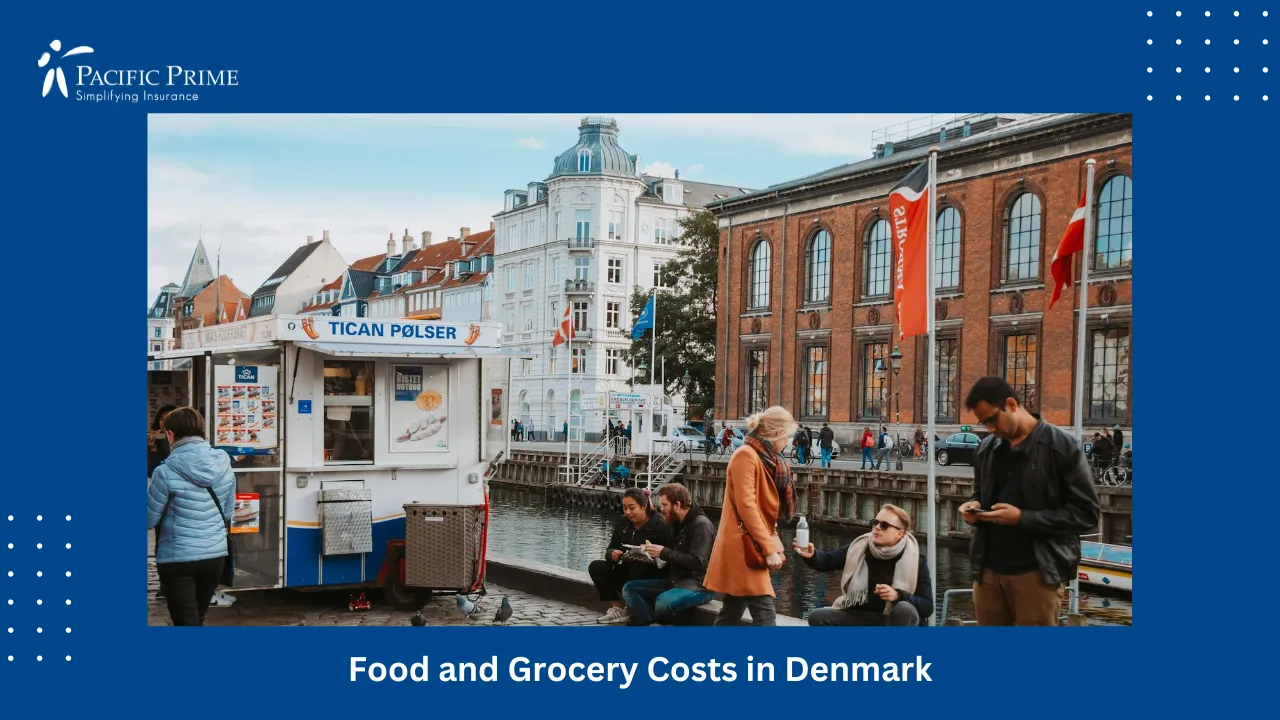
Grocery bills in Denmark can be higher than in other European countries. For a single person, one could expect to spend between €355 and €400 a month on groceries and receive a fairly healthy living. Here are the average prices for some common ingredients:
- Milk (1 liter): €1.91
- Eggs (regular, 12): €4.87
- Chicken Filets (1kg): €10.57
- Loaf of White Bread (500g): €3.78
- Local cheese (1kg): €13.22
- Apples (1kg): €2.89
- Banana (1kg): €3.18
- Tomato (1kg): €4.77
For groceries, sticking to discount stores like Rema 1000, Fakta, and Netto will provide you with the essentials at lower prices. Shopping tricks, such as buying in-season ingredients and buying in bulk, also help optimize your budget.
Dining out, however, is much pricier than cooking at home. A meal at an inexpensive restaurant will range from around €16 to €40, while a three-course meal from a mid-range restaurant could reach €100 or more for two people.
If you are into fast food, a single Big Mac in Denmark would cost €6, and €13 for a combo meal. In regard to the Big Mac Index, Denmark’s Big Mac is ranked as the 7th highest price in the world, following countries like Switzerland, Norway, the UK, and the US.
Transportation Costs in Denmark
Traveling around Denmark is convenient and rather effortless, with a transportation system that is well connected and simple to navigate.
Transportation in the City Center
Copenhagen’s public transport is highly efficient, offering many options, including metro, S-trains, buses, harbor buses, and regional trains. All modes share the same ticket system, with prices based on “fare zones,” making it convenient for both daily commuters and visitors to get around.
A 2-zone ticket covering Copenhagen city center and nearby areas costs €3.20. To travel between the city center and the airport, a 3-zone ticket costing about €4 is needed. For 2–3 trips a day, a day ticket (zones 1–4) priced between €10 and €40 is recommended.
As for long-term residents, Rejsekort, a prepaid card that allows you to travel at a lower fee, is up for purchase. The physical card itself will cost €10–€11, and the fees will be calculated and deducted when checking out at the end of the journey.
Moreover, the country embraces cycling as one of the most efficient modes of transportation. In cities like Copenhagen and Odense, people often travel on two wheels, as the Danish bike lanes are extensive and on the road, bikes are given priority over other vehicles.
Intercity Travel
It is highly recommended to travel from city to city in Denmark through the railway system. DSB is the largest train operating company in Denmark, overseeing regional trains, intercity trains, and EuroCity trains.
Tickets are easily reserved and purchased online, with prices depending on the route and class of the tickets. Standard tickets are flexible, with an option for a seat reservation for an extra fee, while first-class tickets include drinks, newspapers, better seats, and seat reservations.
See the table below for an overview of the costs of traveling between major cities in Denmark.
| Route | Standard ticket | First class |
| Copenhagen to Aarhus | €50 | €85 |
| Copenhagen to Aalborg | €58 | €95 |
| Copenhagen to Odense | €44 | €68 |
| Aarhus to Aalborg | €29 | €53 |
Note that cheaper options called ‘Orange Fri’ are available for those who buy well in advance and accept that the tickets will be non-changeable and non-refundable.
Education Costs in Denmark
The Danish government places much importance on education. For its citizens, compulsory education, mandating up to secondary education, is fully funded by the government in Folkeskole (public schools) since day care and kindergarten.
At age 16, children may choose from a wide range of programs that suit their interests. The most common are Gymnasium, which is academic-oriented, and vocational schools, which will train them for skilled jobs like mechanics and accounting. These programs can be attended free of charge.
Higher education in public colleges and universities is also free of charge for the Danes as well as EU/EEA/Swiss citizens. Meanwhile, tuition for private universities is not fully funded; however, financial support and loan programs are available.
Moreover, SU, which offers income support to help with expenses, is available to full-time university students in Denmark. Those living with their parents may be granted between €142–€394 per month, depending on their parents’ income, and those living by themselves can receive up to €914 monthly.
For non-EU international students, tuition in universities may range from €6000 to €16,000 a year. This range varies depending on the subject of studies: a bachelor’s degree in business averages around €10,000/year and more specific studies like biotechnology could cost €12,000 to €20,000 per year.
Entertainment and Leisure Costs in Denmark
There are plenty of entertainment and leisure activities for expats and travellers to enjoy in Denmark. Known for their excellent work-life balance, Danes embrace the concept of hygge—a way to find contentment by relaxing and disconnecting from work.
Even with high living costs, it doesn’t require much to have a good time in this country. Here are the estimated prices for some common entertainment and leisure activities:
- Gym membership: ~ €38/month
- Movie ticket: ~ €17/person
- Museums: from €15/person or FREE on certain days of the week
- Dinner at a mid-range restaurant: ~ €50/person
You can experience hygge by strolling through Strøget Street and stopping at a local pastry shop for under €10. Or enjoy a free visit to the King’s Garden, Copenhagen’s oldest Royal Garden, with your loved ones and cycle through Fælledparken to connect with nature.
For a deeper cultural experience, Parkmuseerne offers a great deal on a bundle ticket for €46, granting a one-time visit to seven museums around Copenhagen, including the Hirschsprung Collection, Rosenborg Castle, and Natural History Museum Denmark.
Overall, Denmark is home to many beautiful cities that prioritize people’s well-being—make the most of what they offer!
Healthcare Expenses in Denmark
Denmark’s free universal healthcare, funded through general taxation, is known to be highly satisfactory. Statistics show that, in 2024, the central and local governments supported more than 80% of all healthcare expenditures, leaving only around 13% that were paid out of pocket by individuals.
With one of the world’s best universal healthcare systems, all general medical treatments, hospital stays, specialist visits (with a referral), and emergency care are free of charge for all Danish citizens. Moreover, there are no co-payments for doctor visits, surgeries, or hospital stays.
However, public insurance does not cover certain treatments—i.e., outpatient medications, dental services after reaching 18 years old, fertility treatments, psychology treatments, chiropractic treatments, and optician services. Still, partial subsidies may be available for some of these treatments.
See the following table to learn how outpatient medications can be subsidized.
| Annual Medication Costs (€) | Government Reimbursement |
| €0–€140 | 0% |
| €141–€345 | 50% |
| €346–€840 | 75% |
| Over €840 | 85% |
Dental Care Fees
Unfortunately, the Danish public health insurance does not cover dental services for those over the age of 18. Instead, the government provides 40% subsidies, which will be deducted right away from your dental bills.
The following table will display the estimated prices after government subsidy for common dental services in Denmark.
| Dental Services | Fees |
| Routine Check-up & Cleaning | €17 |
| Fillings (Plastic) | €45–€200 |
| Root Canal Treatment | €330 |
| Teeth Whitening* | €495 |
| Crowns (Porcelain or Metal) | €830 |
| Wisdom Teeth Extraction | €30 |
| Bridges (Per Tooth) | €830 |
*Teeth whitening is not eligible for subsidy by the government.
Tips: For further information and price comparisons between dental providers near you, visit the Sundhed official website.
Private Health Insurance for the Danes
While Denmark’s public health insurance already provides extensive coverage, there are still some treatments that are not included. Consequently, some people opt for supplementary insurance to lessen wait time for the services and gain access to additional treatment options.
This voluntary health insurance helps cover the costs that are not included in the public system, such as dental care, physiotherapy, and glasses. Depending on their needs, individuals are able to choose from different groups with varying coverage levels, costing around €7 to €23 per month.
Health Insurance for Expats in Denmark
Everyone legally living in Denmark—regardless of nationalities—is entitled to publicly funded healthcare. Therefore, to access free healthcare in Denmark, expats must obtain a CPR number, which is issued upon receiving a residence permit.
CPR number will automatically register you with the public health insurance system and upon successful registration, you will receive a yellow health insurance card (Sundhedskort) to display when contacting medical services.
However, for those traveling or staying in Denmark for less than three months, it is highly advisable to secure short-term or international health insurance coverage. This ensures you have access to necessary medical care, as you won’t qualify for public healthcare without a CPR number.
Further Reading: Top 9 Health Insurance Providers for Expats in Denmark


Budgeting Strategies for Living in Denmark
Living in Denmark offers a high quality of life but comes with a higher cost. Fortunately, there are simple, practical ways—from smart grocery shopping to embracing Danish biking culture —to manage the budget without missing out.
Firstly, cooking your own meals is one of the best ways to save money, as it is much cheaper than dining out. Cooking can be relaxing and fun, and doing your own grocery shopping will help control the overall cost, especially if you do it at discount stores like Netto or Fakta.
In the evening, as stores mark down items before closing, there are always great discounts on fresh bread, fruits, and vegetables.
Another strategy is visiting the Danish secondhand shops and flea markets, which are very popular among locals. At stores like Boerneloppen and Blå Kors, you will be able to find affordable clothes, furniture, and household items while supporting sustainable shopping.
Last but not least, learning how to bike will save you a lot of transportation costs. To put it simply, it is the cheapest way to get around town while keeping you active at the same time.
But since Denmark is one of the world’s priciest countries, it may be worth considering other European nations, like Belgium or the Czech Republic, which are cheaper and have their own unique appeal.
Let Pacific Prime Help You Get the Right Insurance
While Denmark’s cost of living is undeniably high, it’s backed by strong public services and a famously high quality of life. Whether you’re moving for work, study, or a new adventure, careful budgeting and local know-how can make Denmark an exciting and rewarding place to call home.
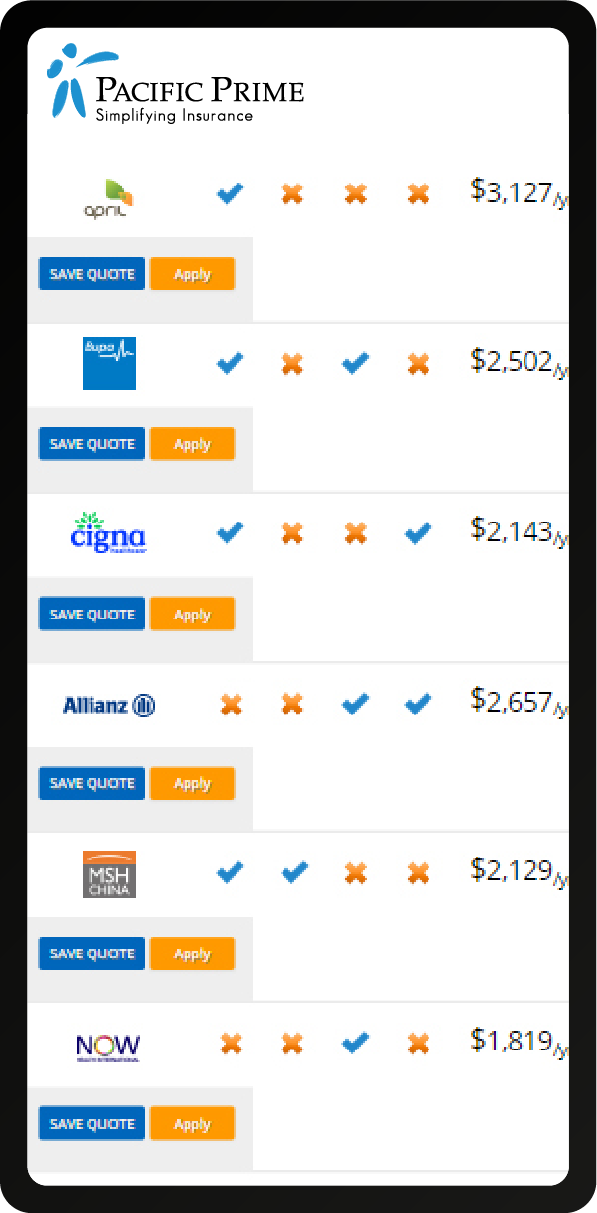
Nonetheless, for expats and travelers alike to navigate an entirely unfamiliar healthcare system, it is highly recommended to secure international health insurance or short-term insurance, which will provide you peace of mind upon arrival in Denmark, when things aren’t yet settled.
Do you still find it difficult to make the right decisions for your move? At Pacific Prime, we have over 20 years of experience in helping clients select the ideal insurance plans that will thoroughly balance their budget and needs.
Contact us today for FREE quote comparisons.
Frequently Asked Questions
Can a foreigner live in Denmark?
Nordic citizens are free to enter, live, study, and work in Denmark. EU/EEA/Swiss citizens may also start working upon arrival but should apply for an EU residence document to receive a CPR number. Non-EU/EEA/Swiss citizens must apply for a residence permit to stay in Denmark for over 90 days.
What is the cheapest city in Denmark to live in?
Kolding is the cheapest city in Denmark to live in, with the average monthly expenses for a single person at €1160, close to the world’s average cost of living. It is a port city in the southern part of Denmark and is home to many industrial and tech companies, including LEGO Group.
What salary do you need to live comfortably in Denmark?
The median salary in Copenhagen for a single person after taxes is €6,300, which will have provided a comfortable living, as the salary generally matches the living costs. To be in the top half of the country, you need a salary of €3,250 or an annual income of €39,000.
Can I get a job in Denmark if I only speak English?
Generally, you will be able to find a job in Denmark speaking only English. However, your qualifications will only apply to specific roles and sectors. For instance, you may work service and entry-level jobs, such as at cafes and restaurants, as long as you are good at English.
- Thailand Digital Nomad Visa 2025: How to Apply – October 20, 2025
- Top Health Insurance in Thailand for Spanish Expats: Options and Benefits – October 20, 2025
- Arab Orient Insurance and GIG Health Insurance for Expats in Dubai – October 15, 2025

Comments