300x85-png.webp)


 Hong Kong
 Singapore
 China
China Dubai
Dubai Thailand
 United Kingdom
 Mexico
The cost of living in Hong Kong can vary greatly depending on your lifestyle and location. Central areas, such as Central, Mid-Levels, and Wan Chai, come with premium price tags, while districts like Tsuen Wan or Sha Tin offer more affordable options without sacrificing convenience.
Discover the world’s top
health insurers.
Compare quotes with
a click of the button.
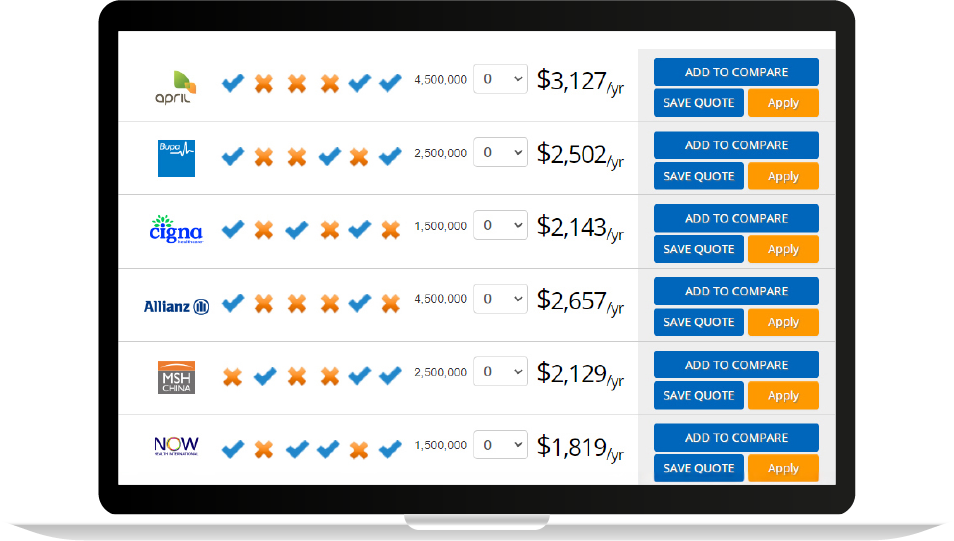
In this Pacific Prime guide, we’ll explore the cost of living in Hong Kong, breaking down essential expenses like housing, food, transportation, and healthcare. We’ll underscore the importance of securing international health insurance to help you stay protected and stress-free while living in Asia.
Research Methodology

The cost estimates in this article are based on recent data from publicly available sources such as Numbeo, Expatistan, and Wise. These platforms use user-submitted data to provide average prices for housing, utilities, transport, and food, offering a clear view of living costs in Hong Kong.
Housing Costs in Hong Kong
Housing in Hong Kong is notoriously expensive, with average monthly rent for a one-bedroom apartment ranging from HKD 15,000–25,000 (USD 1,900–3,200), depending on the area and building. Prices are highest in central districts like Central, Wan Chai, and Mid-Levels.
Finding suitable accommodation can be challenging due to limited space and high demand. Many expats opt for smaller units or move slightly outside the city center—like in Kowloon or the New Territories—for more affordable options and better value.
Renting a Home in Hong Kong
Rent in Hong Kong is significantly higher than in many Asian cities. A one-bedroom apartment in the city center averages HKD 20,000–25,000 (USD 2,550–3,200) per month. In more suburban areas like Tai Wai or Tseung Kwan O, prices drop to HKD 12,000–16,000 (USD 1,530–2,050).
Shared flats are a popular option for students and young professionals. A room in a shared apartment typically costs between HKD 5,000 and 9,000 (USD 640–1,150), depending on location, size, and amenities.
Buying Property in Hong Kong
Buying property in Hong Kong is expensive, with prices among the highest globally. As of early 2025, the average price per square meter in central areas exceeds HKD 200,000 (USD 25,500), while in outer districts it averages HKD 120,000 (USD 15,300) per sqm.
Foreigners can legally purchase property in Hong Kong with no major restrictions, but should account for additional fees like stamp duties and legal costs, typically adding 15–30% to the total price depending on residency status.
Additional Housing Costs in Hong Kong
For a 400–700 sq ft apartment in Hong Kong, electricity, water, and gas bills typically range from HKD 1,200 to HKD 2,500 (USD 155–320), depending on usage, season, and air conditioning.
The Internet is widely accessible across the city. Monthly plans usually cost between HKD 200 and HKD 400 (USD 25–50), depending on the provider and connection speed. Some landlords include Wi-Fi in the rent, but this varies, so it’s best to confirm before signing a lease.
Food and Grocery Costs in Hong Kong
Hong Kong offers a diverse culinary landscape, catering to various budgets—from affordable local markets to upscale supermarkets and restaurants. This section outlines typical grocery expenses, dining out costs, and tips for enjoying quality meals without overspending.
Grocery Shopping in Hong Kong
Grocery expenses in Hong Kong can vary based on shopping preferences. Local wet markets provide fresh produce and meats at competitive prices, while supermarkets like ParknShop, Wellcome, and CitySuper offer a broader selection, including imported goods at higher costs.
A single person typically spends around HKD 2,000–HKD 3,500 (USD 255–445) per month on groceries. Families may budget between HKD 4,000–HKD 5,000 (USD 510–640) monthly, especially when purchasing imported or premium items.
Dining Out in Hong Kong
Dining out is a common and accessible option in Hong Kong. Meals at local diners or “cha chaan tengs” usually cost between HKD 50–HKD 100 (USD 6–13) per person. A three-course meal at a mid-range restaurant typically ranges from HKD 200–400 (USD 26–51) per person.
International cuisines are widely available, including Chinese, Japanese, Thai, Italian, and more. A cup of coffee generally costs HKD 30–HKD 50 (USD 4–6), and pastries or snacks range from HKD 20–HKD 30 (USD 2.50–3.80).
Transportation Costs: Getting Around Hong Kong
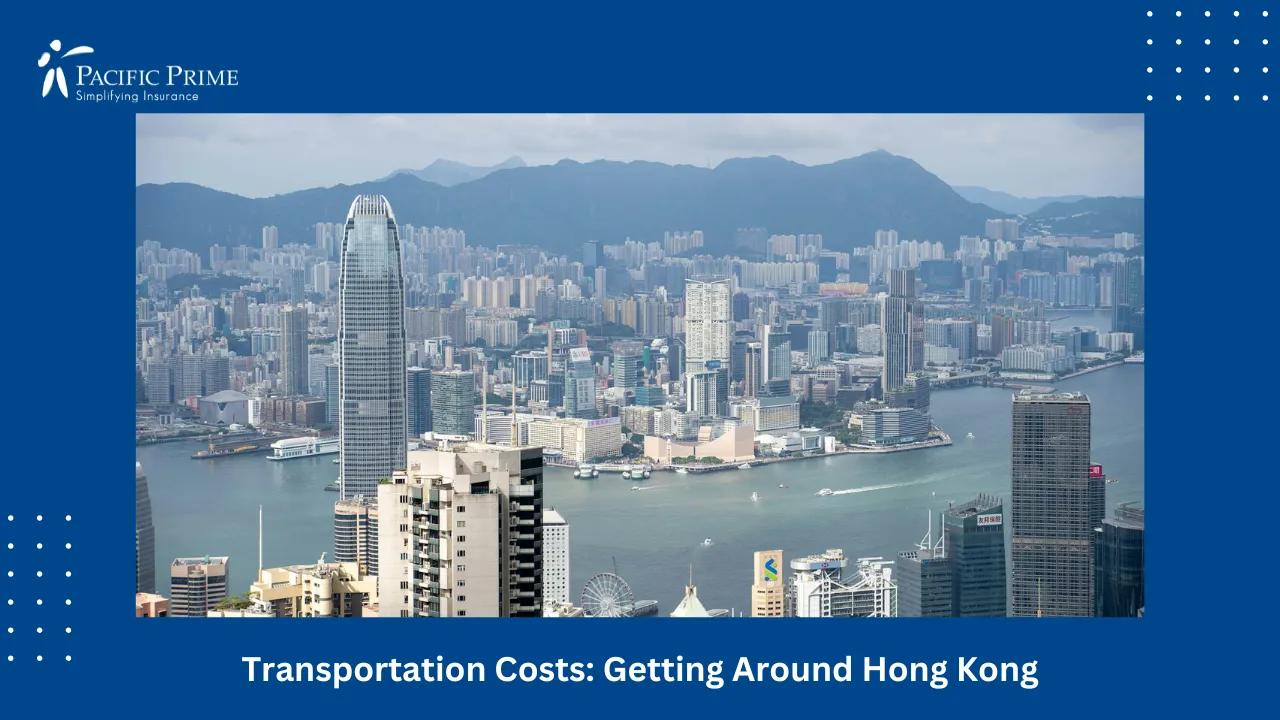
Hong Kong boasts an extensive and efficient public transportation system, including the MTR (Mass Transit Railway), buses, trams, ferries, and minibuses. The Octopus card—a rechargeable contactless smart card—is widely used across all modes of transport, offering convenience and fare discounts.
Public Transportation in Hong Kong
Getting around Hong Kong is convenient and efficient thanks to its comprehensive public transportation network. From the fast MTR trains to iconic trams and ferries, there are many options to suit different budgets and travel needs.
- MTR: Fares range from HKD 5 to HKD 20 (USD 0.64–2.55) per ride, depending on distance. Monthly passes, such as the MTR Monthly Pass Extra, offer unlimited rides between designated stations for HKD 505–655 (USD 64.60–83.80) per month.
- Buses and Minibuses: Bus fares vary between HKD 4.50 and HKD 47 (USD 0.57–6.00), based on distance and route. Green minibuses have fixed routes and fares, while red minibuses operate on flexible routes with variable pricing.
- Trams: Hong Kong Island’s iconic double-decker trams charge a flat fare of HKD 3 (USD 0.38) per ride.
- Ferries: The Star Ferry connects Hong Kong Island and Kowloon, with fares ranging from HKD 2.70 to HKD 3.70 (USD 0.35–0.47), depending on the route and time of day.
Monthly public transport expenses typically range from HKD 500 to HKD 1,200 (USD 64–153), depending on commuting patterns and distances traveled.
The Cost of Owning a Car in Hong Kong
Some residents opt for private vehicles, but car ownership in Hong Kong involves significant costs:
- First Registration Tax: A one-time tax ranging from 40% to over 100% of the vehicle’s value, depending on engine size.
- Annual License Fee: Between HKD 3,929 and 15,976 (USD 503–2,047), based on engine capacity.
- Insurance: Third-party insurance starts at approximately HKD 2,500 (USD 320) annually, while comprehensive coverage can range from HKD 5,000 to HKD 20,000 (USD 640–2,560), depending on the vehicle and driver profile
- Fuel: Petrol prices average around HKD 16 per liter (USD 2.04).
- Maintenance and Parking: Annual maintenance costs can range from HKD 4,000 to HKD 8,000 (USD 510–1,020). Monthly parking fees vary widely, from HKD 2,000 to over HKD 5,000 (USD 255–640), depending on location.
Given these expenses, many residents find public transportation to be a more economical and convenient choice.
Intercity Travel from Hong Kong
Traveling to nearby cities in Mainland China is facilitated by various modes:
- High-Speed Rail: The Guangzhou–Shenzhen–Hong Kong Express Rail Link connects Hong Kong to Guangzhou in approximately 48 minutes. Second-class tickets cost around HKD 215 (USD 27.50) one-way.
- Intercity Buses: Direct buses to cities like Foshan cost about HKD 250 (USD 32) and take around 4 hours.
- Ferries: Services from Hong Kong International Airport’s Skypier to destinations like Guangzhou are available, with fares around HKD 300 (USD 38) and travel times of 70–100 minutes.
Healthcare Expenses in Hong Kong: What to Expect
Hong Kong offers a dual healthcare system comprising public and private services. Public healthcare is highly subsidized, providing affordable options for residents with a valid Hong Kong ID. Public facilities often experience long wait times.
Private healthcare provides quicker access and a higher standard of comfort, but comes at a significantly higher cost. Many expats opt for private health insurance to ensure comprehensive coverage and timely medical attention.
General Doctor Consultation Costs in Hong Kong
In the public sector, a standard outpatient consultation costs around HKD 50 (approximately USD 6.40) for eligible residents. In the private sector, general practitioner fees typically range from HK$250 to HKD 1,000 (USD 32–128), depending on the clinic and location.
Reputable private hospitals offering general practitioner services include Gleneagles Hospital, Hong Kong Sanatorium & Hospital, and Matilda International Hospital. These facilities provide high-quality care with English-speaking staff, catering to the needs of the expatriate community.
Specialist Consultation Costs in Hong Kong
Specialist consultation fees in private hospitals vary widely. For instance, initial consultations can range from HKD 800 to HKD 1,200 (USD 103–154), while follow-up visits may cost between HKD 600 and HKD 1,000 (USD 77–$128).
Leading private hospitals such as Gleneagles Hospital, Hong Kong Sanatorium & Hospital, and CUHK Medical Centre offer a wide range of specialist services. These institutions are known for their advanced medical technology and experienced specialists across various fields.
Common Diagnostic Test Costs in Hong Kong
Diagnostic test costs in Hong Kong vary by facility and complexity. For example, an MRI scan can range from HKD 6,420 to 10,200 (USD 820–1,300), depending on the body part and whether contrast is used. X-ray examinations typically cost between HKD 200 and 350 (USD 26–45).
Hospitals like Hong Kong Baptist Hospital, Union Hospital, and St. Paul’s Hospital are well-equipped with modern diagnostic imaging facilities. They offer a range of services, including MRI, CT scans, and X-rays, ensuring accurate and timely diagnoses.
Inpatient Hospital Stay Costs in Hong Kong
In private hospitals, room charges per night vary based on room type and amenities. For example, a private room may cost between HKD 3,600 and 4,800 (USD 460–615), while semi-private rooms range from HKD 1,500 to 2,500 (USD 192–320).
Public hospitals offer more affordable rates, with standard ward charges around HKD 120 per day (USD 15). Reputable private hospitals such as Canossa Hospital, CUHK Medical Centre, and Hong Kong Adventist Hospital provide comfortable accommodations with varying room options to suit different budgets.
Surgical Procedure Costs in Hong Kong
Surgical costs in Hong Kong’s private sector can be substantial. For instance, cataract surgery typically ranges from HKD 15,000 to 24,000 (USD 1,920–3,070), depending on the technique and lens used.
More complex procedures, such as orthopedic surgeries, can cost significantly more, often exceeding HKD 00,000 (USD 12,800). Hospitals like Union Hospital, Hong Kong Sanatorium & Hospital, and CUHK Medical Centre are known for their surgical excellence and state-of-the-art facilities.
Medication Costs in Hong Kong
Prescription medication prices in Hong Kong vary. In public hospitals and clinics, patients pay a nominal fee of HKD 15 (USD 1.90) for a standard prescription, covering a 16-week supply.
In private pharmacies, costs are higher and depend on the medication’s brand and type. Over-the-counter drugs like paracetamol or antihistamines typically range from HKD 20 to 100 (USD 2.50–13). Pharmacies such as Watsons and Mannings are widely available and offer a broad selection of medications.
Given the high costs associated with private healthcare, many expats in Hong Kong opt for comprehensive health insurance plans. These plans often cover a significant portion of medical expenses, including consultations, diagnostics, hospital stays, surgeries, and medications.
Education Costs in Hong Kong: From Preschool to University

While public education is free for residents, non-residents often opt for private or international schools due to language and curriculum preferences. Hong Kong provides a diverse educational landscape, encompassing public, private, and international institutions.
Tuition fees vary significantly, with international schools charging premium rates. This section outlines the costs associated with early childhood education through to university, offering insights for families considering education in Hong Kong.
Early Childhood Education and Daycare Costs in Hong Kong
Early childhood education in Hong Kong includes kindergartens and child care centers, with fees varying based on the institution’s nature. Private full-day preschools typically charge around HKD 7,800 per month (approximately USD 1,000).
Notable institutions offering early childhood programs include Hong Kong International School and Yew Chung International School. These schools provide structured curricula with English-speaking staff, catering to the needs of expatriate families seeking quality early education.
Public School Costs in Hong Kong
Public education is free for residents at the primary and junior secondary levels. Non-resident children are usually ineligible and must consider private options. Most public schools use Chinese as the teaching language, with limited English support for expat families.
Public schools are affordable but often unsuitable for expats due to the language barrier and curriculum. Many non-residents choose international schools offering English instruction and programs aligned with home-country standards for easier academic transitions.
Private and International School Costs in Hong Kong
Private and international schools offer IB, British, and American curricula. Tuition ranges from HKD 80,000–200,000/year (USD 10,200–25,500), with top international schools charging over HKD 250,000/year (USD 32,000+), depending on the level and curriculum offered.
Top schools include Hong Kong International School, Harrow Hong Kong, and Chinese International School. They offer strong academics, expat-friendly support, and extracurriculars. Small class sizes and international accreditation make them highly sought after.
Higher Education Costs in Hong Kong
Universities in Hong Kong attract global students with English-taught programs. Undergraduate tuition for non-locals ranges from HKD 90,000 to HKD 265,000/year (USD 11,500–34,000), depending on the degree. Postgraduate programs often cost more for specialized fields.
Top institutions include HKU, CUHK, and HKUST, known for business, science, and research. They offer modern facilities, strong global rankings, and scholarship options. Their diverse student bodies and partnerships make them ideal for international education.
Utilities and Bills in Hong Kong: Managing Monthly Expenses
Utility costs in Hong Kong are generally moderate but depend on apartment size, location, and usage habits. For a 40–60 sqm. Apartment, expect to pay HKD 1,200–HKD 2,500/month (USD 150–320) for electricity, water, and gas combined.
Internet plans start at around HKD 200/month (USD 25), while mobile bills vary based on the plan. Usage of air conditioning in summer and heating in winter can significantly affect your monthly electricity bill.
Rent and Cooling Costs in Hong Kong
Cooling and heating needs play a major role in electricity expenses. It’s important for expats to factor in seasonal usage when budgeting monthly bills.
- Electricity bills can range from HKD 800–HKD 1,800/month (USD 100–230), especially if you use air conditioning or heating often.
- Rent in central districts like Central, Mid-Levels, or Wan Chai starts at HKD 15,000/month (USD 1,900) for a one-bedroom flat, often excluding utilities.
- Most landlords don’t include utilities in rent. Tenants usually set up their own accounts with providers like CLP Power or HK Electric, depending on location—CLP mainly serves Kowloon and the New Territories, while HK Electric covers most of Hong Kong Island.
Electricity and Water Costs in Hong Kong
Electricity and water usage costs vary depending on apartment size, number of occupants, and lifestyle. Here’s what to expect for typical utility bills.
- Electricity costs around HKD 1.2–1.5/kWh (USD 0.15–0.19), depending on provider and usage tier.
- Water bills are relatively low, typically HKD 50–HKD 150/month (USD 6–20) for a small household.
- Bills may increase in summer due to AC or in winter due to heating. Apartments with shared meters may charge water fees via monthly management fees.
Gas, Internet, and Mobile Plan Costs in Hong Kong
Additional monthly costs include gas for cooking, broadband internet, and mobile service. These expenses vary depending on service providers and usage levels.
- Gas (TownGas) is used for cooking and heating water in many buildings. Expect bills of HKD 100–HKD 300/month (USD 13–40), depending on use.
- Internet plans with providers like HKBN, PCCW, or Smartone start at HKD 200/month (USD 25) for 100–500 Mbps fiber-optic service.
- Mobile phone plans range from HKD 100–HKD 300/month (USD 13–38). Unlimited data plans and international calling add to costs. Prepaid SIMs are widely available and popular with short-term expats.

Entertainment and Leisure Costs in Hong Kong
Movie tickets cost HKD 90–120 (USD 11–15), while gym memberships range from HKD 500–1,500/month (USD 64–190), depending on the gym’s location, amenities, and contract terms.
Free art exhibitions, seasonal light shows, and open-air concerts are regularly held in areas like West Kowloon or Tsim Sha Tsui. Public parks, hiking trails, and beaches also provide low-cost recreation, making it easy to stay active and entertained.
Cultural Activities and Museums in Hong Kong
Hong Kong’s museums combine heritage, art, and science under one cityscape. Admission to top venues like the Hong Kong Museum of History and M+ ranges from HKD 10–120 (USD 1.30–15), while some offer free entry on Wednesdays or monthly open days.
Cultural shows are staged at the Hong Kong Cultural Centre or Sha Tin Town Hall. Tickets for local theater, orchestras, and dance performances range from HKD 100–600 (USD 13–77). Some independent galleries also host free performances or artist talks.
Dining Out and Socializing in Hong Kong
Dining options in Hong Kong cater to all budgets. A local cha chaan teng (Hong Kong-style diner) costs HKD 50–80 (USD 6.40–10) per meal. At mid-range restaurants, expect to pay HKD 120–300 (USD 15–38) per person, depending on the cuisine.
Upscale dining at hotels or fine-dining spots runs from HKD 500–1,500 (USD 64–190). Areas like Soho and Wan Chai are popular for after-work drinks and social gatherings. Many bars offer weekday happy hour deals on drinks and snacks.
Nightlife and Entertainment in Hong Kong
Hong Kong’s nightlife spans rooftop bars, nightclubs, and live music venues. Entry to clubs may be free or up to HKD 300 (USD 38), often including a complimentary drink. Live DJ sets, themed parties, and salsa nights are common on weekends.
A local beer costs around HKD 50–80 (USD 6.40–10), while cocktails range from HKD 80–150 (USD 10–19). Lan Kwai Fong, Tsim Sha Tsui, Wan Chai, and Central are nightlife hubs. Karaoke lounges and comedy bars offer affordable entertainment under HKD 200 (USD 26).
Budgeting Strategies for Living in Hong Kong
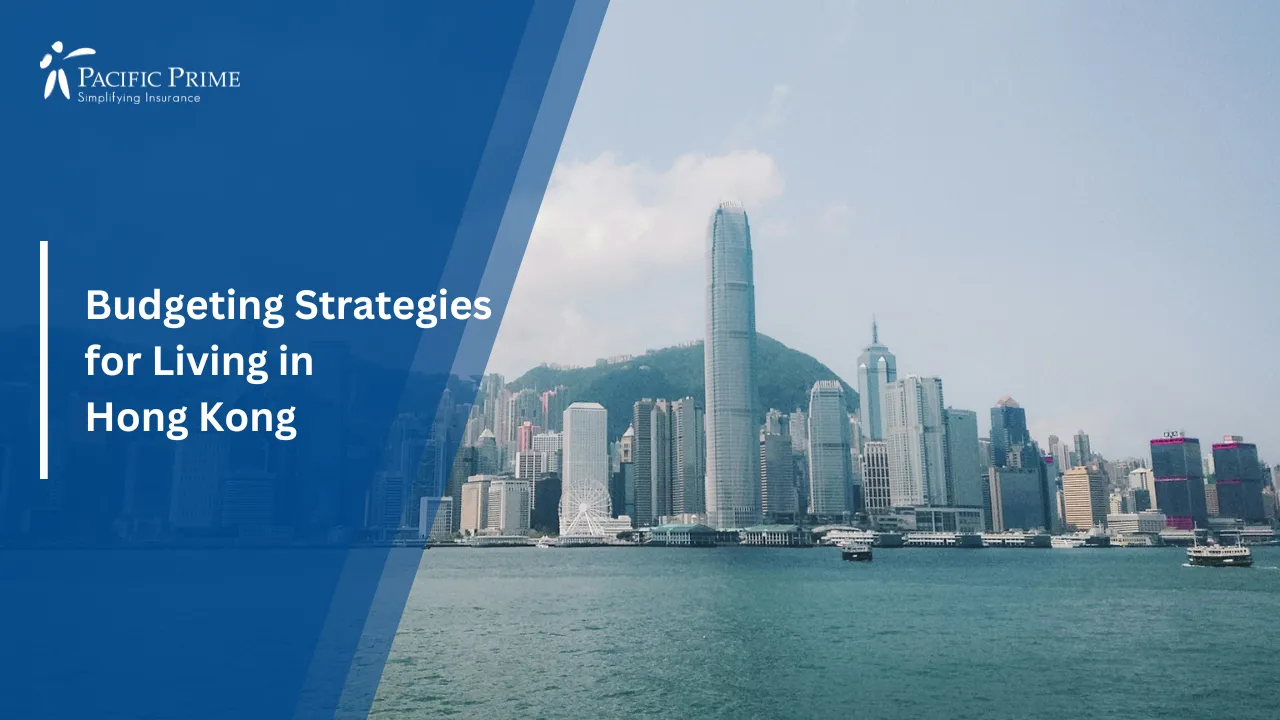
By tracking your spending, reducing daily expenses, and making smart lifestyle choices, you can manage your finances well and enjoy city life without breaking the bank.
In this section, we’ll explore budgeting tips tailored for expats in Hong Kong. From cutting transport costs to cooking at home, these strategies can help stretch your income, avoid debt, and make the most of your time in one of Asia’s most dynamic cities.
Tracking Your Expenses
Monitor spending with free apps like Wally, Pocket Expense, or Spendee. Logging daily purchases reveals where your money goes and helps cut unnecessary costs. This is crucial in a high-cost city like Hong Kong, where minor expenses can quickly add up.
Create a monthly budget by listing fixed costs like rent and transport, then set spending limits for food and entertainment. Review your budget regularly to track progress and adjust as needed. A structured plan helps grow savings and avoid overspending.
Living Outside Central Areas
Living in areas like Tai Po, Tuen Mun, or Tseung Kwan O can save thousands in rent. A one-bedroom apartment outside Central may cost HKD 8,000–12,000 (USD 1,020–1,530), compared to HKD 18,000+ (USD 2,300+) in Central. Lower costs make these areas attractive for budget-conscious expats.
Beyond cheaper rent, groceries and dining are also more affordable in non-central districts. With easy MTR access and quieter surroundings, suburban living in Hong Kong offers value without sacrificing convenience or lifestyle quality.
Saving on Transportation
Public transport in Hong Kong is reliable and affordable. Use the Octopus card to save on MTR, buses, ferries, and trams. A daily MTR commute typically costs HKD 20–40 (USD 2.60–5.10), and monthly expenses can be minimized by planning travel during off-peak hours.
To save more:
- Walk short distances
- Use trams (flat fare HKD 3/USD 0.40)
- Take minibuses where available
- Avoid taxis unless necessary, as fares start at HKD 27 (USD 3.50) and rise quickly with distance, time, and tolls.
Shopping Smart and Cooking at Home
Fresh produce at local wet markets is usually cheaper than at supermarkets. Buy in-season fruits, local seafood, and bulk dry goods to save. Compare prices between ParknShop, Wellcome, and AEON for discounts and loyalty rewards.
Dining out in Hong Kong is pricey. Cooking at home can save you hundreds monthly. A homemade meal may cost HKD 30–50 (USD 3.80–6.40) per person, while eating out often starts at HKD 80+ (USD 10+). Meal prepping and avoiding delivery fees help stretch your food budget further.
Reducing Utility and Energy Bills
Electricity in Hong Kong is costly. Limit air-con use to nights or hot afternoons, and rely on fans when possible. Turn off lights, unplug unused devices, and switch to energy-efficient bulbs to lower monthly bills.
Other tips to save include:
- Doing laundry with cold water
- Drying clothes naturally
- Keeping showers short
These habits can help reduce utility bills by HKD 200–500 (USD 25–65) per month, depending on your household size and usage.
Frequently Asked Questions
How much salary do you need to live comfortably in Hong Kong?
A monthly salary of HKD 20,000–30,000 (USD 2,550–3,830) can support a comfortable lifestyle in Hong Kong. While HKD 50,000 (USD 6,380) is considered a high income, it’s well above the city’s average salary of HKD 20,000 (USD 2,550), offering greater financial flexibility.
Where do most foreigners live in Hong Kong?
Expats in Hong Kong often choose to live in three main areas: the southern part of Hong Kong Island (including Stanley and Pok Fu Lam), the Peak, and the New Territories areas of Sai Kung and Clear Water Bay.
Can you live in Hong Kong with just English?
You can live in Hong Kong without speaking Cantonese, though it won’t help everywhere. In districts like Central, Wan Chai, and Tsim Sha Tsui, English is commonly spoken and understood.
Does Hong Kong allow dual citizenship?
Hong Kong doesn’t recognize dual nationality. If you’re both a British and Chinese national, local authorities may still regard you as a Chinese citizen, even if you enter using a full British passport or hold a British National (Overseas) passport.
Do you tip in Hong Kong?
Tipping isn’t a strong part of Hong Kong’s culture, particularly in restaurants. Most bills already include a service charge, so extra tips aren’t expected and may even seem out of place. However, tipping is appreciated in cases of outstanding service or special assistance.
Conclusion
Living in Hong Kong comes with a wide range of expenses—from housing and utilities to transportation, healthcare, education, and leisure. These costs can vary based on your visa type, family situation, and whether you plan to travel during your stay in Asia.
There’s no universal budget strategy, as every expat’s situation is unique. With over 25 years of experience in international health insurance, Pacific Prime helps individuals and families in Hong Kong find coverage tailored to their lifestyle, needs, and budget.
One thing’s certain: health insurance is a must for expats living in Hong Kong. Whether you’re new to the city or reviewing your options, we’re here to help you secure the right plan for peace of mind and quality care.
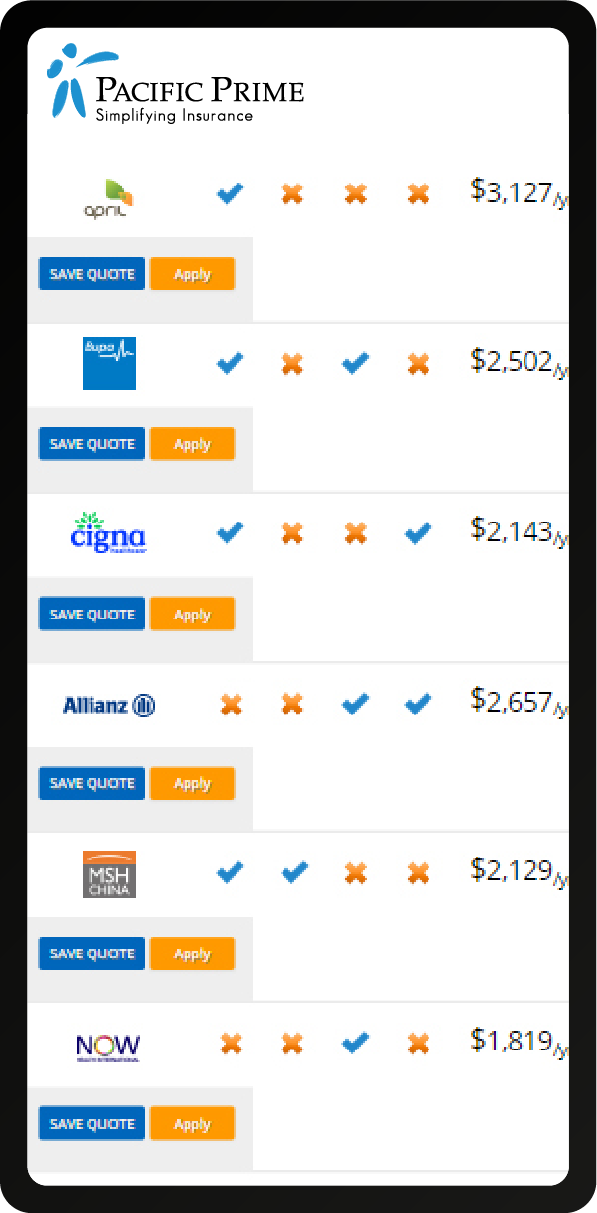
Contact us today, or use our free quote tool to compare plans in just a few clicks!
Looking at other Asian destinations for your expat journey? Read more on the cost of living in South Korea and Taiwan!

After obtaining his Bachelor’s Degree in Social Sciences, International Relations from Mahidol University International College, Veerabhatr has forged his career as a content writer in the travel, lifestyle, and real estate industries, writing in both English and Thai. He now continues to hone his skills as a writer at Pacific Prime, looking to engage and educate the audience by simplifying insurance.
Writer by day, and a DJ by night, Veerabhatr is a staunch music lover, and listens to all spectrums of genres available. He also loves to drink beer (moderately), eat all types of food, go to the beach, and learn about different cultures across the globe. He is also a die-hard fan of football and motorsports.
- How Much Salary Do You Need to Live Comfortably in Thailand? – October 22, 2025
- Guide on Moving to Thailand from Canada as An Expat – October 20, 2025
- Top Health Insurance in Thailand for Russian Expats: Options and Benefits – October 16, 2025

Comments