300x85-png.webp)


 Hong Kong
 Singapore
 China
China Dubai
Dubai Thailand
 United Kingdom
 Mexico
Moving abroad can lead to isolation, stress, and anxiety, especially without a support system. Expat depression and burnout are common due to job pressures, cultural adjustment, and being far from loved ones. These mental health issues often go unaddressed, making the transition even harder.
Discover the world’s top
health insurers.
Compare quotes with
a click of the button.
As an insurance brokerage specializing in international health insurance, Pacific Prime helps expats understand the risks of moving to a new country. Knowing how the local healthcare system works and being aware of potential challenges can make a significant difference for you and your loved ones.
In this article, Pacific Prime explores the stigma surrounding expat mental health and shares three ways to improve mental well-being while living overseas.
The Stigma of Mental Health as an Expat Abroad
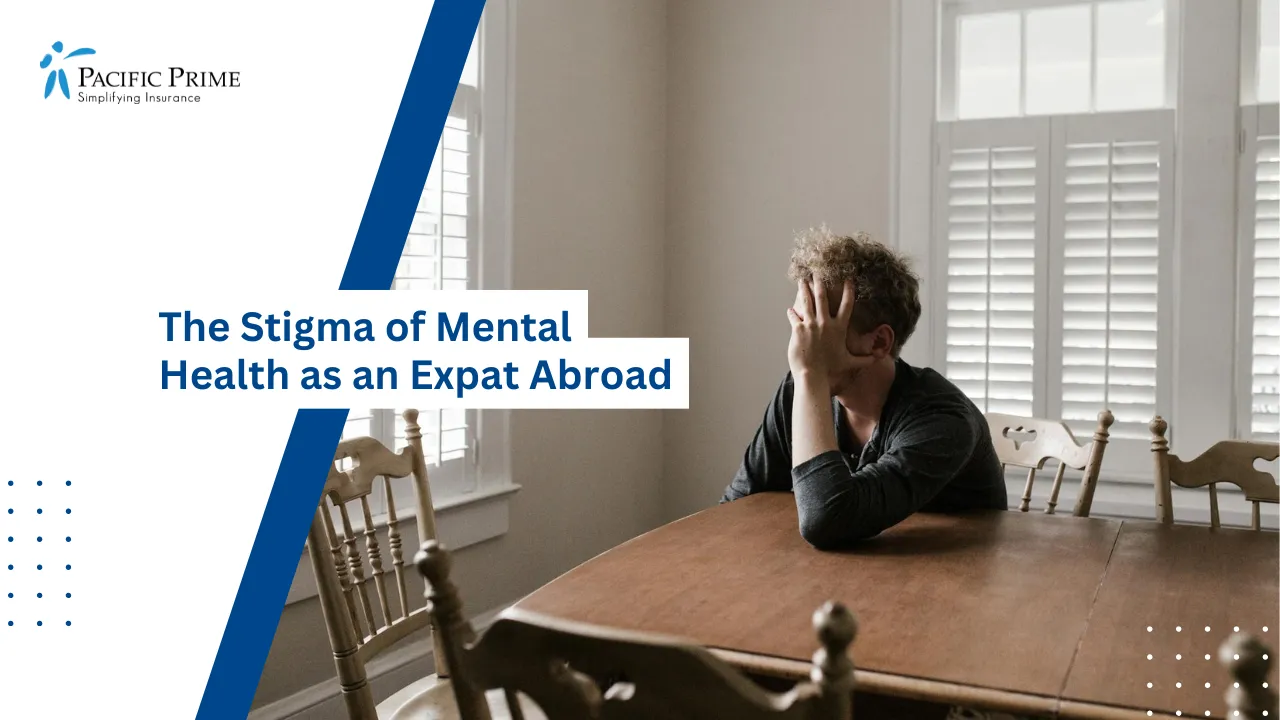
Expats may face a stigma of mental health that makes them feel as if they are strange or crazy while abroad. These harmful stereotypes discourage open conversations and prevent people from seeking help. Without support, mental health issues can worsen, affecting overall well-being.
Over time, constant exposure to stigma can make individuals feel ashamed. This fear of judgment often silences them, preventing access to proper care. Without help, their condition may worsen. Tackling stigma through education and awareness can create a more supportive environment for those in need.
Keeping it Under Wraps
They may even be afraid to share with their most trusted friends and family. And the problems may get worse without proper help and attention. However, mental illness should be treated as something normal, just as would be the case with any physical illness.
A Global Approach to Reducing Mental Health Stigma
Over the past few years, increased awareness worldwide has put mental health stigma at the top of society’s agenda. By challenging mental health stigma and dealing with the delusion caused by stigma, we can better understand and help treat affected people.
Expat Mental Health from an Insurer’s Perspective
In June 2021, William Russell revealed how expats might be feeling isolated, especially those living and working abroad without loved ones and surrounded by a good support group.
The COVID-19 pandemic made 2021 especially challenging for expats worldwide. While the future is uncertain, countries are reopening borders and easing restrictions. With these changes, conditions are gradually improving, offering expats hope for a more stable and supportive environment abroad.
Mental Health Concerns for Expats
Anxiety and expat depression are common among those adjusting to life abroad. Burnout from work stress can make things worse. These conditions range from mild to severe, with extreme cases impacting physical health.
Seeking help and prioritizing mental well-being is crucial for expats facing these struggles.
What is Expat Depression?
According to Allianz Care, expat depression is a period of feeling despondent and is commonly experienced by people who move overseas to complete an assignment for their company. But it can also apply to foreign nationals who move abroad to other countries to travel or retire.
Moving abroad as an expat is nothing new, as people have been moving around for several millennia. However, in modern times, an increasing number of stress factors shape the lives of expats, such as:
- Taking care of one’s health.
- Working abroad under stressful conditions while yielding results.
- Being without loved ones and caring for vulnerable family members back home.
- Competing against others at work or in the market, and so forth.
All of these can vary in their level of impact, but collectively, they can leave any expat feeling depressed. This is why expats should prioritize their mental health by getting help from their employer/insurer.
Understanding Anxiety in Expats While Abroad
According to the international health insurance provider Cigna, anxiety/stress is defined as feeling worried or nervous. Although these feelings are considered a normal part of everyday life, stress levels tend to exacerbate the condition.
For example, mild to moderate anxiety levels can help you focus your attention, energy, and motivation. But if anxiety is severe, as in you are constantly worried for long periods.
You may have feelings of complete helplessness and confusion. Inevitably, it can translate into burnout and ruin lives, careers, and relations.
Fortunately, expats working abroad often have access to mental health support through their employee benefits plans. These resources can provide essential care, helping individuals manage stress and mental health challenges while adjusting to life in a new country.
If mental health coverage isn’t included, companies can offer additional benefits to support their employees’ well-being. Employers who prioritize mental health create a healthier work environment. If unsure, expats should check with their employer to understand the available support options.
Further Reading:
Four Ways to Improve Your Mental Health
If you know that depression and anxiety are taking hold, then it’s time to try these solutions to prevent your mental health from deteriorating even further:
1. Reach Out to Your Loved Ones or Employer and Tell Them How You Are Feeling
Take charge of your mental health and share your concerns, and don’t hold back on your feelings and emotions. It’s best to let out how you feel so that others whom you trust can understand your problems.
2. Stay Active to Boost Your Mental Well-being
It’s always a challenge sometimes to lift even a finger, but with your mental health at stake, it’s now or never. Regular exercise can help you concentrate, take your mind off things, sleep better, and boost self-confidence.
Get motivated by joining an online class or asking a friend to support or advise you along the way. Have fun while you are at it, too!
3. Keep in Touch with Friends and Trusted People
True friends never leave one another, which means you should be in regular contact with your trusted peers or people who can show empathy and understanding. Whether in person, on the phone, or online, your friends can help you remain grounded, supported, and mindful during difficult times.
4. Seek Professional Help When Needed
Seeking help through a counselor, therapist, or other mental health professional is a science-backed and efficient way to address your mental health issues. Take the time to see if professional mental health support is included with your international health insurance plan.
Need some more guidance? See this article for more ways to improve your mental health: World Mental Health Day: 3 essential ways to boost your mental health.
The Role of Employers in Supporting Expat Mental Health
While managing mental health is ultimately the responsibility of the individual, employers play a critical role in supporting expat employees’ well-being. Expatriates face unique stressors, and companies that invest in their employees’ mental health see significant benefits in return.
Providing Mental Health Resources
Employers can offer mental health resources tailored for expats, such as access to international Employee Assistance Programs (EAPs) and counseling services. Many expats are far from home and their support systems, so offering services in their native language can make a huge difference.
Creating a Culture of Mental Health Awareness
Fostering a culture of mental health awareness helps reduce stigma and makes employees feel comfortable discussing their struggles. Employers can promote openness by holding workshops or training sessions on mental health, allowing staff to seek help without fear of judgment.
Flexibility and Work-Life Balance
Employers can support mental health by offering flexible work hours or remote work options. This allows employees to manage stress, attend therapy sessions, and spend time with family and friends, essential factors for maintaining mental health and avoiding burnout.
Regular Check-Ins and Mental Health Days
Regular check-ins with expat employees can make a big difference in how they cope with life abroad. Supervisors or HR can assess the well-being of employees through monthly or quarterly reviews. Additionally, offering mental health days helps employees recharge and reduce stress.
Get Health Insurance with Pacific Prime
For over 20 years, Pacific Prime has supported expats worldwide with their health insurance inquiries. We have noticed over the years an increasing number of expats turning to health insurers for mental health coverage.
A good, comprehensive plan with coverage included will help cover unforeseen mental health costs. Expats, nowadays, will also be more mindful of the choices they make surrounding their health insurance plans, as life abroad can present many uncertainties.
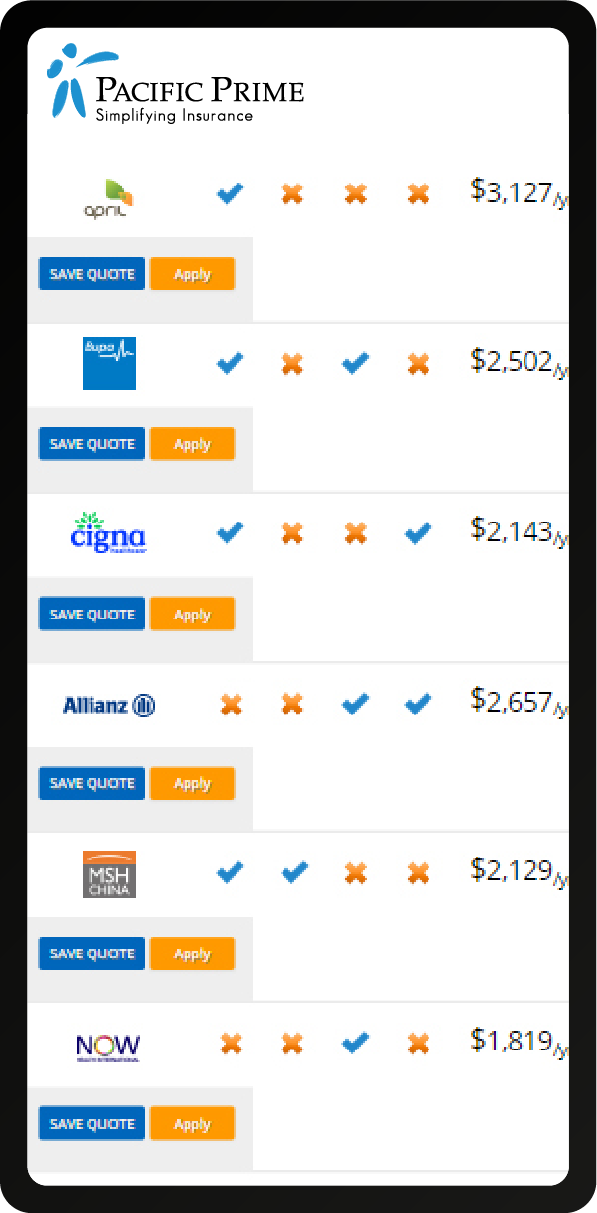
Fortunately, you can be confident of our excellent service and support from dedicated advisors and claims teams worldwide. To secure expat health insurance and receive unbiased, clear-cut advice from our experts, you can contact us for a free quote and plan comparison.

After obtaining his Bachelor’s Degree in Social Sciences, International Relations from Mahidol University International College, Veerabhatr has forged his career as a content writer in the travel, lifestyle, and real estate industries, writing in both English and Thai. He now continues to hone his skills as a writer at Pacific Prime, looking to engage and educate the audience by simplifying insurance.
Writer by day, and a DJ by night, Veerabhatr is a staunch music lover, and listens to all spectrums of genres available. He also loves to drink beer (moderately), eat all types of food, go to the beach, and learn about different cultures across the globe. He is also a die-hard fan of football and motorsports.
- How Much Salary Do You Need to Live Comfortably in Thailand? – October 22, 2025
- Guide on Moving to Thailand from Canada as An Expat – October 20, 2025
- Top Health Insurance in Thailand for Russian Expats: Options and Benefits – October 16, 2025



Comments