300x85-png.webp)


 Hong Kong
 Singapore
 China
China Dubai
Dubai Thailand
 United Kingdom
 Mexico
Expats in China can access healthcare services through public or private hospitals and clinics. They can pay for these healthcare services through various means, such as out-of-pocket, private health insurance, or Chinese public health insurance if they qualify.
Discover the world’s top
health insurers.
Compare quotes with
a click of the button.
Are you an expat moving to or living in China, wondering how you can access your local healthcare facilities? If you’re unsure of how expats in the country can get the medical services they need, this article from Pacific Prime can help!
We will discuss how expats can access healthcare services in China and the different challenges they may face. We will also share an overview of the Chinese healthcare system and cultural considerations in the country’s healthcare.
Keep reading to learn more!
Accessing Healthcare Services as an Expat in China

Expats can access healthcare services in China through hospitals or clinics in the private or public sector. To see a general practitioner, expats can go to a hospital for care, and they can pay with their private health insurance policy or out-of-pocket.
Public hospitals in China are divided into three tiers: tier three offers the most basic level of care, while tier one includes the most modern, specialized, and quality care. Most private hospitals are tier one or tier two.
If you want to access the highest-quality care the Chinese healthcare system offers, you should seek out a tier-one hospital.
An Overview of the Chinese Healthcare System for Expats
The healthcare system in China comprises a public and private sector, with most of the population covered by public health insurance. The central government provides the national health legislation, and local governments are responsible for providing their residents with healthcare services.
Expats with permanent residency or expats employed by Chinese employers may qualify for public health insurance, but it also depends on their region of residence.
Local governments are responsible for providing healthcare to their residents, and some rural towns may not provide public health insurance to foreign residents. As a result, most expats in China choose to purchase private health insurance policies for their healthcare coverage.
Comparing Public and Private Healthcare in China
Public and private healthcare facilities in China can differ in quality, length of wait time, and multilingual staff options. Most private healthcare facilities are considered to be in the higher tiers for quality of care, with some public facilities lacking in quality of care.
- Public Healthcare in China: The public sector is widespread and generally less expensive than private healthcare but can have much longer waiting times. The public sector can also have tier-three hospitals with low standards of care.
- Private Healthcare in China: The private sector is more accessible to expats in China as they generally have more English-speaking doctors and high standards of care. Private healthcare can be expensive, especially without the financial support of a private health insurance plan.
In addition to the different tiers of hospitals, healthcare in China also has the unique feature of VIP wards. These wards are typically housed in public hospitals and offer a more expensive and higher quality standard of medical care. They also generally have multilingual staff.

International Hospitals in China for Expats
Expats can find international hospitals across China that will offer them care that feels more like what they would have received at home. International hospital staff and providers are trained in medical care that is mindful of different cultures. They can also speak a variety of languages.
Here are a couple of international hospitals that can be found across China with their corresponding cities:
How to Visit the Doctor in China
Expats can find doctors in their area by either researching online for nearby providers, asking other expats in their area, or asking their insurance providers for doctors in their network.
After you’ve selected a provider you’d like to visit, you can call their phone number or visit the hospital or clinic online to register for an appointment. Once you are registered, you simply need to show up at your designated time to be seen.
To see other kinds of doctors, such as a specialist like a dentist, you can find them through similar ways of finding a doctor. Your insurance provider can always point you in the direction of a dentist or other specialist in your network who could speak your language.
Accessing Maternity Care in China as an Expat
Expats looking for maternity care in China can do so through public or private healthcare facilities. Prenatal care is generally given at an OBGYN office, and expecting expats will receive regular checkups to ensure their body and the baby’s is healthy.
Pregnant expats will be able to choose to give birth at public or private hospitals. The cost of giving birth will vary depending on the hospital you’re in and what kind of delivery you have. Private health insurance can help cover the cost of your birth and any newborn care you receive.
How to Access Medical Care in an Emergency in China
Expats in China facing a medical emergency should call the emergency hotline (120) or go directly to the nearest emergency department in the closest hospital. Another helpful tip is to bring someone with you who can assist with translation if you are not fluent in Mandarin.
If you call the emergency hotline, an ambulance can come to you to transport you to the closest emergency ward. If you aren’t in an area with close access to proper emergency medical care, you may be transported to another hospital. This is where medical evacuation coverage can help.
It’s important to note that public health insurance in China does not cover ambulance rides or other emergency medical transportation. Having a private health insurance policy that can cover medical evacuation can prevent you from having to pay a high bill out-of-pocket.
Challenges Expats May Face While Accessing Healthcare
Some challenges that expats may face abroad while trying to seek out healthcare services include language barriers between their healthcare providers and cultural differences in care. We will discuss these challenges more below.
Language Barriers
Expats living in China who choose to use public healthcare facilities are more likely to run into communication issues with their healthcare providers. The average public healthcare provider will not speak English, especially in more rural areas of China.
VIP wards in public hospitals, international hospitals, and tier-one hospitals in bigger cities with dense expat populations are more likely to have multilingual staff.
Cultural Differences
Some cultural differences expats may experience while receiving medical care in China include the prevalence of traditional Chinese medicine (TCM) and differences in attitudes between patients and doctors.
Traditional Chinese medicine has been practiced and developed over thousands of years in the country, and many clinics and hospitals integrate this holistic approach into their treatments. TCM is used throughout the country, but in larger cities, you are likely to find more Westernized healthcare.
Some examples of traditional Chinese medicine practices are:
- Acupuncture
- Herbal supplements
- Massage
- Tai Chi
A cultural difference that expats may notice as well is the way patients may defer to doctors and hold them in high respect and esteem. Some Chinese patients may avoid disagreeing with their doctor in an attempt to “save face” or as a way of showing respect.
Because of these differences, it may not be as common in China to ask for a second medical opinion. Be that as it may, you should always ask for a second opinion if you feel you need more answers. Your international insurance provider’s member support can help you find another doctor for a second opinion as well.
Tips for More Accessible Healthcare In China
Some tips expats in China can use to help them access healthcare more easily include finding multilingual healthcare providers, purchasing a comprehensive private health insurance policy, and obtaining emergency medical evacuation coverage.
- Find Multilingual Healthcare Providers: By taking the time to find out if any hospitals or clinics have multilingual doctors who can speak your language before you go, you will improve your chances of having a less stressful and more productive appointment.
- Obtain Emergency Medical Evacuation Coverage: Medical evacuation insurance coverage will cover the costs of a helicopter or car ride if you end up needing emergency transport to a hospital that isn’t local. This coverage is especially helpful for rural areas of China.
- Purchase a Comprehensive Private Health Insurance Policy: Getting a private health insurance policy that offers comprehensive coverage and benefits can help you navigate the Chinese healthcare system more easily. Some providers offer 24/7 member support lines that can further guide you.
Private Health Insurance Helps Expats Access Healthcare in China
Private health insurance policies can aid expats in accessing healthcare in China by helping cover the costs of their medical bills and granting them access to private hospitals and clinics.
Private hospitals and clinics are more likely to have shorter wait times and multilingual doctors.
Private health insurance policies can be purchased through local providers or international providers. The benefits of having an international private health insurance plan are that you will be able to take it with you across the globe and have access to a wide network of providers.
Local private health insurance companies in China can only grant coverage while you are within the country’s borders. This can be a disadvantage to those who travel out of the country frequently for work.
International Health Insurance Provider for Expats in China
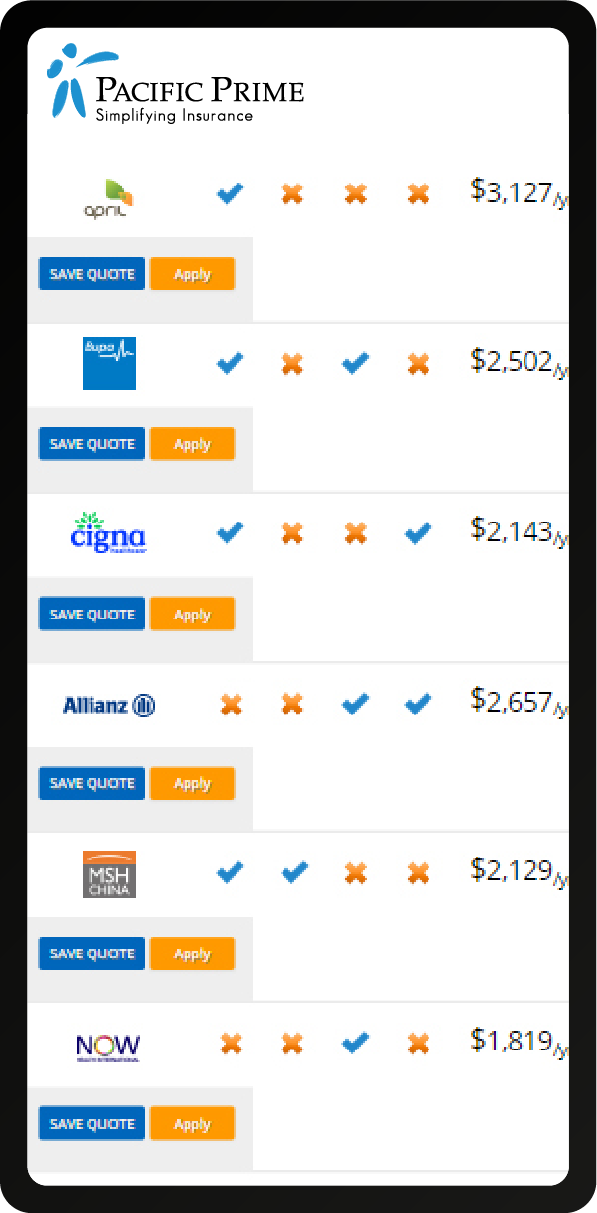
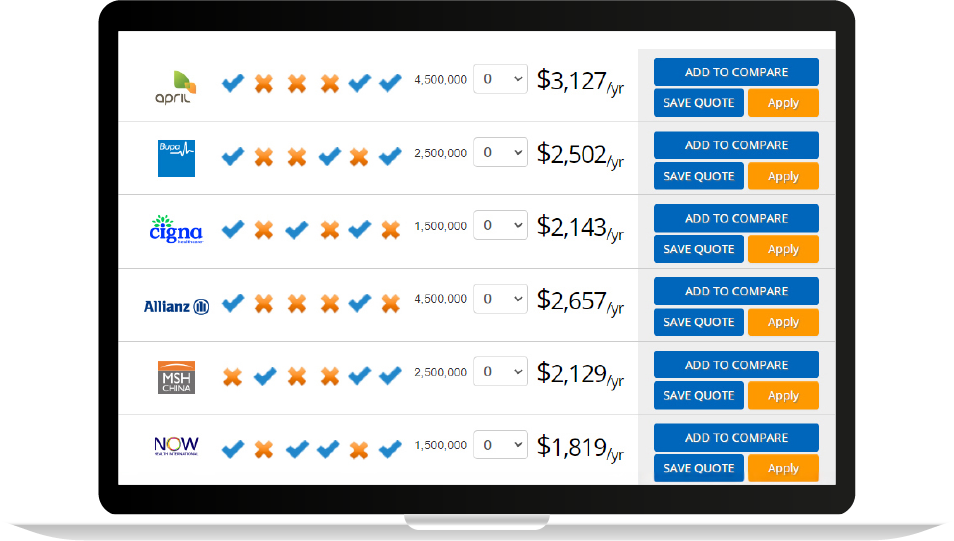
Some popular international health insurance providers that offer coverage in China for expats include Cigna, April International, GeoBlue, and more. These providers are leading providers in the international health insurance market and can offer you comprehensive coverage for your time abroad.
Some other providers that cover expats in China include:
If you’re interested in securing an international health insurance policy from any of these providers for your time in China, you can ask an insurance broker for assistance in finding the right plan for you and your needs.
Frequently Asked Questions:
Is there easily accessible healthcare in China?
Healthcare is easily accessible in China to expats and Chinese citizens through its hospitals and clinics. There are both private and public healthcare facilities available. Like most countries, healthcare access may be more readily available in cities than in rural areas.
Does China have high-quality healthcare facilities?
China offers high-quality healthcare facilities in both the public and private sectors. This is especially true in large cities like Beijing and Shanghai. In more rural and less-populated areas, the available public healthcare clinics may not be up to some expat standards.
What challenges may expats experience when looking for healthcare services in China?
Some challenges expats may experience when looking for healthcare in China include finding a doctor who speaks the same language as them, cultural differences in medical care, and finding a provider in their specific insurance provider’s network.
Is traditional Chinese medicine available to expats in China?
Expats in China can access TCM treatments through their healthcare providers in both the public and private sectors. Expats may benefit from a variety of TCM treatments such as massage, acupuncture, or herbal supplements. Expats can ask their doctors for more information.
Conclusion
Expats seeking healthcare in China can access it through public or private hospitals or clinics. Expats looking to save themselves from paying their medical bills entirely out-of-pocket can purchase a private international health insurance policy to help cover their medical costs.
If you’d like to learn more about private health insurance policies, reach out to the insurance experts at Pacific Prime. We can help you understand what different policies can cover and which will help you feel the most protected while living abroad.
We promise free and unbiased advice to our clients, with 20 years of experience in providing insurance solutions to clients from around the world. To begin comparing quotes from various insurance providers on your own, check out our free quote tool on our website.
Enjoyed this article? Check out our other blog articles on topics like April International Expat Health Insurance Options in China and Expat Health Insurance Regulations in China!

Serena earned her Bachelor’s Degree in Psychology from the University of British Columbia, Canada. As such, she is an avid advocate of mental health and is fascinated by all things psychology (especially if it’s cognitive psychology!).
Her previous work experience includes teaching toddlers to read, writing for a travel/wellness online magazine, and then a business news blog. These combined experiences give her the skills and insights she needs to explain complex ideas in a succinct way. Being the daughter of an immigrant and a traveler herself, she is passionate about educating expats and digital nomads on travel and international health insurance.
- How to Compare Travel Insurance Plans the Smart Way – October 21, 2025
- Best Hospitals in the UAE: Top Picks in Dubai and Abu Dhabi – October 21, 2025
- How Much is a Doctor Visit in Dubai Without Insurance? – October 21, 2025



Comments