300x85-png.webp)


 Hong Kong
 Singapore
 China
China Dubai
Dubai Thailand
 United Kingdom
 Mexico
Regular exercise and physical movement can prevent and improve various diseases for expats by increasing their metabolism, strengthening their heart, improving their blood pressure, reducing inflammation, releasing a feel-good hormone, reducing breathlessness, and much more.
Discover the world’s top
health insurers.
Compare quotes with
a click of the button.
We’re constantly being reminded that physical activity is important for our overall health and wellbeing, whether through our doctors, trainers, or loved ones. This is true even for expats when living abroad. And while we do know that it has its benefits, many of us aren’t aware of what those benefits are.
Many people only consider how exercise changes their appearance and not how it provides mental, emotional, and physiological benefits as well.
In this Pacific Prime article, we explore how regular physical activity can help prevent disease, improve symptoms of current illness, and we’ll introduce what forms of exercises expats can try while abroad to improve their overall health.

The Connection Between Exercise and Disease Prevention
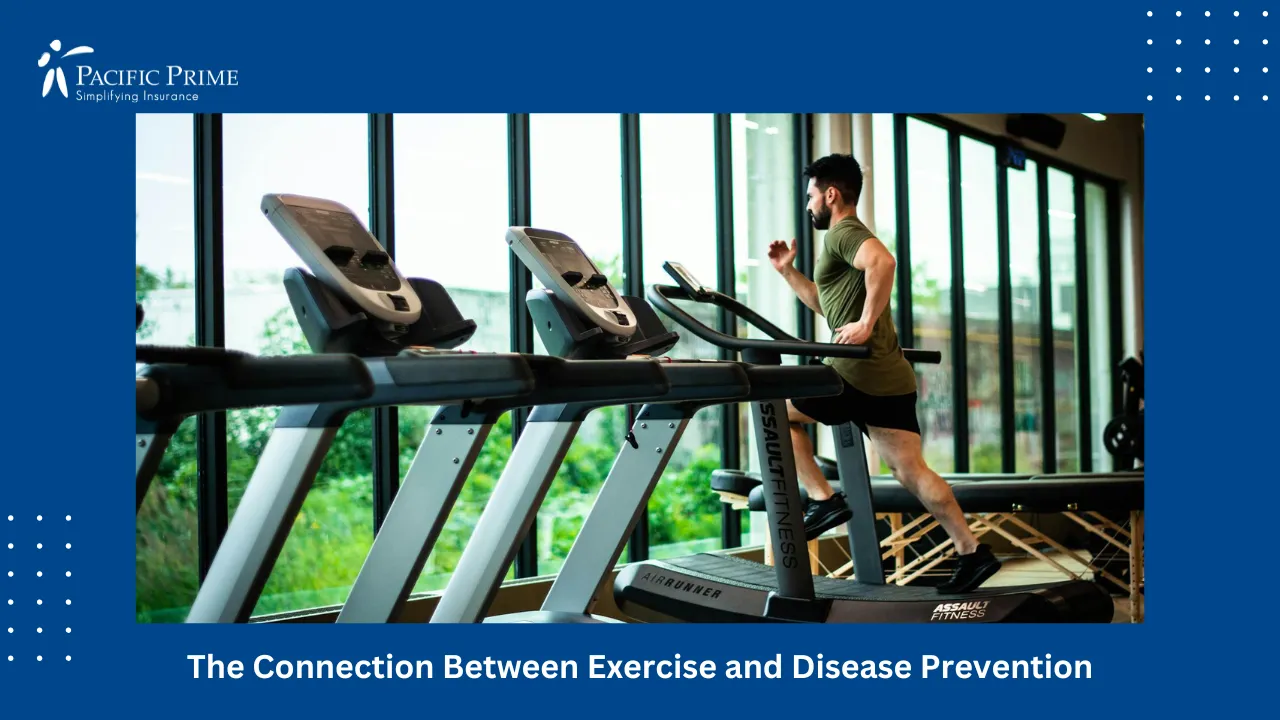
Health experts claim that the lack of exercise is a leading cause of most chronic diseases. The CDC lists physical inactivity as one of the four major risk factors for preventable chronic diseases. The other three are poor nutrition, tobacco use, and excessive alcohol use.
While this may sound shocking at first, it’s not hard to imagine when you realize our bodies are designed to move, and most of us are doing a whole lot less of it.
Combining data from more than 100,000 medical publications, a 2018 review on the health benefits of exercise shows how regular physical activity delays the onset of or prevents over 40 chronic diseases and can lengthen our life spans.
If it’s that simple, then all of us, including expats, should be taking a closer look at how we can become more physically active.
8 Diseases Physical Activity Can Help Improve or Prevent
Making time for regular physical exercise and movement can improve and even prevent obesity, type 2 diabetes, heart disease, osteoporosis, cancer, hypertension, asthma, and mental health. Expats living abroad will want to take care to make sure they make consistent time to be active often.
How Exercise Improves Obesity
The lack of physical activity is one of the major contributors to the US obesity epidemic. Obesity affects 41.9% of adults over the age of 20 in the U.S. and 813 million adults worldwide. The disease is associated with more than 200 possible health complications.
A person can return to a healthy body weight by changing their eating habits and through exercise by increasing total expenditure and metabolic rate.
Regular physical activity can improve or prevent obesity by:
- Burning more calories
- Increasing your metabolism
- Improving overall health
- Regulating your appetite and preventing overeating
- Managing stress, which can contribute to weight gain
How Exercise Improves Type 2 Diabetes
Physically active men have a 39% lower risk of getting type 2 diabetes than those who are physically inactive, according to a study done by the University of Eastern Finland. This is due to significant changes in the body’s metabolic profile. Exercise can also improve symptoms of type 2 diabetes.
Regular physical activity can improve or prevent type 2 diabetes by:
- Lowering blood sugar levels
- Controlling weight gain
- Boosting energy levels
- Lowering the risk of dying from heart disease
- Lowering the risk of dying from cardiovascular disease
- Reducing the progression of disease indicators, such as hemoglobin A1c, blood pressure, body mass index, and lipids
- Lowering the risk of nerve damage
How Exercise Improves Heart Disease
Not getting enough physical exercise can lead to heart disease, even without any other risk factors. It also increases the chances of developing heart disease risk factors such as high blood pressure, high cholesterol, obesity, and type 2 diabetes.
Regular physical activity can improve or prevent heart disease by:
- Lowering the risk of dying from heart disease
- Decreasing the risk of heart disease getting worse
- Strengthening your heart muscle
- Lowering blood pressure
- Improving cholesterol levels
- Helping maintain a healthy weight
How Exercise Improves Osteoporosis
Regular physical activity reduces osteoporosis since it reduces bone loss, thereby significantly lowering the likelihood of fractures. Strength training, which involves weight-bearing exercises, is ideal for preventing or alleviating osteoporosis since moving against gravity boosts bone strength.
Osteoporosis causes bones to thin and weaken, so exercises like fast walking, lifting weights, and balance are helpful since they reduce the chances of falling and injury.
Regular physical activity can improve or prevent osteoporosis by:
- Strengthening bones
- Slowing bone loss
- Improving coordination and balance
- Reducing the risk of falling
- Stimulating the formation of bones
How Exercise Improves Cancer
Several studies show that exercise reduces the risk of developing breast, colorectal, and prostate malignancies. Similarly, it can reduce the risk of cancer relapse and improve survival. Physical inactivity is a lesser-known risk factor for cancer.
A National Cancer Institute study reports that active people have a 7% lower risk of certain cancers than those who are sedentary.
Regular physical activity can improve or prevent cancer by:
- Lowering the rate of dying from breast, colorectal, and prostate cancer
- Improving fitness and overall quality of life
- Lowering the risk of all-cause mortality
- Regulating hormones that have been linked to cancer development
- Strengthening the immune system
- Reducing inflammation
- Improving digestion
How Exercise Improves Hypertension
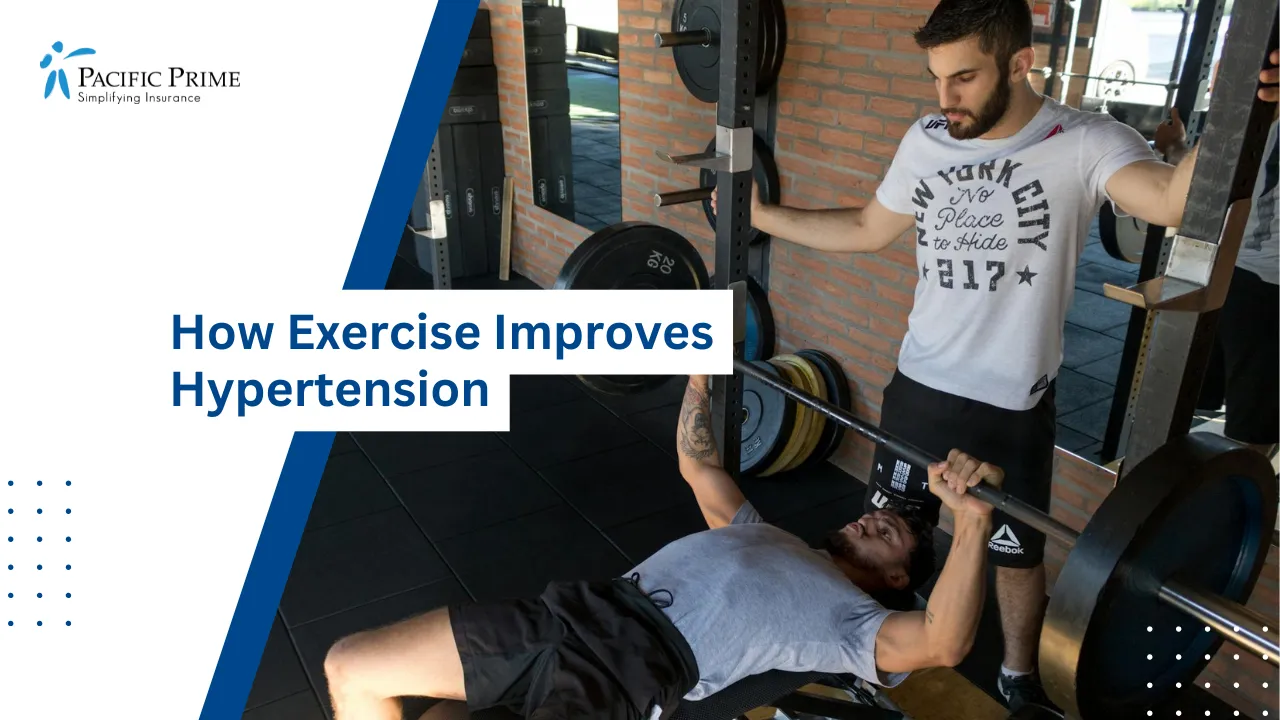
Exercise lowers high blood pressure, reducing hypertension, by making the heart stronger and helping it pump blood easily with less effort on the arteries. Hypertension, or chronic high blood pressure, links directly to cardiovascular disease. Fortunately, reducing blood pressure lowers this risk.
By treating blood pressure through regular physical activity, you’re also preventing heart attack, heart failure, kidney damage, and stroke.
Regular physical activity can improve or prevent hypertension by:
- Lowering the risk of dying from cardiovascular disease
- Reducing cardiovascular disease progression
- Lowering the risk of increased blood pressure over time
- Reducing blood vessel stiffness
- Improving blood vessel function
- Improving oxygen delivery and waste removal
- Lowering stress hormones
- Strengthening your heart’s efficiency
How Exercise Improves Arthritis
Older adults, in particular, may suffer from chronic conditions like arthritis that can make exercise painful. However, exercise can actually improve arthritis. Along with alleviating joint pain, it can also increase flexibility, strength, and joint mobility and reduce inflammation.
Regular physical activity can improve or prevent arthritis by:
- Easing joint pain
- Building muscle strength around the joints
- Lessening joint stiffness
- Making it easier to move
- Improving the overall quality of life
How Exercise Improves Asthma
You might think that people with asthma should not engage in physical activity, but that’s not the case. While exercise can prove more challenging with the condition, getting your heart rate up can improve symptoms down the line.
With regular physical exercise, asthma doesn’t have to interfere with daily activities as much.
Regular physical activity can improve or prevent asthma by:
- Supporting the immune system
- Raising heart rate
- Increasing stamina
- Reducing breathlessness
- Controlling how often asthma attacks occur
- Limiting how severe asthma attacks are
How Exercise Improves Mental Health
Exercise improves mental health by releasing endorphins that make you feel great and growth factors that cause nerve cells to grow and form new connections. Growth factors lower the likelihood of depression, particularly in the hippocampus, a region that is smaller in people with depression.
Numerous studies demonstrate the benefits of regular exercise on brain function, including cognitive and mental health.
Regular physical activity can improve or prevent poor mental health by:
- Releasing feel-good hormones
- Reducing stress and anxiety
- Promoting better sleep
- Improving mood
- Enhancing cognitive functioning
- Reducing the risk of depression and anxiety
- Boosting self-esteem and confidence
How Much Exercise Expats Need Regularly
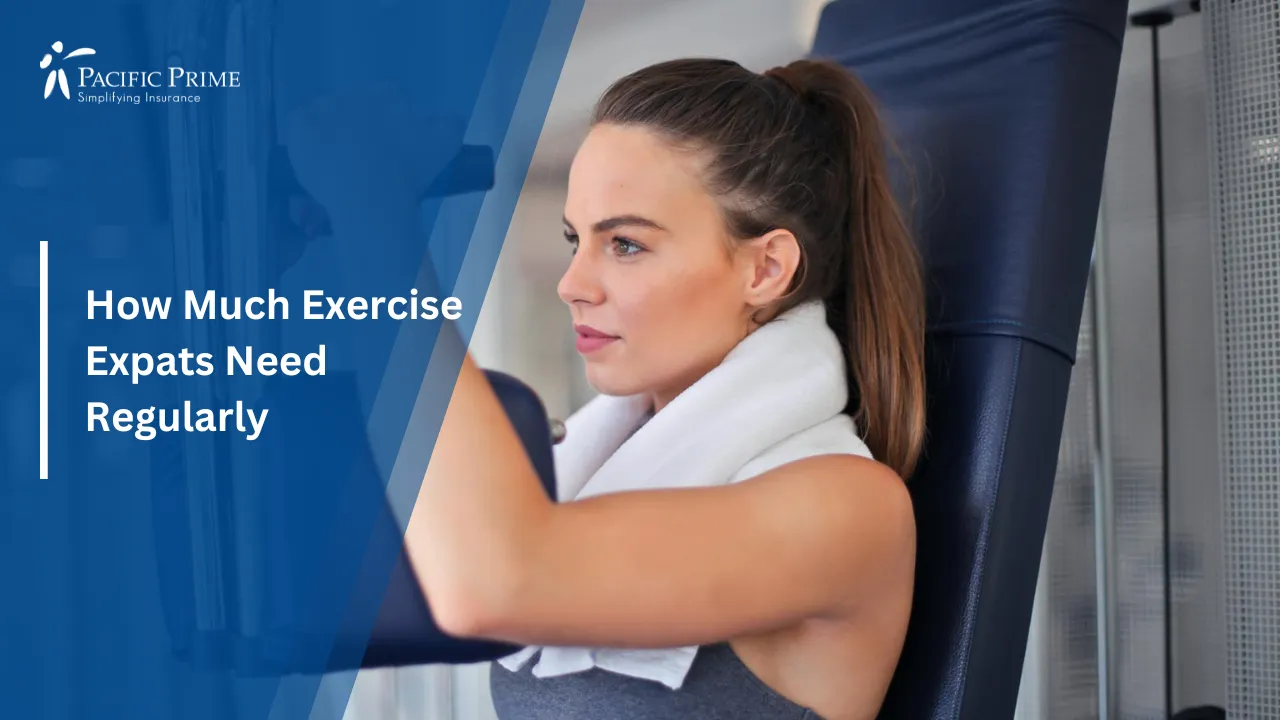
Expats living worldwide need at least 150 minutes of moderate aerobic exercise a week or at least 75 minutes of vigorous aerobic exercise a week. Health specialists define aerobic as full-body movements using your large muscle groups that increase your heart rate, breathing, and oxygen consumption.
The Mayo Clinic says expats can also get an equal amount of moderate and vigorous aerobic activities in a week to remain healthy. Expats are also encouraged to sit less and sprinkle in small physical movements like standing and stretching, going on a short walk, or doing a pushup throughout the day to improve overall well-being.
It’s also important for expats to engage in strength training at least two times a week for all the major muscle groups.
Types of Exercise Expats Can Do to Improve Their Health
Walking, running, biking, swimming, gardening, lifting weights, doing squats, dancing, and yoga are just a few of the many ways expats can exercise to improve their mental and physical health. Pick whichever form of exercise motivates you the most so you can get started and remain consistent.
It can be easy to lack motivation and neglect exercise, but it’s important to remember that exercise will improve how you feel and help your mental and physical health. With more access to online exercise classes and personal trainers nowadays, there is no better time to look for motivational help.
While 30 minutes of exercise per day, five days a week, is the recommended average, be sure to speak with your doctor or a fitness professional to decide on a workout plan that’s right for you.
Moderate Aerobic Exercise Ideas for Expats
Moderate aerobic exercise includes brisk walking, biking, swimming, and mowing the lawn. No matter in what country an expat lives, everyone can find moderate physical activities that increase their heart rate, break a sweat, make it harder to breathe, and let them talk but not necessarily sing.
These moderate activities are less intense than vigorous exercise but still strengthen you just the same. Expats should aim to get 150 minutes a week of moderate exercise, or roughly 30 minutes spread across five days.
Here are more examples of moderate aerobic exercise that can be done around the world:
- Doubles tennis or pickleball
- Water aerobics
- Vinyasa or power yoga
- Jogging
- Dancing
- Hiking
- Raking leaves
- Gardening
- Leisure swimming
- Mowing the lawn
- Cycling
- Fast walking
- Rollerblading
- Tai Chi and Qigong
Vigorous Aerobic Exercise Ideas for Expats
Vigorous aerobic exercise includes running, fast-paced cycling, swimming, or dancing, soccer, and more. Expats can know whether or not an activity is considered vigorous if their heart rate is significantly elevated, it’s hard to breathe, and it’s not possible for them to hold a conversation.
Expats should aim for 75 minutes of vigorous aerobic exercise a week, or 15 minutes a day for 5 days.
Here are more examples of vigorous aerobic exercise that can be done around the world:
- Running
- Swimming
- Cycling
- Vigorous dancing
- Jumping rope
- Fast-paced swimming
- Singles tennis
- Heavy yard work (digging or shoveling, etc.)
- Hiking uphill or backpacking
- Boxing
- Vigorous sports (basketball, soccer, football, etc.)
- Heavy weight lifting
- Yang and Yin activities
Strength Training Exercise Ideas for Expats
Strength training exercises expats can try include lifting dumbbells, using resistance bands, or using weight machines in a gym. Strength training, or resistance training, pushes your muscles to work harder than they usually do, usually by pushing them against a resisting external force.
The CDC recommends expats engage in a form of resistance training at least 2 days a week and try to do at least 8 – 12 repetitions of an exercise per set. They suggest engaging in a strength exercise until it becomes hard to finish a repetition without help.
Expats should make sure to do strength training with each muscle group of their body, including legs, hips, back, chest, abdomen, shoulders, and arms.
Here are more examples of types of strength training that can be done around the world:
- Lifting weights, like dumbbells, kettlebells, and barbells
- Resistance bands
- Using your body weight for resistance, like in a push-up or sit-up
- Digging in a garden
- Some yoga postures
- Using weight machines
- Weights that can be worn, like a weighted vest or ankle/wrist weights
- Lifting any item you can find, like a water bottle, canned food, sandbag, etc.
- Martial arts
- Qigong
- Pilates
- Fishing
- Farming
- Drumming
- Plyometrics
- Circuit training
Micro-Movements Suggested for Expats
Expats should strive to move their bodies every hour of the day through micro-movements, such as doing a couple of jumping jacks, marching in place, standing and stretching, doing a push-up every time they send a text, or doing arm circles. Micro-movements are not considered exercise.
Rather, micro-movements are small ways you move your body every day to stay active, flexible, and strong. Sitting at a desk every day is not healthy, so get up and move when you can!
Here are some more examples of micro-movements expats can slip into their daily routines:
- Park at the back of the parking lot so you walk further to the door
- Set an alarm for every hour on your phone to stand up and stretch
- Do a squat every time someone says your name
- Eat lunch standing up
- Stand at your desk instead of sitting
- Take a 10-minute break to walk outside every two hours
- Bike to your destination instead of driving
- Take the stairs instead of the elevator
- Balance on one foot while waiting in line to check out at the grocery store
- Stretch your arms, hands, and neck while at your desk
- Do 5 lunges while waiting for the microwave to ding
- Do seated knee lifts every time a commercial interrupts your show
- Stand on the subway instead of sitting
Frequently Asked Questions
How does exercise help prevent chronic diseases?
Regular physical activity strengthens the heart, improves blood flow, lowers blood pressure, stabilizes blood sugar levels, and reduces inflammation. These effects help prevent conditions like heart disease, type 2 diabetes, and certain cancers.
Can working out boost my immune system?
Consistent moderate exercise enhances your immune system by promoting healthy circulation, lowering stress hormones, and supporting white blood cell activity. This makes it easier for your body to detect and fight off illnesses early.
What’s the minimum amount of exercise needed for benefits?
The World Health Organization recommends at least 150 minutes of moderate aerobic activity per week. This can include walking, biking, or swimming and can significantly lower the risk of disease while improving energy, sleep, and mood.

Put Your Health First With Pacific Prime
Whether you’re looking to purchase expat health insurance, review your individual health insurance policy, or anything in between, Pacific Prime is here to help. As a leading insurance broker with over 20 years of industry experience, we have the knowledge and expertise to help you with all of your insurance needs while living abroad.
Contact us for impartial advice and a free plan comparison today!
To help prevent disease while travelling, read these articles as well:
- The 14 Most Common Diseases to Watch Out for When Traveling Abroad
- Typhoid Fever Travel Advice Guide
- The Zika Virus Travel Advice Guide

Jantra curates and reports on the results of Pacific Prime’s monthly newsletters, as well as manages Pacific Prime’s Deputy Global CEO’s LinkedIn posts. Complemented by her background in business writing, Jantra’s passion for health, insurance, and employee benefits helps her create engaging content – no matter how complex the subject is.
Growing up as a third-culture kid has given her a multicultural perspective that helps her relate to expats and their families while 8 years of working remotely have given her unique insight into hybrid work arrangements and enthusiasm for employee benefits.
- Jobs in Italy for Americans: Visa, Salary & Career Guide – October 15, 2025
- Healthcare in Singapore vs USA : Funding, Coverage, and Key Differences – August 15, 2025
- Living Abroad in the Philippines : Costs, Visas, and Expat Tips – August 12, 2025



Comments