300x85-png.webp)


 Hong Kong
 Singapore
 China
China Dubai
Dubai Thailand
 United Kingdom
 Mexico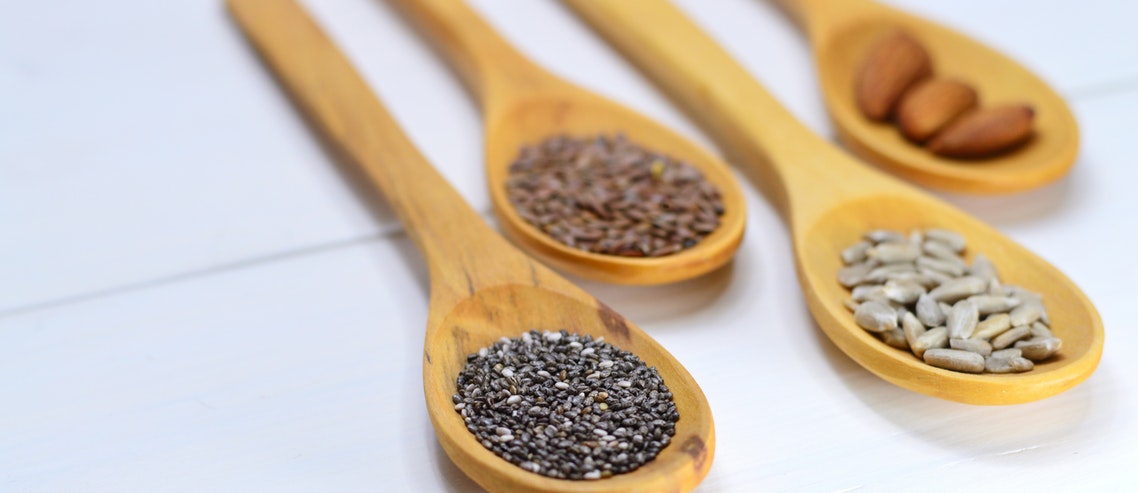
You read about it in the magazines, hear about from friends and family: seeds, nuts, and berries are good for you! That’s why today our team at Pacific Prime decided to write about exactly why adding seeds, nuts, and berries into your diet enhances it, and benefits your overall health. In health insurance, where we operate, we understand the importance of good health, as quite often your premiums and your health are related. Now, let’s dig in, and see what health benefits seeds, nuts, and berries have!
Discover the world’s top
health insurers.
Compare quotes with
a click of the button.
Adding seeds, nuts, and berries into your diet
Nuts
Many people think that nuts can add fat to their diet and avoid them for this reason. However, contrary to popular belief, nuts contain good fats that can improve health. One of the biggest perks of incorporating nuts into your diet is that they are heart healthy and can help lower bad cholesterol. Nuts contain lots of wholesome goodness, like unsaturated fats (the good fats), fiber and vitamin E. But beware. Though nuts are packed with nutrients, the serving size and serving manner are essential. A few nuts can be a great snack, but a whole bowl is usually too many calories to add to the day’s tally. Also, delicious nuts can become quite unhealthy when they are covered with sugar, salt, and other less attractive additives.
Almonds, cashews, and pistachios top the list of the healthiest nuts to snack on, as far as calorie counts go. They have fewer calories than some of their nut relatives, making them a safer snacking option that will still stave off hunger until your next meal.
If you’re looking for nuts that will keep your heart in good shape, walnuts are a great choice. They contain the omega-3 fats that are good for heart health, as well as alpha linoleic acid, which can help with heart arrhythmia and keeping arteries healthy after eating a fattening meal. Peanuts, though not technically nuts (they’re legumes), are one of the best brain health “nuts”. Their unique quality is that they contain the right amount of folate, a mineral that helps the brain develop and can keep it from deteriorating.
One of the all-around healthiest nuts is the almond. Almonds have more calcium than any other nut and are relatively low in calories, making them ideal for snacking and adding to other dishes. Almonds also contain all the other nutrients common to nuts, making them an action-packed snack.
Seeds
Most of us have heard lots of hype about why this or that seed is the hip miracle food essential to your diet. But the secret behind their super-powerful effects is intuitive and straightforward. Since seeds are the blueprints for any one of a variety of plants, they contain all the ingredients required to nourish and grow into a plant. Thus, they are packed full of nutrients that people can take advantage of even before they are planted, solidifying their status as superfoods. These unassuming little guys are chock full of all kinds of good things, like healthy fats, fiber, iron, zinc, protein, and minerals.
What seeds should you eat to start taking advantage of what they have to offer?
Chia seeds have become quite popular lately and for a good reason. They’re versatile and super healthy too. These tiny seeds can be added to all kinds of dishes, like smoothies, juice, and salad dressing. Soaking the seeds in a liquid puff them up and they become more filling when eaten. They also have 10 grams of fiber in just one teaspoon, along with many of the other nutrients common to seeds, often equaling the number of nutrients in full servings of other healthy foods. Milling seeds can help unlock their full benefits, especially as the body is unable to break down some whole seeds.
Flax is another popular health food seed that has become more prevalent in recent years. Tiny flax seeds can be sprinkled on or mixed into all kinds of foods. They offer fiber as well as functioning as a laxative, cancer deterrent, lowering blood pressure, and possibly even lowering cholesterol and reducing hot flashes. Make sure to eat them already ground into flaxseed meal to get the full benefits.
The limits of using seeds in cooking are only bound by the imagination. Check online for different recipe substitutes (flaxseed and water can even stand in for eggs in some recipes) and use your imagination to blend them into your daily life. Sunflower seeds, pumpkin seeds, hemp seeds, and sesame seeds are more great options to incorporate into your diet. Keep seeds stored in a cool, dry place to make sure they don’t go rancid, as they are wont to do.
Berries
Last but not least are berries, the only fruit of the group. Most of us have heard that berries are rich in antioxidants, but what do these magical sounding nutrients actually do? Antioxidants help protect the body from free radicals which can play a part in causing heart disease and cancer. This makes berries, which also contain nutrients that keep the brain in good shape, skin healthy and reduce the risk of certain diseases, all around great foods for health. Like nuts and seeds, berries are also easy to incorporate into a healthy diet. Many people love them for their natural sugars and sweetness, as well as rich flavors. Incorporate them into smoothies, on salads, or mixed into baked treats. Don’t forget about the versatility of dried berries and juices too, whether added to trail mix, in cookies, or on their own.
There are not many losers in the berry world but there are a few clear winners.
Cranberries are an easy to eat berry that has a wide variety of health benefits within their tiny skin. The unique appeal of cranberries is that they contain proanthocyanidins, a long word with an important function: urinary tract health.
Blueberries have more goodness in one little sphere than seems possible. They have manganese, which gives you a shot of energy, fiber, necessary for all-around health, and vitamin K, which is good for bone health. But the benefits don’t end there. Berries may help in lowering high blood pressure and cholesterol, and blood sugar.
The ailments mentioned above are what we call in the insurance world ‘chronic conditions’; which are something everyone who’s looking to buy a new health insurance plan is quite afraid of having. You see, when you apply for new health policy, and let’s say you have high blood pressure – an insurer will deem this as a pre-existing condition, and offer you a coverage that doesn’t cover any treatment related to this particular condition.
That’s rather bad, because high blood pressure may lead to several complications such as a heart attack, and treatment for that usually requires ambulance, hospital admission, and even a surgery – all of which you’d have to pay for out of your pocket if high blood pressure was deemed a cause for the heart attack. In short, that’s how pre-existing condition exclusion works in the insurance world.
Our advice? Keep healthy, keep fit and make sure to eat berries, nuts, and seed in appropriate amounts! And for any other health insurance related matters, feel free to contact our expert advisors at Pacific Prime anytime!
- The Top 10 Scariest Illnesses and Diseases of all time – April 13, 2023
- 4 terrifying diseases you never want to get – December 21, 2022
- Working Yourself Sick: Five Illnesses Caused by Sitting at Your Desk – October 26, 2022



Comments