300x85-png.webp)


 Hong Kong
 Singapore
 China
China Dubai
Dubai Thailand
 United Kingdom
 Mexico
Expats can find pediatric care in China by consulting friends and family members for recommendations. Additionally, expats transitioning into parenthood will want to consider taking childbirth classes to learn about labor and delivery procedures and more.
Discover the world’s top
health insurers.
Compare quotes with
a click of the button.
Are you an expat expecting a child while in China? Are you also looking to safeguard your health while in China? In today’s blog post, we will be going over parenthood and pediatric care for expats living in China to ensure their parenthood transition is smooth and their newborn child is healthy.
Finding a Pediatrician as an Expat in China
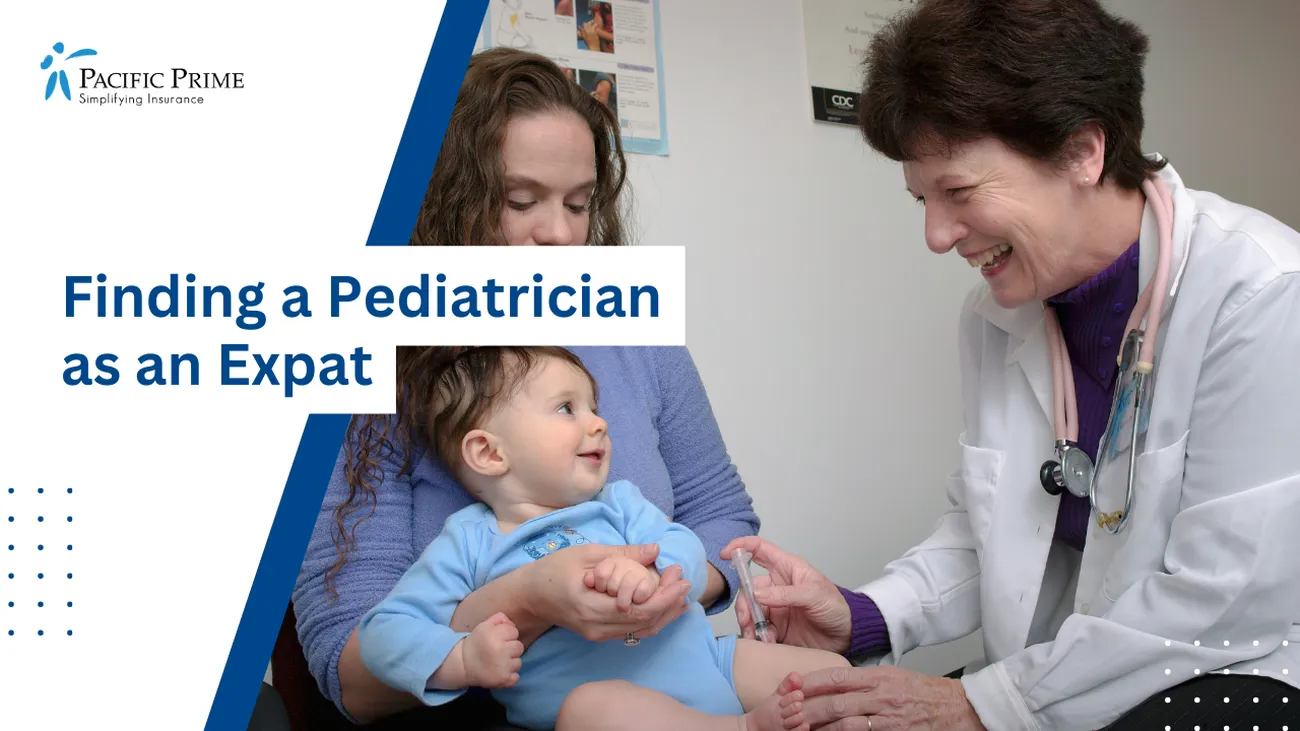
Being an expat who’s expecting or has recently delivered a child, one of your first priorities after doing so is to start finding a pediatrician to help address potential health issues your child might develop.
The first thing you have to do to find a suitable pediatrician in China as an expat is to do your research. You also have the option of seeking recommendations from friends and family members to aid your research process.
Assuming the suggested pediatrician in China is accepting new patients, look into their location, working hours, and after-hours care plan. This is especially useful if your child suddenly develops illnesses or other conditions outside of business hours when in China.
You may also ask your child about their pediatric preferences. For instance, your child may have a preference for pediatrician offices that aren’t too crowded or busy, or your child may also prefer complementary items such as toys, stickers, or sweets.
If you are looking for some hospitals to seek pediatric care for your child as an expat in China, Amcare Women’s and Children’s Hospital and Oasis International Hospital are excellent options.
Amcare offers pediatrics along with parental care, delivery services, as well as postpartum recuperation for expat parents. On the other hand, Oasis provides a newborn intensive care unit (NICU) in addition to pediatric care in case your newborn child may be at risk of health issues.
What is Pediatric Care?
Pediatric care refers to a field of medical care specializing in the physical, emotional, and social health of infants and children, as well as teenagers and young adults.
Pediatric professionals are trained in skilled assessment to prioritize prevention, detection, and management of conditions that could affect children. Below are the common duties of a pediatric professional:
- Diagnosis and treatment for various illnesses and injuries.
- Working to reduce infant and child mortality.
- Promoting healthy lifestyles from infancy.
- Treating patients with chronic conditions.
- Identifying and addressing various developmental or behavioral issues.
- Monitoring physical and psychosocial growth.
- Providing age-appropriate screenings and immunizations.
- Educating patients and parents about possible developmental challenges.
As stated above, pediatric care specializes in not only treating infants and small children, but also adolescents as well. Below are the various age limits for pediatric patients.
- Neonates: Birth to 28 days
- Infants: 29 days to 2 years
- Children: 2 years to under 12 years
- Adolescents: 12 years to 21 years
Why Pediatric Care Matters
Pediatric care is crucial as infants and small children are not yet physically developed and there are always risks for various illnesses and injuries. In addition to physical health, as mentioned before, pediatric professionals can go the extra mile by helping treat other behavioral issues.
And even if the child is healthy by default, pediatric care is what parents shouldn’t overlook as pediatric professionals can help screen, identify, and diagnose certain diseases and developmental disorders they may not know about.
Seeing the Same Pediatrician
Seeing the same pediatrician will allow pediatric professionals to make effective recommendations for the child and their parents. This is particularly useful for infants and children with severe conditions such as asthma, high blood pressure, or diabetes.
Among the effective recommendations pediatric professionals can give to their frequent patients are healthcare information such as safety, nutrition, fitness, development, illness prevention, and treatment.

Why Parenthood Transitioning Matters for Expats in China
Parenthood transitioning will help expat parents in China prepare for childbirth as well as recuperation after the mother’s delivery process. This involves taking childbirth classes to educate yourself on labor and delivery procedures along with pain management and newborn care guidelines.
The primary benefit of taking childbirth classes is that parents can transition to parenthood with confidence and sufficient preparation for labor and delivery procedures and, should there be a need for c-section incisions in the event normal delivery isn’t possible, nursing scars.
When it comes to searching for childbirth classes, you can start by asking friends or other family members for recommendations or consulting a physician. However, in regards to attending those classes, thoroughly consider your schedule, availability, and budget to make sure you can attend.
By taking childbirth classes, expats in China can effectively transition into parenthood thanks to valuable lessons on labor and delivery along with pain management and basic newborn care. For more information on costs and what you can expect to learn, click here for further reading.
Factors to Consider When Finding a Pediatrician as an Expat in China
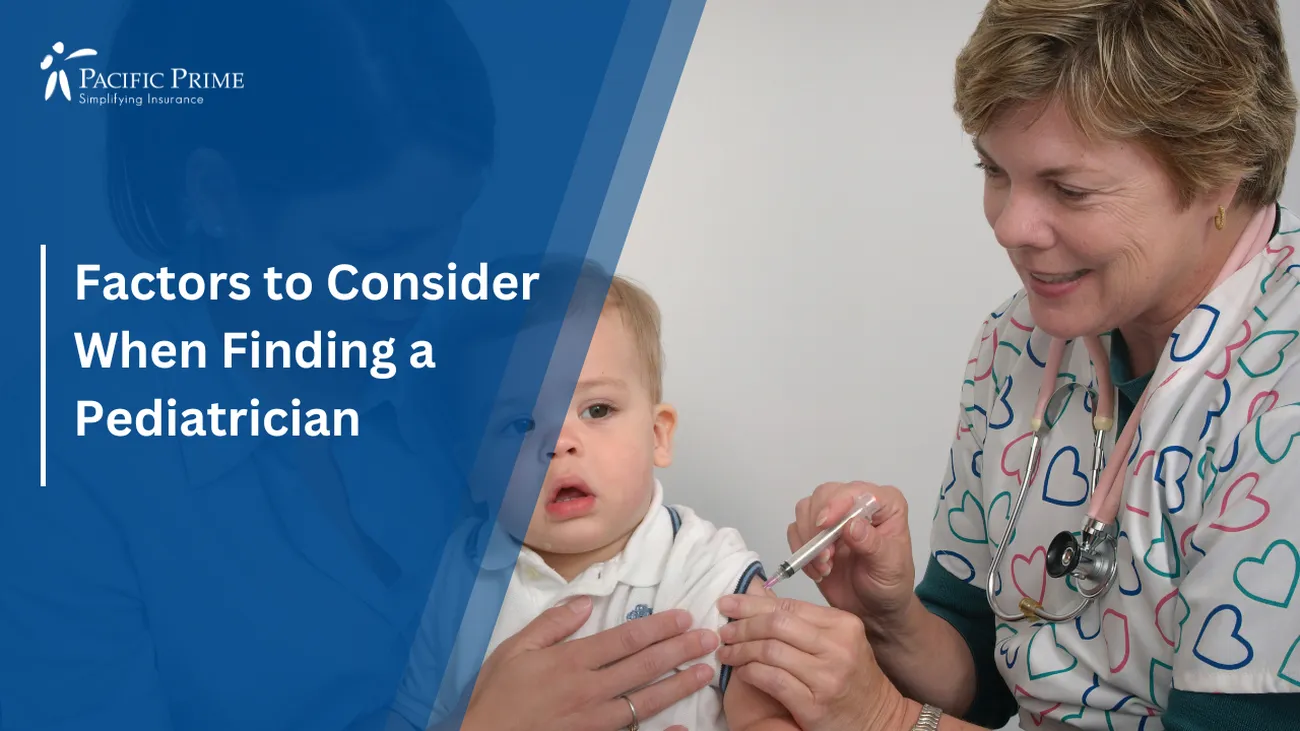
From cultural differences to choosing hospitals, there are various factors to consider when finding the ideal pediatrician as an expat living in China. For instance, public hospitals may be affordable at the cost of long waiting times while private hospitals offer shorter waiting times.
Below are notable factors to consider when you’re searching for pediatric care as an expat living in China.
Consider Public or Private Hospitals
Much like any other country, public and private hospitals in China have their fair share of benefits and drawbacks. For instance, if you opt for a public hospital, medical treatment may be more affordable but this may come at the cost of longer waiting times for non-emergency treatments.
Another potential drawback of opting for a public hospital in China, despite featuring affordable medical treatment, is the hospital may be understaffed and there may be a lack of multilingual or bilingual medical staff, which can be a hassle if you’re an expat in China who can’t speak Chinese.
This is where private hospitals shine. While medical treatment will be considerably more expensive, private hospitals make up for it with shorter waiting times even for non-emergency treatment. This will allow expat parents in China to seek pediatric care for their children right away.
Another benefit of opting for private hospitals in China when seeking pediatric care for your child is that you’ll be able to choose specific doctors, to which you may also be able to find multilingual specialists in case you’re an expat in China.
Additionally, private hospitals may also feature greater amenities not found in public hospitals.
Consider Cultural Differences
When seeking pediatric care as an expat in China, be sure to consider cultural differences as topics such as breastfeeding, circumcision, preventative care, mental health, learning disabilities, or menstruation may be differently depicted here in China than in your home country.
Because of this, expat parents living in China may have some difficulties trusting a pediatrician’s knowledge while doing their independent research. However, if the pediatrician is experienced in assisting expat parents, you should be able to openly discuss sensitive topics with them.
Overview: China’s Healthcare System
In China, local citizens and permanent residents are granted universal healthcare, but coverage can vary across regions. National health legislation is overseen by China’s central government while the local government provides healthcare services.
Because the local government provides healthcare services, expats may not be able to access healthcare in rural areas.
Some examples of basic coverage areas included in China’s government-provided medical insurance include inpatient care, primary and specialist care, mental healthcare, physical therapy, emergency care, and dental extractions.
However, do keep in mind that China’s basic government-provided medical insurance won’t cover dental cleanings, most optometry services, home care, or durable medical equipment.
Frequently Asked Questions
Is expat health insurance required for expats in China?
Healthcare in China is free for local citizens and permanent residents. However, expats can’t access government-supported public health insurance. Therefore, it’s crucial for expats living in China to secure a comprehensive expat health insurance plan.
Is pregnancy considered a pre-existing condition by insurers?
Pregnancy is not considered a pre-existing condition by insurers, so you can apply for an expat health insurance plan just fine while you’re pregnant. A pre-existing condition refers to diseases, ailments, or injuries sustained before applying for a health insurance plan.
What are some drawbacks of public healthcare in China?
When opting for public healthcare as an expat in China, you may run into issues such as long waiting times for non-emergency cases or lack of multilingual staff. For instance, rural hospitals are often excessively crowded yet understaffed and lacking in resources or quality care.
Conclusion
In conclusion, the first step in transitioning into parenthood for expats in China is to find and attend adequate childbirth classes followed by finding the right pediatrician.
When finding the right pediatrician, make sure to do your research well by looking into their location, working hours, and expertise areas. Over time, after seeing the same pediatrician for years as your child continues to grow, you will be able to get efficient medical recommendations as well.
As a leading international health insurance broker, Pacific Prime has over 20 years of experience in matching both local citizens and expats to the health insurance plan that matches both their budget and specific healthcare needs.
Whether you’re a local citizen yourself or an expat living overseas, Pacific Prime and our team of experts are more than happy to help you find your health insurance plan of choice. And if you have any further questions, please feel free to get in touch with us.
Enjoyed this Article? Check out our other articles such as 15 Proactive Health Strategies for Expats in China and Top 11 International Insurance Companies in China for Expats!

Serena earned her Bachelor’s Degree in Psychology from the University of British Columbia, Canada. As such, she is an avid advocate of mental health and is fascinated by all things psychology (especially if it’s cognitive psychology!).
Her previous work experience includes teaching toddlers to read, writing for a travel/wellness online magazine, and then a business news blog. These combined experiences give her the skills and insights she needs to explain complex ideas in a succinct way. Being the daughter of an immigrant and a traveler herself, she is passionate about educating expats and digital nomads on travel and international health insurance.
- How to Compare Travel Insurance Plans the Smart Way – October 21, 2025
- Best Hospitals in the UAE: Top Picks in Dubai and Abu Dhabi – October 21, 2025
- How Much is a Doctor Visit in Dubai Without Insurance? – October 21, 2025



Comments