300x85-png.webp)


 Hong Kong
 Singapore
 China
China Dubai
Dubai Thailand
 United Kingdom
 Mexico
Portugal has quickly become one of Europe’s top destinations for digital nomads. With its warm climate, vibrant cities, affordable living, and high-speed internet, it offers the ideal environment for remote workers seeking both lifestyle and stability.
Discover the world’s top
health insurers.
Compare quotes with
a click of the button.
To support this growing demand, Portugal introduced the D8 Digital Nomad Visa. Designed specifically for non-EU citizens working remotely, the visa makes it easier to live legally in the country while enjoying everything it has to offer.
In this article by Pacific Prime, we’ll walk you through how the D8 Visa works, who qualifies, what documents are needed, and why international health insurance is a key requirement for remote workers moving to Portugal.
Portugal’s D8 Visa Explained

The D8 Visa—also known as Portugal’s Digital Nomad Visa—was introduced in late 2022. It allows non-EU/EEA citizens to legally reside in Portugal while working remotely for a foreign employer or as a freelancer.
Unlike a tourist visa, the D8 is tailored for long-term remote work. It’s available in two forms: a temporary stay visa (valid up to one year) and a residency visa (renewable, with a pathway to permanent residency after five years).
The D8 gives digital nomads the right to live in Portugal while enjoying travel across the Schengen zone. It’s ideal for freelancers, entrepreneurs, or remote employees who want a European base without needing local sponsorship.
Eligibility for the D8 Visa
The D8 Visa is designed for non-EU/EEA/Swiss citizens who work remotely. Whether you’re a freelancer, entrepreneur, or salaried employee with a foreign company, you’re likely eligible, as long as you meet Portugal’s financial and documentation criteria.
Applicants must prove a stable monthly income of at least four times the Portuguese minimum wage, which in 2025 equals around €3,040 (USD $3,300). Income can come from employment, freelancing, or business activities outside Portugal.
You must also show that your work is location-independent and can be done remotely. Employment contracts, client agreements, and proof of business ownership can all serve as supporting evidence.
Portugal D8 Visa Requirements
To qualify for Portugal’s D8 Digital Nomad Visa, you must prove a stable remote income from outside Portugal and show documents confirming your earnings and intent to live in the country long term.
The minimum monthly income required is €3,040 (USD $3,300)—equivalent to four times the Portuguese minimum wage. If you’re applying with a spouse or dependents, additional income is required, and you must show proof of private health insurance and a clean criminal record.
Personal Documents
To apply for Portugal’s D8 Visa, you’ll need to prepare several basic identification documents, including:
- Valid passport (with at least six months’ validity beyond your intended stay)
- Two recent passport-sized photos
- Completed long-stay visa application form
- Birth and marriage certificates (if applicable), with an apostille
- Police clearance certificate from your home country (issued within 90 days)
Proof of Remote Work
To live in Portugal under the D8 Visa, you must demonstrate that you’re working remotely for an entity outside Portugal. Acceptable documents include:
- Employment contract from a foreign company
- Freelance contracts or proof of active clients
- Business license and proof of company ownership (if self-employed)
- Personal statement describing your remote work setup
Financial Documentation
To prove financial eligibility for Portugal’s D8 Visa, you should prepare:
- Bank statements from the last three to six months
- Payslips, client invoices, or payment records
- Tax returns or income declarations from the last one to two years
- Proof of income transfers into a Portuguese or international bank account
- Portuguese NIF (tax number) and bank account (required for visa issuance)
Accommodation in Portugal
Before you can move to Portugal on a D8 Visa, you’ll need to confirm where you plan to stay during your time in Portugal:
- Rental lease agreement (three to 12 months minimum recommended)
- Hotel or Airbnb reservation (for short-term applicants)
- A letter from the host, along with their ID and utility bill (if staying with someone)
Health Coverage and Medical Requirements
Health insurance is mandatory for all D8 visa applicants:
- Private health insurance valid in Portugal and the Schengen countries
- Minimum coverage of €30,000 (USD $34,850)
- Proof of travel insurance for initial entry
- Medical certificate stating you’re in good health (some consulates require this)
How to Apply for the Portugal D8 Visa
Applying for the D8 Digital Nomad Visa involves several steps, from preparing documents to attending consulate appointments. You can apply either from your home country or, in some cases, from within Portugal if you already have a valid short-term visa.
The process typically begins with gathering all required documents and submitting your application to the nearest Portuguese consulate or embassy. Some consulates allow online applications, but in-person appointments are often required for interviews and biometric data collection.
Step-by-Step Application Process:
- Gather Required Documents: Collect your passport, proof of remote work, income statements, accommodation details, health insurance, and criminal background check.
- Obtain a Portuguese NIF: This tax identification number is essential and can be acquired through a Portuguese tax office or with the help of a local representative.
- Schedule Consulate Appointment: Book your visa application appointment at the Portuguese embassy or consulate in your country.
- Submit Application: Present your documents, pay visa fees (usually around €90–€120), and complete biometric data collection (photo, fingerprints).
- Wait for Processing: Processing times vary by consulate but usually take 30 to 90 days. Use this time to arrange accommodation and prepare for your move.
- Receive Visa and Travel: Once approved, you’ll receive your visa sticker allowing entry and residence in Portugal. Upon arrival, you must schedule an appointment with SEF (Portuguese Immigration and Borders Service) to obtain your residence permit.
Benefits of the Portugal D8 Digital Nomad Visa
The D8 Visa doesn’t just offer legal residency; it opens the door to a fulfilling lifestyle in Portugal. From visa flexibility and family inclusion to access across Europe, it’s a popular route for remote workers seeking both stability and adventure abroad.
Legal Residency in Portugal
The D8 Visa allows remote workers to legally reside in Portugal for an initial period of one year, with the option to renew. After five years, you may be eligible for permanent residency or even citizenship.
Schengen Area Access
Visa holders can travel freely within the 26 countries of the Schengen area. This benefit is ideal for nomads eager to explore Europe while using Portugal as a home base.
Family Reunification
You can bring your spouse and dependent children under the same residency framework. Portugal supports family reunification, making it easier to relocate together and settle down smoothly.
Access to Public Services
With legal residency, D8 holders can open Portuguese bank accounts, sign long-term leases, and access public services, making daily life easier and more secure.
Affordable and Welcoming Lifestyle
Portugal offers a low cost of living, mild climate, strong expat communities, and a relaxed pace of life. These factors make it especially attractive to remote workers seeking balance and quality of life.
Challenges and Considerations of Moving to Portugal on a D8 Visa
While the D8 Visa offers a smooth pathway to life in Portugal, there are a few hurdles that digital nomads should be aware of. From meeting financial requirements to understanding local bureaucracy and insurance, careful planning is key to a stress-free move.
Income Requirements
The D8 Visa requires proof of stable income, which can be challenging for freelancers or new entrepreneurs without consistent earnings. Ensuring you meet the minimum monthly income is key to a successful application.
Bureaucracy and Paperwork
Portuguese bureaucracy can be slow and complex. Scheduling SEF appointments, getting documents translated, and dealing with consulate procedures may take time and patience.
Tax Implications
Living in Portugal means you may have tax obligations on your worldwide income. Understanding Portuguese tax laws and possibly consulting a tax advisor is important to avoid surprises.
Language Barriers
Portuguese is the official language, and outside major cities, English is less common. Learning basic Portuguese will help with everyday tasks and official processes.
Health Insurance
Comprehensive international health insurance is mandatory for the D8 Visa. It ensures you have access to quality healthcare and protects you from costly medical bills abroad.
Pacific Prime works with top insurers in Portugal to help digital nomads find plans that meet visa requirements and personal health needs. With expert advice and free plan comparisons, we make it easy to secure the right coverage before you move.
Where to Live in Portugal as a Digital Nomad
Portugal has become a top choice for remote workers thanks to its relatively affordable cost of living, scenic towns, and strong digital infrastructure. The best places to live in Portugal depend on your budget, lifestyle, and access to essentials like fast Wi-Fi and coworking spaces.
Lisbon
As Portugal’s capital, Lisbon is the most expensive city but also the most connected. A one-bedroom apartment in the city center costs €1,200–€1,800 (USD $1,300–$1,950) per month. Total monthly living expenses range from €2,000–€3,000 (USD $2,170–$3,250) depending on lifestyle.
Porto
Porto offers a quieter, more affordable alternative with strong amenities. Rent for a one-bedroom in the center ranges from €800–€1,200 (USD $870–$1,300). Monthly costs typically fall between €1,500–€2,000 (USD $1,625–$2,170), including food, transport, and internet.
Madeira (Funchal)
This island destination offers ocean views, a mild climate, and solid digital infrastructure. Funchal rents start at around €800 (USD $870) per month, while full monthly costs hover around €1,500–€2,000 (USD $1,625–$2,170) depending on your lifestyle and location.
Smaller Cities and Coastal Towns
Braga, Coimbra, Faro, Lagos, and Portimão offer excellent value and growing expat scenes. Rent is cheaper at €600–€900 (USD $650–$975) for a one-bedroom, with monthly expenses from €1,200–€1,700 (USD $1,300–$1,840)—ideal for digital nomads seeking comfort without big-city costs.


Why International Health Insurance is Essential for Digital Nomads in Portugal
International health insurance isn’t just helpful for digital nomads in Portugal—it’s required for obtaining the D8 Visa. In this section, we’ll explain why coverage matters, how it works in Portugal, and how Pacific Prime can help you secure the right plan.
A D8 Visa Requirement
To apply for the D8 Visa, you must show proof of valid private health insurance. The policy must offer a minimum of €30,000 (USD $32,850) in coverage, be valid throughout your stay, and include comprehensive care such as emergency treatment, hospitalization, and medical repatriation.
It must also be valid in Portugal (ideally the wider Schengen Area) and have no deductible or excess, ensuring all covered claims are paid in full. Without meeting these standards, your visa application will not be approved.
Access to Quality Care
Portugal’s public healthcare system (SNS) is excellent, but mainly for legal residents. As a newcomer, especially during your first year, you’ll likely need private care. Private clinics offer shorter wait times and more English-speaking doctors, but without insurance, costs can add up.
Peace of Mind for Travelers
If you plan to travel across Europe while living in Portugal, international coverage is a must. A good insurance plan covers you across the EU and worldwide, giving you protection during side trips and emergencies abroad.
How Pacific Prime Can Help
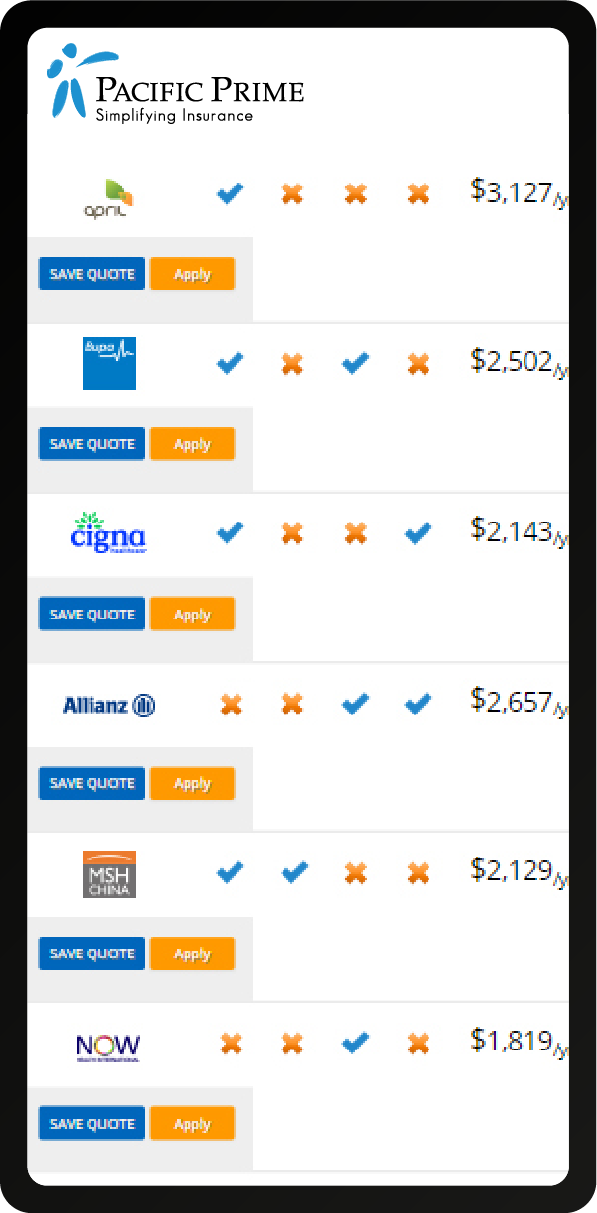
With over 25 years of experience, Pacific Prime works with top insurers in Portugal and beyond to help nomads compare and secure international health insurance. We offer expert advice, free consultations, and tailored plans that fit your lifestyle and budget.
Stay Protected with Pacific Prime While Living in Portugal
Living and working remotely in Portugal with the D8 Visa offers an incredible lifestyle, but it’s essential to plan carefully. From gathering documents and understanding tax implications to choosing the right city, preparation will help you thrive as a digital nomad abroad.
One of the most important steps? Securing the right international health insurance. It protects you from unexpected medical costs, ensures visa compliance, and gives you peace of mind whether you’re based in Lisbon, Porto, or on the sunny shores of Madeira.
With over 25 years of experience, Pacific Prime helps digital nomads compare international health insurance, expat insurance, and family insurance options from top providers in Portugal and worldwide. We simplify the process so you can focus on enjoying your new life abroad.
Looking to get started? Contact us today for a free consultation and expert plan comparison.
If you found this article helpful, explore more of our guides like Portugal D7 Visa: The Ideal Residency Path for Retirees and Remote Earners or Portugal Job Seeker Visa: Move to Portugal Without a Job Offer in 2025.
Frequently Asked Questions
Is it easy to get a digital nomad visa in Portugal?
The Portugal Digital Nomad Visa is fairly straightforward to obtain. To qualify, you must be a non-EU citizen with a remote job and demonstrate sufficient income to support yourself. You’ll also need to show proof of accommodation, such as a rental contract or property ownership in Portugal.
What is the income requirement for a nomad visa in Portugal?
To qualify, you need to meet the minimum income requirement of €3,280/month (as of January 1, 2024), or €4,096/month if supporting dependents. You must also have private health insurance for your stay, a clean criminal record, and be in good health.
Do digital nomads pay tax in Portugal?
Digital nomads may apply for Non-Habitual Resident (NHR) status to reduce their tax burden, potentially paying no tax on foreign income and a flat 20% on income earned in Portugal.
What is the difference between the D7 and D8 visas in Portugal?
The D7 Visa suits retirees or those with steady passive income, enabling them to live in Portugal without working locally. Meanwhile, the D8 Visa is designed specifically for remote workers and digital nomads.
What is proof of passive income in Portugal?
Applicants must show proof of passive income (e.g., bank statements), accommodation in Portugal, and a Portuguese NIF number. A criminal record certificate is also required from your current country and any country you’ve lived in for over a year within the past five years.

After obtaining his Bachelor’s Degree in Social Sciences, International Relations from Mahidol University International College, Veerabhatr has forged his career as a content writer in the travel, lifestyle, and real estate industries, writing in both English and Thai. He now continues to hone his skills as a writer at Pacific Prime, looking to engage and educate the audience by simplifying insurance.
Writer by day, and a DJ by night, Veerabhatr is a staunch music lover, and listens to all spectrums of genres available. He also loves to drink beer (moderately), eat all types of food, go to the beach, and learn about different cultures across the globe. He is also a die-hard fan of football and motorsports.
- How Much Salary Do You Need to Live Comfortably in Thailand? – October 22, 2025
- Guide on Moving to Thailand from Canada as An Expat – October 20, 2025
- Top Health Insurance in Thailand for Russian Expats: Options and Benefits – October 16, 2025


Comments