300x85-png.webp)


 Hong Kong
 Singapore
 China
China Dubai
Dubai Thailand
 United Kingdom
 Mexico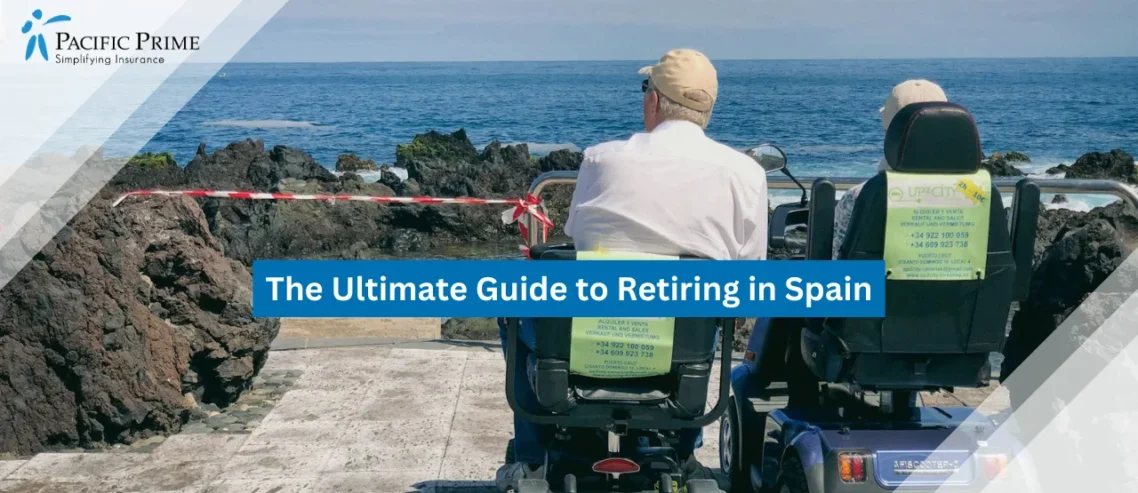
Spain has long been a favorite among expat retirees. With year-round sunshine, world-class healthcare, affordable living, and a laid-back lifestyle, it offers everything you could want in your golden years. But where should you settle? And what should you know before making the move?
Discover the world’s top
health insurers.
Compare quotes with
a click of the button.
In this article by Pacific Prime, we cover all you need to know about retiring in Spain—from visas and living costs to top retirement spots and integration tips. We also explain why securing international health insurance in Spain is key to a safe, stress-free retirement abroad.
Why Retire to Spain

Spain is a top retirement destination thanks to its sunny climate, Mediterranean lifestyle, and affordable cost of living. From coastal towns to cultural cities, Spain offers retirees a high quality of life with modern infrastructure and a slower, more relaxed pace.
Spain’s healthcare system ranks among the best in Europe. Retirees have access to both public and private care, with shorter wait times and significantly lower costs than in many Western countries. Healthcare facilities are modern, and many doctors speak English.
The country offers a wide range of living environments. You can choose a quiet beachside village, a lively historic city, or a peaceful inland town surrounded by nature. Excellent transport links make it easy to travel throughout Spain and across Europe.
Spain is home to large, welcoming expat communities. Areas like the Costa del Sol and Valencia have long attracted retirees from the UK, Germany, the US, and beyond. This makes it easy to find social groups, expat services, and English-speaking support.
While English is commonly spoken in tourist and expat areas, learning Spanish can greatly enhance your experience. It helps with local integration, daily conversations, and building relationships with neighbors. Many retirees attend language classes after relocating.
Best Places to Retire to in Spain
From sunny beach towns to vibrant cultural cities, Spain offers diverse retirement destinations. This section highlights top locations like Costa del Sol, Valencia, and Granada—each offering unique lifestyles, amenities, and expat communities.
Costa del Sol
Known for its endless sunshine, coastal beauty, and English-speaking services, Costa del Sol is one of the most popular areas for retirees. Towns like Marbella, Estepona, and Benalmádena offer beach access, golf courses, modern hospitals, and lively international scenes.
- 320+ days of sunshine annually
- Huge expat communities from the UK and EU
- Wide range of private clinics and senior services
Valencia
Valencia blends old-world charm with modern living and is more affordable than Madrid or Barcelona. It has golden beaches, lush parks, great public healthcare, and vibrant local festivals. The city is also bike-friendly and has a relaxed yet active cultural atmosphere.
- Easy access to the sea and nature
- Ranked among Europe’s healthiest cities
- Affordable dining and lively food markets
Alicante
With beautiful coastal views and a calm Mediterranean pace, Alicante is ideal for budget-conscious retirees. It offers fresh seafood, historic charm, and nearby towns like Torrevieja and Villajoyosa that cater to foreigners looking for a peaceful, sun-filled lifestyle.
- International airport with direct EU flights
- Large English-speaking population
- Active social clubs and beach promenades
Granada
A charming Andalusian city rich in Moorish architecture and mountain views, Granada is perfect for retirees seeking culture on a budget. It’s walkable, full of tapas bars, and close to the Sierra Nevada for hiking and skiing—all with lower living costs than coastal areas.
- Free tapas with every drink
- Close to nature and winter sports
- Stunning history and local festivals
Madrid
Spain’s capital is ideal for retirees who enjoy city living, world-class museums, green parks, and a cosmopolitan feel. Though it’s pricier, it offers top-tier hospitals, fast public transport, and endless dining, shopping, and entertainment for an active retirement life.
- Excellent metro and train networks
- Access to high-quality healthcare
- Day trips to historic towns nearby
Residency and Visa Options for Retirees in Spain
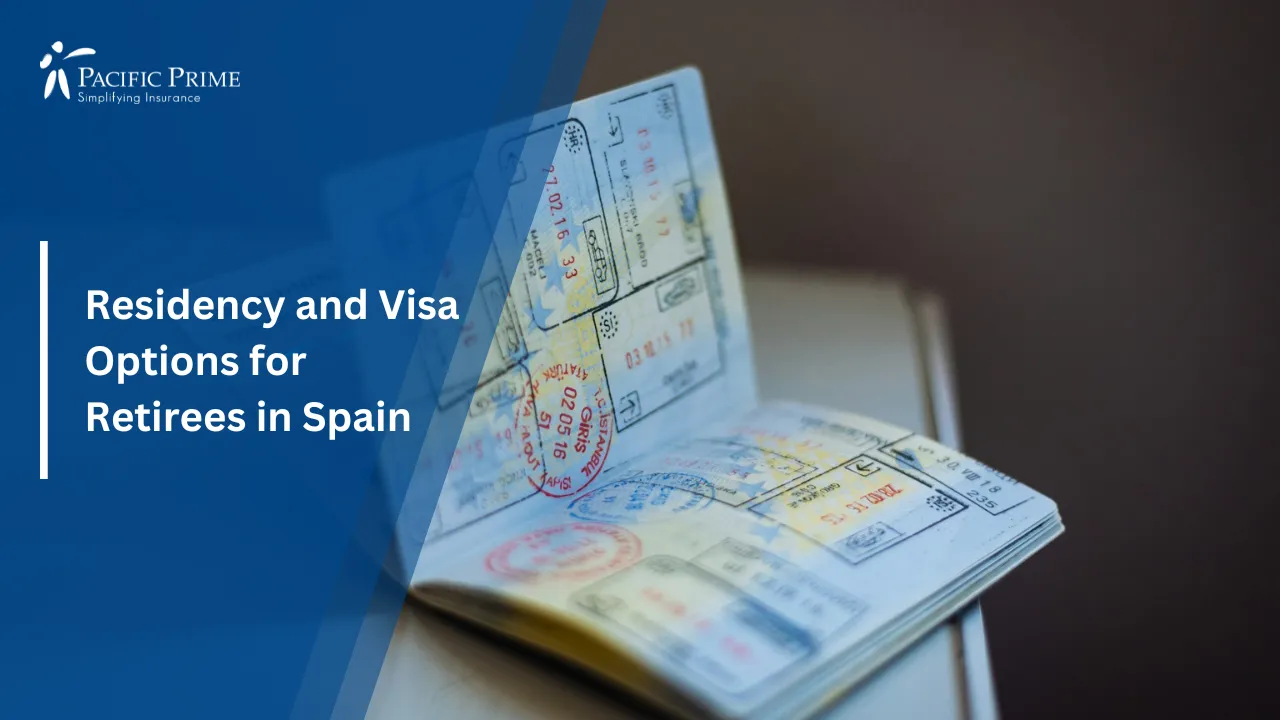
Spain offers multiple residency pathways depending on your nationality and financial situation. This section explains the Non-Lucrative Visa, EU citizen requirements, and how to prepare a successful visa application.
Non-Lucrative Visa
The most common option for non-EU retirees, the Non-Lucrative Visa, lets you live in Spain without working. You must show proof of stable passive income, such as pensions or savings, and have private health insurance before applying through the Spanish consulate.
- Minimum income: €2,400 (USD $2,600)/month (plus ~€600 [USD $650] per dependent)
- Renewable annually, then every two years
- Leads to permanent residency after five years
EU/EEA Citizens
EU and EEA citizens don’t need a visa to retire in Spain. You can move freely and stay as long as you like, but you must register with local authorities if staying more than 90 days. Healthcare and tax registration are also required after becoming a resident.
- Must register at the local town hall (empadronamiento)
- Apply for a NIE (foreigner ID number)
- Entitled to public healthcare access
Application Process
Visa applicants must apply from their home country and submit bank statements, health insurance proof, medical certificates, and a background check. Processing times vary by consulate, so early preparation is essential to avoid delays or rejections.
- Start two to three months before the planned move
- Documents must be translated and legalized
- Some consulates may require in-person interviews
Cost of Living in Spain
Spain’s cost of living is lower than many Western countries, offering good value for retirees. A single person needs around €1,600–€1,700 (USD $1,730–$1,840)/month to live comfortably, while couples or families should expect to spend more depending on lifestyle.
- National average: €1,671 (USD $1,808) per month
- A family of four spends around €4,014 (USD $4,340) per month
- Average monthly income: ~€2,250 (USD $2,430)
Housing Costs
Housing is affordable in many regions of Spain. Rent in city centers is higher, but moving to outer areas can reduce costs by 25–30%. Cities like Alicante and Granada offer excellent value without sacrificing comfort, amenities, or access to healthcare.
- One-bed in the city center: ~€960 (USD $1,037)/month
- One-bed outside the city center: ~€715 (USD $773)/month
- Buying property: ~€1,750 (USD $1,891)/m²
Groceries and Dining
Retirees can eat well in Spain without overspending. Groceries are affordable, and eating out is a part of daily life. “Menu del día” lunches and tapas make social dining accessible on a budget, especially in smaller towns and less touristy neighborhoods.
- Monthly groceries: €200–€300 (USD $216–$324)
- Meal at mid-range restaurant: €13 (USD $14)
- Fast food or café options from €3 (USD $3.25)
Utilities and Internet
Spain’s monthly utility costs include water, gas, electricity, and waste. Prices can fluctuate seasonally, especially in winter. The internet is widely available and fast, with bundle deals helping reduce the overall cost of digital services.
- Utilities: €120–€133 (USD $130–$144) per month
- Internet and mobile: €18–€32 (USD $19–$35) per month
- Bundle plans often offer savings
Transportation
Public transport in Spain is cheap and reliable. Buses, metros, and trams run frequently in cities. Retirees get discounts on many services, while driving remains optional in most towns thanks to walkability and strong transport networks.
- Monthly transit pass: €40–€60 (USD $43–$65)
- Gasoline: ~€1.60 (USD $1.73) per liter
- Intercity travel is affordable and easy
Entertainment and Lifestyle
Spain offers affordable entertainment. Cinema tickets are cheap, gyms are reasonably priced, and many outdoor and cultural activities are free or discounted for seniors, helping retirees stay active and engaged year-round.
- Gym membership: €20–€50 (USD $22–$54) per month
- Movie ticket: €7–€10 (USD $8–$11)
- Free museum days and local festivals
Healthcare in Spain for Retirees
Spain is known for its high-quality healthcare system, which is ranked among the best globally by the WHO. Retirees benefit from modern medical facilities, well-trained staff, and relatively low healthcare costs compared to the U.S., U.K., or northern Europe.
Public hospitals in Spain are well-equipped, and many doctors have international training. Healthcare is available in both Spanish and English, especially in expat-heavy areas like Madrid, Barcelona, and the Costa del Sol, where private hospitals often cater to foreigners.
Public Healthcare
EU/EEA retirees can access Spain’s public healthcare system upon registering as residents. Non-EU retirees usually qualify after one year of legal residence or via the Convenio Especial, a monthly contribution scheme to access public care.
The Convenio Especial costs around €60 (USD $65) per month for those under 65 and €157 (USD $170) for those over 65. It doesn’t cover prescriptions, but it grants full access to Spain’s state healthcare system. Registration requires proof of address and a Spanish NIE number.
Spain’s reputable public hospitals include:
- Hospital Universitario La Paz (Madrid)
- Hospital Clínic de Barcelona (Barcelona)
- Hospital Universitario Virgen del Rocío (Seville)
Private Health Insurance
Most non-EU retirees will need private insurance to secure a visa. Many keep their private plan even after qualifying for public healthcare to reduce wait times and access more English-speaking professionals and private hospitals.
Plans vary in price depending on age, coverage, and location, typically ranging from €50–€200 (USD $54–$216) per month. Many include dental, vision, and specialist care. Providers like Sanitas, DKV, and Cigna Global are popular among expats for their English-language support.
Spain’s leading private hospitals include:
- Hospital Ruber Internacional (Madrid)
- Quirónsalud Barcelona
- HC Marbella International Hospital (Costa del Sol)
Quality and Access
Spain’s healthcare system is decentralized, so quality may vary slightly between regions. Urban areas generally have quicker access to specialists, while rural areas may require more travel for advanced treatments or diagnostics.
Emergency services are reliable and accessible through the EU-wide number 112. Pharmacies are well-stocked and affordable, with many medications available without a prescription. Most areas have 24-hour emergency clinics available.
Healthcare Tips for Retirees
Bring medical records, vaccination history, and prescriptions in both English and Spanish, if possible, to your medical appointments in Spain. Make early appointments to register with a local clinic once you have residency, and always carry your health card or private insurance info.
Many retirees use a hybrid system: private insurance for speed and comfort, and public coverage as a safety net. This approach provides peace of mind, especially for those with chronic conditions or mobility issues who want consistent access to care.
Property: How to Know Whether You Should Buy or Rent in Spain

Renting offers flexibility while buying can provide long-term value and stability. This section compares the benefits of both options, outlines average property and rental prices, and explains what retirees should know before signing a lease or deed.
Renting in Spain
Renting is a popular option for new retirees who want flexibility. It allows time to explore different regions before committing. Rental contracts are usually 12 months, though many offer shorter terms in coastal or tourist areas, especially in the low season.
Monthly rent varies by location. In smaller towns, a one-bedroom apartment outside the city center can cost around €500–€700 (USD $540–$756), while in city centers or beachside areas, prices can rise to €900–€1,200 (USD $970–$1,300) or more depending on demand.
- Short-term leases are available in tourist zones
- Security deposits typically equal one or two months’ rent
- Rent often excludes utilities
Buying Property in Spain
Buying property is a straightforward process in Spain, even for foreigners. There are no restrictions on non-residents owning property. It’s a popular choice for retirees planning to settle long-term or secure a holiday or investment home.
Property prices vary by region. Inexpensive areas like Granada or inland Valencia offer homes for under €150,000 (USD $162,000), while coastal regions and major cities demand higher prices. Buyers should also budget 10–15% extra for taxes and legal fees.
- Foreigners must obtain an NIE number to purchase
- Hiring a lawyer is strongly recommended
- Popular regions include Andalusia, Valencia, and Murcia
Financial Planning & Taxes
Spanish tax residency affects how your pensions and global income are taxed. This section covers income taxes, double taxation agreements, wealth and inheritance tax rules, and why hiring a qualified financial advisor is so important.
Tax Residency in Spain
Retirees who spend more than 183 days a year in Spain are considered tax residents and must declare their global income. This includes pensions, rental earnings, and foreign investments, unless excluded by a double taxation agreement with their home country.
Spain uses a progressive tax rate, ranging from 19% to 47% based on income level. While many countries like the U.K., U.S., and Canada have tax treaties with Spain, retirees should confirm whether their specific pensions are fully or partially taxable.
Pensions and Retirement Income in Spain
Foreign pensions must be declared on Spanish tax returns, whether they come from the public or private sector. Some retirees transfer their pensions to qualifying schemes like QROPS to reduce tax liabilities, but this requires careful financial advice.
Many retirees use digital banks or transfer services like Wise to bring funds into Spain. These platforms offer better exchange rates than traditional banks and help reduce fees. Monitoring exchange trends is key to preserving monthly income value.
Wealth and Inheritance Taxes in Spain
Spain applies a wealth tax on assets exceeding €700,000 (USD $756,000), including real estate, savings, and investments. The tax rate varies by region and ranges from 0.2% to 2.5%, making it important to review where you choose to live and register.
Inheritance tax is also regional and based on the heir’s relationship to the deceased. Spouses and children typically receive higher exemptions, while distant relatives pay more. Planning ahead can help minimize liabilities and legal complexities.
Hiring Financial Help in Spain
Managing cross-border income and taxes can be complicated, especially when dealing with two or more jurisdictions. Hiring a bilingual tax advisor in Spain ensures compliance and helps optimize pension and investment decisions.
Some Spanish financial institutions also offer expat-focused services, including investment portfolios and estate planning. These are particularly helpful for retirees with significant assets or income streams in different countries.
Cultural Integration and Language for Retirees in Spain
From adapting to Spain’s slower pace of life to learning basic Spanish, integration takes time and openness. This section shares insights into local customs, communication tips, and ways to connect with your new community.
Adapting to Spanish Life
Spanish culture places strong emphasis on social connection, family, and enjoying life. Retirees often find the lifestyle more relaxed, with longer lunches, later dinners, and a slower daily rhythm—especially in smaller towns and coastal communities.
Adjusting to this pace takes time, but many retirees grow to love it. Locals are generally warm and welcoming, especially if you make an effort to engage. Embracing the local customs, food, and festivals helps you settle in more naturally and enjoyably.
Language and Communication
While English is widely spoken in tourist-heavy areas, learning Spanish greatly enhances the retirement experience. It opens up daily interactions, helps build friendships with locals, and makes navigating healthcare and government systems easier.
Many retirees take Spanish classes at community centers or join language exchanges. Even basic phrases can go a long way, and showing interest in the language is often met with appreciation. Over time, it makes life in Spain smoother and more rewarding.
Secure Your Health Insurance with Pacific Prime
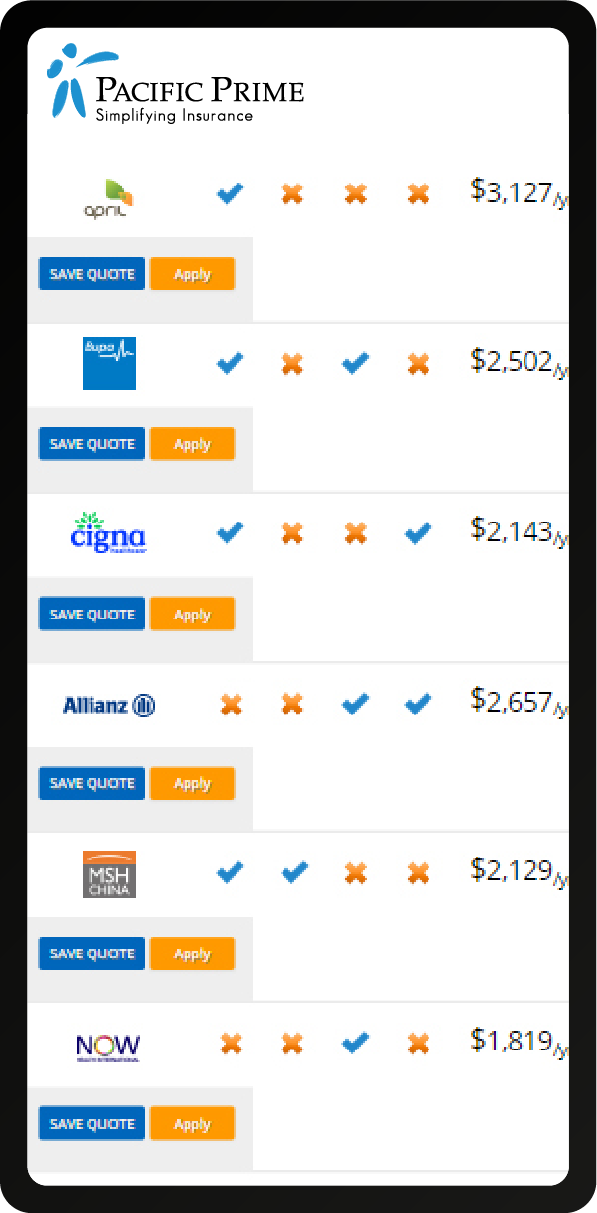
Retiring in Spain can be the start of an exciting new chapter, but it also comes with important decisions, especially when it comes to healthcare. One of the most crucial steps is securing international health insurance that ensures you’re fully protected throughout your retirement.
Not sure which plan is right for your needs? With over 25 years of experience, Pacific Prime partners with leading insurers in Spain to help retirees compare international health insurance, expat insurance, and family insurance options that fit your health requirements and budget.
Contact us today for a free consultation and expert plan comparison.
If you enjoyed this article, check out our other articles on similar topics like Living in Spain as an American and the Spain Digital Nomad Visa Guide.
To discover more about the leading international health insurance companies for expats in Spain, read our article here.
Frequently Asked Questions
How much money do you need to retire in Spain?
To be eligible for Spain’s Non-Lucrative Visa, you must have a minimum income of €2,400 (USD $2,588) per month or €28,800 (USD $31,050) per year. If you’re applying with dependents, you’ll need an extra €7,200 (~ USD $7,763) annually for each additional person.
Do retired expats pay taxes in Spain?
In Spain, pensions are taxed the same way as general income, using a progressive tax system. Rates range from 19% to 47%, starting at 19% for income up to €12,450 and increasing to 24% for income between €12,451 and €20,200.
How do I get a retirement visa in Spain?
To apply for Spain’s retirement visa, you must show proof of Spanish private health insurance, a medical certificate, and evidence of financial means like bank statements or passive income. If applicable, documents showing investment in Spain’s economy are also required.

After obtaining his Bachelor’s Degree in Social Sciences, International Relations from Mahidol University International College, Veerabhatr has forged his career as a content writer in the travel, lifestyle, and real estate industries, writing in both English and Thai. He now continues to hone his skills as a writer at Pacific Prime, looking to engage and educate the audience by simplifying insurance.
Writer by day, and a DJ by night, Veerabhatr is a staunch music lover, and listens to all spectrums of genres available. He also loves to drink beer (moderately), eat all types of food, go to the beach, and learn about different cultures across the globe. He is also a die-hard fan of football and motorsports.
- How Much Salary Do You Need to Live Comfortably in Thailand? – October 22, 2025
- Guide on Moving to Thailand from Canada as An Expat – October 20, 2025
- Top Health Insurance in Thailand for Russian Expats: Options and Benefits – October 16, 2025



Comments