300x85-png.webp)


 Hong Kong
 Singapore
 China
China Dubai
Dubai Thailand
 United Kingdom
 Mexico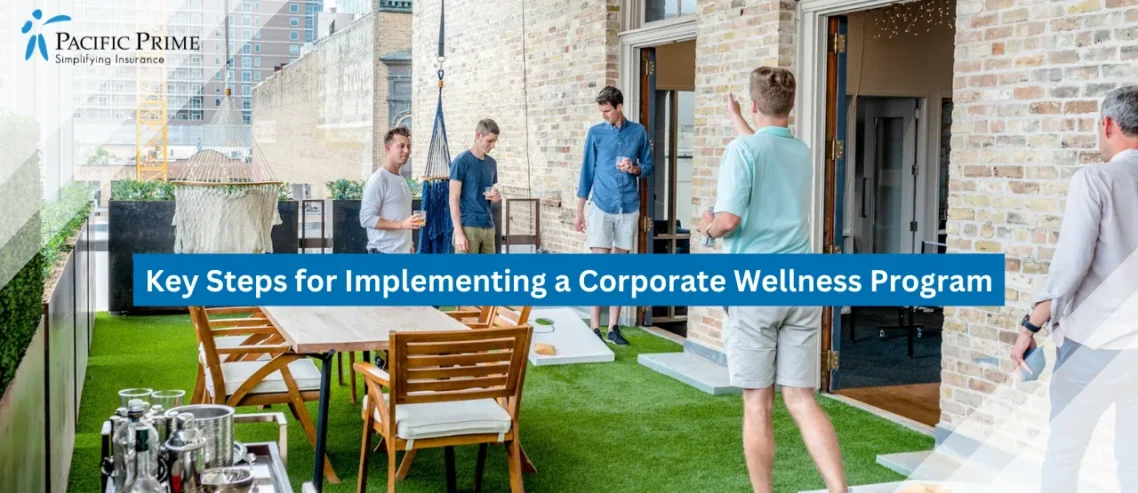
Wellness programs which prioritize health can not only improve quality of life but also help individuals excel at work. Conducting a survey, providing planning tools, offering incentives, and more make your company’s wellness programs most likely to benefit you and your business.
Discover the world’s top
health insurers.
Compare quotes with
a click of the button.
While prioritizing your job over your health used to be considered admirable, it’s a recipe for disaster. Are you trying to shift that attitude at your company by providing wellness programs? Are you unsure how to incorporate these benefits effectively?
This Pacific Prime article will outline key ways that companies offering employee wellness programs as part of their employee benefits can maximize the benefits of these programs, both for their employees and their company.
Conduct a Survey to Tailor Benefits to Your Employees’ Needs

The best corporate wellness plans are based on the needs of employees. In order to find out what those actual needs are, employers can create and conduct a workplace survey. Get detailed information by presenting several wellness ideas for perks and see which ones gain the most interest.
Some budget-friendly corporate wellness programs ideas include:
- Flexible working arrangements
- Catered lunches
- Free healthy snacks
- De-stress areas
- Fitness room
- Ergonomic workstations
- Employee incentives
- Group outings
- Paid time off
- Pets at work
Along with increasing workplace satisfaction, determining shared interests within the workforce can promote wellness and camaraderie.
Provide Planning Tools and Flexibility to Get the Most from Employee Benefits
Many employees struggle to prioritize their health due to financial constraints, busy schedules, or a lack of clear goals. Without support, these challenges can make it harder to maintain a healthy lifestyle.
Employers can play a key role in helping employees overcome these obstacles. One effective approach is providing planning tools, like guiding questionnaires. These tools simplify the process of setting and tracking health and fitness goals, making it easier for employees to stay on course.
In addition to planning tools, employers can offer educational resources. Classes on goal setting and milestone creation can help employees break down their wellness objectives into manageable steps. This structured approach boosts motivation and increases the likelihood of long-term success.
Another way to support employee well-being is by offering paid time off for health-related needs. When employees don’t have to choose between their paycheck and their health, they are more likely to schedule medical appointments, exercise, and rest when needed.
Flexible working hours also contribute to better health and wellness. For example, an employee who starts work an hour earlier may leave early to attend a fitness class. This flexibility allows employees to incorporate healthy habits into their daily routines.
Make it Easy for Employees to Join Wellness Programs
Many employees spend at least 40 hours at work every week, typically performing arduous tasks before heading home to see to their family duties. Employers can make it easier for employees to participate in wellness programs by making it more convenient. For example, they can:
- Indicate a clear walking path near the office that can be used for breaks
- Set up an exercise room in the facility
- Provide game tables like ping-pong in the breakroom
This approach enables employees to make the most of the time they are already spending in an area, thereby opening wellness possibilities that would otherwise be tricky for those with busy lives outside of work.
Companies can also integrate wellness into daily routines by offering an on-site fitness area. Having a dedicated space for exercise makes it easier for employees to fit workouts into their schedules. A convenient, well-equipped facility can encourage regular physical activity.
Integrate Health into the Company Culture
When implementing a wellness program in the workplace, it’s important to integrate health into the company culture. A culture that prioritizes health encourages employees to adopt healthier habits. This can lead to increased productivity, reduced stress, and a more engaged workforce.
There are many ways to incorporate health into the workplace. For example, employers can provide free healthy snacks instead of vending machines stocked with processed foods. Offering nutritious options makes it easier for employees to make healthier choices throughout the day.
Another simple initiative is organizing group stretching sessions after weekly meetings. These short sessions help reduce tension, improve flexibility, and promote overall well-being. Encouraging movement during the workday can also boost energy and focus.
Hosting walking clubs is another way to promote movement and social connection. Group activities like these make fitness more enjoyable and accessible. Walking clubs provide an opportunity for employees to stay active while also fostering a sense of community within the workplace.
Employers should set clear wellness guidelines in the employee handbook. This helps employees use their employee benefits effectively. A well-structured handbook also attracts and retains talent by highlighting the company’s commitment to workplace wellness.
Host an Onsite Health and Wellness Event

A great way to introduce a workplace wellness program is by hosting a health and wellness fair. These events create a fun and engaging environment where employees can explore different aspects of well-being. A well-planned fair can boost awareness and encourage participation in wellness initiatives.
To make the event more inclusive, companies can invite employees’ families to join. Involving loved ones helps reinforce healthy habits beyond the workplace. A family-friendly approach also increases engagement and makes the event more enjoyable for everyone involved.
Partnering with local health and wellness vendors can enhance the event’s success. Businesses can collaborate with fitness centers, nutritionists, and healthcare providers to offer valuable services. These partnerships provide employees with access to expert advice and wellness resources.
A variety of wellness-related activities can keep employees interested. Companies may include fitness demonstrations, health screenings, and mindfulness workshops. Offering diverse options ensures that employees find something relevant to their personal wellness goals.
Timing is also crucial when planning a health and wellness fair. The event should take place about two months before the annual open enrollment period. This gives employees enough time to explore their benefits and make informed decisions about their health coverage.
Additionally, businesses can create marketing campaigns focused on workplace wellness. Regular newsletters, posters, or digital reminders can reinforce the importance of health. Keeping wellness visible in company communications helps maintain engagement and encourages long-term participation.
Offer Ongoing Incentives to Employees Who Utilize Wellness Benefits
While a wellness fair is a great introduction, it shouldn’t be the only effort to promote workplace wellness. Long-term success requires ongoing education and engagement. Employers should find ways to keep employees motivated and committed to their health goals beyond the initial event.
Provide ongoing incentives that encourage employees to prioritize their well-being. Incentives create a sense of achievement and make healthy habits more rewarding. Simple rewards, such as wellness challenges or discounts on gym memberships, can help sustain employee interest.
Give it Some Time
Companies should have realistic expectations and realize that changing workplace wellness will take time. Additionally, wellness benefits must be measured in order to tell if they are working or not. Find ways to collect health-related data, such as with biometric screenings.
Run reports on a regular basis as well as evaluate how the wellness program is affecting employee health. Remember that different workforces have different needs, and there isn’t a one-size-fits-all solution.
For example, a smoking cessation program will hardly help with costs if smoking and other related issues are not drivers affecting the corporate health insurance plan.
Frequently Asked Questions
How can companies encourage employees to participate in a wellness program?
Encouraging participation starts with strong communication and leadership support. Offer incentives, create engaging activities, and make wellness accessible through flexible options like virtual programs or on-site resources. Employee feedback can also help tailor initiatives to their needs.
What budget considerations should companies keep in mind when implementing wellness benefits?
Companies should factor in expenses for wellness events, incentives, fitness facilities, and educational materials. Partnering with local vendors, using digital wellness platforms, and offering low-cost initiatives like walking clubs can help maximize value.
How do companies measure the success of a corporate wellness program?
Success can be tracked through employee engagement, participation rates, and feedback surveys. Companies can also monitor health-related metrics like reduced absenteeism, improved productivity, and lower healthcare costs. Regular assessments help refine the program for long-term impact.
Design the Perfect Employee Benefits Plan with Pacific Prime
All in all, employee health and wellbeing can significantly impact company culture, recruitment efforts, turnover rates, and productivity. By following the recommendations above, any company can smoothly implement a corporate wellness program.
Now that you know the key steps for implementing an employee wellness program, it’s time to design the ideal plan for your workforce. We’ve created this short video offering 5 tips on designing the perfect employee benefits plan to inspire you.
If you’re looking for an employee benefits package but don’t know where to begin, contact us today. Pacific Prime is a global health insurance and employee benefits broker that works with leading insurers to help you find the right package or group health insurance for your company and budget.
Contact us to speak with one of our employee benefits consultants today.

Jantra curates and reports on the results of Pacific Prime’s monthly newsletters, as well as manages Pacific Prime’s Deputy Global CEO’s LinkedIn posts. Complemented by her background in business writing, Jantra’s passion for health, insurance, and employee benefits helps her create engaging content – no matter how complex the subject is.
Growing up as a third-culture kid has given her a multicultural perspective that helps her relate to expats and their families while 8 years of working remotely have given her unique insight into hybrid work arrangements and enthusiasm for employee benefits.
- Jobs in Italy for Americans: Visa, Salary & Career Guide – October 15, 2025
- Healthcare in Singapore vs USA : Funding, Coverage, and Key Differences – August 15, 2025
- Living Abroad in the Philippines : Costs, Visas, and Expat Tips – August 12, 2025


Comments