300x85-png.webp)


 Hong Kong
 Singapore
 China
China Dubai
Dubai Thailand
 United Kingdom
 Mexico
For expats, the top ten reasons to move to Mexico are affordable and high-quality healthcare, affordable real estate, a low cost of living, easy visa applications, a large presence of expats, tax advantages, proximity to the United States, beautiful nature, cultural vibrancy, and amazing food.
Discover the world’s top
health insurers.
Compare quotes with
a click of the button.
Are you interested in embarking on a new expatriate journey to Mexico? Do you wish to retire or work there? Do you intend on making Mexico your new home? Keep reading this article to stay up to date on the main reasons why Mexico is worth relocating to.
Before we begin, it is also worthwhile to read up on the top 10 international insurance companies in Mexico for expats to gauge affordability.
This Pacific Prime article will go over the main points about why it is a good idea to move to Mexico and why health insurance is crucial while you are there. Let’s get started with the first reason.
1. Affordable and High-Quality Healthcare in Mexico

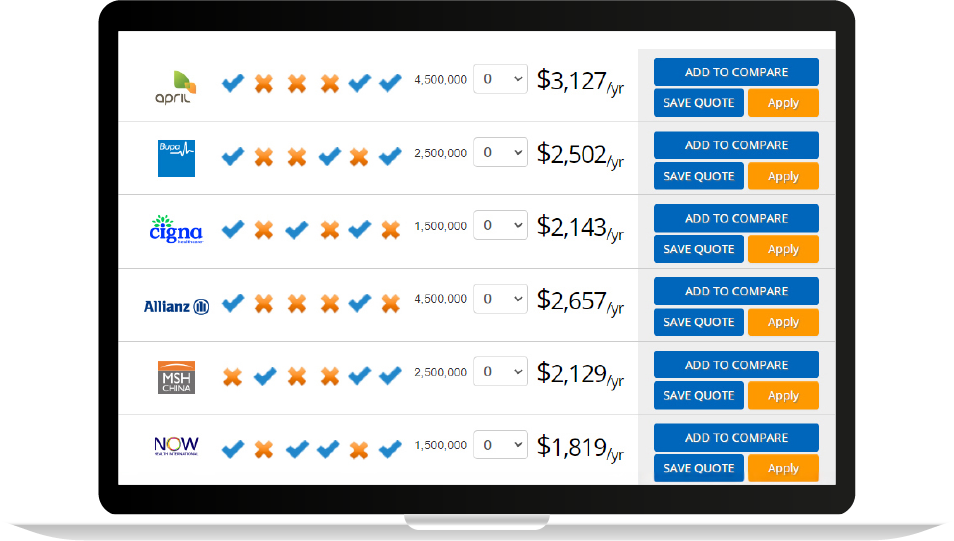
When compared to the U.S., healthcare costs in Mexico are 50% lower, are of equal quality, and are much easier to navigate. Drugs in Mexico are often produced domestically and sold over the counter at half the price of their U.S. equivalents, with consultations with GPs costing as low as USD $18.
Despite healthcare being affordable, it is important to consider taking out private health insurance to ensure access to the highest quality healthcare during your stay in Mexico. This is imperative to ensure a stress-free expatriate life.
Listed below is a summary list of the costs associated with healthcare in Mexico:
- General Practitioner (GP) Consultation: A typical visit to a GP or specialist ranges between 350 and 500 pesos ($18 – $25). Home visits typically fall within the same price range. Note that certain highly specialized doctors may charge higher fees.
- Specialist Consultations: Visiting specialists like cardiologists or gynecologists typically costs $800-$1,000 pesos per visit without insurance, equivalent to about $40-$50 USD per visit.
- Lab Work Tests: Lab tests, such as a full diabetes panel, are notably less expensive in Mexico compared to the U.S. For instance, the same panel costs around $800-$1000 pesos in Mexico, while it averages $2000-$2200 pesos or about $100-$110 USD, in the U.S.
- Surgical Procedures: Surgical procedures, although still expensive for locals, are significantly lower in Mexico than in the U.S. For instance, a hip replacement costs around $12,500 USD in Mexico compared to $40,000 USD in the U.S., without insurance.
- Dentist Consultation: Consultations with dentists generally cost between 400 and 1,000 pesos ($20 – $50). Costs for procedures like crown fittings range from 5,000 to 10,000 pesos ($252 – $504), while teeth cleaning is approximately USD 28.00.
- Hospital Stay: Spending a night in a hospital in an individual room typically costs between 3,000 and 5,300 pesos ($151 – $267).
- Emergency Hospital Deposit: Private hospitals often require a deposit upon emergency admission, ranging from 14,000 to 25,000 pesos ($705 – $1,260). The amount varies based on the type of treatment or surgery required.


2. Affordable Rent in Mexico
In Mexico, housing costs vary depending on location and size but are substantially cheaper than in the United States. For renting, the monthly rent for a one-bedroom apartment ranges from 6,000.00 to 20,000.00 MXN in the city center and from 4,000.00 to 15,000.00 MXN outside the center.
For larger accommodations, a three-bedroom apartment in the city center costs between 12,000.00 and 40,000.00 MXN, while outside the center, it ranges from 8,000.00 to 29,000.00 MXN per month.
When considering buying property, the price per square foot for apartments in the city center is between 1,114.83 and 6,248.79 MXN, and outside the center, it ranges from 1,114.83 to 4,645.11 MXN per square foot.
Listed below is a summary of the latest costs associated with renting and buying an apartment in Mexico:
Apartment Rent Per Month
- Apartment (1 bedroom) in City Centre: 6,000.00-20,000.00 MXN ($302.40-$1,009.99 USD)
- Apartment (1 bedroom) Outside of Centre: 4,000.00-15,000.00 MXN ($201.60-$756.00 USD)
- Apartment (3 bedrooms) in City Centre: 12,000.00-40,000.00 MXN ($604.80-$2,019.99 USD)
- Apartment (3 bedrooms) Outside of Centre: 8,000.00-29,000.00 MXN ($403.20-$1,459.60 USD)
Buying Apartments (Cost Per Square Foot)
- Price per Square Foot to Buy an Apartment in City Centre: 1,114.83-6,248.79 MXN ($56.12-$314.96 USD)
- Price per Square Foot to Buy an Apartment Outside of the Centre: 1,114.83-4,645.11 MXN ($56.12-$234.24 USD)
3. Low Cost of Living in Mexico
In Mexico, living expenses are substantially lower than those in the U.S.; dining out can range from 164.62 MXN ($8.28 USD); transportation costs can go as low as 11.00 MXN ($0.55 USD) per ride; and phone bill utilities can cost as low as 1,210.08 MXN ($60.90 USD) monthly.
Listed below is a summary list of the general costs of living in Mexico:
Dining Out
- Meal, Inexpensive Restaurant: 164.62 MXN ($8.28 USD)
- Meal for 2 People, Mid-range Restaurant, Three-course: 700.00 MXN ($35.28 USD)
- McMeal at McDonald’s (or Equivalent Combo Meal): 150.00 MXN ($7.56 USD)
Groceries
- Milk (regular), (1 gallon): 100.89 MXN ($5.08 USD)
- Loaf of Fresh White Bread (1 lb): 42.03 MXN ($2.12 USD)
- Chicken Filets (1 lb): 62.94 MXN ($3.17 USD)
Transportation
- One-way Ticket (Local Transport): 11.00 MXN ($0.55 USD)
- Taxi Start (Normal Tariff): 50.00 MXN ($2.52 USD)
- Gasoline (1 gallon): 90.17 MXN ($4.54 USD)
Utilities
- Basic Utilities (Electricity, Heating, Cooling, Water, and Garbage Collection) for 915 sq ft Apartment: 1,210.08 MXN ($60.90 USD)
- Mobile Phone Monthly Plan with Calls and 10GB+ Data: 433.00 MXN ($21.81 USD)
4. Mexican Visa Applications are Easy for Expats
Settling down in Mexico offers simplicity, abundant investment opportunities, and simple retirement visa procedures; ensure you have a valid passport and draft a letter of intent to the Consulate General of Mexico, expressing your desire to apply for residency.
Additionally, this letter should detail your financial situation, travel plans, and addresses both in your home country and in Mexico. If you have dependents or are accompanied by your spouse, additional documentation may be required.
Lastly, alongside the letter, provide evidence of your financial stability, including bank statements reflecting investments, a monthly closing balance of $80,000 for the past year, and proof of income from various sources such as rent, pensions, or interest.
Listed below is a summary list of the procedures and required documents for expatriate visas:
Basics of the Process
- Have a valid passport.
- Draft a letter of intent to the Consulate General of Mexico.
- Include details about your financial situation, travel plans, and addresses.
- Provide additional documentation for dependents or spouses.
Required Documents
- Bank statements reflecting investment returns.
- 12 months’ bank statements with a monthly closing balance of $80,000.
- Proof of income from various sources like rent, pensions, or interest.
5. Expat Presence in Mexico
The country hosts a large community of American expatriates, numbering around 1.5 million, who have chosen Mexico for various reasons, such as tax savings, business ventures, or retirement.
Listed below are the most famous locations in Mexico with the largest expat presence:
- Puerto Vallarta: A vibrant coastal haven offering a plethora of activities, from strolling along the boardwalk to exploring the nearby Sierra Madre mountains.
- San Miguel de Allende: A Spanish-colonial gem known for its rich arts scene, scenic plazas, and welcoming expat community.
- Mérida: A bustling metropolis in the Yucatán Peninsula with a blend of historic charm and modern amenities, boasting a vibrant cultural scene and proximity to white-sand beaches.
- Lake Chapala: Mexico’s largest expat hotspot, characterized by its picturesque surroundings, pleasant climate, and abundant cultural and sporting opportunities.
- Tulum: A growing resort town on the Riviera Maya offers a bohemian atmosphere, ancient Mayan ruins, and access to the sparkling waters of the Caribbean Sea.
- Huatulco: A hidden gem in southern Mexico planned for tourism development, known for its stunning contrasts, vibrant marine life, and excellent dining options.
6. Tax Advantages in Mexico
Mexico boasts a highly convenient tax structure, facilitating property ownership and business operations for expat residents, which includes a 10% tax on dividends, the absence of capital duty, no payroll taxes, transfer taxes ranging from 2% to 5%, no stamp duty, and others.
Here is a rundown of all the tax breaks that Mexican expats can take advantage of:
- 10% tax on dividends: Mexico imposes a flat rate of 10% on dividends received from investments, which is notably lower compared to many other countries. This favorable rate encourages investment and rewards shareholders.
- Absence of capital duty: Unlike some jurisdictions, Mexico does not levy capital duty, meaning there are no taxes imposed on the transfer of ownership of assets such as stocks or real estate. This absence of a capital duty simplifies transactions and reduces financial burdens for investors.
- No payroll taxes: Businesses operating in Mexico are not subject to payroll taxes, providing a competitive advantage and reducing administrative overhead for employers. This absence of payroll taxes encourages business growth and job creation.
- Transfer taxes ranging from 2% to 5%: Mexico imposes transfer taxes, typically ranging from 2% to 5%, on the sale or transfer of real estate properties. While these taxes exist, the rates are relatively moderate, making property transactions more accessible and less costly for buyers and sellers.
- No stamp duty: Stamp duty, a tax often levied on legal documents and transactions in some countries, is not applicable in Mexico. This absence of stamp duty eliminates an additional financial burden for individuals and businesses engaging in various transactions.
- Non-residents taxed solely on income earned within Mexico: Non-residents earning income in Mexico are only taxed on income derived from Mexican sources. This taxation principle ensures that individuals not domiciled in Mexico are not subject to double taxation and promotes international investment.
- No capital acquisition tax: Mexico does not impose a capital acquisition tax, which means there are no taxes levied on the acquisition or transfer of capital assets such as stocks, bonds, or real estate. This tax exemption encourages investment and facilitates asset transfers.
7. Mexico’s Proximity to the United States
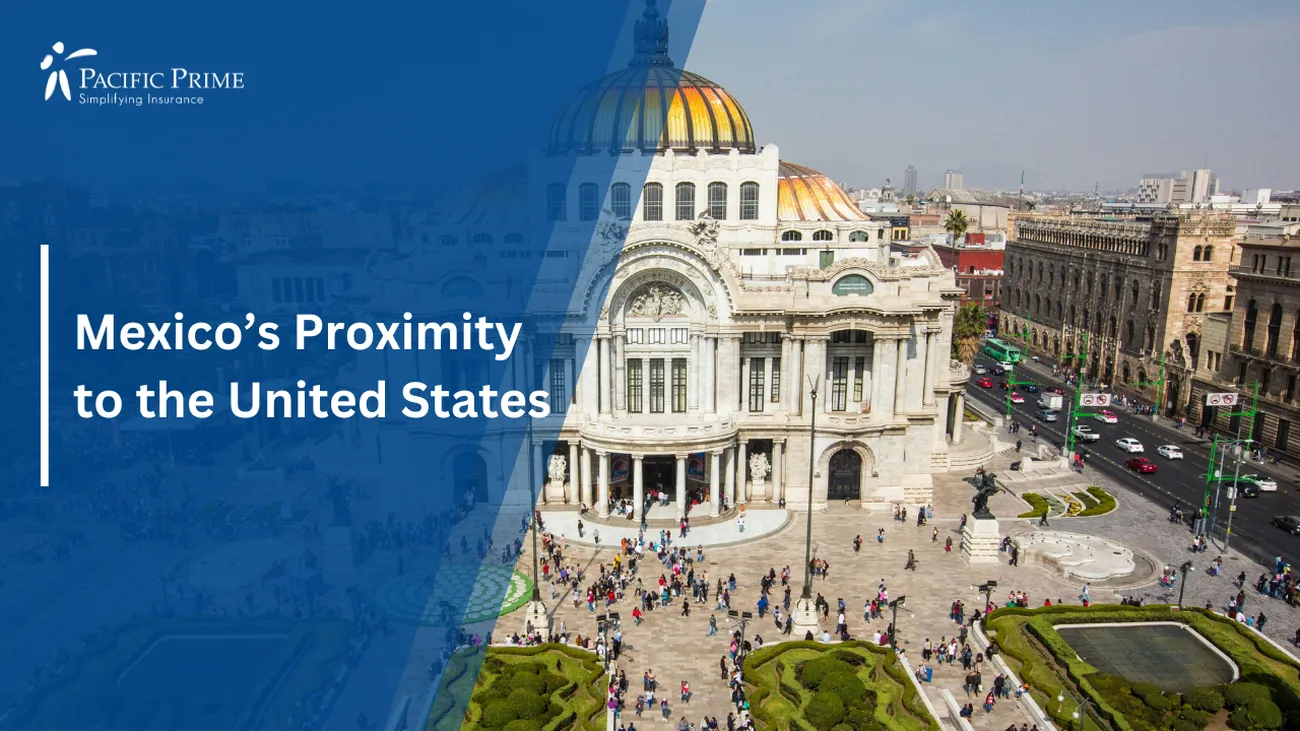
When traveling between the U.S. and Mexico, flights typically last only a couple of hours, making travel convenient, and traveling by land merely requires proper documentation. Additionally, managing business affairs in the United States while residing in Mexico is easily achievable.
Listed below are the key requirements to consider before traveling back and forth via land, air, and sea:
When traveling by air:
- Expats must possess a valid passport, visa, or Border Crossing Card (BCC) for air travel to the United States.
- Foreign diplomats with diplomatic or official passports, not permanently assigned to the U.S., can enter without a visa or BCC for stays up to 6 months. However, accompanying family members who are not traveling with the principal diplomat require a visa.
When traveling by land or sea:
- For land travel, expatriates need a valid passport and visa or BCC.
- When traveling by sea, expatriates require a valid passport and visa or BCC.
- The BCC serves as a standalone document for travel from Mexico by land, sea, or ferry.
- When presented with a valid passport, it fulfills entry requirements for all ports of entry (land, air, and sea).
- Certain nonimmigrants with proper immigration documentation, including a BCC, may not need Form I-94 Arrival/Departure Record.
- BCC holders can visit the border zone of the U.S. for up to 30 days when entering by land or sea.
The border zone includes specific areas:
- California within 25 miles of the border
- Arizona within 75 miles of the border
- New Mexico within 55 miles of the border or up to Interstate 10, whichever is further north
- Texas within 25 miles of the border
8. Mexico’s Nature and Environment
Exploring Mexico’s natural beauty offers a unique glimpse into its rich ecosystems, such as the Lacandon Jungle, Veracruz Rapids, Yucatan Jungle, and the Sea of Cortez. These ecosystems allow expats to enjoy nature outside of the hustle and bustle of Mexico’s city.
Listed below are the key areas and activities that are worth visiting while living in Mexico:
- Lacandona Jungle, Chiapas: The Lacandona Jungle is a dense tropical rainforest located in the state of Chiapas, Mexico. It is known for its rich biodiversity, with numerous plant and animal species, including jaguars, tapirs, and various types of birds.
- Copper Canyon (Barrancas del Cobre), Chihuahua: Copper Canyon, also known as Barrancas del Cobre in Spanish, is a vast canyon system located in the state of Chihuahua, Mexico. It is larger and deeper than the Grand Canyon in the United States.
- Veracruz Rapids: The Veracruz Rapids are a series of rapids and waterfalls found in the state of Veracruz, Mexico. Located in the Pescados River, the rapids provide an exciting and adrenaline-pumping experience for adventurers and whitewater rafting enthusiasts.
- Zapotec Community Life, Oaxaca: The Zapotec Community Life in Oaxaca showcases the vibrant culture and traditions of the Zapotec indigenous people. This region is known for its archaeological sites, such as Monte Albán, which provide insights into the ancient Zapotec civilization.
- Birdwatching in Yucatan: Yucatan, a state in southeastern Mexico, is a paradise for birdwatchers due to its diverse ecosystems and abundant bird species. The region is home to a variety of migratory birds, waterfowl, and endemic species, making it a haven for bird enthusiasts.
- Grey Whale Watching in the Sea of Cortez: The Sea of Cortez, also known as the Gulf of California, is famous for its population of gray whales. These majestic marine mammals migrate to the warm waters of the Sea of Cortez during the winter months, offering a unique chance to observe them up close.
- Monarch Butterfly Reserve, Michoacan: The Monarch Butterfly Reserve in Michoacan is a protected area that serves as a sanctuary for millions of monarch butterflies. Every year, these butterflies undertake a remarkable migration from Canada and the United States to Mexico, where they cluster in the forests of Michoacan.
- Blue Mountains Biosphere Reserve, Chiapas: The Blue Mountains Biosphere Reserve is located in the state of Chiapas, Mexico, and is recognized as a UNESCO World Heritage site. It encompasses a diverse range of ecosystems, including cloud forests, tropical forests, and rivers.
- Sumidero Canyon, Chiapas: The Sumidero Canyon is a stunning natural wonder located in the state of Chiapas, Mexico. Carved by the Grijalva River, the canyon features towering cliffs that reach heights of over 1,000 meters (3,280 feet).
- El Triunfo Biosphere Reserve, Chiapas: The El Triunfo Biosphere Reserve, situated in the state of Chiapas, Mexico, is a protected area renowned for its rich biodiversity and pristine ecosystems.
9. Mexico’s Vibrant Culture
Mexico is one of the most culturally vibrant countries in the world and is a major reason for relocation. Expats can enjoy Mexican cuisine and celebrate holidays such as Dia de Muertos, Independence Day, Carnivals of Mexico, Day of the Virgin of Guadalupe, and Dia de la Candelaria.
Listed below are the origins and descriptions behind each major holiday in Mexico:
- Dia de Muertos: A vibrant Mexican holiday honoring and remembering deceased loved ones through colorful altars, marigold decorations, sugar skulls, and traditional foods.
- Independence Day: Celebrated on September 16th, it commemorates Mexico’s independence from Spanish colonial rule with parades, fireworks, patriotic speeches, and reenactments of the “Cry of Dolores.”
- Carnivals of Mexico: Festive pre-Lenten celebrations are held in various cities, featuring lively parades, music, dancing, elaborate costumes, and street performances.
- Day of the Virgin of Guadalupe: A religious holiday on December 12th, honoring the appearance of the Virgin Mary to Juan Diego. It includes processions, pilgrimages, and masses dedicated to Mexico’s patron saint.
- Dia de la Candelaria: Celebrated on February 2nd, it combines Catholic traditions with indigenous customs. It involves processions, feasts, and the presentation of baby Jesus figurines, followed by tamales and other traditional foods.
10. Mexican Food
Mexican cuisine stands out as a top culinary choice globally because of its extensive assortment of dishes, enticing flavors, aromatic ingredients, nutritional balance, freshness, and cultural significance.
The 5 key benefits of having Mexican food are listed and described as follows:
- Wide Array of Choices: Mexican cuisine’s popularity stems from its extensive range of options. Tacos, burritos, enchiladas, and tamales are just a few examples of the delicious and authentic dishes available.
- Bold and Aromatic Flavors: Mexican food captivates taste buds with its vibrant and aromatic flavors. Heavy seasoning sets it apart, making it a perfect complement to other components, especially carbohydrate-rich foods.
- Balanced and Filling: Mexican cuisine isn’t just delicious; it provides a complete meal. With a focus on protein, carbohydrates, and vegetables, dishes like tacos and burritos offer a well-balanced and satisfying eating experience.
- Fresh and Nutritious: Mexican food is celebrated for its use of fresh and healthy ingredients. Abundant in vitamins and minerals, the cuisine incorporates various vegetables and herbs, offering a nutritious dining option. Many Mexican dishes are low in fat and high in fiber, making them healthy.
- Rich in Cultural Heritage: Mexican food holds a special place due to its rich cultural heritage. Rooted in history and traditions, the cuisine showcases dishes with centuries-old origins. Mexican food represents diverse cultural influences, from indigenous ingredients to Spanish flavors.
Before Anything Else, Get Health Insurance
Health insurance holds significant importance for expatriates and foreigners residing in Mexico, as it offers a plethora of advantages and guarantees access to high-quality medical services. It serves as a safeguard, providing both peace of mind and financial security.
Below, we will elaborate on these benefits:
- Choice and Flexibility: Health insurance affords expats the flexibility to select their preferred healthcare providers and facilities. They have the option to choose private hospitals or clinics, which often offer shorter waiting times, English-speaking staff, and personalized care.
- Peace of Mind: With health insurance, expats gain peace of mind knowing that medical expenses are covered. It alleviates concerns about facing substantial healthcare costs in the event of accidents or illnesses.
- Emergency Assistance: In the event of a medical emergency, policyholders can access 24/7 helplines and receive support from their insurance provider. This assistance includes coordinating emergency medical evacuations and offering guidance on local healthcare facilities.
- Language and Cultural Barrier Support: For expats who may not be proficient in Spanish or are unfamiliar with the local healthcare system, health insurance offers language support services. This facilitates effective communication between patients and healthcare providers.
- Additional Services and Benefits: Some health insurance plans may include supplementary services such as preventive care, wellness programs, mental health support, and coverage for pre-existing conditions.
- Access to Quality Healthcare: Health insurance grants expats access to an extensive network of healthcare providers and facilities, enabling them to receive medical attention from reputable hospitals, clinics, and specialists.
- Comprehensive Coverage: Typically, health insurance plans for expats in Mexico provide comprehensive coverage, encompassing doctor consultations, hospitalization, surgeries, laboratory tests, prescription drugs, and emergency services. Without such coverage, these expenses can be exorbitant.
Frequently Asked Questions
Why is health insurance important for expats in Mexico?
Health insurance is crucial for expatriates in Mexico because it ensures access to high-quality healthcare services, provides peace of mind, and offers financial protection.
What are the benefits of health insurance for expats in Mexico?
Health insurance for expats in Mexico offers several benefits, including access to a wide network of healthcare providers and facilities, comprehensive coverage for medical treatments and services, and choice and flexibility in selecting preferred healthcare providers.
How much does healthcare cost in Mexico, and why is private health insurance recommended?
Healthcare costs in Mexico are generally lower compared to the United States, with consultations, specialist visits, lab tests, surgeries, and hospital stays being more affordable. However, private health insurance is recommended to ensure access to the highest quality healthcare services.
Conclusion
The top ten reasons expats move to Mexico are affordable and high-quality healthcare, affordable real estate, low cost of living, easy visa applications, a large expat population, tax advantages, proximity to the US, beautiful nature, cultural vibrancy, and amazing food.
However, before expatriates can enjoy their lives in Mexico, they must carefully consider health coverage. Pacific Prime‘s 20+ years in the industry make us second to none when it comes to creating affordable, customized solutions that fit your needs. Plus, our advice is always free of charge.
We also provide resources to let you read and learn more on topics such as the cost of giving birth in Mexico and giving birth in Mexico as a foreigner, which may be useful if you plan on starting a family there. You may also read about the top 10 insurance companies in Mexico for expats.
Compare quotes or contact us today and secure your peace of mind.

Upon graduating from Mahidol University International College’s International Relations program, he spent his career in marketing and business development, working for an international subcontractor, a marketing research firm, an international news agency, a software development company, and a creative agency. His journey now continues at Pacific Prime, where he hopes to make an impact by simplifying insurance and writing a gargantuan amount of SEO articles to draw in billions of leads.
In his free time, Piyanat is an avid martial artist and musician, spending most of his time at boxing gyms in Nakhon Pathom and music studios with his friends in the music industry.
- Chiang Mai Travel Insurance: A Comparison Of The Top Providers – August 22, 2025
- Last-Minute Travel Insurance: How to Get Covered After Departure – August 18, 2025
- Childbirth Coverage in Singapore: Maternity Health Insurance Explained – August 18, 2025



Comments