300x85-png.webp)


 Hong Kong
 Singapore
 China
China Dubai
Dubai Thailand
 United Kingdom
 Mexico
For individuals, the average cost of living in China is around ¥10,000 to ¥15,000 (USD $1,400 to USD $2,100) per month, covering rent, food, transportation, and other essentials. For a family of four, monthly expenses range from ¥25,000 to ¥40,000 (USD $3,500 to USD $5,600).
Discover the world’s top
health insurers.
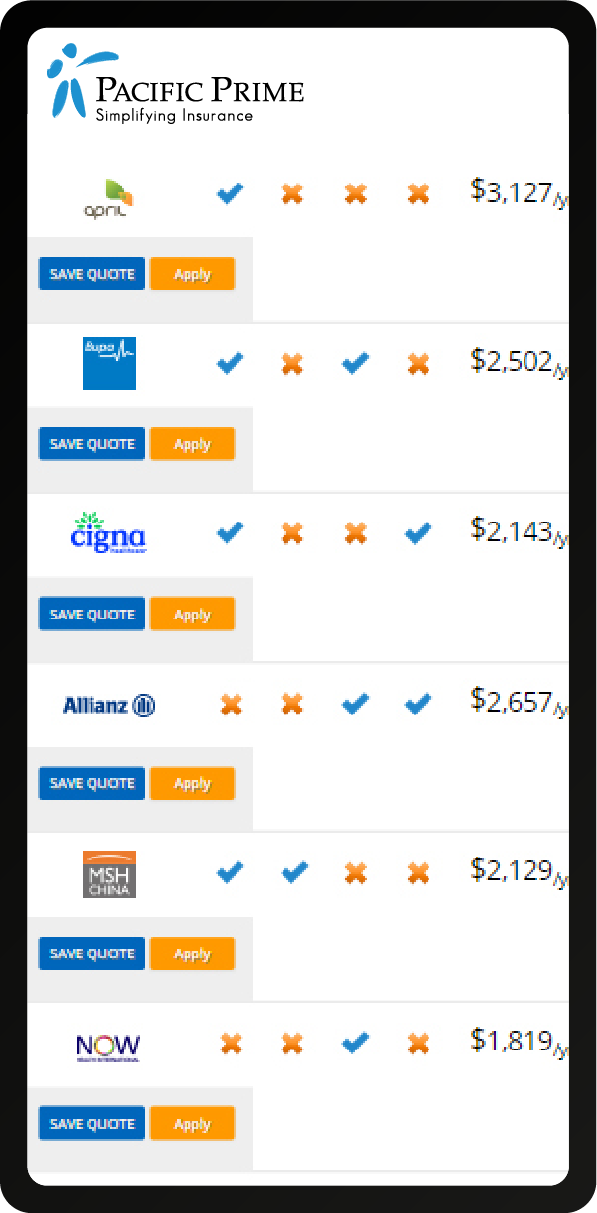
Compare quotes with
a click of the button.
In this guide, we break down the key expenses expats should consider, including housing, food, healthcare and insurance in China, education, and entertainment. Understanding the day-to-day costs will help you budget effectively and make informed financial decisions.
Cost of Living in China vs Asia and Hong Kong
Asia’s living costs vary widely, with Hong Kong, Singapore, and Tokyo among the priciest cities in the region. Hong Kong’s expenses are 125% higher than China’s , with rent 188% more expensive and daily necessities significantly costlier.
China offers a more affordable lifestyle, with restaurant prices 54.8% lower and transportation 60.7% cheaper than Hong Kong. Many Hong Kong residents seek alternatives in Shenzhen, where costs are much lower.
Housing Costs in China
In Beijing or Shanghai, a one-bedroom apartment in the city center costs ¥8,000 (USD $1,100) per month, while in smaller cities, it’s closer to ¥3,000 (USD $410). Utilities, including electricity and water, add another ¥500 to ¥1,000 (USD $70 to USD $140) monthly.
Food and Grocery Expenses in China
A meal at a local restaurant costs ¥30 to ¥50 (USD $ 4 to USD $7), while Western restaurants may charge ¥100 to ¥300 (USD $14 to USD $42) per person. Groceries are cheaper in local markets, where fresh produce costs ¥10 to ¥30 (USD $1.40 to USD $4) per kilogram, while imported items are pricier.
- Local restaurants: Meals cost ¥30 to ¥50 (USD $4 to USD $7).
- Street food: Popular dishes like jianbing (savory crepes) or baozi (dumplings) cost ¥5 to ¥20 (USD $0.70 to USD $2.80).
- Western restaurants: Dining at international chains or foreign-themed restaurants can range from ¥100 to ¥300 (USD $14 to USD $42) per person.
- Groceries: Local markets offer fresh vegetables for ¥10 to ¥30 (USD $1.40 to USD $4) per kilogram, while imported foods are pricier.
- Food delivery: Apps like Meituan and Ele.me charge a small fee, with meals ranging from ¥50 to ¥150 (USD $7 to USD $21) depending on the restaurant.
Expats who prefer imported food products should expect higher costs at supermarkets like Ole, Carrefour, or CitySuper.

Transportation Costs in China
Getting around China is inexpensive, with train fares starting at ¥2 (USD $0.30) and bus fares at ¥1 to ¥2 (USD $0.14 to USD $0.30) per trip. Taxis start at ¥13 (USD $1.80), with an additional ¥2.5 (USD $0.35) per kilometer. Ride-hailing apps like DiDi are slightly more expensive but convenient.
Healthcare and Insurance Costs in China
Public healthcare is affordable in China, with basic consultation fees around ¥50 (USD $7), though expats often prefer private hospitals, where visits start at ¥500 (USD $80). International health insurance costs range from ¥6,000 to ¥30,000 (USD $830 to USD $4,150) annually, depending on coverage.
Cost of Consultations in China
Consultation fees in China vary significantly between public hospitals and private international clinics. Public hospitals offer low-cost consultations, while private facilities charge premium rates for specialized services.
| Consultation Type | Public Sector Price | Private Sector Price |
| General Practitioner | ¥20 (USD $3) | ¥620 to ¥1,150 (USD $85 to USD $160) |
| Specialist Consultation | ¥50 to ¥100 (USD $7 to USD $14) | ¥810 to ¥1,530 (USD $110 to USD $215) |
| Extended Consultation | ¥100+ (USD $14+) | ¥1,500+ (USD $210+) |

Cost of Medications in China
Medication prices in China are affordable in the public healthcare system, but branded or imported drugs in private settings can be significantly more expensive.
| Medication | Public Sector Price | Private Sector Price |
| Generic Antibiotics | ¥50 to ¥200 (USD $7 to USD $28) | ¥200 to ¥500 (USD $28 to USD $70) |
| Pain Reliever (Ibuprofen) | ¥30 to ¥100 (USD $4 to USD $14) | ¥100 to ¥300 (USD $14 to USD $42) |
| Hypertension Medication | ¥200 ¥400 (USD $28 to USD $56) | ¥350 to ¥800 (USD $50 to USD $112) |
Why Getting Health Insurance is Important in China
China’s healthcare system is dual-tiered, with public hospitals offering low-cost care but often long wait times and limited English-speaking staff. Private hospitals provide higher-quality services but at premium costs.
Here’s why international health insurance is highly recommended:
- Access to Private Healthcare: Ensures shorter wait times and English-speaking doctors.
- Comprehensive Coverage Worldwide: Protects you across different countries.
- Emergency Medical Evacuations: Covers specialized treatment abroad if needed.
- Peace of Mind for Expats: Shields you from unexpected medical expenses.
- Flexible Plans Tailored to Expats: Includes outpatient care, dental, and maternity services.
- Direct Billing and Cashless Claims: Avoids upfront payments and complex reimbursement processes.
Given China’s dual healthcare system, relying solely on public hospitals may not always be ideal—especially for expats accustomed to high medical standards.
Investing in international health insurance ensures quality care without financial stress, making it a crucial consideration for anyone planning to live in China long-term.
Education Costs in China
International schools charge premium fees, with tuition ranging from ¥100,000 to ¥300,000 (USD $14,000 to USD $42,000) per year. Local schools are much cheaper but may pose language barriers. Additional tutoring and extracurricular activities cost ¥500 to ¥2,000 (USD $70 to USD $280) monthly.

Entertainment and Leisure Costs in China
There are many affordable activities to do when living in China. Movie tickets are ¥50 (USD $7), and nightlife expenses vary widely, with drinks at clubs costing ¥50 to ¥100 (USD $7 to USD $14) each. Gym memberships cost ¥200 to ¥800 (USD $29 to USD $110) per month.
Travel within China is also affordable, with high-speed rail tickets ranging from ¥200 to ¥1,000 (USD $28 to USD $140) per trip, making weekend getaways easy to plan.
Utilities and Necessities Costs in China
Monthly internet and mobile plans cost ¥100 to ¥300 (USD $14 to USD $42), while basic utilities like electricity and water range from ¥500 to ¥1,500 (USD $70 to USD $210). Household essentials, personal care items, and clothing prices depend on local and international brands.
Salary Expectations and Savings in China
Expats in sectors like finance or tech earn ¥20,000 to ¥50,000 (USD $2,800 to USD $7,000) monthly, while teaching salaries start at ¥15,000 (USD $2,100). Cost-conscious expats can save a significant portion of their earnings, especially in lower-cost cities.

Have Pacific Prime Help You With Your Move to China!
Living in China offers a dynamic mix of affordability and modern conveniences, with plenty of opportunities for entertainment, travel, and social experiences. If you’re looking to move to China, Pacific Prime can help you secure the right coverage for your health!
With 25 years of experience in international health insurance, expat insurance, and family insurance, Pacific Prime has assisted expats and their families in getting the right coverage to protect their health while living abroad.
With insurance solutions tailored to your specific healthcare needs, you can ensure you have access to quality healthcare and financial security while living abroad.
Contact us today for a FREE quote!
Frequently Asked Questions
How much does an expat need to live comfortably in China?
The cost of living varies by city and lifestyle. A single expat can live comfortably on ¥10,000 to ¥15,000 (USD $1,400 to USD $2,100) per month. A family of four typically needs ¥25,000 to ¥40,000 (USD $3,500 to USD $5,600)
What are the healthcare costs for expats in China?
Public healthcare is affordable, with general practitioners charging ¥50 (USD $7) per visit. Private hospitals start at ¥500 (USD $70), offering faster service. Specialist fees vary. Expats favor private care and international insurance, costing ¥6,000 to ¥30,000 (USD $830 to USD $4,150) annually.
Is renting an apartment in China expensive?
Rent in major cities like Beijing and Shanghai averages ¥8,000 (USD $1,100) per month for a one-bedroom apartment in the city center. In smaller cities in China, rent is significantly lower, around ¥3,000 (USD $410).
Can expats save money while living in China?
Expats in high-paying industries can save money in China by living in lower-cost cities, using public transport, and dining locally. Employer perks like housing and healthcare also help reduce expenses, making it easier to save a significant portion of their income.
What are the best ways to manage living expenses in China?
Opting for local restaurants, public transportation, and shopping at local markets can significantly lower costs. Comparing housing options and selecting appropriate health insurance also help with budgeting effectively.


At Pacific Prime, Grace focuses on simplifying complex concepts on international health insurance to make these topics easily accessible and understandable for our target audience. Being a Filipino born in Hong Kong, she understands the struggles of most immigrants and expats in finding the right insurance solutions while in another country. Her goal is to redefine most people’s perception of insurance, that it is an investment for one’s protection and future.
In her spare time, Grace is either at home or at Hong Kong Disneyland. She loves reading, watching movies and K-dramas, and attending dance classes.
- How to Find Digital Nomad Jobs in Thailand – October 22, 2025
- Top 12 Insurance Companies in Serbia for Expats – October 21, 2025
- Expat’s Guide: Pros and Cons of Living in Thailand – October 20, 2025


Comments